Section 1: Slowing Down to See
There’s something liberating about leaving the tripod behind and simply… watching. The light shifts. The breeze moves a single strand of grass. A bird hesitates mid-flight, deciding whether you’re friend or foe. Most of us reach for the camera before we even see the moment. But mindful photography asks us to do the opposite — to pause before pressing the shutter.
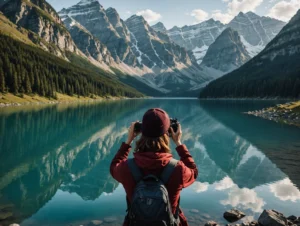
I learned this the hard way on a road trip through Glacier National Park. My husband was driving, I was chasing clouds, We’d just rounded a curve where sunlight filtered through evergreens, and the whole scene begged to be photographed. But instead of jumping out like usual, I stayed put. I watched the light fade, reappear, and finally settle. When I finally took the shot, it wasn’t the postcard version — it was a quiet reflection of stillness. And honestly, that picture still feels like a deep breath.
Mindful photography isn’t about getting the shot — it’s about connecting with the moment. You can practice it whether you’re photographing eagles on your riverbank in Upstate New York, wandering through Roosevelt State Park, or enjoying a plate lunch at Keneke’s Grill on Oahu (preferably after wiping BBQ sauce off your lens). At places like Green World Coffee Farm, even a steaming cup can become a storytelling image. Back roads store wonderful new adventures such as in Crossroads Store.
If you enjoyed my post Finding Creativity in the Everyday, this is its calmer, slower cousin — the one that reminds you that sometimes, creativity grows in the pauses between photos.
Section 2: Techniques for Practicing Mindfulness with Your Camera
Mindful photography doesn’t mean sitting cross-legged in a field chanting to your shutter button (though if that works for you, go for it). It’s about learning to be present — to stop shooting on autopilot and start seeing again.
1. Slow Down the Click
If your memory card sounds like a machine gun, it might be time to breathe. Try setting a rule: one photo per minute. It sounds ridiculous until you realize how much more you notice — the shifting shadows, the echo of a bird call, the way the light skims across a weathered barn. I practiced this during my Wildlife Encounters on America’s Back Roads trip, and I started spotting subtleties — the way a moose turned its ear or how morning mist softened an entire valley. Slowing down with one focal length can also help. See when I use prime lenses vs. zoom lenses in my post: Prime vs. Zooms: Finding the Right Lens for the Way You Travel. I found the more I slowed down, the better my photos became.
2. Focus on the Senses
Photography is often visual, but mindfulness asks you to invite the whole scene in. What does the wind smell like? What sounds are drifting around you? Is the air heavy with salt near the shore at Kilauea Lighthouse or humming with crickets in Georgia’s Roosevelt State Park? Those sensory notes subtly influence how you compose, frame, and even title your images later.
3. Limit Your Gear (Yes, Really)
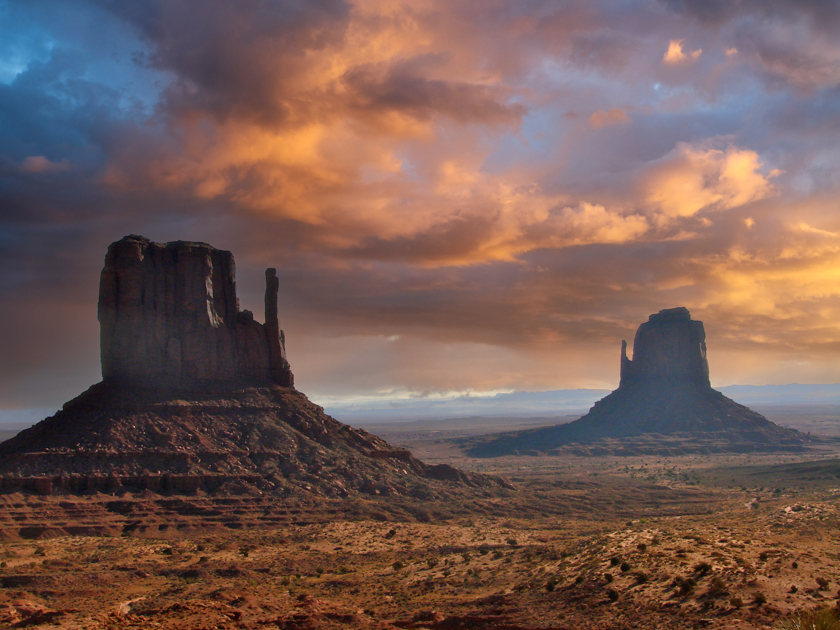
Sometimes, too much equipment dulls our awareness. Grab your Leica Q3 or your Fujifilm X-T5 with just one lens — maybe your trusty 35mm f/1.4 — and go exploring. When you stop worrying about what lens to use, you start paying attention to what’s in front of you. I learned that lesson after lugging three lenses into Monument Valley only to realize the best photo came from simply standing still and watching the color shift across the Mittens. Simplifying my setup helps me to be more mindful. Read more in Packing: One-Lens Travel — How to Simplify Your Photography and See More. You can see more on my photography kit in Why I Chose Leica and Fuji for Travel Photography.
4. Wait for the Moment
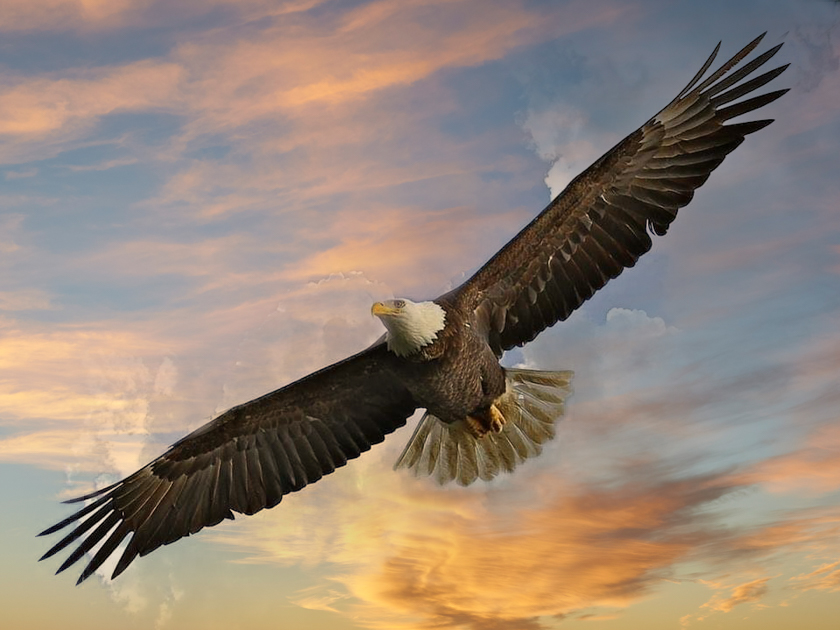
Mindfulness thrives in patience. Watch. Wait. Let the scene unfold naturally. The next time you’re tempted to chase the perfect eagle shot, remember my post Understanding Wildlife Behavior Before You Photograph. When you know what’s coming, you can quietly anticipate instead of interrupting.
Section 3: How Mindfulness Transforms Storytelling
When you shoot mindfully, your photographs start telling truer stories — the kind that make viewers linger instead of scrolling past. The difference isn’t in megapixels or editing tricks; it’s in how present you were when you took the shot.
Seeing Emotion Instead of Action
We’ve all snapped that “quick shot before it’s gone,” only to find later that it feels… empty. Mindful photography invites you to look deeper — to notice emotion instead of action. When I photographed the heron rookery near my home, I could have focused on the obvious: nests, wings, chaos. But slowing down revealed something else — a parent’s patience, a chick’s hesitation before its first flight. That quiet, unhurried moment told a fuller story than any burst mode could.
If you’ve read my post Mastering the Art of Patience in Wildlife Photography, you already know — storytelling starts long before you press the shutter. It begins when you start feeling what’s in front of you.
The Power of Presence in Travel Photography
When you’re traveling, mindfulness changes everything. Instead of rushing from one “must-see” spot to the next, you start noticing the human details — a shopkeeper in Apache Junction arranging old coins on a counter, a local at Keneke’s Grill blessing your meal with a smile and a verse. Those moments aren’t in the guidebooks, but they’re what make your stories breathe. They’re what I like to call “back roads details” — the soul of Back Roads Lens.
Editing with Intention
Mindfulness doesn’t stop in the field. It continues in post-processing. When I sit down with Lightroom and start sifting through a day’s worth of shots, I ask myself: Which image feels like the moment? Not “Which one is sharpest?” or “Which one will look good on Instagram?” But which one brings me back there — the smell, the sound, the peace of it. That single question reshapes my editing process into a kind of reflection instead of a race.
Section 4: Building a Mindful Photography Practice
Mindfulness isn’t something you turn on for a weekend trip and then pack away with your tripod. It’s a way of seeing — a daily practice that can turn even your morning coffee steam into an impromptu photo subject. (Yes, I’ve done it. And yes, my husband has learned to drink his coffee cold.)
1. Start Close to Home
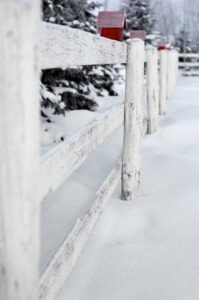
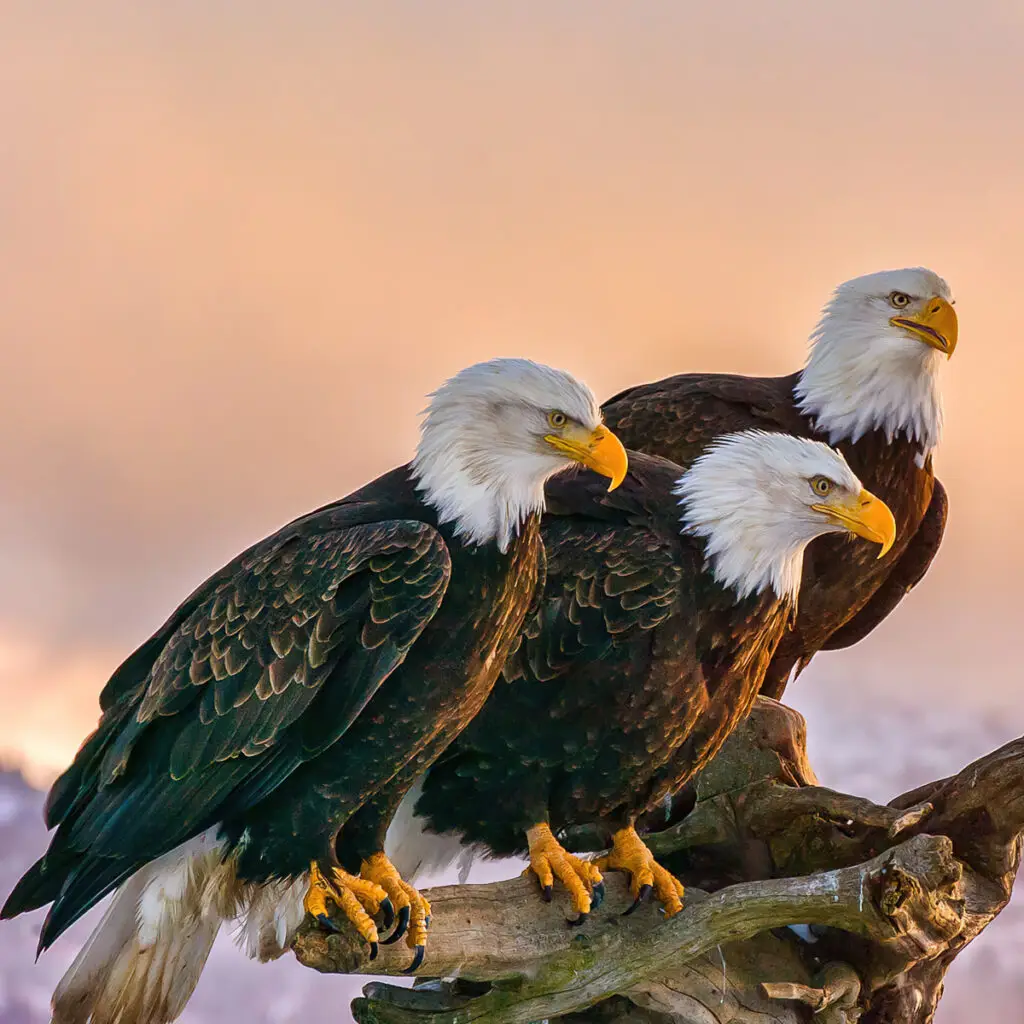
You don’t need to be standing on the Nā Pali cliffs or wandering Kauai’s coffee farms to practice mindfulness. Some of my favorite photos have come from my own backyard — eagles perched on a riverside branch, or sunlight glinting off a red birdhouse in the snow. Those moments remind me that beauty isn’t only on the road; it’s right outside the window. My post Finding the Wild Close to Home dives deeper into this idea — the art of staying still and noticing life that’s already near you.
2. Journal What You See (and Feel)
After shooting, jot a few words about the experience — not just what you photographed, but what it felt like. Maybe the silence before sunrise at Trillium Lake, or the laughter from a group of locals at Tortilla Flat. These notes add layers to your storytelling later and help you reconnect with the emotional heartbeat of each image.
3. Set Intentions Before You Shoot
Instead of a shot list, set a mood. Try, “I want to capture peace,” or “I want to notice how light changes faces today.” This mindset frees you from technical pressure and opens your creative eye — something I talk about in Mastering Composition on the Road. It’s not about chasing perfection; it’s about letting the story reveal itself.
4. Give Yourself Permission to Miss the Shot
This might be the hardest one. Sometimes, the best image is the one you didn’t take. Maybe you were too busy watching the sunset fade behind the Superstition Mountains. That’s okay. Mindfulness reminds us that we’re not just photographers — we’re witnesses to fleeting beauty. The camera is just a bonus.
Section 5: The Art of Seeing — A Mindful Wrap-Up
At its heart, mindful photography isn’t about slowing down for the sake of it — it’s about seeing again. It’s realizing that sometimes the most meaningful shot isn’t the one you planned, but the one that quietly appeared while you were paying attention.
When I look back at my favorite photos, they all share something in common: I remember how I felt in that moment. The soft hush before a heron’s takeoff. The scent of rain on red earth in Monument Valley. The laughter from the cook at Keneke’s Grill as he handed over a plate that was far too big for one person. (I didn’t share. No regrets.)
Mindful photography teaches you that the story doesn’t just live inside the frame — it lives in you. The more present you are, the more your photos whisper that truth to anyone who sees them.
So the next time you’re on the road, camera in hand, take a deep breath. Watch the light shift. Listen. You might find that the world has been waiting patiently for you to notice all along.
Explore More
If you enjoyed The Art of Mindful Photography, you might also like:
- Finding Creativity in the Everyday – rediscover inspiration in the familiar.
- Understanding Wildlife Behavior Before You Photograph – patience, presence, and respect in the field.
- Respecting Local Communities on the Road – connecting mindfully with the people and places you photograph.
- How I Plan and Photograph the Perfect USA Road Trip – balancing spontaneity with preparation (and snacks).
- Travel and Photography Tips: Balancing the Journey
Want more travel and photography inspiration delivered straight to your inbox?
Join my newsletter for behind-the-scenes stories, photography tips, and updates from the road.
Love learning about photography? Explore the full Mastering Travel Photography series — where I share the techniques, tools, and mindset that shape every photo I take.
- Mastering Travel Photography: Tips and Tutorial for Capturing the Road Less Traveled
- Mastering the Art of Composition on the Road
- Mastering Light in Landscape Photography
- Mastering Storytelling on the Road
- Mastering RAW + JPEG Shooting on the Road
- Mastering Patience in Wildlife Photography
- Mastering Shooting in Low Light
- Mastering the Art of Wildlife Photography
- Mastering Using Reflections in Travel Photography
- Mastering the Histogram: A Simple Guide to Better Exposure
- Mastering Travel Photography for Beginners