Introduction – Why Road Trips Are My Favorite Way to See America
There’s something timeless about setting out on the open road, camera bag beside me, and a map that’s more suggestion than rule. Every twist of pavement holds the promise of discovery — a roadside diner, a forgotten ghost town, or a stretch of mountains glowing in late-day light. For me, planning and photographing the perfect USA road trip isn’t just about logistics; it’s about leaving space for wonder.
My love for long drives began years ago with our first 30-day USA road trip — a looping adventure that stitched together the Northwest’s waterfalls, the Great Plains’ open skies, and the quiet backroads of the Southeast. That journey taught me to balance planning with spontaneity, and it’s the foundation for every road trip I’ve taken since.
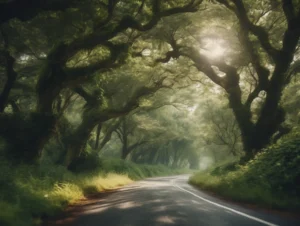
Over time, I’ve learned that the most memorable routes aren’t the fastest ones. They’re the ones that wander — through national and state parks, across scenic drives like Beartooth Highway, Blue Ridge Parkway, and Southwest Road trips as well as into small towns and exploring Alaska’s interior via train and park bus where time slows down just enough to notice the details.
In this post, I’ll share how I plan each trip from the first spark of an idea to the last click of the shutter — blending my travel style, photography approach, and a few lessons learned from the back roads along the way.
Research and Route Planning – Building the Road Before the Journey
Every great road trip begins long before the car leaves the driveway. For me, the planning process is half the adventure — spreading out maps, flipping through my worn copy of Reader’s Digest Scenic Drives Across America, and letting one idea spark another. I start by thinking about themes or regions that have been calling my name. Maybe it’s a mountain route I’ve wanted to photograph for years, like the Beartooth Highway, or a stretch of coastal back road that winds through small towns and hidden viewpoints.
Choose Your Anchor Point
I begin by choosing an anchor point — a national park, a historic town, or even a simple photograph I’ve seen that makes me want to find the story behind it. From there, I build outward, linking Regional Back Roads and Byways Across America together like puzzle pieces. I use Google Maps, scenic drive guides, and local tourism sites, but I also rely on conversations with locals and my own past experiences. Some of my favorite discoveries — like the Apache Junction drive through the Superstition Mountains or the bike paths of Grand Teton National Park — came from detours and a willingness to wander off the main route.
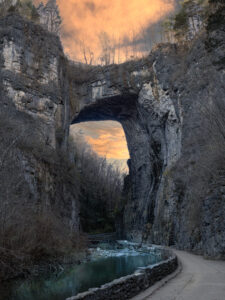
When planning, I make sure to leave space for spontaneity. A perfect USA road trip isn’t one where every mile is scheduled. It’s one that leaves room for the unexpected — a diner that smells like fresh pie, a viewpoint that catches the sunrise just right, or a dirt road that disappears into the desert and begs to be followed. (If you’ve read my Monument Valley post, you already know I can’t resist a road like that.)
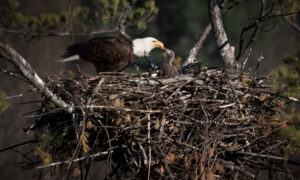
For each route, I also plan photography opportunities around golden hours, weather patterns, and regional wildlife activity. If I’m heading into eagle country or along a coast known for reflections, I’ll note those in my itinerary — because the best images often come from knowing not just where to go, but when to be there.
Creating an Itinerary and Balancing Drive Days with Exploration Days
The secret to a successful road trip isn’t how many miles you cover — it’s how much you see along the way. Early in my travels, I made the mistake of cramming too much into one route. I’d drive eight hours a day just to “get there,” only to realize I’d passed a dozen places worth stopping. These days, I build my itineraries with breathing room, knowing that every unplanned pause might turn into a story or a photograph.
When I plan a 2–4 week loop, I start by identifying anchor destinations — the must-see places like Grand Teton National Park, Monument Valley, or Roosevelt State Park and the Little White House. Then, I work backward to fill the gaps with the roads that connect them — scenic highways, small towns, or lesser-known parks that make the drive itself part of the experience.
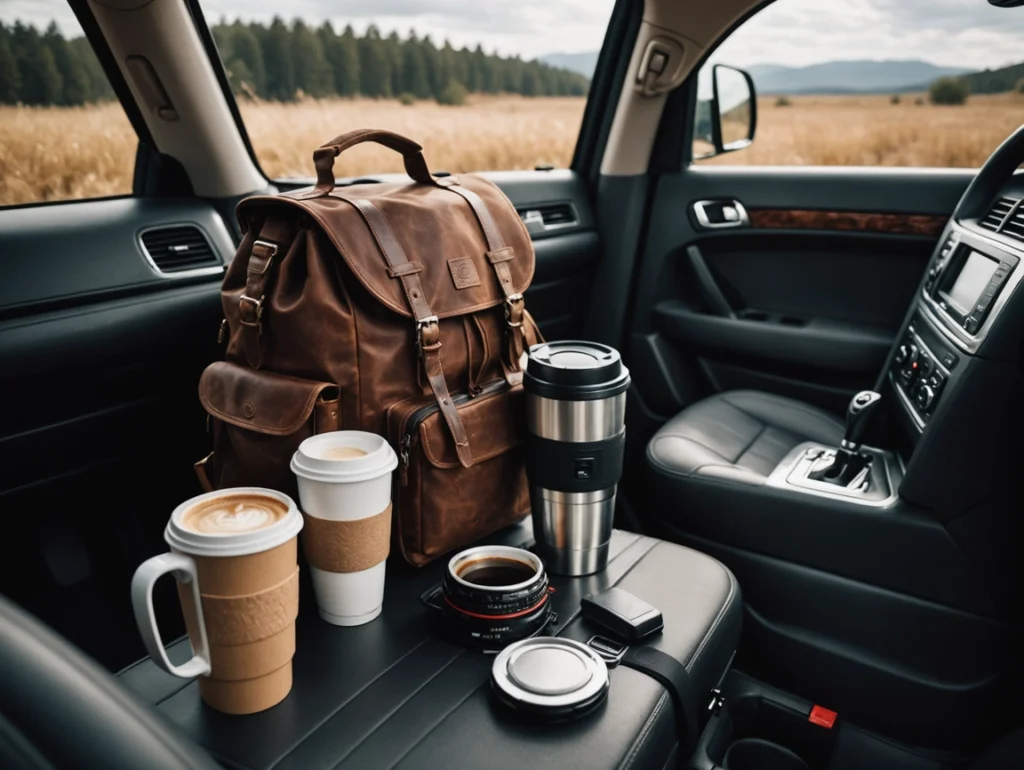
Find Your Rhythm
I follow a rhythm that alternates long drive days with slower exploration days. A good rule of thumb: no more than one “big push” day between every two days of photography and exploration. That balance keeps the journey creative, not exhausting. On slower days, I plan for golden-hour shoots or wildlife scouting, much like in my post Wildlife Encounters on America’s Back Roads, where the best moments came when I lingered instead of rushing to the next stop.
For me, it’s all about pacing. A three-hour drive in the morning, time to explore a local trail or town in the afternoon, and sunset photos to close the day. Evenings are reserved for reviewing images, jotting down notes for future posts, or simply watching the light fade — what I like to call “editing with a view.”
And no matter how carefully I plan, I always leave space for serendipity. If a park ranger tells me about a hidden overlook, or I see a sign for a scenic loop that wasn’t on my list, I take it. Those unplanned turns have led to some of my most memorable shots — and some of the best stories to share later.
Photography Preparation and Gear Strategy for the Road
Before any major road trip, I treat my camera gear the same way I treat the car — it gets a full check-up. Batteries charged, lenses cleaned, and memory cards formatted. Packing for photography on the road is a balancing act between being prepared and not overpacking. I’ve learned (the hard way) that carrying every lens I own just means more time deciding what to use and less time capturing the moment.
My Travel Camera System
These days, I travel with two main systems: my Leica Q3, which is compact and ideal for quick roadside stops or low-light town scenes, and my Fujifilm X-T5 with a carefully chosen set of lenses. The XF 16-80mm stays on most of the time for flexibility, while the XF 70-300mm with a 1.4x teleconverter is my go-to for wildlife and distant landscapes. For portraits or street scenes in small towns, I pack my 35mm f/1.4 — that lens has a way of seeing light that feels personal and cinematic. You can see all my Fuji lenses in Best Travel Lenses for Fuji X-T5. I recently changed to the Leica Q3 43 mm. You can read my full review here: Leica Q3 (43mm) Review: Why This Version Fits My Travel Photography Even Better.
Before leaving, I pre-load my cards with camera settings and film simulations that fit the mood of the trip. For instance, when I wrote Mastering Composition on the Road, I talked about using color profiles intentionally — softer tones for quiet towns, richer ones for canyon sunsets. I’ll also plan a few creative themes in advance: reflections, leading lines, or storytelling details like old bridges and rural diners that add a sense of place.
Organize Your Gear
Organization is key. I use Oberwerth leather bags for both cameras — they protect gear while keeping it accessible — and label my SD cards for each day of the trip. I also back up files to an external SSD every night. Nothing ends a perfect day faster than a corrupted card and no backup.
Finally, I leave room for the unexpected. If I come across an early morning fog or a passing herd of elk, I want to be ready in seconds — not digging through gear. That’s why my favorite setup is always within arm’s reach on the passenger seat, ready to capture whatever unfolds around the next bend.
I also cover my favorite travel-tested camera bags in Choosing the Right Camera Bag for the Road, which helps keep gear accessible and safe mile after mile. To see how I travel light, see Packing: One-Lens Travel — How to Simplify Your Photography and See More.
Photographing Along the Journey – Capturing Stories from the Road
Once I’m on the road, my camera becomes more than a tool — it’s how I experience the journey. Every stop, every glance through the viewfinder, helps me slow down and see a place rather than just pass through it.
I plan my shooting days around light and rhythm. Mornings are for quiet landscapes and wildlife — those soft hues and long shadows are ideal for subjects like the moose and elk I photographed in Yellowstone and Grand Teton. Midday light, though harsher, is perfect for texture: weathered barns, café signs, or dusty roads that tell stories of small-town life. Late afternoon brings my favorite moments — that golden stretch when the light feels alive.
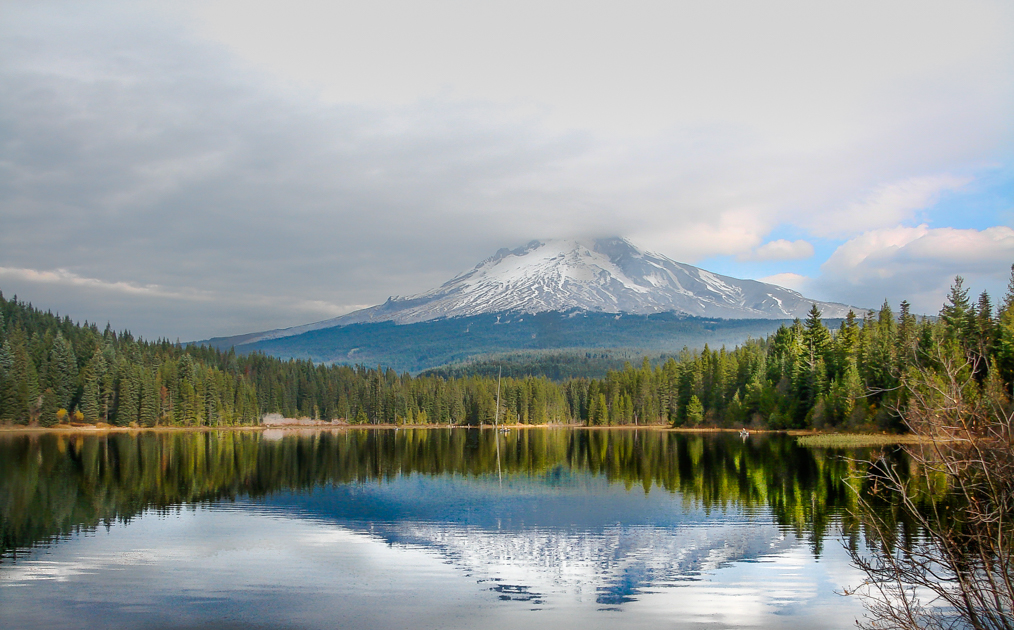
As I drive, I keep my eyes open for compositions that speak to movement — the curve of a road, the rhythm of fence posts, or reflections in a roadside puddle after rain. In my post Using Reflection in Travel Photography, I talk about how reflections can create quiet poetry in an image — a way of showing both the scene and the feeling it evokes.
Storytelling
Storytelling is about connection. In Respecting Local Communities on the Road, I wrote about meeting locals and understanding their perspective before lifting the camera. That same respect carries into my photography. I never photograph from a distance without first taking a moment to connect — whether it’s sharing a story, buying a slice of pie, or simply offering a smile.
I also try to photograph not just the landmarks but the in-between moments — the roadside wildflowers, the long shadows across the dashboard, or my husband checking the map while I photograph from the passenger seat. Those details, stitched together, tell the story of the road far better than any single postcard-perfect view.
When I review my images at night, I look for a balance between the grand and the intimate — sweeping landscapes paired with quiet details. That contrast is what gives a road trip story its soul.
Tips for Staying Inspired and Flexible on the Road
1. Embrace the Unexpected
Even the best-planned road trips have detours. A storm rolls in, a park closes early, or that perfect sunrise shoot turns into fog and drizzle. Over the years, I’ve learned that flexibility isn’t just part of travel — it’s part of creativity. Some of my favorite images came from the moments I didn’t plan.
2. Find Inspiration in the Everyday
When the weather shifts, I adapt my vision instead of packing up the camera. Overcast skies might hide a sunset, but they make for beautiful reflection photography on wet pavement or still water. Harsh midday light? Time for black-and-white studies or close-up textures that tell quieter stories. Inspiration also comes from slowing down — listening to local radio, chatting with park rangers, or stopping at roadside stands. Those small pauses often lead to the stories you’ll later find in posts like Wildlife Encounters on America’s Back Roads or Regional Back Roads and Byways Across America.
3. Keep a Creative Journal
I always keep a small notebook beside my camera bag. At the end of each day, I jot down a color, a sound, or a fleeting moment. Those notes often become the emotional thread in future essays. And most importantly, not every photo has to be perfect. In Travel and Photography Tips: Balancing the Journey, I wrote about putting the camera down and simply watching the light fade — because those pauses between shots are what keep me grounded and inspired.
Pro Tips & Resources for Planning and Photographing the Perfect USA Road Trip
After years of chasing light and stories along America’s back roads, I’ve learned that a few small habits make the biggest difference. Whether you’re setting out for a weekend getaway or a month-long loop like our 30-Day USA Road Trip, these tips and tools will help you travel smarter, photograph more intentionally, and enjoy every mile.
1. Start with a Theme
Build your trip around a focus — maybe it’s National and State Park Drives, historic small towns, or a mix of scenic routes and wildlife photography. A theme keeps your route cohesive and gives your photos a story arc.
2. Use Reliable Planning Tools
Pair digital tools with old-fashioned maps. I rely on GuideAlong, an audio tour app that shares local stories and insights as you drive — it’s like having a friendly co-pilot who knows every hidden viewpoint. It helps to plan routes around narration stops, scenic pull-offs, and photo opportunities I might otherwise miss.
I also use Google My Maps for plotting overall loops and local tourism sites for current park and road updates. For offbeat finds, apps like Roadtrippers or AllTrails help uncover short hikes and hidden overlooks along the way.

3. Keep Gear Simple and Accessible
Choose gear you know and trust. My go-to combo — the Leica Q3 for quick shots and Fujifilm X-T5 for flexibility — covers nearly everything. Pack lenses that tell the story of the region: wide for landscapes, telephoto for wildlife, and a fast prime for small-town charm. I store everything in Oberwerth leather bags for quick access and use my Peak Design wrist straps when shooting on the go.
4. Back Up and Stay Organized
Bring more memory cards than you think you’ll need. I label each card by date, back up nightly to an SSD, and store full cards separately. It’s simple, but it’s saved me more than once when a laptop hiccuped mid-trip.
5. Balance Photography with Presence
It’s easy to get caught up in chasing the perfect shot, but don’t forget to simply be in the moment. In posts like Travel and Photography Tips: Balancing the Journey, I talk about how the best images come when you’ve first experienced a place without the camera to your eye.
6. Plan for Weather and Light
Research sunrise and sunset times, but be flexible. Some of the best lighting happens right after a storm or during unexpected fog. Keep a small towel handy for wet lenses, and a microfiber cloth for desert dust. The weather was totally unpredictable in Fairbanks, Alaska and being prepared helped a lot.
7. Respect the Land and the Locals
As I wrote in Respecting Local Communities on the Road, every town and trail deserves courtesy. Obey private property signs, don’t reveal sensitive wildlife locations, and leave every place better than you found it.
8. Keep a Running Storyboard
At the end of each day, jot quick notes or voice memos. These become the narrative threads that bring your future blog posts — like Wildlife Encounters on America’s Back Roads or Regional Back Roads and Byways Across America — to life.
Wrap-Up – The Road Never Really Ends
Every road trip I take reminds me that photography and travel share the same heartbeat — curiosity. Whether it’s a long stretch through the desert, a misty mountain pass, or a backroad leading to a town no one’s heard of, the joy comes from noticing what others might overlook.
Planning and photographing the perfect USA road trip isn’t about perfection at all. It’s about being open — to light, to people, to detours, and to stories that unfold mile by mile. Every photograph becomes part of a bigger narrative, one that connects landscapes and memories across the country’s back roads.
As I scroll through my travel archives, I realize it’s never just about where I went, but what I found along the way — quiet reflection at a canyon overlook, a friendly conversation in a diner, or a glimpse of wildlife at dusk. Those are the moments that define the journey. On Oʻahu, Green World Coffee Farm became that perfect quiet reflection I needed in a busy day.
So, pack your curiosity, charge your batteries, and set out to write your own story across the map. The next photograph might be waiting just around the bend.
Join the Back Roads Lens Newsletter
Love the open road, photography tips, and hidden travel gems?
Subscribe to the Back Roads Lens newsletter for free photography guides, behind-the-scenes stories, and exclusive planning tools.
🌎 Explore More from the Road
If this post inspired you to plan your own journey, you might also enjoy these connected guides and stories:
- 30-Day USA Road Trip: A Journey Across America’s Back Roads – The adventure that started it all.
- Regional Back Roads and Byways Across America – My favorite scenic routes through each region.
- National and State Park Drives – Where protected lands meet the open road.
- Travel and Photography Tips: Balancing the Journey – How to stay creative without losing the joy of travel.
- Wildlife Encounters on America’s Back Roads – Lessons and moments from the wilder side of the highway.
- Respecting Local Communities on the Road – Traveling responsibly, one small town at a time.
- Prime vs. Zooms: Finding the Right Lens for the Way You Travel. – read how i use prime lenses and zoom lenses on the road.
- The Grand Canyon: A Journey Through Time and Light – a highlight trip for everyone