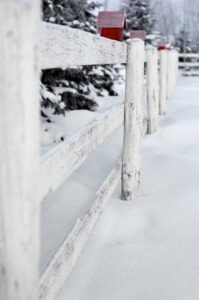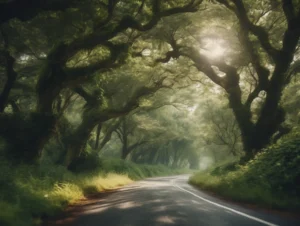
Introduction – Seeing the World Twice
There’s something magical about seeing the world mirrored back at you. A reflection adds depth, emotion, and a quiet poetry to a photograph. It takes an ordinary scene — a mountain lake, a wet city street, a car window at sunset — and turns it into something layered and dreamlike. When I travel, I often pause at water’s edge or near a rain puddle just to see what’s revealed in that second, softer version of reality.
Reflections remind me to slow down and look twice. The first glance captures what’s in front of me. The second shows what’s hidden — the way clouds drift over a calm pond or how city lights shimmer across wet pavement. Those mirrored moments feel fleeting, yet they hold a stillness that photography preserves long after the moment passes.
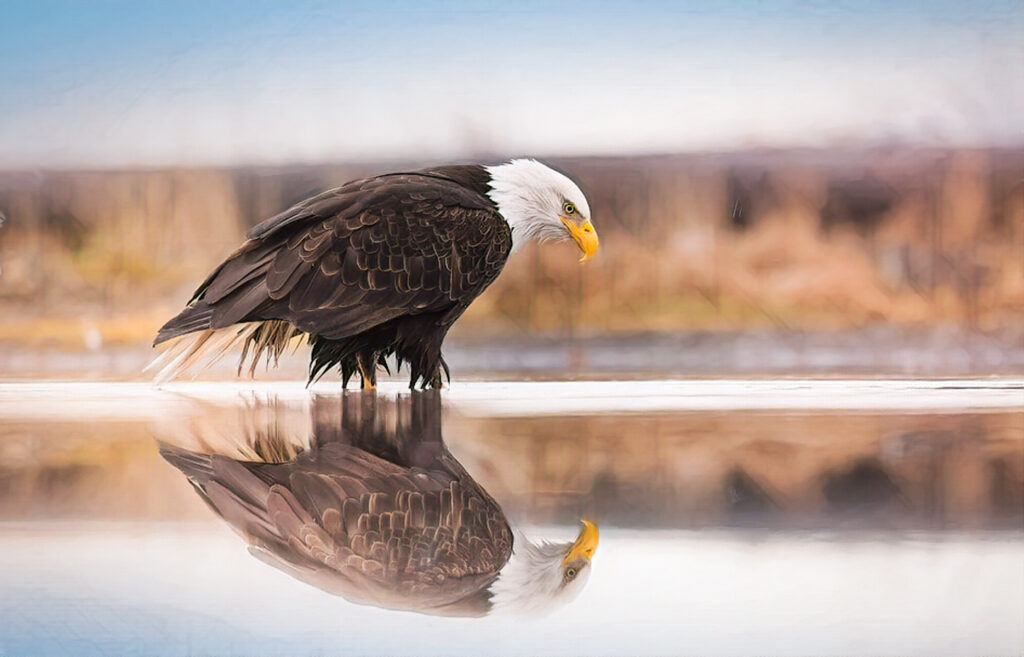
Many of my favorite travel photographs have come from embracing that quiet moment of symmetry. From Mount Hood reflected in a glassy alpine lake to the quiet ripple of a bald eagle mirrored in the river near my home, reflections have taught me that beauty often waits in the places we almost overlook.
Natural Reflections – Lakes, Rivers, and Puddles After Rain
The Calm After the Storm
Nature has a way of offering up mirrors when you least expect them. A calm lake at sunrise, a winding river after a storm, even a puddle beside a trail can hold entire worlds if you take the time to look. Some of the most peaceful moments I’ve had on the road came from standing still — camera ready — waiting for the water to settle and the scene to reveal itself.
Mountains That Appear Twice
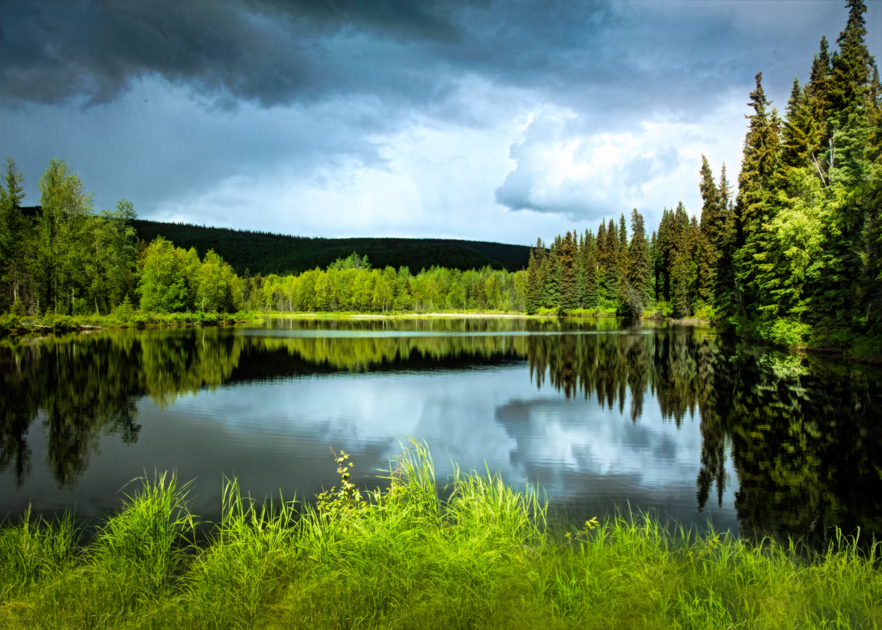
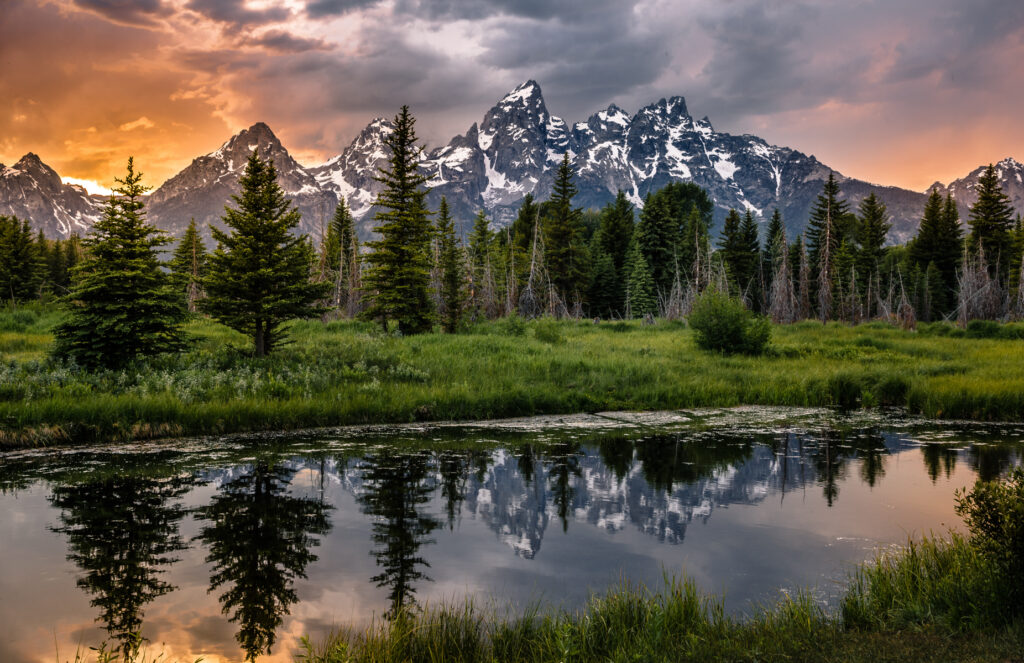
Mountain reflections are some of my favorites. In places like Grand Teton National Park or Mount Hood, still water turns rugged peaks into perfect, upside-down portraits. I often arrive early, before the breeze begins, because that’s when the reflections are sharpest. Once the wind ripples the surface, the mountain softens into an impressionist painting — still beautiful, just in a different way.

Small Wonders in Unexpected Places
Not every reflection needs a grand backdrop. Sometimes a shallow puddle after rain offers a more intimate scene — clouds drifting above, or the flash of color from autumn leaves floating on the surface. These smaller reflections invite you to slow down, crouch low, and notice the little details that most people walk right past.
Patience in the Stillness
For me, reflection shots aren’t just about symmetry — they’re about patience. Waiting for light, stillness, and timing. Whether I’m watching morning mist lift from a river or catching the faint shimmer of an eagle’s reflection in the shallows before it takes flight, it’s a reminder that nature reveals her best moments to those willing to wait quietly.
Urban Reflections – Windows, Chrome, and Street Scenes
Finding Beauty in the City’s Glow
Reflections aren’t limited to wilderness or water. Cities, too, hold their own kind of mirror — one that glows with movement, light, and human energy. I love wandering downtown after a rainstorm when the streets are still slick. Neon signs, headlights, and passing umbrellas ripple in puddles, turning an ordinary crosswalk into a living watercolor.
Architecture in Conversation
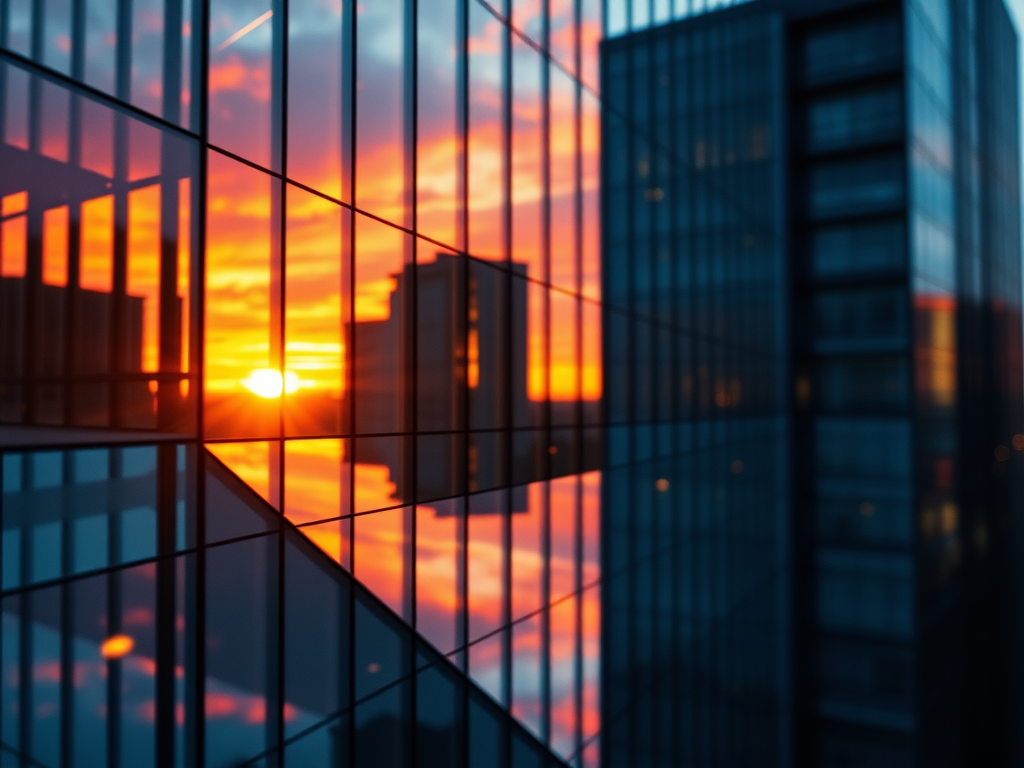
Glass buildings offer another world of possibilities. Their surfaces shift with the weather — bright and crisp one moment, soft and diffused the next. I often find that urban reflections tell quiet stories about contrast: nature framed inside concrete, or an old brick building caught in the mirrored face of a new high-rise. The reflection becomes a dialogue between past and present.
Unexpected Surfaces
Sometimes, the most striking reflections come from unexpected places — the chrome of a parked motorcycle, the curve of a shop window, or the glass of a café where strangers’ faces mingle with the glow of streetlights. These moments remind me that photography isn’t always about looking outward; sometimes, it’s about what the world gives back when we pay attention.
Embracing Imperfection
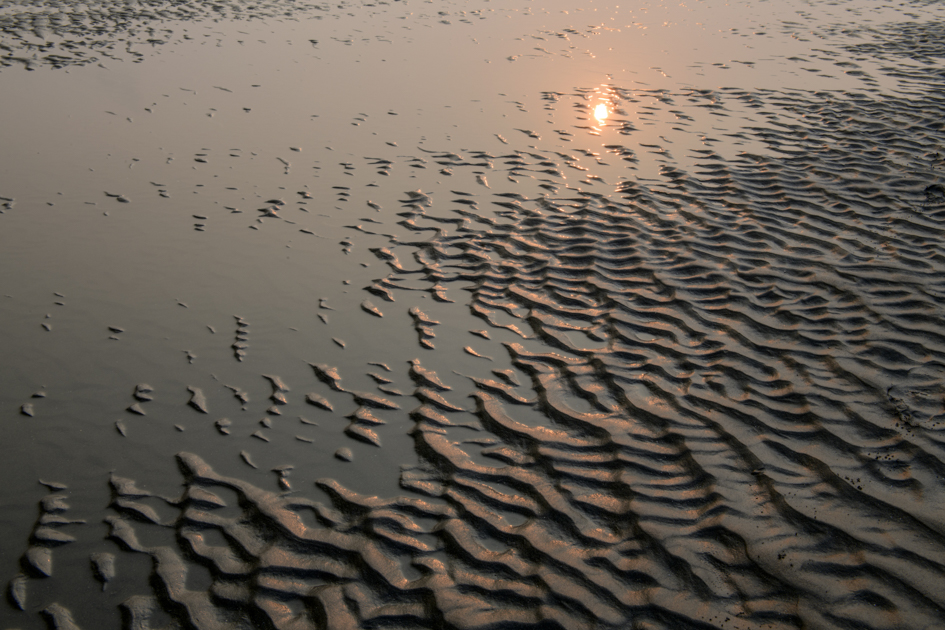
Urban reflections are spontaneous and unpredictable — a dance of light and motion that changes with every passing car or shifting cloud. They challenge you to see beauty in imperfection, to embrace the blur of rain and reflection as part of the story rather than something to edit away.
Emotional Reflection – Telling a Story Beyond the Mirror
More Than a Mirror
Reflections in photography aren’t only about what’s seen — they’re about what’s felt. A mirrored image can carry emotion in a way that’s subtle and deeply human. When I photograph a reflection, I’m often thinking less about the technical perfection of the shot and more about what it says.
When Light Meets Emotion
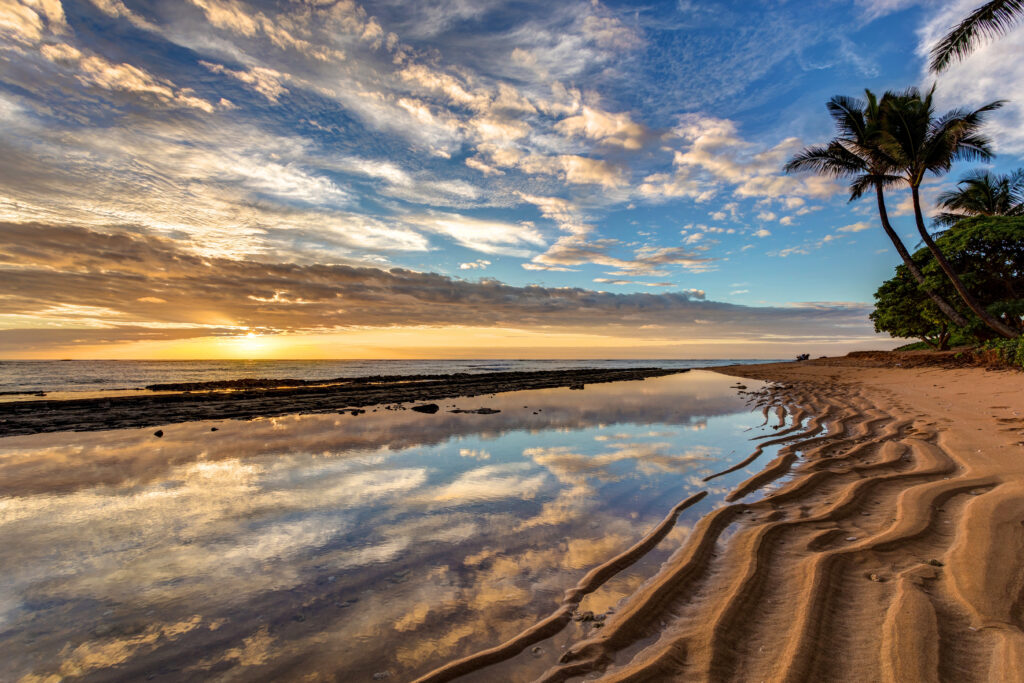
A mountain mirrored in still water might evoke calm and solitude. The reflection of a bald eagle poised above the river can feel like a moment of quiet strength. A sunset glowing in wet sand may whisper something more personal — the sense of standing at the edge of the day, watching time fold into itself. These are moments that hold memory and meaning beyond their surface beauty.
Looking Outward, Looking Inward
Reflections often mirror our own mindset while traveling. There’s a pause built into them — a moment to look inward as much as outward. On the road, when the pace slows and the light changes, I find myself reflecting on where I’ve been, what I’ve seen, and how each journey shapes the next. The camera becomes a way to record both the landscape and the emotion that lingers there.
Inviting the Viewer to Feel
When a reflection image works, it invites the viewer to linger. They see the world twice — once in reality and once through emotion. It’s that quiet duality that makes reflection photography so powerful, turning a simple scene into a story about light, patience, and perspective.
Technical Tips – How to Capture Clean, Balanced Reflections
Wait for Stillness
Reflections rely on patience. Whether it’s a lake, a puddle, or even the hood of a car, wait for the surface to settle. A single breeze can change the look of your frame — sometimes in good ways, but often at the cost of clarity. Early morning is often ideal; the air is calm, and the light is soft enough to reveal detail without harsh glare.
Use a Polarizing Filter — Carefully
A circular polarizer can help manage reflections, but it can also erase them completely if you’re not careful. I usually rotate the filter slowly until I find the balance I want — reducing surface glare while keeping the reflection visible. On days when the sky is rich with color, a polarizer helps deepen contrast and keep tones natural, especially over water.
Mind Your Angle
The angle you shoot from can make or break the image. Crouching lower often strengthens the reflection and adds symmetry. Shooting too high can make the mirrored surface look distorted or incomplete. If I’m photographing a scene like Mount Hood reflected in a lake, I’ll often move a few steps side to side to align the mountain’s peak with its reflection for perfect balance.
Expose for Highlights
Reflections can easily fool your camera’s meter. Bright sky mirrored in water can blow out detail, while darker areas lose texture. I often expose slightly for the highlights, making sure I don’t lose color in the brightest parts of the image. Later, it’s easier to lift shadows in editing than to recover blown-out whites.
Look Beyond Perfection
A technically clean reflection is beautiful, but don’t be afraid to break the rules. Ripples, rain, or a faint shimmer can turn a predictable shot into something more alive. Some of my favorite eagle photographs came when the water wasn’t perfectly smooth — the reflection wavered just enough to feel like motion frozen in time.
Beyond the Surface – Creativity in Framing and Editing
See the Story Within the Reflection
A reflection doesn’t just double your subject — it adds narrative. When framing a shot, I look for what the reflection adds to the story. Maybe it’s the symmetry of a mountain perfectly mirrored in still water, or the faint ripple that turns a straightforward scene into something abstract. Ask yourself: what does the reflection say that the scene alone does not?
Play With Composition
Don’t always center the horizon line. Placing it in the middle creates perfect symmetry, but shifting it slightly can add tension or a painterly feel. I often compose by instinct — sometimes including only half of the reflected subject to invite curiosity. Leading lines, like riverbanks or shorelines, can guide the viewer’s eye between the real and the mirrored worlds.
Use Editing to Enhance, Not Overpower
Reflections come alive in subtle adjustments. In Lightroom, I’ll gently raise clarity and contrast in the reflection to emphasize detail without over-sharpening. A touch of dehaze can bring out definition in water reflections, but I’m careful not to lose that soft, natural glow that gives them depth. For me, editing reflections is about balance — enhancing what’s already there, not creating something that never was.
Embrace Imperfection and Emotion
Some of the most powerful reflection images aren’t perfect — they’re emotional. The shimmer of an eagle’s wings breaking the surface of the water, or the blur of clouds rippling through a puddle, can feel more alive than a flawless mirror. When you allow movement, texture, and imperfection into your frame, the result feels more like a memory than a photograph.
Let the Reflection Guide You
Every reflection offers a different rhythm. Sometimes it’s calm and symmetrical; other times, it’s fleeting and wild. Let the light and the surface decide how you compose. When I stop overthinking and let the reflection lead, I often end up with my favorite images — the ones that surprise me, that whisper something new about a place I thought I already knew.
Explore More + Stay Inspired
If reflections teach us anything, it’s to look twice — once for the photograph, and once for the story beneath it. Every mirrored surface, from a quiet lake to a rain-soaked street, holds a chance to see the world differently.
Here are a few posts that pair beautifully with this one and will help you continue exploring both sides of your craft — the technical and the emotional.
🌄 Explore More
- Mastering Composition on the Road – Learn how to balance elements, lead the viewer’s eye, and use symmetry (including reflections) for stronger storytelling.
- Photographing Eagles: Lessons from the Riverbank – A look behind the lens at patience, light, and timing while photographing wildlife reflections along the water.
- Understanding Wildlife Behavior Before You Photograph – Discover how observation and calm presence can help you anticipate moments like an eagle’s mirrored wings or a deer pausing near water.
- Mastering Light in Travel Photography– Dive deeper into how light transforms landscapes — from golden-hour reflections to after-storm glow.
- Mastering Shooting in Low Light – Learn to be an expert in low light photography
- Mastering Finding Creativity in the Everyday
Stay Inspired on the Road
If you enjoy posts like this, you’ll love my free newsletter — a monthly mix of travel stories, photography tips, and quiet moments from the back roads.
Love learning about photography? Explore the full Mastering Travel Photography series — where I share the techniques, tools, and mindset that shape every photo I take.
- Mastering Travel Photography: Tips and Tutorial for Capturing the Road Less Traveled
- Mastering the Art of Composition on the Road
- Mastering Light in Landscape Photography
- Mastering Storytelling on the Road
- Mastering RAW + JPEG Shooting on the Road
- Mastering Patience in Wildlife Photography
- Mastering Shooting in Low Light
- Mastering the Art of Wildlife Photography
- Mastering The Art of Mindful Photography
- Mastering the Histogram: A Simple Guide to Better Exposure
- Mastering Travel Photography for Beginners