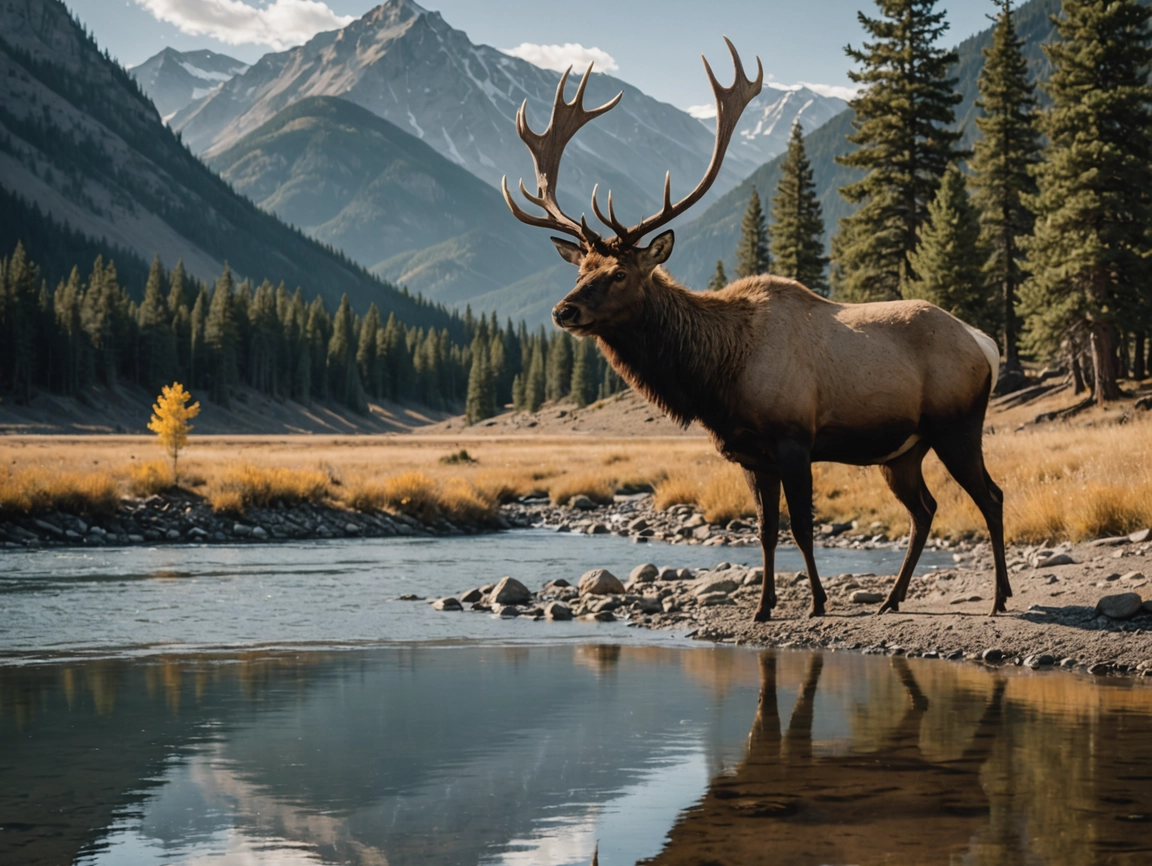
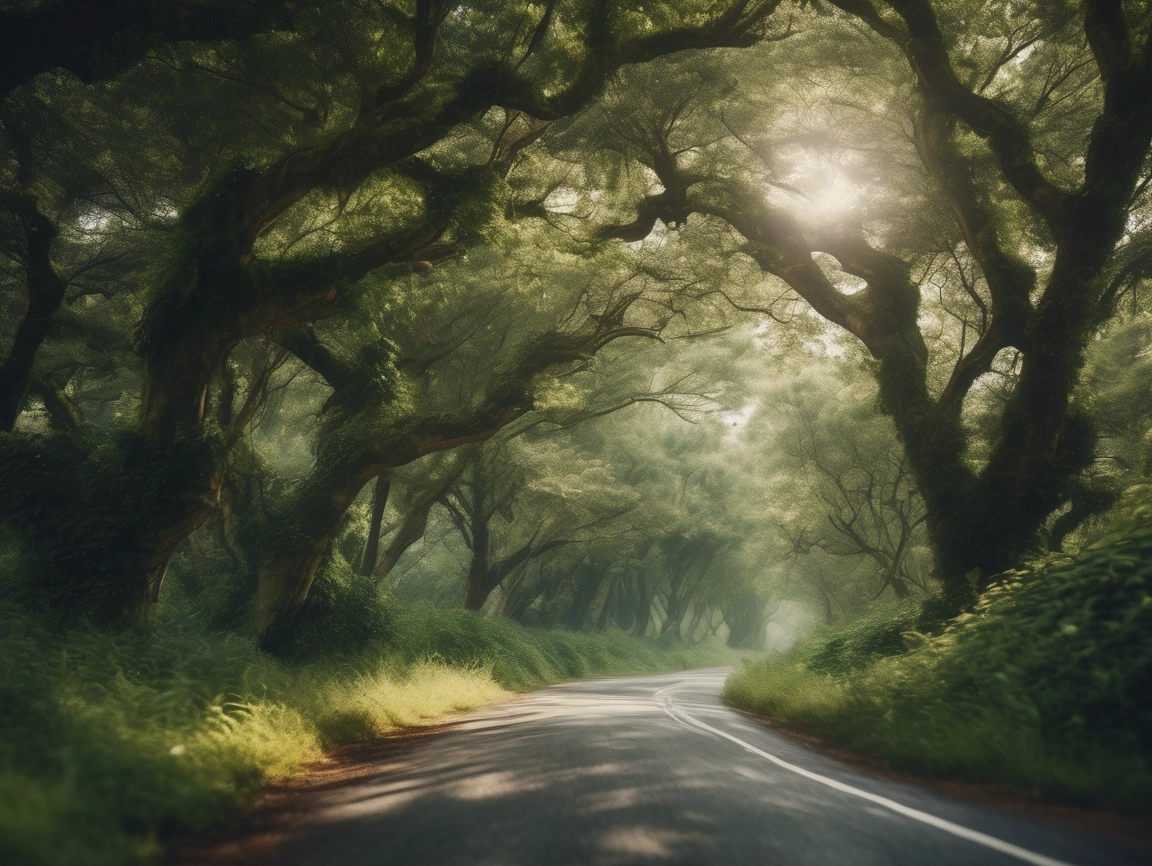
Encounters with wildlife often become the moments we remember most from our travels. From bald eagles soaring above quiet rivers to unexpected sightings along country roads, these experiences remind us how remarkable the natural world can be. These stories explore wildlife encounters, ethical photography practices, and the patience and respect required when photographing animals in their natural environment.
From moose in Yellowstone to eagles near my home in New York, every wildlife encounter reminds me that America’s back roads are alive with wonder. Travel slowly, photograph respectfully, and let the wild reveal itself along the way.
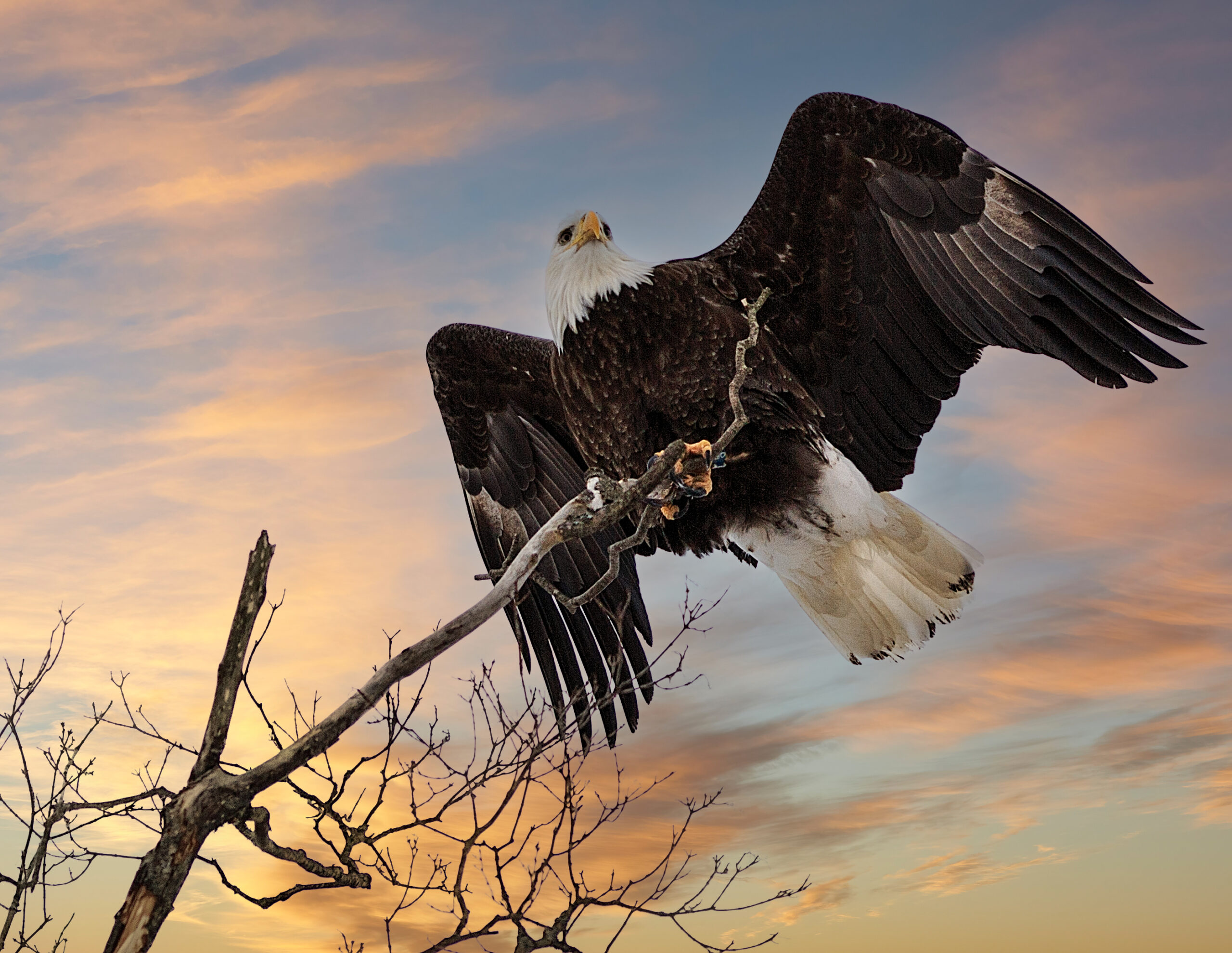
A quiet moment of strength — proof that the wild can appear when you least expect it.
Photographing bald eagles isn’t just about long lenses and fast shutter speeds — it’s about patience, respect, and connection. From watching nesting pairs raise their young to capturing flight over the river, these are the lessons I’ve learned from the riverbank.
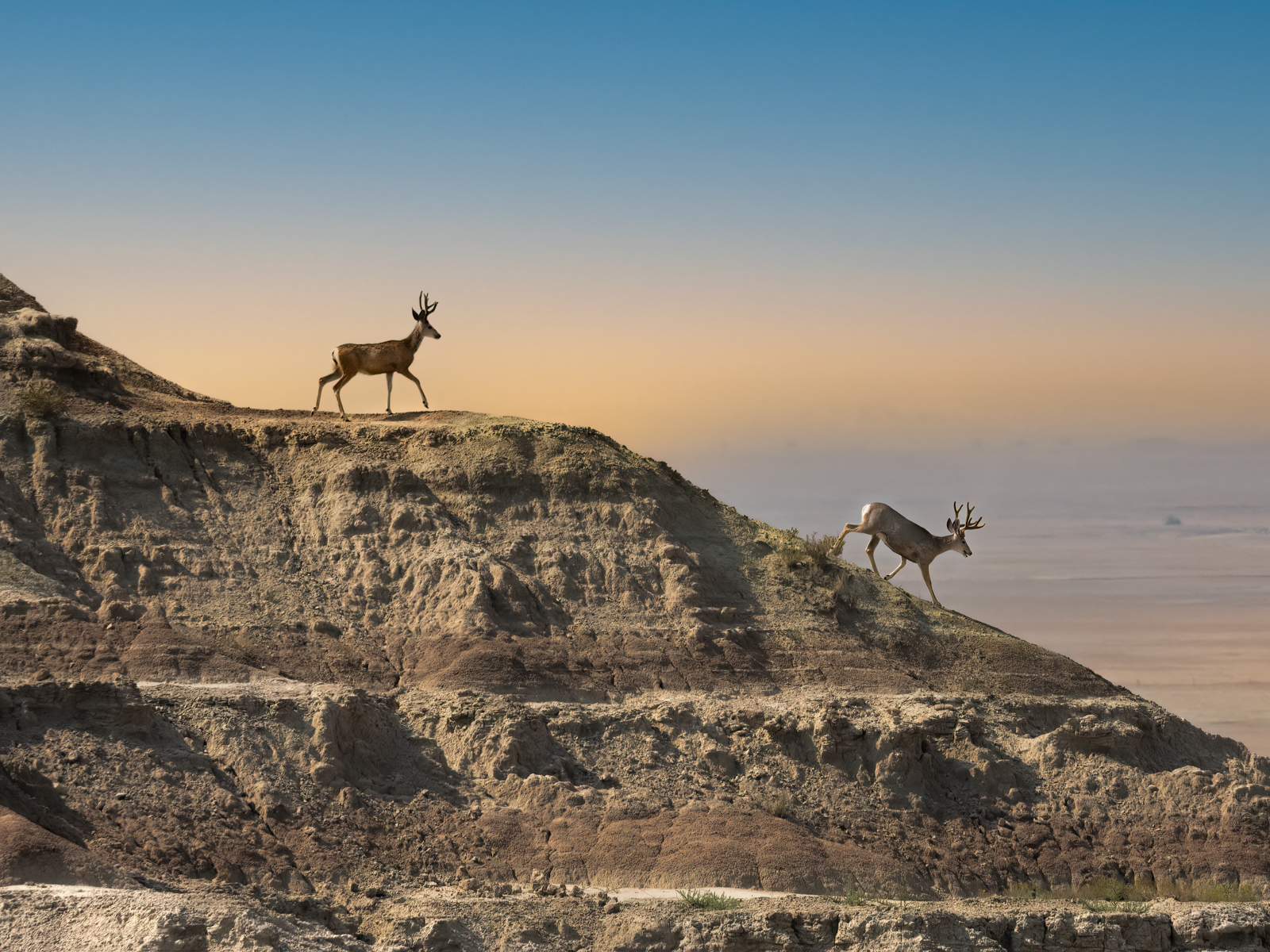
As the sun dips behind the jagged peaks of the Badlands, two mule deer quietly make their descent, blending wilderness and wonder.
Before you press the shutter, take time to understand what the wild is saying. This guide explores how reading animal behavior — from subtle cues to daily routines — transforms your photography and builds a deeper respect for nature.
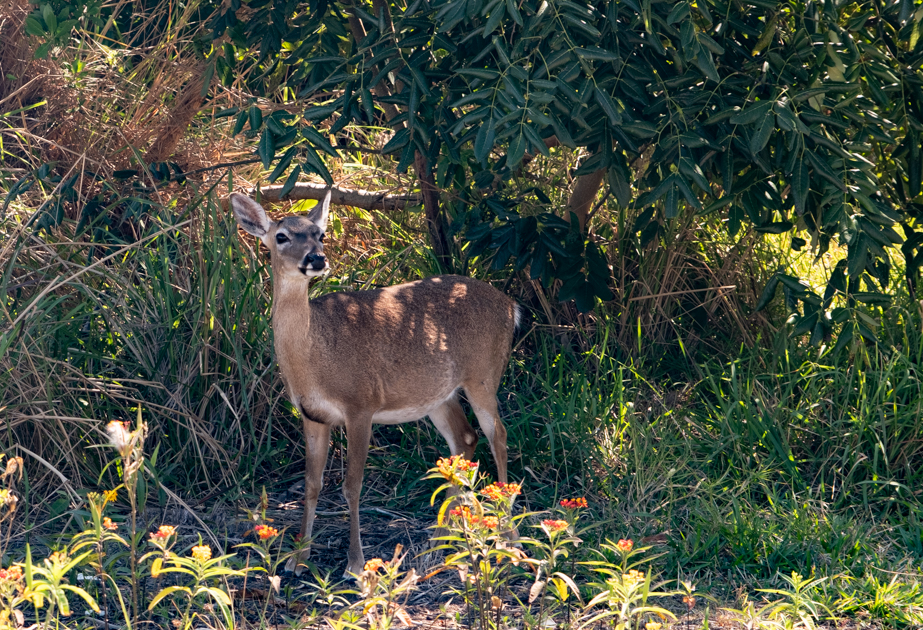
Smaller and more delicate than northern deer
Explore Big Pine Key by bike—quiet roads, Key deer encounters, a stop at No Name Pub, and a visit to Blue Hole. A scenic Florida Keys experience.
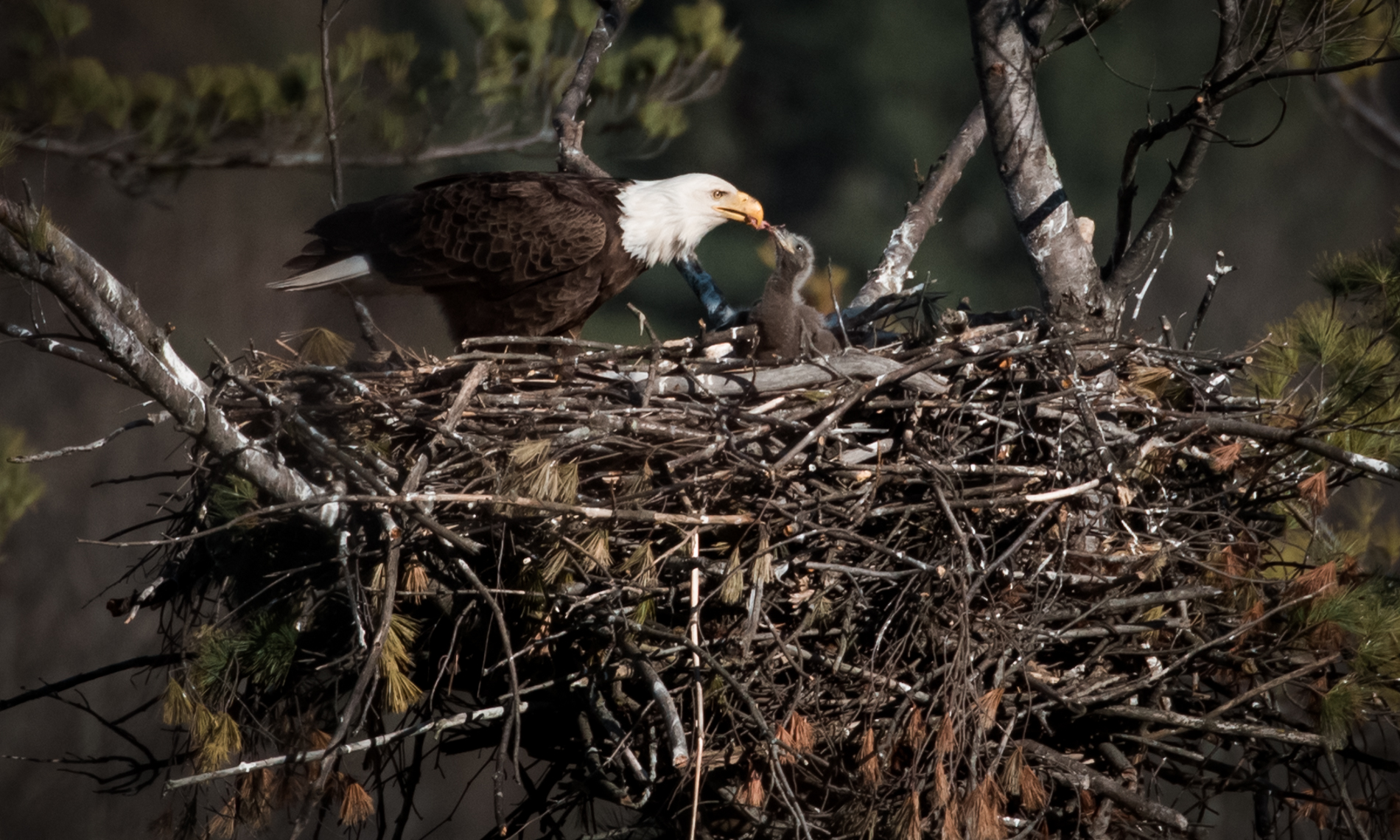
A rare glimpse of devotion — patience, care, and the rhythm of the wild.
Section 1 — When the Riverbank Starts to Wake Up Every spring, there’s a moment when my riverbank quietly shifts into a new season. The air feels a little softer.…
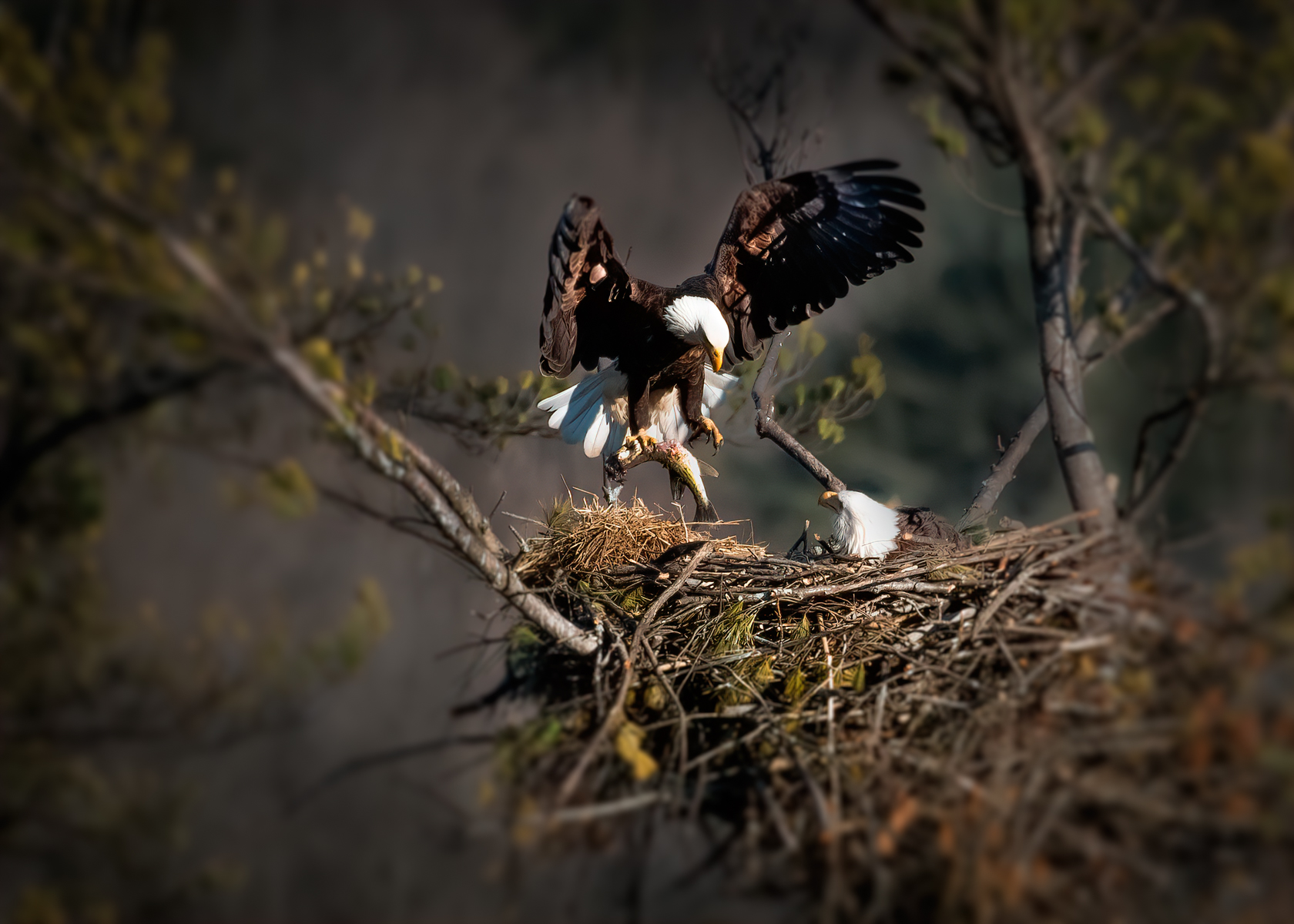
The moment of return — the river provides, and life continues.
Wildlife photography is as much about stillness as it is about skill. In this post, I explore the art of patience — from preparing for long waits in the field to understanding timing, light, and rhythm. Learn how slowing down helps you see more, shoot better, and connect deeply with the wild around you.
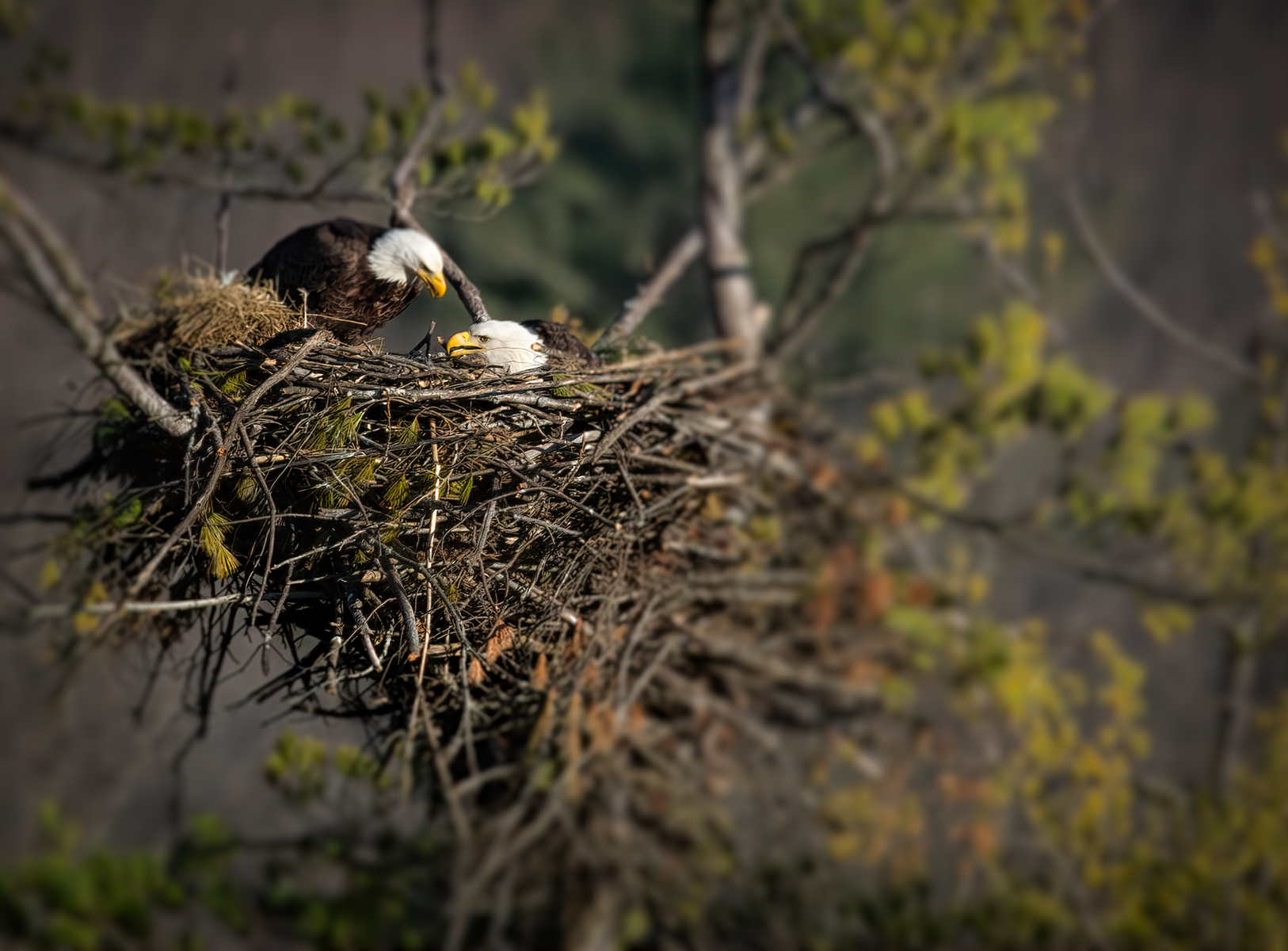
Side by side in the morning light — a quiet partnership in the treetops. The partnership incubates the eggs.
Wildlife photography is more than capturing beauty—it’s about responsibility. From knowing when to step back to choosing what to share, this guide explores how respect, restraint, and awareness lead to more authentic stories and stronger conservation values behind every photo.
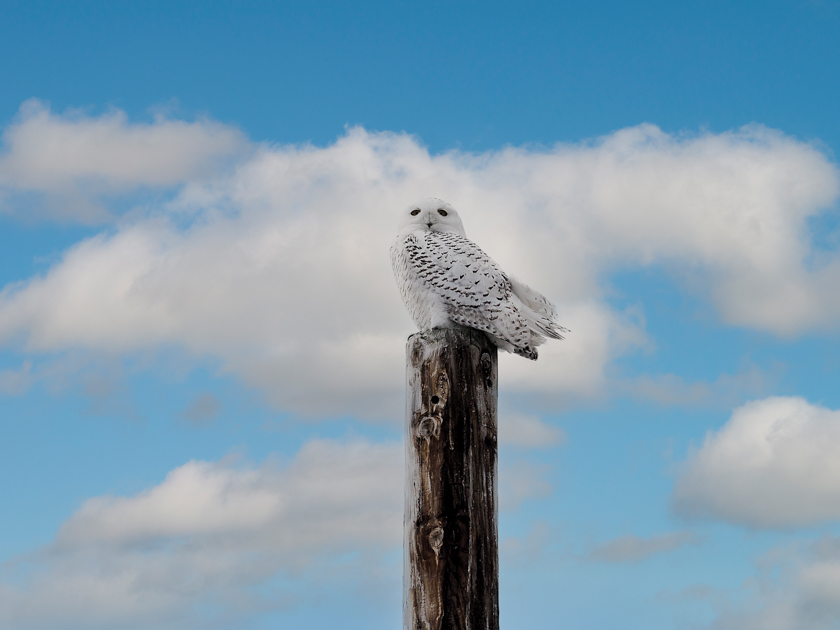
A snowy owl perched above an open field near an airfield, using the landscape to quietly scan for prey.
Snowy white owls are birds of the far north, but in recent winters they’ve appeared closer to home in upstate New York. This quiet encounter tells the story of seeing one for the first time — and why patience, distance, and ethical wildlife photography matter when rare visitors arrive unexpectedly.
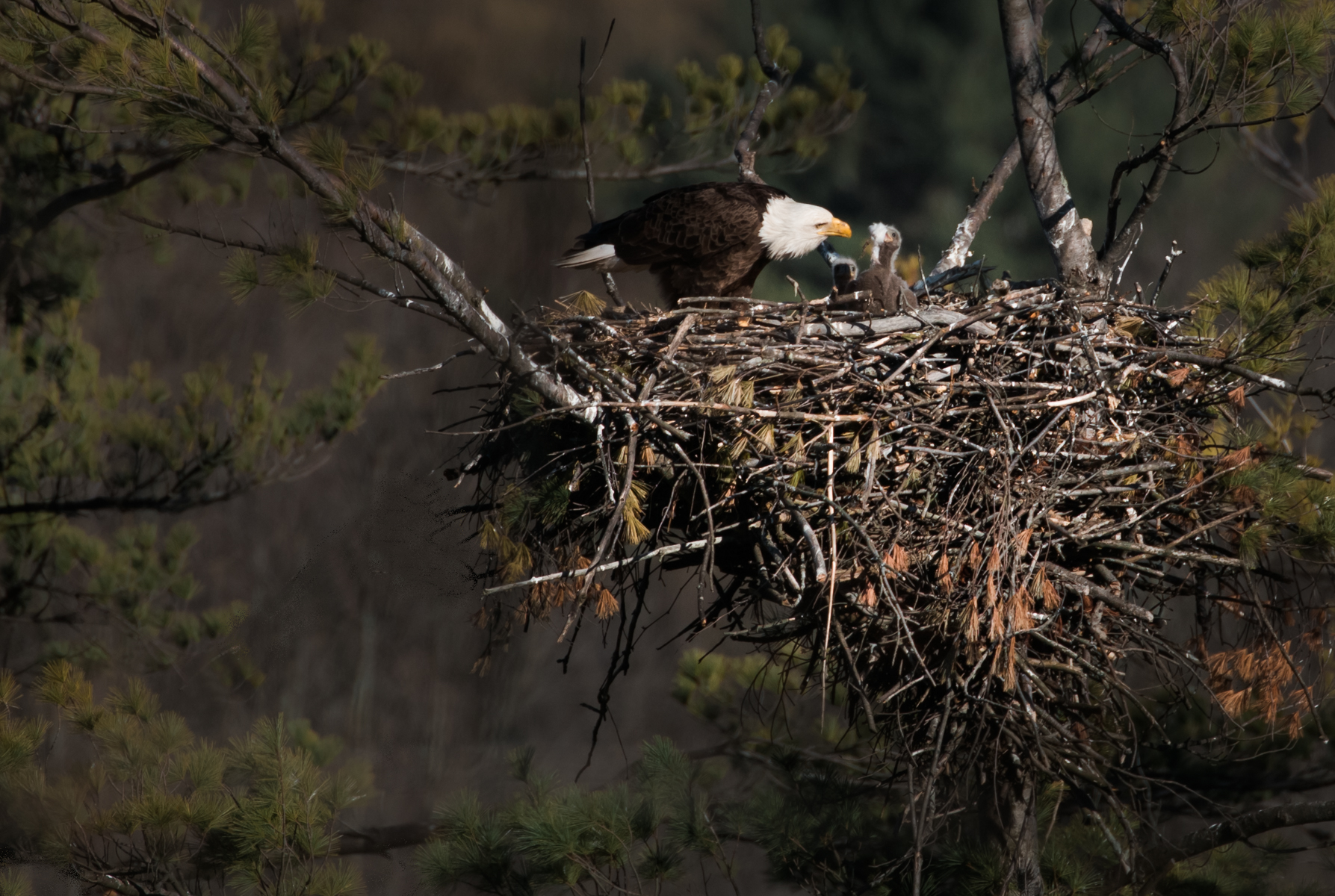
The eagle's nest that access to was shut down and posted no access by the DEC. Taken before it was shut down.
Wildlife photography isn’t about getting closer—it’s about learning when to wait, when to step back, and when not to photograph at all. This reflective guide explores ethical wildlife photography through patience, presence, and respect for the natural rhythm of the animals we photograph.
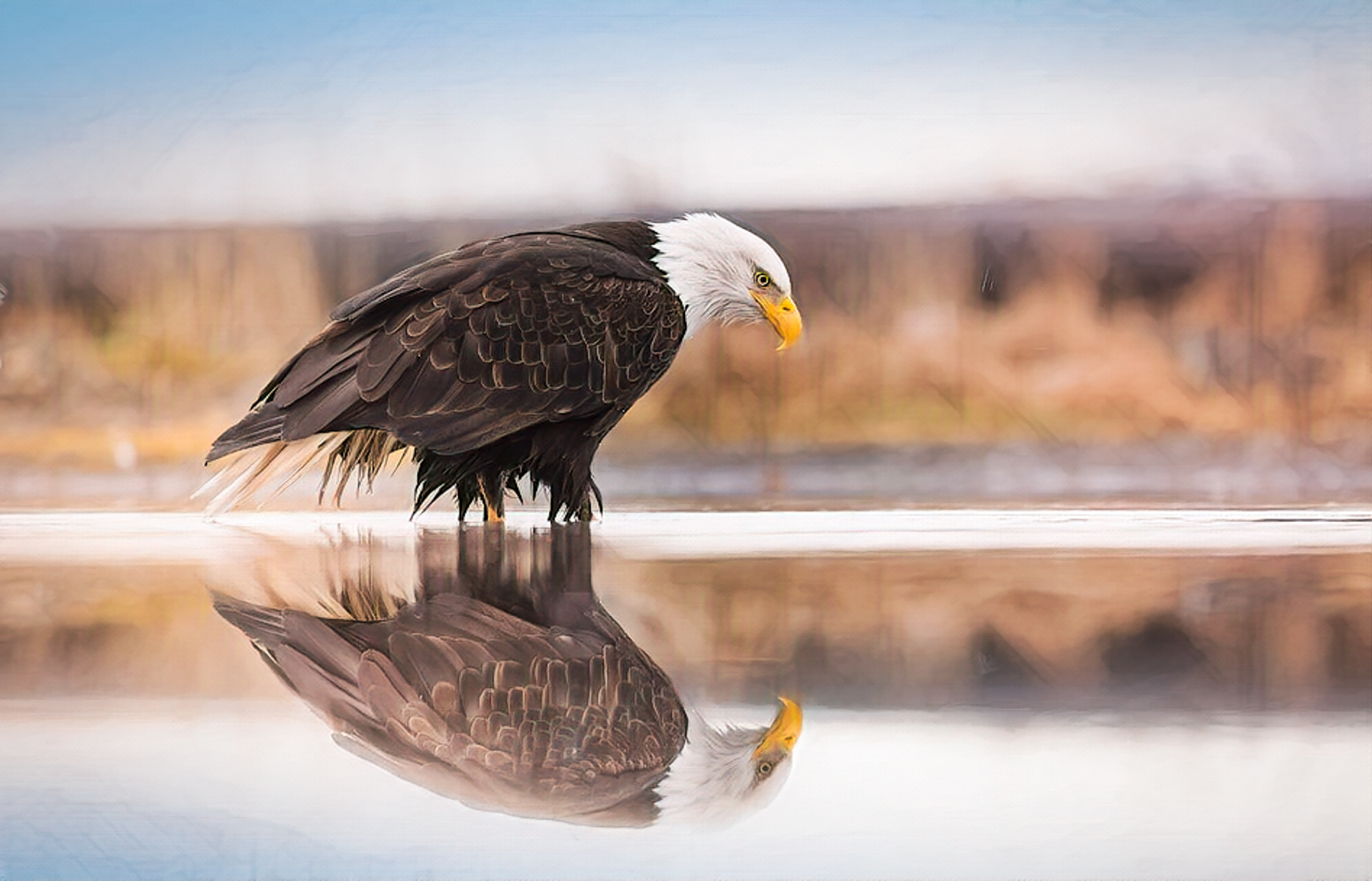
Evening reflections — stillness, symmetry, and a quiet reminder of what matters. This eagle reflection happened just like this. I was in the right place at the right time.
Sometimes, you don’t have to drive across the country to find a sense of wonder. The wild can exist right outside your back door — in a quiet marsh, a stand of pines, or a river bend you’ve passed a hundred times. In this post, I share how slowing down and exploring local places through my lens has redefined what “travel photography” means to me. It’s about rediscovering beauty close to home — one hidden trail, reflection, or bird’s call at a time.
A rare glimpse of devotion — patience, care, and the rhythm of the wild.
Wildlife photography is more than capturing animals—it’s about patience, respect, and connection. From gear choices and ethical field practices to photographing close to home or deep in Alaska’s backcountry, here’s how to tell nature’s story through your lens.
Looking for the best lenses for the Fuji X-T5? With a 40MP sensor, this camera deserves glass that can keep up. In this guide, I share my favorite travel-friendly Fujinon lenses—from the versatile 16-55mm f/2.8 to the fast 23mm f/1.4 for street photography, the 33mm f/1.4 for portraits, and the 16mm f/1.4 for sweeping landscapes. For wildlife and distant scenes, the 70-300mm paired with the 1.4x teleconverter delivers incredible reach without breaking your back. I also give a nod to the underrated 18-55mm kit lens, which is sharper than you think. Whether you’re capturing city streets, mountain peaks, or wildlife on the move, these lenses bring out the best in the X-T5 and keep your travel kit light, sharp, and ready for adventure.