The Quiet Before the Click
Wildlife photography isn’t just about the shutter click — it’s about understanding the story unfolding before you. The most powerful images come when you recognize what an animal is about to do before it happens. That instinct doesn’t come from your camera. It comes from time, observation, and respect.
This cornerstone, “Understanding Wildlife Behavior Before You Photograph,” builds on Mastering the Art of Wildlife Photography and Mastering The Art of Patience in Wildlife Photography. It explores how slowing down and truly watching your subjects transforms not only your images but also your connection to the natural world. See real life examples in Wildlife Encounters on America’s Back Roads.
When you take the time to observe before lifting the camera, you’ll capture moments that feel alive — authentic, unposed, and true to the wild. The reward is more than a photograph; it’s the privilege of being part of the scene rather than interrupting it.
“The wild doesn’t perform for the camera — it reveals itself to those who wait.”
Why Behavior Matters More Than Gear
The right gear helps you photograph wildlife — but understanding behavior lets you connect with it. A camera can only capture what you see; insight lets you predict what’s about to happen. Knowing when a bird is about to lift off, when a deer feels uneasy, or when a fox is hunting changes how you compose, when you press the shutter, and how close you should get.
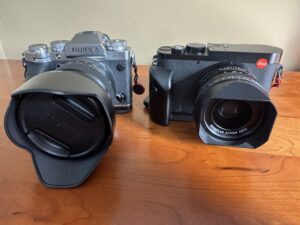
I love my Fuji and Leica setups for their responsiveness and image quality, but they’re no substitute for intuition. In Ethics and Respect for Wildlife, I wrote about maintaining distance and minimizing stress. Understanding behavior takes that concept further — it gives you the awareness to notice the subtle cues that tell you when to approach, when to wait, and when to quietly back away.
Every flick of an ear, every glance over a shoulder, every pause means something. Recognizing those signals turns you from an observer into a participant in the animal’s world — without ever crossing the line of intrusion.
Pro Tip: Spend as much time learning about your subjects as you do studying camera settings. Read local wildlife reports, naturalist blogs, or park ranger notes before heading into the field. A few hours of research can mean the difference between a random encounter and a remarkable moment.
Reading the Landscape Before You See the Animal
Every landscape tells its own story long before any animal appears. The forest has a rhythm, the prairie has a pulse, and the river carries whispers if you’re quiet enough to listen. Learning to read those signs is where wildlife photography truly begins.
A sudden silence can mean a predator has entered the area. The rising chatter of songbirds might signal movement through the trees. Ripples across still water often reveal more than the eye can see. When you start to notice the patterns, you’re no longer chasing moments — you’re anticipating them.
When I photograph bald eagles along my local river, I listen first. The gulls always announce their arrival before I spot a single wing. That habit — listening, waiting, and reading the scene — transformed the way I approach photography close to home. It’s a lesson I explore in Finding the Wild Close to Home: Photographing Bald Eagles Near My Backyard.
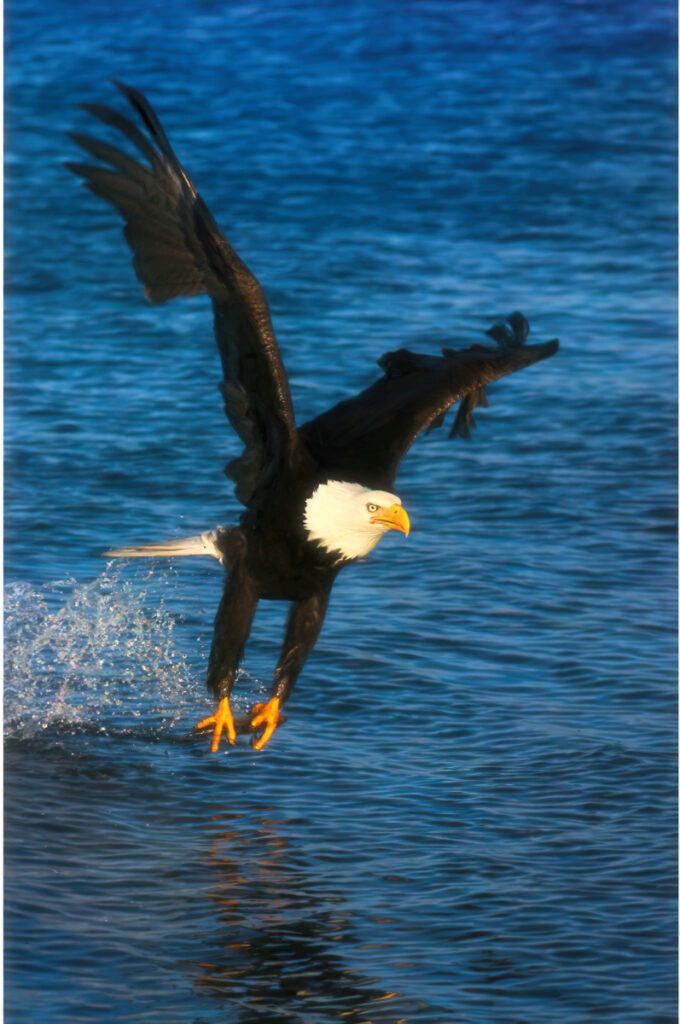
Look for landmarks animals return to — feeding grounds, water sources, perches, trails through grass. Understanding these routines allows you to position yourself quietly and respectfully. The most natural photographs come when wildlife forgets you’re there at all.
Field Note: Let your first observation be of the environment, not the subject. It teaches patience, sharpens intuition, and helps you become part of the setting instead of an intruder in it.
Body Language and Micro-Movements
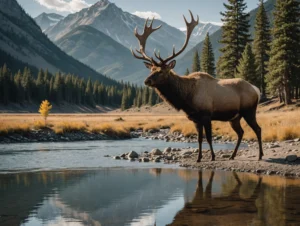
Every species has its own language — you just have to learn how to listen with your eyes. A heron lowers its head before striking. A fox’s tail twitches when it senses prey. An elk flicks its ears before bolting. These tiny signals reveal far more than a telephoto lens ever could.
When you pay attention to those details, you start predicting rather than reacting. In Mastering the Art of Composition on the Road, I talk about anticipating the scene rather than chasing it. The same principle applies here. Wildlife behavior follows rhythms — feeding, grooming, resting, and playing. Recognizing those patterns helps you know when to press the shutter and when to simply watch.
I learned this lesson firsthand while photographing eagles. One image that became a favorite of mine shows an eagle bowing its head as if in reverence. It wasn’t reverence at all — it was preening. A simple moment of maintenance turned into a powerful visual metaphor. That day reminded me that understanding comes before storytelling.
Pro Tip: Watch before you shoot. The more time you spend observing an animal’s body language, the better you’ll anticipate those perfect moments that feel effortless — even though they never are.
Respecting Boundaries and Stress Signals
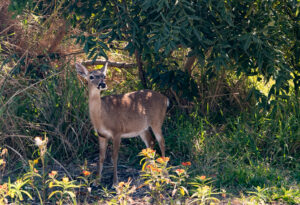
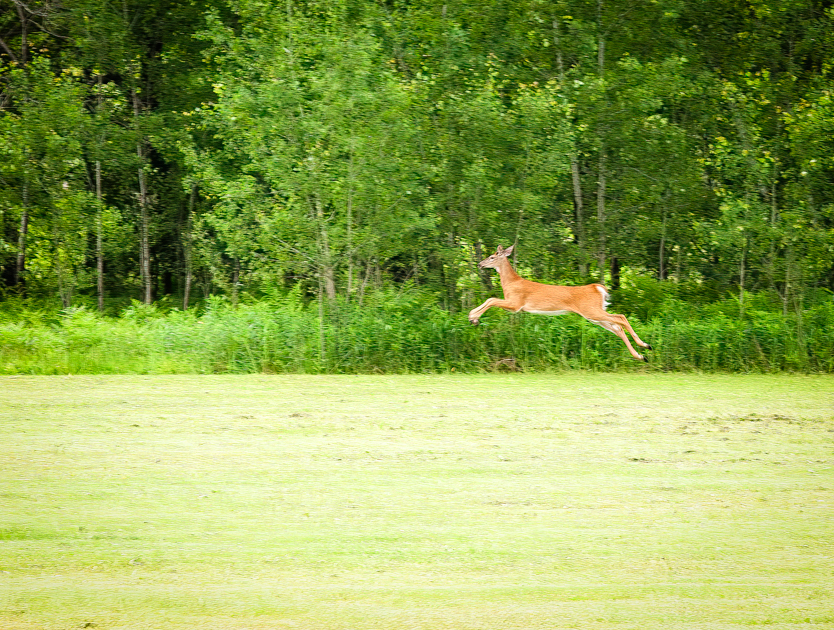
Every wild animal has a comfort zone — an invisible line that keeps both you and the animal safe. Step inside it, and behavior changes. Sometimes the signs are obvious: a deer freezes and stares, a bird takes flight, or a fox disappears into the brush. Other times they’re subtle — flattened ears, a flicking tail, or a sudden silence that settles over the woods.
Recognizing these stress signals is one of the greatest marks of a respectful photographer. When an animal changes its behavior because of your presence, that’s your cue to stop, step back, or leave altogether. No image is worth causing distress.
In Ethics and Respect for Wildlife, I wrote about how understanding boundaries protects both the subject and the experience. The same mindset applies here. Photography should never interrupt natural behavior — it should honor it. The best encounters happen when the animal forgets you’re there.
This concept mirrors what I’ve learned through travel, too. In Respecting Local Communities on the Road, I discussed how respect builds connection and trust. The same is true in nature — you’re entering their neighborhood. Move quietly, stay aware, and treat every encounter as a privilege.
Pro Tip: When in doubt, use the “rule of retreat.” If an animal reacts to you, take two slow steps back and wait. More often than not, it will relax — and that’s when natural behavior resumes.
Timing and Routine in the Wild
Wildlife has its own schedule, and understanding that rhythm is key to being in the right place at the right moment. Dawn and dusk aren’t just “golden hours” for light — they’re the hours when the wild world wakes up and settles down. These natural windows offer both the best light and the most activity.
In Mastering Travel Photography: Tips and Tutorials for Capturing the Road Less Traveled, I wrote about how light shapes mood. In wildlife photography, that same light shapes behavior. Birds feed with the sunrise, deer emerge from cover as shadows lengthen, and foxes prowl at twilight. Once you learn these cycles, you start to predict rather than hope.
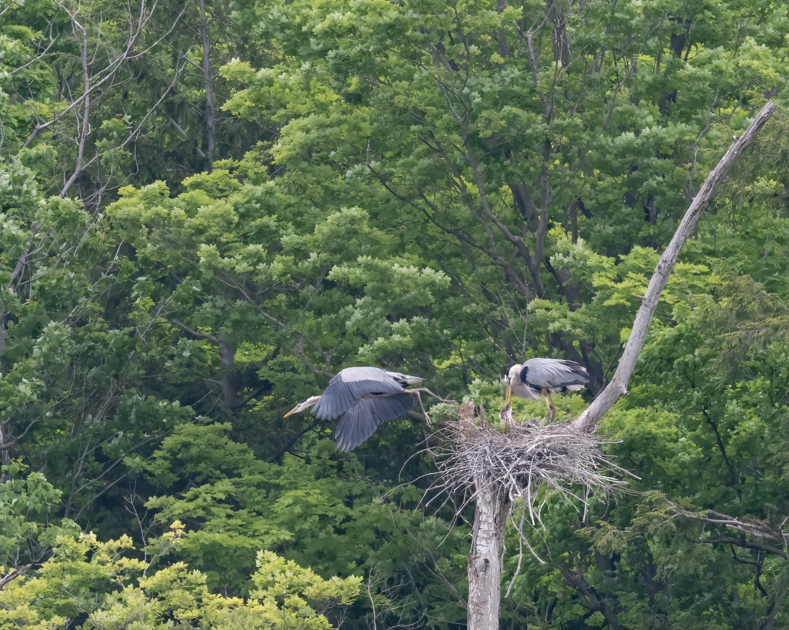
Every species also follows seasonal routines — migrations, nesting, breeding, molting. Knowing these patterns helps you plan ethically. For instance, photographing nesting birds from too close can cause parents to abandon their young. Awareness turns timing into respect. You can see more about this in The Heron Rookery: A Story of Patience, Renewal, and Respect.
Pro Tip: Keep a simple field journal. Note the time of day, weather, and what animals were doing. Over time, you’ll see patterns — and those observations become your best map for future encounters.
The more you understand the rhythm of the day and the pulse of the season, the more naturally your photography aligns with the wildlife itself. It’s not about chasing moments — it’s about being present when nature offers them.
Patience — The Bridge Between Observation and Action
Understanding wildlife behavior means learning to wait — really wait. The quiet stretches between moments are where you begin to see the natural world as it truly is. Every rustle, call, or pause tells a story, but only if you give it the time to unfold.
In The Art of Patience in Wildlife Photography, I shared how stillness isn’t wasted time — it’s where connection grows. When you wait, you fade into the background. The animals stop watching you and return to their routines. That’s when the most authentic images happen — when the wild forgets the observer.
Patience also teaches humility. Some days you’ll come home without a single shot, but those hours in quiet company with nature are never lost. They sharpen your instincts, improve your awareness, and remind you that photography isn’t about control — it’s about presence.
Field Note: The first hour of waiting feels long. The second feels peaceful. By the third, you realize you’re no longer waiting — you’re simply part of the scene.
Every moment you spend observing without pressing the shutter strengthens your understanding of behavior. It’s not about getting the shot; it’s about earning the moment.
From Observation to Storytelling
Every behavior tells a story if you’re paying attention. The way an eagle preens after a hunt, a fox pauses to listen beneath the snow, or a herd of elk shifts in perfect unison — these are small chapters in the larger book of the wild. Understanding them allows you to photograph not just what you see, but why it matters.
In Mastering Storytelling on the Road, I wrote about weaving emotion and meaning into each frame. Wildlife photography is no different. A well-timed image of an animal simply being itself — feeding, resting, caring for its young — carries more impact than any staged or startled moment ever could.
Observation turns into storytelling when you recognize the connection between behavior and feeling. It’s in the way light falls across a hawk’s wings as it lifts off, or the stillness before a deer steps from shadow to meadow. Those fleeting gestures reveal something universal — instinct, curiosity, resilience — that speaks across species.
Pro Tip: Tell the story honestly. Don’t assign human emotion where it doesn’t belong. Let the image reflect the moment as it was — quiet, powerful, and real.
When you photograph with understanding, your work shifts from documentation to empathy. You’re not just showing wildlife; you’re sharing their world in a way that invites respect and wonder.
Explore More
If you’re ready to take your wildlife photography further — with more awareness, patience, and purpose — these guides will help you build on what you’ve learned here:
- Mastering the Art of Wildlife Photography
The foundation for understanding light, composition, and mindset in the field. Learn how to blend technical skill with quiet observation. - Ethics and Respect for Wildlife
A deeper look at photographing responsibly — how to approach, observe, and leave every encounter as you found it. - Finding the Wild Close to Home: Photographing Bald Eagles Near My Backyard
Discover how understanding behavior begins right where you live. My story of patience, missteps, and small victories along a local river. - Travel and Photography Tips: Balancing the Journey
Explore how to blend travel, photography, and storytelling while keeping respect at the heart of your journey. - The Art of Patience in Wildlife Photography
Learn how slowing down creates space for the wild to reveal itself — and how the best images come to those who wait. - Mastering Shooting in Low Light -Learn how to shoot wildlife in low light.
- Seasons of Eaglets – See eaglets in the nest and read about their early life.
- Bald Eagle Lifecycle – Read about the lifecycle of a bald eagle from eaglet to the white headed, yellow beaked raptor we know.
- Photographing Without Disturbing – taking ethical wildlife photographs
- The Bald Eagle Lifecycle: From Nest to the Sky – see the changes in a bald eagle through their lifecycle
Closing Thought
Understanding wildlife behavior is more than a photography skill — it’s a way of seeing. It teaches patience, respect, and awareness in a world that moves too quickly. Every rustle in the brush, every ripple on the water, every pause in birdsong tells you something if you’re willing to listen.
The best wildlife photographs aren’t the ones you chase — they’re the ones that come from stillness. When you understand the rhythm of the wild, you stop taking pictures of animals and start creating images with them. It’s a collaboration built on trust, timing, and empathy.
Because the wild doesn’t pose for you — it invites you to understand it.
If you enjoyed this post, sign up for my Back Roads Lens Newsletter for behind-the-scenes field stories, wildlife tips, and updates on upcoming travel and photography guides.