Section 1: Where the Wild Still Roams
There’s something unforgettable about spotting wildlife along the road. It’s that moment when the ordinary hum of travel suddenly stops, replaced by awe. Across America’s back roads, the wild is never as far away as we think. Sometimes it’s a shadow moving between trees at dawn, other times it’s a pair of antlers glinting in a meadow. Every encounter, whether with a moose in Yellowstone or a bald eagle near my home in upstate New York, feels like a reminder that these lands still belong, first and foremost, to nature.
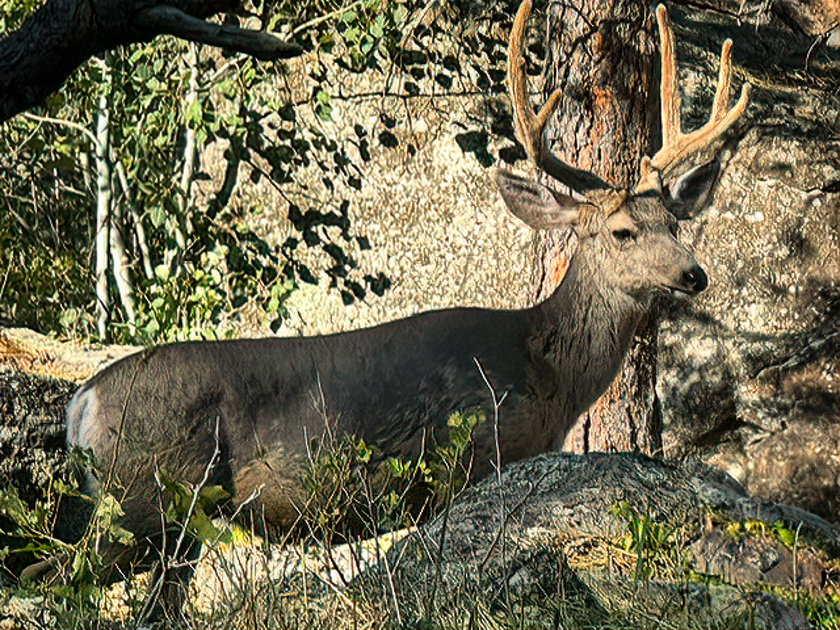
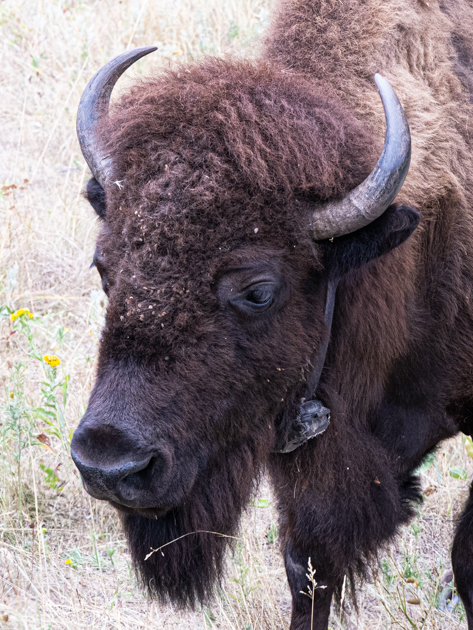
My journeys have carried me through national parks, quiet state preserves, and the backroads that wind between them — places where patience often rewards you more than planning. From mule deer at Devil’s Tower to bison in Custer State Park, I’ve found that wildlife has its own rhythm. And when you travel slowly — camera ready, eyes open — you begin to see that rhythm unfold. I usually travel with more gear unless it’s a simple one lens trip. You can see my one lens philosophy in Packing: One-Lens Travel — How to Simplify Your Photography and See More.
Wildlife Encounters are Everywhere
These moments are the reason I wrote Finding the Wild Close to Home: Photographing Bald Eagles Near My Backyard and Mastering the Art of Wildlife Photography. Both reminders that great encounters aren’t limited to distant destinations. Sometimes, the wild finds you right where you are. An example is in my post In Search of the Part Albino Deer.
Section 2: The Thrill of the Unexpected
Wildlife rarely appears on cue. That’s what makes the moment so electric. One minute you’re following a winding road through Grand Teton National Park, admiring the peaks reflected in a still pond; the next, a black bear ambles from the woods, crosses the road, and disappears into the brush. Encounters like this can’t be planned. They just happen, and when they do, the quiet hum of the trip turns into pure adrenaline.
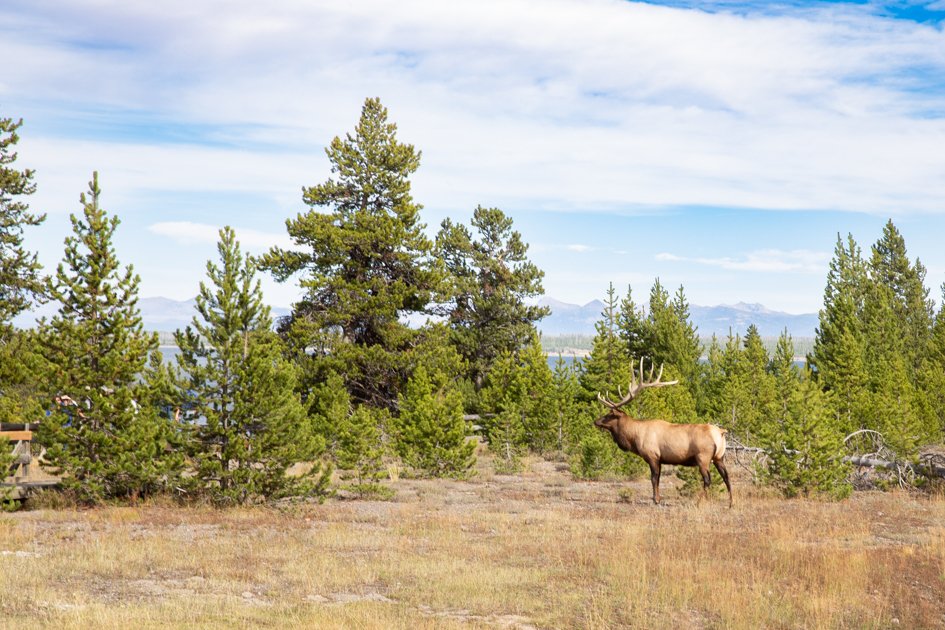
I’ve felt that same rush watching moose in Yellowstone, their silhouettes rising out of morning fog, and again when a herd of bison blocked the road in Custer State Park — a reminder that the road belongs to them first. And when seeing Grizzly in Alaska. These are the moments that transform a scenic drive into a memory that sticks with you long after you’ve left the park.
Why I love exploring by car
It’s why I love exploring by car and camera. Each curve of the road holds the chance for surprise, something I wrote about in Scenic Drives and Road Trips Across America: Finding Beauty Between the Lines on the Map. The back roads invite wonder because they’re unpredictable. You can’t script a wild horse stepping into the frame in Glacier National Park or a mule deer grazing beneath Devil’s Tower — but you can be ready when it happens.
Every wildlife encounter is a moment that stops the journey just long enough to remind you why you’re out there: not just to see the landscape, but to feel part of it.
Section 3: Patience and Perspective
The most meaningful wildlife encounters often happen when you stop trying so hard to find them. On a quiet morning in Yellowstone, I learned that patience can be your greatest lens. A cow moose and her calf stepped cautiously out of the willows just as I was packing up my camera. I had waited nearly an hour in the same spot, watching ripples in the water and listening to the wind in the grass — and just when I thought the moment had passed, there they were.
It’s a lesson I’ve carried with me from the national parks to my own backyard in upstate New York, where I spend mornings watching deer graze in the meadow and bald eagles circle above the river. You can’t rush wildlife photography. The moment you do, you lose the chance to see the subtleties — the flick of a tail, the tilt of an ear, the way light catches on feathers or fur. I discuss this more in Mastering Finding Creativity in the Everyday.
Mastering Patience
That’s the kind of patience I explore in Mastering the Art of Patience in Wildlife Photography, and it’s what grounds so much of my work behind the lens. The best images aren’t born from luck; they’re built from stillness.
Even on the road, patience changes everything. When I drove through Glacier National Park, I stopped often. It wasn’t just for the views. I wanted the chance to see what others missed as they hurried by. One pause brought me face to face with a wild horse standing in sunlit grass. The mountains rose behind it like a painting. No itinerary could plan a moment like that.
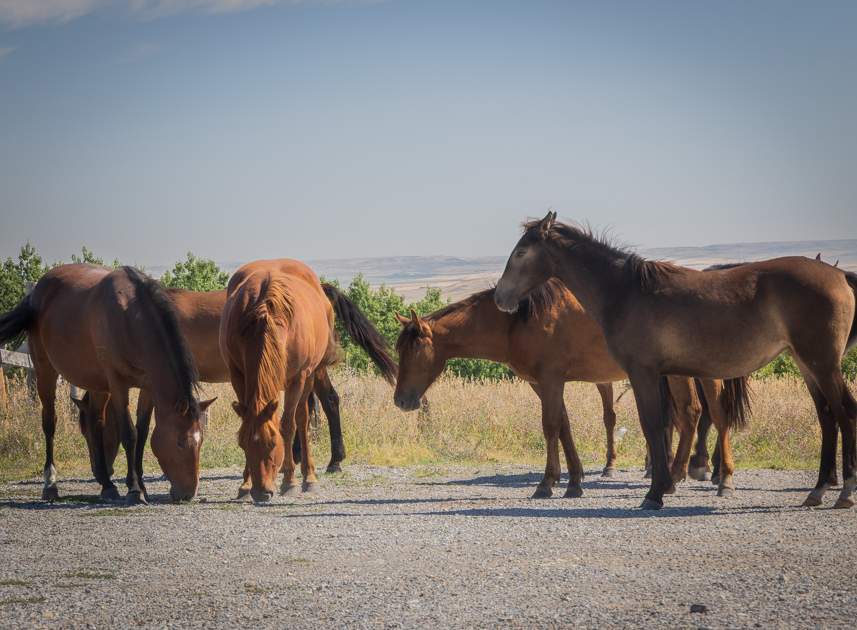
The back roads teach you perspective: travel slower, notice more, and the world opens itself in ways you can’t predict.
Section 4: Respect and Distance – Sharing the Road with Wildlife
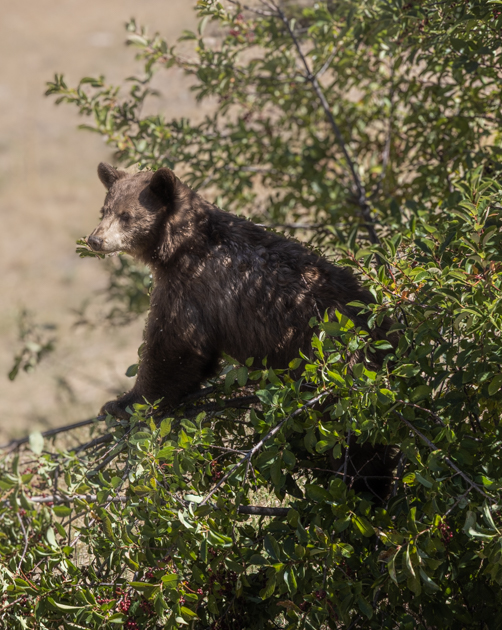
Every encounter comes with responsibility. When we travel the back roads and find ourselves in the presence of wild creatures, we’re guests in their world. Whether it’s a black bear crossing a trail in Grand Teton, a herd of bison surrounding the car in Custer State Park, or a gopher tortoise slowly making its way across the path in Florida’s Honeymoon Island State Park, the rule is always the same — give them space.
I’ve seen how easily excitement can turn to intrusion. People lean too close, call out to get an animal’s attention, or crowd the roadside with cameras flashing. What begins as admiration can quickly become stress for the animal. It’s one reason I wrote Ethics and Respect for Wildlife — to remind fellow travelers and photographers that keeping your distance is one of the simplest, yet most meaningful, acts of respect.
Even Locally, Respect Matters
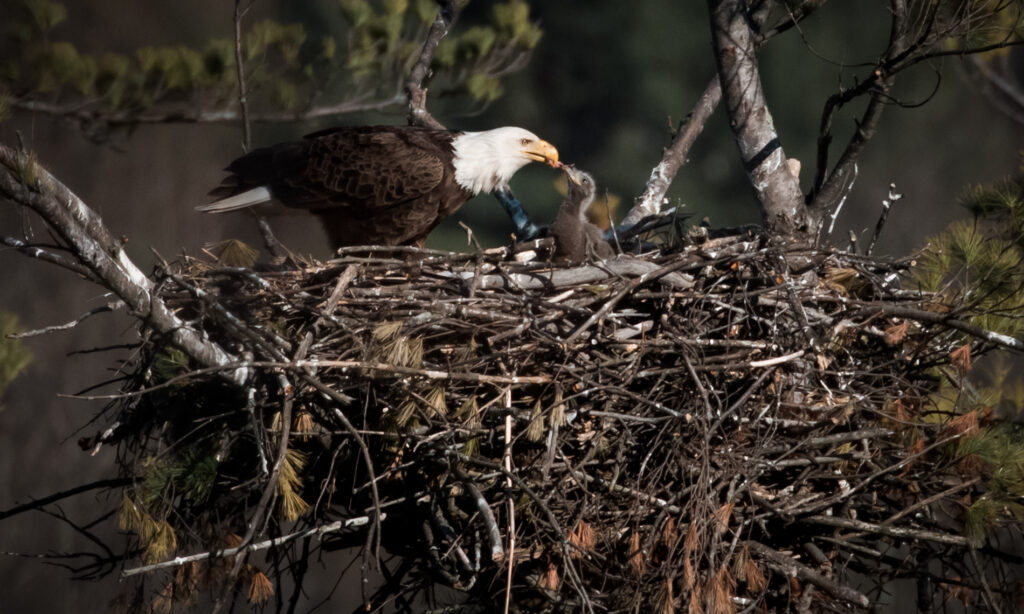
Even on quieter roads, that respect matters. In upstate New York, I often photograph bald eagles along the river near my home. A few years ago, when a nest was shared online, the spot grew so crowded that the Department of Environmental Conservation had to close the area to protect the birds. It was a hard but important reminder that love for wildlife means giving it room to thrive.
That same care extends to the communities who share space with the wild. From the neighborhoods beneath the Stairway to Heaven trail on Oʻahu to the residents living near park entrances, being respectful means balancing our curiosity with awareness — a theme I explore more deeply in Respecting Local Communities on the Road.
Wildlife encounters are gifts, not guarantees. When we honor that — by stepping back, staying quiet, and letting the wild be wild — we not only protect the animals we admire, but we also preserve the integrity of the places that make those encounters possible.
Section 5: The Beauty of Everyday Wildlife
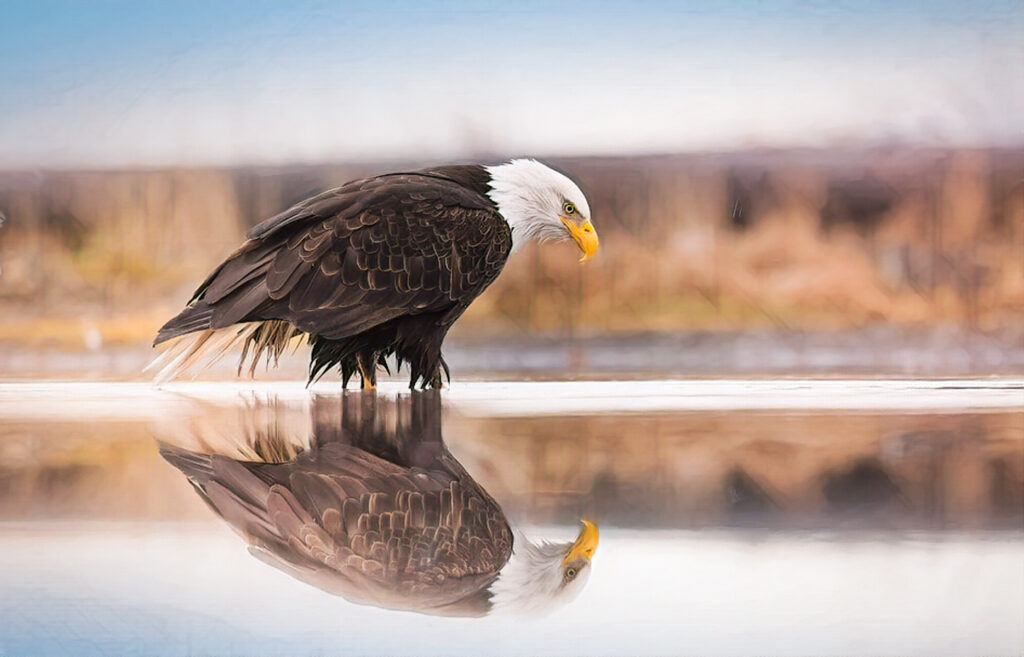
Not every wildlife encounter comes with a mountain backdrop or a national park sign. Many happen in the quiet rhythm of everyday life — a flash of a white tail in the woods or the sweep of an eagle’s wings catching the morning light. These moments remind me that the wild isn’t only “out there.” It’s everywhere, woven into the places we call home.
I’ve spent many mornings in upstate New York watching deer move through the fog. Each time, I’m struck by how easily we overlook what’s familiar. These small moments teach me to slow down and notice the ordinary beauty around me. They also inspired my post Finding the Wild Close to Home: Photographing Bald Eagles Near My Backyard — proof that you don’t need to travel far to feel connected to nature’s rhythm.
Wildlife on the Road
When we learn to see the wild everywhere, our journeys become richer. We photograph differently. We travel more thoughtfully. And we begin to understand that the real beauty of America’s back roads isn’t just in the distance traveled — it’s in the living world that moves alongside us every mile of the way.
Pro Tip:
When photographing wildlife, accessibility matters — you don’t want to miss a shot because your camera is buried. My post on Choosing the Right Camera Bag for the Road explains how I organize my gear for moments like these. See my lens lineup for my Fuji System in Best Travel Lenses and you can read about choosing Primes vs. Zooms in my post Prime vs. Zooms: Finding the Right Lens for the Way You Travel.
Section 6: Conclusion – The Wild Along the Way
Every journey has its landmarks. But the true highlights often have fur, feathers, or hooves. The more time I spend on America’s back roads, the more I realize the wild doesn’t live only in national parks. It also thrives along fence lines, in open fields, and in the skies above us.
Each encounter becomes part of the story of the road. Sometimes it’s a bear crossing a forest road in Grand Teton. Other times it’s a deer pausing outside my window in New York. Many of these moments happened on routes I planned in How I Plan and Photograph the Perfect USA Road Trip.
The beauty of these sightings isn’t just in the photograph. It’s in the stillness, the respect, and the reminder that these wild spaces continue to exist — if we allow them to. So the next time you’re driving a quiet byway or walking a trail at sunrise, slow down. Listen. Look closely. You might find the wild waiting for you.
Explore More
If these stories inspired you to look for wildlife on your own travels, here are a few more blogs to guide and inspire your next adventure:
- Finding the Wild Close to Home: Photographing Bald Eagles Near My Backyard – Discover how the best wildlife moments often happen just outside your door.
- Mastering the Art of Wildlife Photography– Techniques, mindset, and ethics for capturing wildlife respectfully and creatively.
- The Art of Patience in Wildlife Photography – Why slowing down in the field leads to more authentic images and deeper connections with nature.
- Scenic Drives and Road Trips Across America – Explore the landscapes where wildlife still roams free.
- Ethics and Respect for Wildlife – How to enjoy and photograph animals responsibly, without disrupting their world.
- Respecting Local Communities on the Road – A reminder that respect for people and place goes hand-in-hand with protecting the wild.
- Mastering Shooting in Low Light – Learn how to shoot wildlife in low light.
- Mastering the Histogram: A Simple Guide to Better Exposure – learn how to get better exposure
- Photographing Eagles: Lessons from the Riverbank
- Seasons of Eaglets
- Bald Eagle Life Cycle
- Heron Rookery
- In Search of the Part Albino Deer
- Understanding Wildlife Behavior Before you Photograph
- Why I Chose Leica and Fuji for Travel Photography
- Photographing Without Disturbing
📬 Join the Journey
Love stories like this one?
Subscribe to the Back Roads Lens Newsletter for exclusive travel guides, behind-the-lens photography tips, and sneak peeks at upcoming posts. Each month, I share new back-road discoveries, photography field notes, and a few lessons learned while waiting quietly for that perfect wild moment.