Some places leave you speechless. The Grand Canyon takes your breath away, then fills your mind with questions — how could something this vast, this layered, this impossibly colorful even exist? Stretching 277 miles long and over a mile deep, the canyon is one of the most extraordinary landscapes on Earth — a place where time, water, and light tell a story billions of years in the making. This Grand Canyon Travel photography guide will give you an idea of where to go, what to see, and where to stay.
Standing on the rim, it’s easy to forget that the Colorado River — looking like a thin ribbon far below — carved this masterpiece one grain of sand at a time. Yet beyond its geology, the Grand Canyon is a photographer’s playground and a traveler’s dream. Whether you’re chasing sunrise over the South Rim, hiking below the cliffs, or capturing the glow of sunset on red rock, every visit feels new.
If you’re planning your first trip (or your fifth), this Grand Canyon travel photography guide covers everything you need to know — how the canyon was formed, where to stay, the best photo spots, and how to make the most of your time exploring this wonder of the Southwest. I have been to the Grand Canyon three times, and it amazes me each time I go. The Grand Canyon is one of the most iconic stops in the Southwest Region — read my Southwest Region Travel Guide for more back road adventures.” My husband and I like the back roads. While Grand Canyon isn’t a back road, it is a must see! If you want more information on how we How I Find Off-the-Beaten-Path Destinations in the USA you can read more here.
👉 Related Reads:
- Understanding Light in Landscape Photography
- Mastering the Art of Composition on the Road
- Travel Photography for Beginners
How the Grand Canyon Was Formed: Nature’s Slow Masterpiece
A Timeline Written in Stone
If you’ve ever stood on the rim and wondered how the Grand Canyon came to be, you’re not alone. The short answer: water, wind, and an incredible amount of time. The long answer — well, that’s where things get fascinating.
The story begins nearly two billion years ago, when ancient rock formed deep below what’s now northern Arizona. Over millions of years, layers of limestone, sandstone, and shale were laid down like pages in Earth’s diary. Then about six million years ago, the Colorado River began cutting through those layers, carving deeper with each passing century.
The Power of Water, Wind, and Time
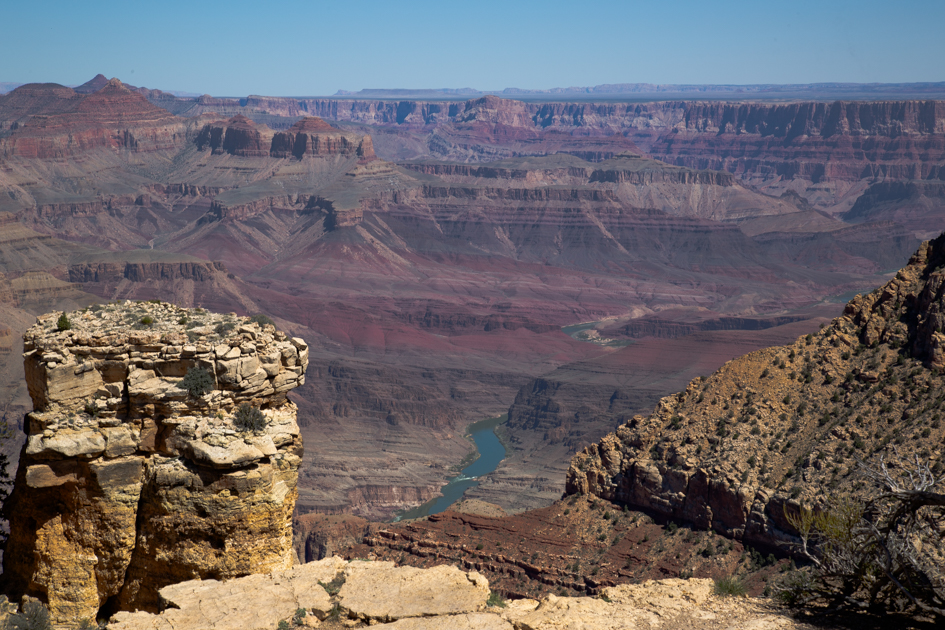
Rain, snowmelt, and the freeze-thaw cycles of winter helped widen and sculpt the canyon’s walls. Wind carried away loose sediment, and gravity pulled entire cliffs down in slow motion. It wasn’t a single event — it was millions of small moments working together, reshaping the land grain by grain.
Today, what you see is the result of those eons of erosion: a timeline you can walk through, with the oldest rocks at the bottom and the youngest near the top. Geologists still debate exactly how the Colorado River first found its course, but everyone agrees — it’s one of the most powerful examples of what patience and persistence can do.
The First Inhabitants of the Canyon
But the canyon’s story isn’t only about geology — it’s also about people. Long before it became a national park, this land was home to Native American tribes, including the Havasupai, Hopi, Hualapai, Navajo, Zuni, and Paiute. Archaeological evidence shows that humans have lived in and around the canyon for at least 12,000 years. They farmed along the river, built homes in the cliffs, and considered this sacred land a place of origin, ceremony, and survival.
Even today, the Havasupai people live within the canyon at Supai Village, one of the most remote communities in the United States — reachable only by foot, mule, or helicopter. Their turquoise waterfalls and red cliffs offer a glimpse into what life in the canyon has always been about: balance, respect, and resilience.
A Living Story for Travelers and Photographers
For photographers, understanding that story adds depth to your shots. Every band of color, every jagged ridge, every curve of the river is part of an ancient tale — one written by both nature and the people who’ve called it home. And once you see it that way, your camera becomes more than a tool — it’s a storyteller.
👉 Related Reads:
- Understanding Light in Landscape Photography — for capturing how those layered rocks change color throughout the day.
- Travel Photography Tips for Beginners — if you’re new to photographing grand landscapes.
Grand Canyon Travel Photography guide Photography Tips
Understanding Light and Timing
Most guides will tell you to shoot at sunrise or sunset, and for good reason — the low sun angle brings out depth, texture, and the fiery reds and golds in the canyon walls. But at the Grand Canyon, “best time” depends on where you’re standing and what story you want to tell.
- Sunrise: Ideal for the South Rim, especially points like Yaki Point, Mather Point, and Desert View. Early morning light warms the rock layers while the canyon itself still holds soft shadows. Fewer crowds make it peaceful and easier to set up your tripod.
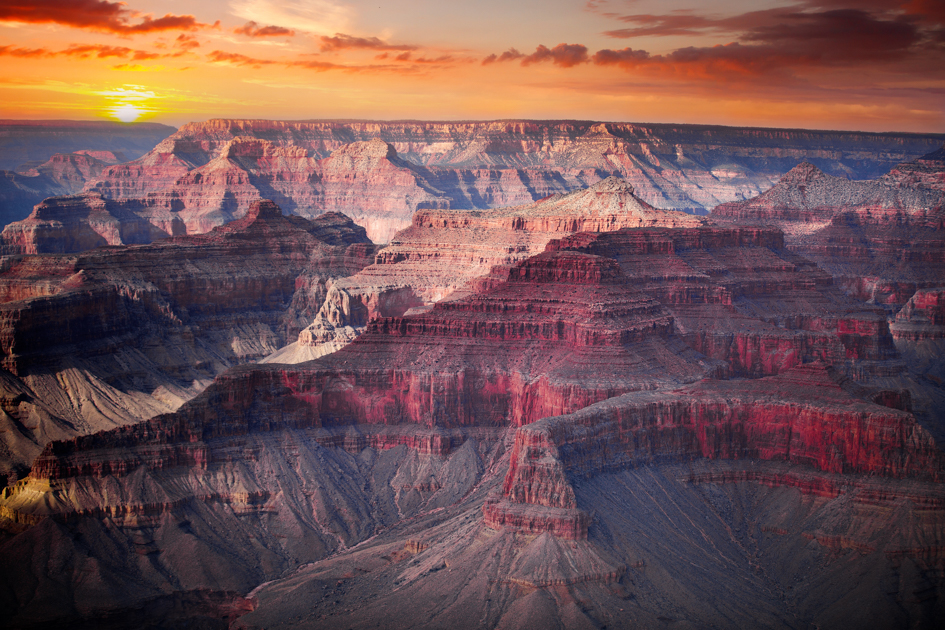
- Late Afternoon to Sunset: Beautiful for Hopi Point, Pima Point, and Lipan Point, where the setting sun casts golden light across the entire canyon. However, shooting directly into the sun can flatten color, so consider sidelight compositions or HDR techniques to retain detail.
- Midday: Often overlooked, but if clouds roll in or you’re photographing inside the canyon, midday light can illuminate details otherwise lost in shadow. Use this time for high-contrast black-and-white work or detail shots of rock formations.
- Blue Hour and Night: After sunset, the canyon glows with subtle purples and pinks — and once night falls, it becomes one of the best places in the U.S. for astrophotography. The Grand Canyon is an official International Dark Sky Park, so bring a tripod and a fast lens.

👉 Related Reads:
- Understanding Light in Landscape Photography — how to adapt to harsh light or soft shadows.
- Mastering the Art of Composition on the Road — using leading lines and framing in vast spaces.
Finding the Best Photo Locations
There’s no shortage of viewpoints, but here are a few that never disappoint:
- Mather Point: Classic, easily accessible, and breathtaking for sunrise.
- Hopi Point: One of the best panoramic sunset spots.
- Desert View Watchtower: Offers both architecture and sweeping canyon views.
- Yavapai Point: Great for capturing depth and color contrast mid-morning.
- Cape Royal (North Rim): Fewer crowds, epic sunset views, and a natural rock “window.”
- Toroweap Overlook: Remote but unforgettable — sheer vertical drop of 3,000 feet to the river below.
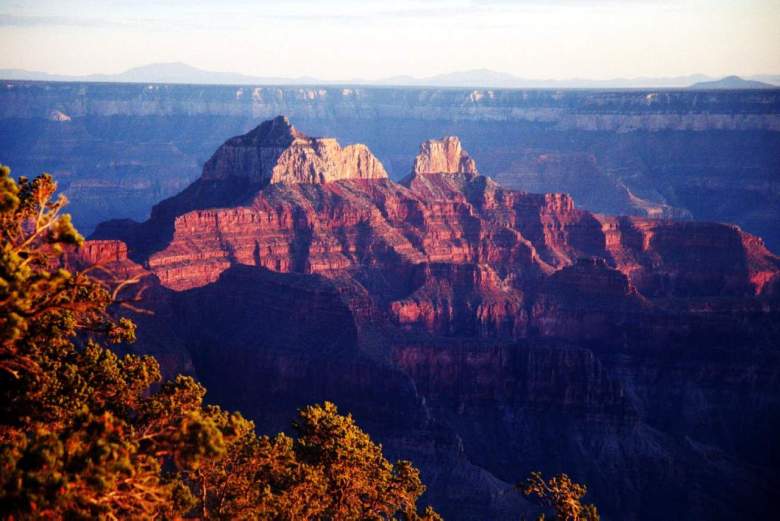
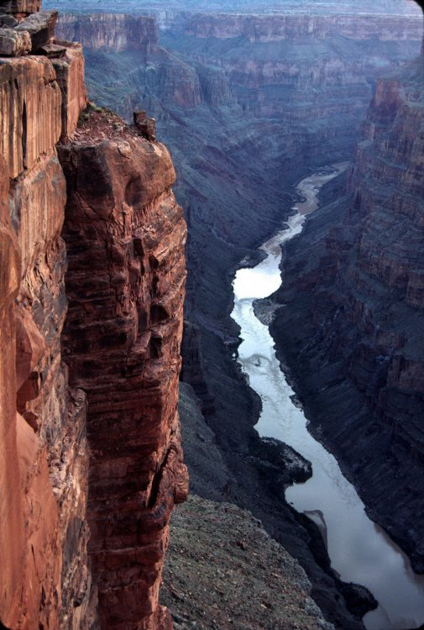
sheer cliffs dropping straight to the Colorado River nearly 3,000 feet below.
Practical Photography Tips
- Bring a sturdy tripod. Wind on the rim can be fierce.
- Use a polarizing filter to cut glare and deepen blue skies.
- Shoot in RAW + JPEG see Shooting RAW + JPEG on the Road so you can capture full dynamic range.
- Bracket exposures when lighting varies dramatically between sky and canyon.
- Don’t forget to turn around. Some of the best light hits the cliffs behind you.
Respecting the Land Through Your Lens
The Grand Canyon isn’t just a backdrop — it’s a sacred space and a living ecosystem. Stay behind railings, give wildlife distance, and avoid stepping onto ledges for photos. The best images come from patience, not risk.
👉 Related Reads:
- Wildlife Photography — for ethical photography practices.
- Travel Photography for Beginners — building confidence in the field.
Where to Stay & How to Plan Your Visit
Choosing the Best Location
When planning your stay at the Grand Canyon, one of the biggest decisions is where to base yourself. Here are the main options and what they offer:
- Inside the Park (South Rim): Staying within the park provides unbeatable convenience — you’re right next to the overlooks, trails, shuttles and sunrise/sunset opportunities. The South Rim is open year-round and offers the most amenities.
- Inside the Park (North Rim): The North Rim is quieter and more remote, with fewer crowds, but it’s seasonal and has fewer lodging choices.
- Outside the Park (Nearby towns): If in-park lodging is booked or expensive, staying in towns like Tusayan, Williams or Flagstaff gives you access while possibly being more budget-friendly. Though you’ll add driving time. Tusayan is just outside the entrance to the Grand Canyon. It is an easy place to stay with slightly less crowds.
Quick takeaway: If this is your first trip or you want maximum ease, aim for the South Rim inside the park. If you want solitude and don’t mind fewer services, the North Rim can be great — but check season and availability.
Top Lodging Options Inside the Park
Here are some standout stays you can mention or recommend:
- El Tovar Hotel – Located right on the South Rim, this historic hotel is often called the “crown jewel” of Grand Canyon lodging.
- Bright Angel Lodge – Also on the rim, with cabins and lodge rooms, ideal for that authentic canyon-village feel.
- Yavapai Lodge – A bit more modern, still inside the park at the South Rim, and good for families.
- Grand Canyon Lodge North Rim – For the North Rim, perched at high elevation (~8,000 ft), offering dramatic views but limited season.
Tip: In-park lodging books up 13 months in advance for the prime spots, especially during fall and spring.
Planning How Long to Stay & What to Pack
How many nights?
- For a full experience of the South Rim, 2-3 nights is ideal: one evening for sunset, one early morning for sunrise, and a full day for viewpoints or a short hike.
- If time is tight, even one night improves your experience over a same-day drive in/out (especially for photographers).
What to pack & consider
- Layered clothing: The South Rim sits at nearly 7,000 ft elevation and temperatures can vary widely — it can feel 20-30 °F cooler than the desert below.
- Reservations: Lodging, shuttles, and also dining inside the park may require advance planning.
- Transportation/logistics: If staying outside the park, factor in extra driving each day (and possible traffic/parking).
- Time & light for photography: Staying overnight means you can catch the best light at sunrise or sunset (see previous section).
- Wildlife/time of year: Depending on season, trails may be busier, weather may vary (snow in winter on rims, monsoon risk in summer).
- Budget & availability: In-park lodging is pricey and limited; outside the park you may find better deals but trade off on convenience.
Getting There & Getting Around
Since “How to get there” is closely tied to where you stay, here are key notes for planning:
- The South Rim is accessible year-round and is the main hub for most visitors. The North Rim has a more restricted season and fewer amenities.
- If staying outside the park, aim for towns like Williams or Tusayan to cut down driving time — you’ll then enter the park via the South Entrance.
- Once inside the park (especially at the South Rim), use the free park shuttle system to move between major viewpoints and avoid fighting for parking.
- For photographers, staying inside the park means more flexibility for early morning or late evening shots without worrying about leaving the park before the gates close.
- See How to Plan and Photograph the Perfect USA Road Trip and if you want to see a trip I planned with other National Parks see Our First 30-Day USA Road Trip: Exploring America’s Back Roads Through My Lens
Best Photo Spots & Hidden Gems at the Grand Canyon
Iconic Viewpoints You Can’t Miss
If it’s your first visit, start with the classics — they’re famous for a reason.
- Mather Point (South Rim): Just steps from the visitor center, this overlook offers a wide, sweeping view perfect for sunrise. Arrive early — it’s one of the most photographed spots in the park for good reason.
- Hopi Point: The go-to place for sunset. The canyon stretches endlessly in both directions, and you’ll catch the last light as it paints the cliffs in gold and crimson.
- Desert View Watchtower: A must-see for photographers who love combining landscape with architecture. The tower itself makes a great subject against the canyon backdrop.
- Yavapai Point: Ideal for mid-morning when the light begins to slide across the walls, revealing contrast and texture that disappear at midday.
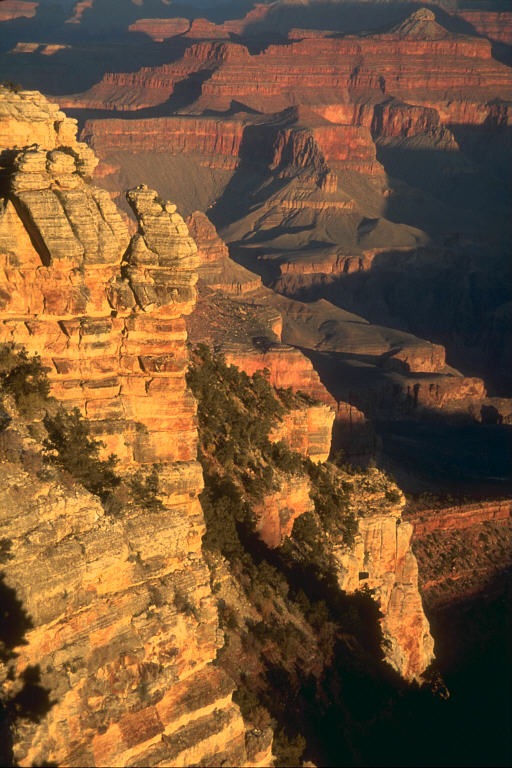
color, depth, and time carved by the Colorado River.
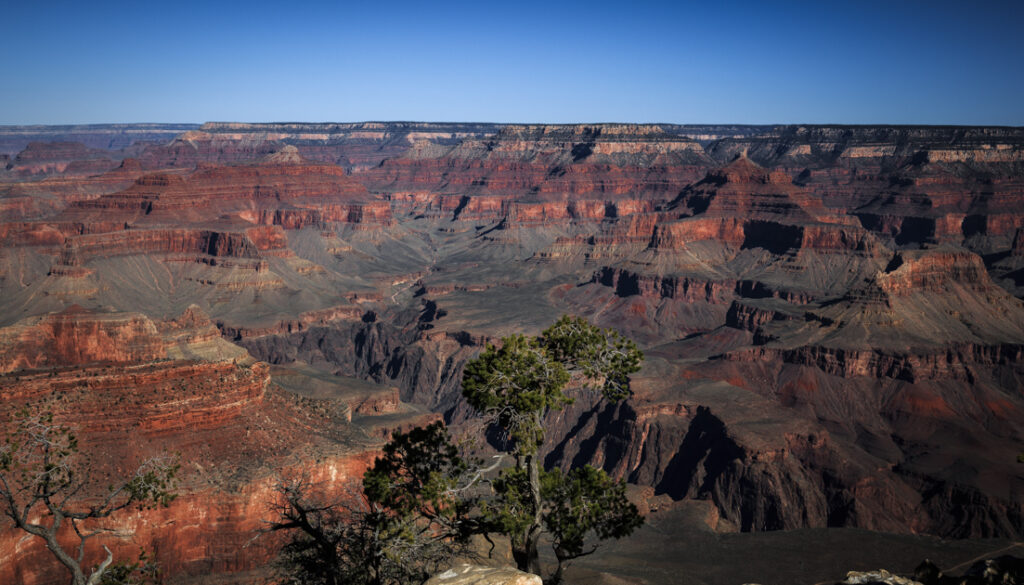
👉 Related Read: Understanding Light in Landscape Photography — learn how to adapt to shifting canyon light.
Hidden Gems Worth the Detour
When you’re ready to escape the crowds, these less-visited areas bring solitude and a fresh perspective.
- Shoshone Point: Just east of the main South Rim village area, this trail leads to a peaceful overlook often used for weddings. You’ll get incredible panoramic views — and likely have it all to yourself.
- Moran Point: Offers layered geological color and excellent depth; sunrise light spills beautifully into the canyon here.
- Cape Royal (North Rim): Famous for the “Angels Window” rock arch — a natural frame for the Colorado River far below. The late-day light here is magical.
- Toroweap Overlook (aka Tuweep): Remote, rugged, and dramatic. A 60-mile dirt road leads to a sheer 3,000-foot drop straight to the river — not for the faint of heart, but the view is unforgettable.
👉 Related Read: Scenic Drives and Road Trips — find the best routes leading to remote overlooks.
Unique Ways to See the Canyon
- From the Air: Helicopter or small-plane tours reveal the vastness and winding river in ways impossible from the rim. Go mid-morning for balanced light and less haze.
- From the River: A rafting trip on the Colorado offers a photographer’s dream — light bouncing off canyon walls, reflections, and angles few ever see.
- At Night: The Grand Canyon is a designated International Dark Sky Park, making it one of the best stargazing locations in the Southwest. A wide-angle lens and tripod are your best friends here.
Pro Tip: Watch the Weather
The canyon wears many moods — from dust-filled summer storms to snow-kissed winter mornings. After a storm, clouds can hug the rim and create ethereal compositions that feel like you’ve stepped into another world. Don’t pack up your camera when the weather shifts — that’s when the magic happens.
👉 Related Read: Mastering the Art of Composition on the Road — how to use atmosphere and weather to shape your story and see my Mastering Travel Photography post with a lot of tips and tricks.
Planning Your Own Grand Canyon Adventure
Standing at the rim of the Grand Canyon, it’s easy to feel small — and that’s part of the magic. This isn’t just another stop on a Southwest road trip. It’s a reminder of time, patience, and how nature can turn persistence into beauty. Whether you’re watching first light spill across the cliffs, hiking into the canyon, or simply sitting quietly to take it all in, the Grand Canyon has a way of grounding you.
Tips for Making the Most of Your Visit
- Stay at least two nights if possible — sunrise and sunset each tell a different story.
- Mix your viewpoints. Visit both popular overlooks and quieter spots like Shoshone Point or Moran Point.
- Embrace changing weather. Clouds, storms, or even haze can transform your images and your experience.
- Plan ahead. Book lodging early (especially inside the park) and know which entrances are open seasonally.
For travelers and photographers alike, the Grand Canyon rewards those who take their time. You don’t need to rush from point to point — sometimes the best shots and moments happen when you simply pause and look around.
Before You Go
If you’re planning a longer Southwest road trip, the Grand Canyon pairs beautifully with nearby destinations:
- Monument Valley and Antelope Canyon for red-rock landscapes and slot-canyon light.
- Sedona for hiking, vortex views, and desert sunsets.
- Lake Powell and Glen Canyon for water-based perspectives.
👉 Continue your journey with:
- Scenic Drives and Road Trips — plan the perfect Southwest route.
- Understanding Light in Landscape Photography — refine your technique before you go.
- Travel Photography Tips for Beginners — build confidence behind the camera.
- National and State Park Drives – view other United States National and State Park Drives
Final Thoughts
No matter how many photos you take, the Grand Canyon always keeps a piece of its mystery. The light changes, the colors shift, and the scale reminds you that there are still places in the world big enough to humble us. And honestly, that’s why we travel — to feel something.
If you’ve never been, go. If you’ve already stood at the edge, go again. The canyon will look different, and so will you.
If you are in the area of the Grand Canyon, you may want to check out these other great places to see.
- Monument Valley
- Southwest Region Travel Guide
- Canyon de Chelly
- Petrified Forest National Park
- Montezuma Castle
- Apache Junction and the Apache Trail
Stay Informed:
Stay up to date on travel adventures and new places to explore.