This post was revised on June 11, 2026 to include updated features.
Appalachia Region at a Glance
Best For: Scenic drives, mountain towns, waterfalls, photography, history
Top Destinations:
- Blue Ridge Parkway
- Great Smoky Mountains
- Shenandoah National Park
- Thurmond
- Coalwood
- New River Gorge
Best Time to Visit:
- Spring
- Fall
Ideal Trip Length:
- 7–14 days
Travel Style:
- Slow travel
- Road trips
- Photography
- Small-town exploration
Beyond the Overlooks and Into the Heart of the Mountains
The Appalachian Mountains are often introduced through postcards.
Misty ridges stretching to the horizon. Waterfalls tumbling through deep forests. Scenic overlooks along winding mountain roads. The Appalachian Mountains stretch roughly 2,000 miles from northern Georgia to Maine, crossing thirteen states and containing some of America’s oldest mountain ranges.
Those places are certainly worth visiting.
I’ve spent time driving the Blue Ridge Parkway, exploring the Great Smoky Mountains, standing beneath Natural Bridge in Virginia, and photographing some of the most beautiful landscapes in the eastern United States. The views never disappoint.
But the longer I travel through Appalachia, the more I’ve realized that the region’s greatest stories aren’t found at the overlooks.
They’re found in the valleys.
They’re found in the small towns tucked between mountain ridges. In old railroad depots, company stores, forgotten coal camps, and communities that continue to endure long after the industries that built them began to fade.
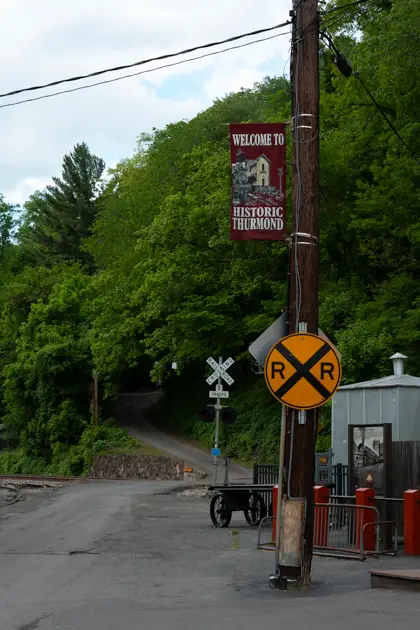
During recent travels through southern West Virginia, I found myself exploring places like Coalwood, Thurmond, Welch, and the winding hollers of McDowell County. Those experiences changed how I think about Appalachia. They reminded me that this region is about far more than beautiful scenery.
Applachia is:
About history.
And resilience.
It’s about the people who call these mountains home.
If you’re looking for a vacation filled with scenic views, you’ll find plenty of them here.
But if you’re the kind of traveler who wants to understand a place rather than simply pass through it, Appalachia offers something much deeper.
This guide brings together many of my favorite destinations throughout the Appalachian region—from iconic scenic drives and national parks to hidden towns and back roads that tell the story of a part of America that deserves to be better understood.
So grab a cup of coffee, slow down, and let’s explore Appalachia together.
Planning an Appalachian Road Trip
One of the things I love most about Appalachia is that there isn’t just one way to experience it.
You can spend a week exploring the famous destinations—the Blue Ridge Parkway, Shenandoah National Park, and the Great Smoky Mountains—and have an incredible trip.
Or you can take the back roads.
That’s usually where I find myself.
The Appalachian region stretches from northern Georgia to Maine, but my travels have focused primarily on the central and southern mountains, where scenic drives, small towns, rich history, and incredible photography opportunities all come together.
For travelers who enjoy winding roads more than interstates, Appalachia may be one of the best road trip regions in America.
The roads twist through mountain gaps, follow rushing rivers, climb ridgelines, and connect communities that often feel a world apart from modern highways.
The beauty here isn’t just in the destinations.
It’s in the drive itself.
The Scenic Drives That Define Appalachia
Blue Ridge Parkway: The Classic Drive
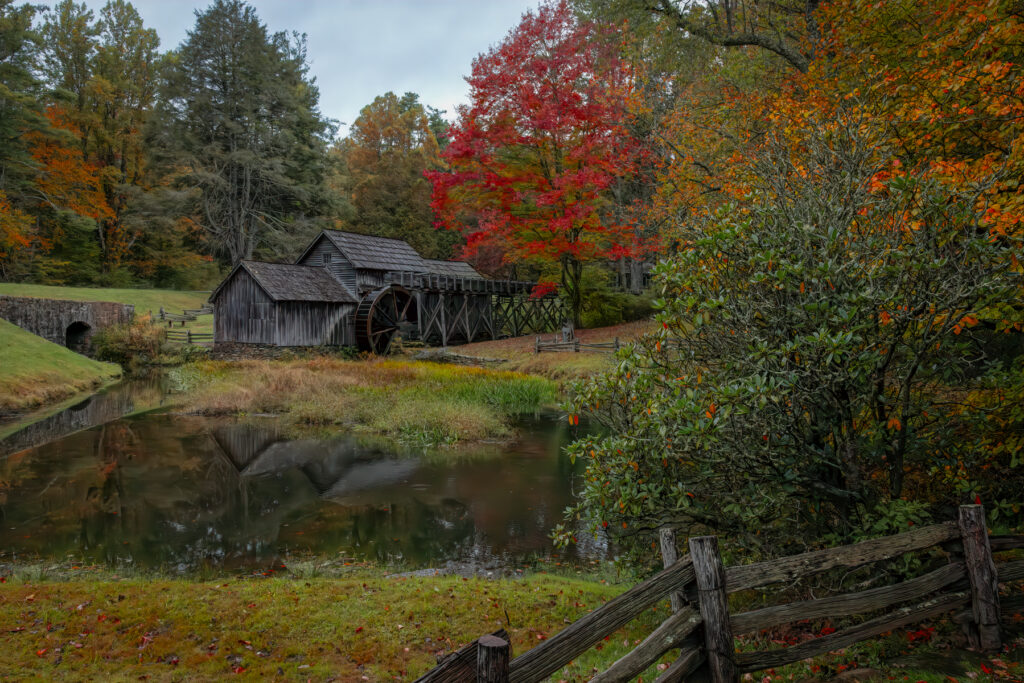
Every Appalachian road trip should include at least a portion of the Blue Ridge Parkway.
Often called America’s Favorite Drive, the Parkway connects Virginia and North Carolina through nearly 500 miles of mountain scenery, historic sites, overlooks, waterfalls, and hiking trails.
We’ve explored multiple sections over the years and continue to find new favorite stops every time we visit.
What makes the Parkway special isn’t simply the views. It’s the pace. With a speed limit that encourages slowing down, the Parkway invites travelers to pull over frequently, walk a trail, photograph the landscape, or simply sit quietly and watch the mountains unfold.
If you haven’t yet, check out my detailed Blue Ridge Parkway Road Trip Guide — it includes the best mileposts, scenic stops, and tips for when to go.
Shenandoah National Park & Skyline Drive
At the northern end of the Blue Ridge Parkway lies Skyline Drive, a 105-mile road that follows the crest of Virginia’s Blue Ridge Mountains through Shenandoah National Park.
More than 70 overlooks provide endless opportunities to enjoy sunrise, sunset, and fall color.
Shenandoah remains high on my list for deeper exploration, and future visits will certainly result in additional guides and photography stories.
Great Smoky Mountains National Park
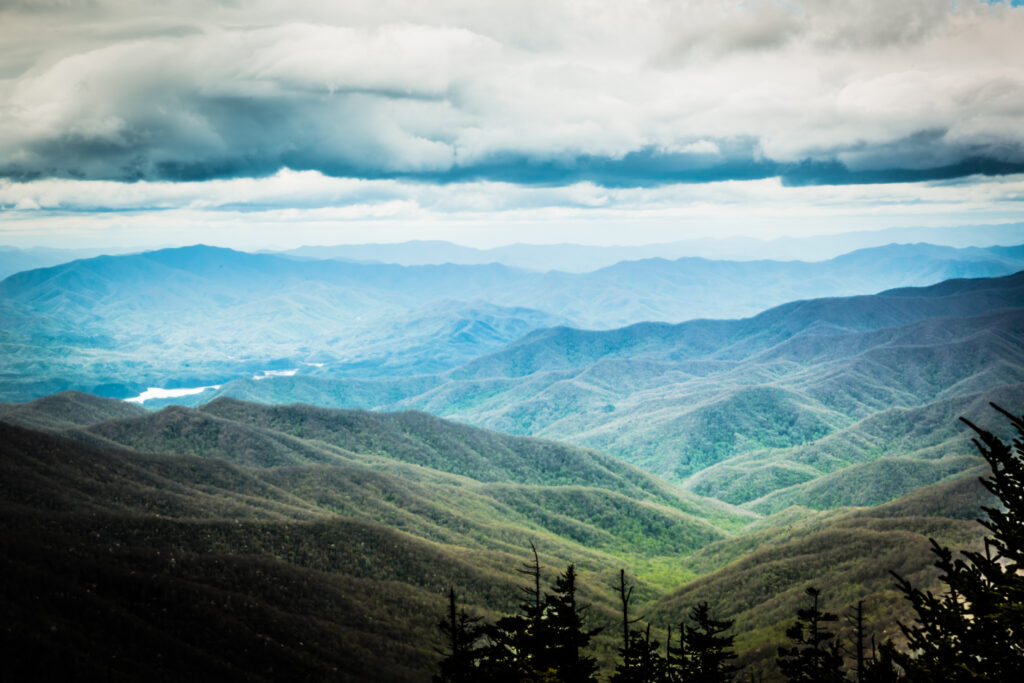
The Smokies are often the first place many people think of when they hear the word Appalachia.
The mountains earn their name honestly. Layers of blue haze drift through the valleys and create some of the most beautiful atmospheric landscapes in the country.
Waterfalls, wildlife, mountain streams, historic cabins, and scenic drives combine to make the Smokies one of the crown jewels of the Appalachian region.
My Smoky Mountains Travel Guide dives into the best scenic drives, waterfalls, and wildlife photography spots (and yes, where to spot elk!).
Natural Bridge, Virginia
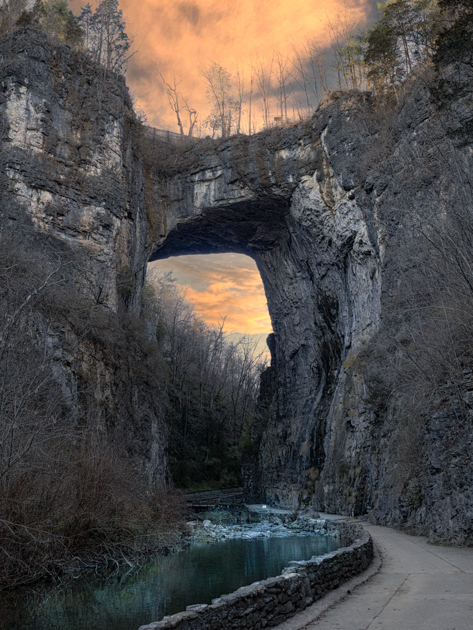
Natural Bridge may not receive the same attention as the national parks, but it remains one of Virginia’s most remarkable natural wonders.
Standing beneath the massive stone arch, it’s easy to understand why travelers have been stopping here for centuries.
The short walk beneath the bridge makes an excellent stop between Shenandoah and the Blue Ridge Parkway.
Beyond the Overlooks: Understanding Appalachia
The most meaningful experiences I’ve had in Appalachia haven’t happened at famous viewpoints.
They happened when I left the main roads behind.
One of those experiences was driving into my first Appalachian holler.
Before visiting southern West Virginia, I had heard the term countless times. Like many outsiders, I assumed it was simply another word for a valley.
I quickly learned it was much more than that.
A holler is often a narrow valley tucked between steep mountain ridges. Historically, these landscapes shaped how communities developed, how people lived, and even how culture evolved throughout Appalachia.
Driving into one helped me better understand why Appalachian communities often feel so close-knit and why so many stereotypes fail to capture the reality of life in the mountains.
For anyone wanting to understand Appalachia beyond the tourist brochures, understanding the holler is a good place to begin.
Appalachia Beyond the Stereotypes
Few regions in America are as misunderstood as Appalachia.
For many people who have never visited, the region is often defined by stereotypes. Movies, television programs, and headlines frequently focus on poverty, economic hardship, or outdated images that fail to capture the complexity of life in the mountains.
While challenges certainly exist in some Appalachian communities, those stories represent only part of a much larger picture.
The Appalachians are home to breathtaking landscapes, rich cultural traditions, strong family ties, deep community roots, and a history that helped shape the United States. Generations of miners, railroad workers, farmers, loggers, teachers, veterans, musicians, and small business owners built lives in these mountains long before most travelers ever arrived to admire the scenery.
One of the reasons I enjoy traveling through Appalachia is that it encourages a different kind of travel experience.
It’s easy to visit a scenic overlook, take a photograph, and move on.
It’s harder—and often far more rewarding—to spend time learning about the people who call these mountains home.
During our travels through southern West Virginia, we visited places like McDowell County, Coalwood, Thurmond, and the communities connected by the Coal Heritage Trail. What we found wasn’t the Appalachia often portrayed from a distance. We found communities proud of their heritage, people working to preserve local history, and landscapes shaped by generations of hard work and perseverance.
The Realities
We also saw realities that aren’t always comfortable to discuss. Some towns continue to face economic challenges following the decline of the coal industry. Historic buildings stand vacant. Population loss is visible in some communities.
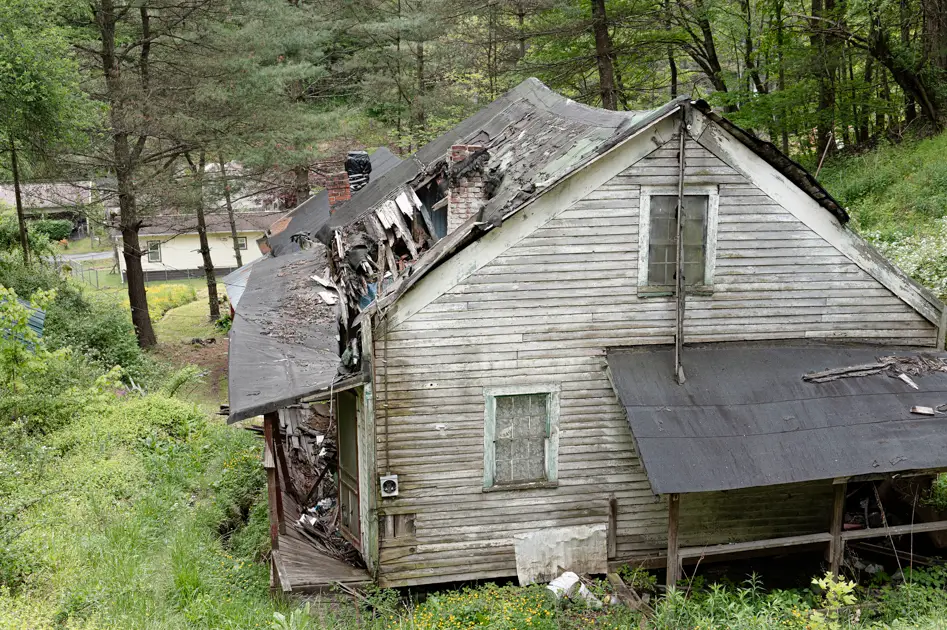
Yet even alongside those realities, we found resilience.
We found people who care deeply about their towns.
We found stories worth preserving.
And we found a region that deserves to be understood rather than judged.
Travel has a way of challenging assumptions. Appalachia certainly challenged mine.
The more time I spend exploring these mountains, the more convinced I become that the best way to experience Appalachia is with curiosity and an open mind. Drive the back roads. Visit the small towns. Learn about the history. Talk to local residents. Spend time in places that don’t always appear on tourism brochures.
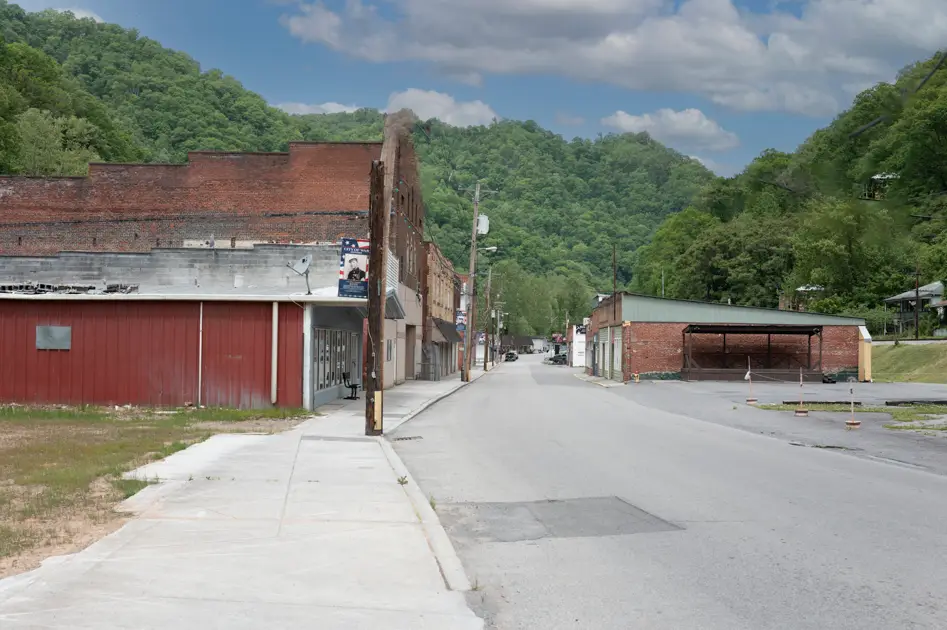
The mountains themselves are beautiful.
But the people, communities, and stories found among them are what make Appalachia unforgettable.
What is a Holler?
Before visiting Appalachia, I had heard the word “holler” many times.
Like many people from outside the region, I assumed it was simply another word for a valley.
Then I drove into one.
A holler (sometimes spelled hollow) is a narrow valley tucked between steep mountain ridges. Throughout Appalachia, generations of families built homes, farms, and communities in these secluded valleys, often connected to the outside world by a single winding road.
But a holler is more than a geographic feature.
It’s an important part of Appalachian culture.
Appalachian Culture
The mountains shaped daily life for generations. Communities were often isolated from neighboring towns, creating close family ties and strong local identities. People relied on one another because help wasn’t always just a few minutes away.
Driving through a holler today offers a glimpse into how geography influenced the region’s history and culture. You might pass a handful of homes, a small church, an old family cemetery, and a creek winding through the valley floor. In some places, you’ll see signs of economic hardship. In others, you’ll find well-kept homes that have remained in the same family for generations.
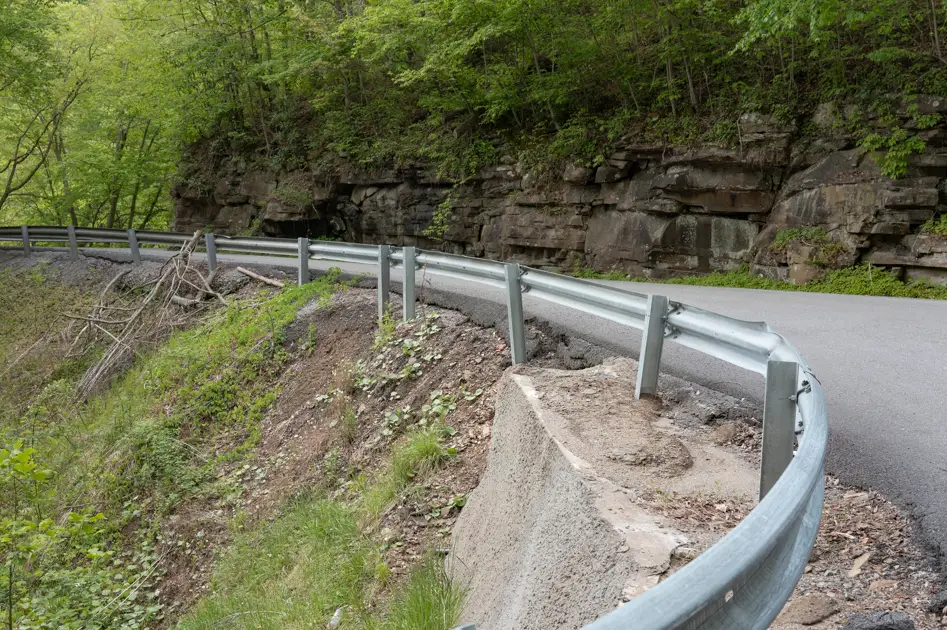
One of my first experiences driving through a holler was in southern West Virginia. The narrow road followed the valley floor as steep mountains rose on both sides. It was beautiful, quiet, and unlike anywhere I had traveled before. More importantly, it helped me understand Appalachia in a way no book or documentary ever could.
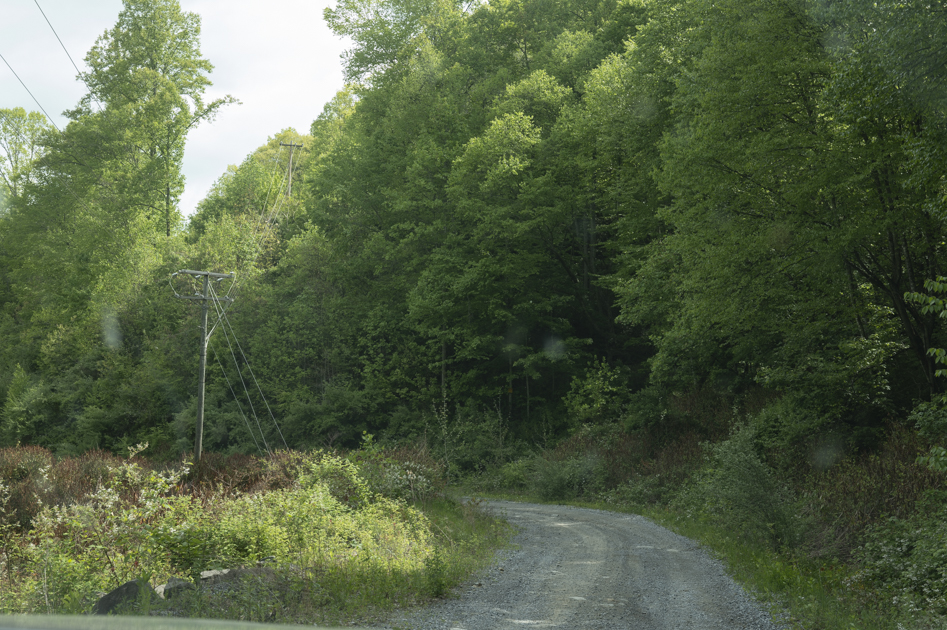
If you want to understand Appalachia beyond the overlooks and tourist attractions, spend some time exploring the roads that wind into the hollers. The scenery is beautiful, but the deeper lesson is how these landscapes shaped the people, communities, and traditions that continue to define the region today.
Read more: What Is a Holler? Discovering Appalachia Beyond the Stereotypes
Why West Virginia May Be the Most Underrated Part of Appalachia
Exploring McDowell County: A Different Side of Appalachia
Few places challenged my assumptions about Appalachia more than McDowell County, West Virginia.
The county is often mentioned when discussing economic hardship, but statistics alone don’t tell the full story.
What I found was a place filled with both beauty and struggle.
Mountain ridges rise dramatically above small communities. Winding roads follow streams through narrow valleys. Signs of economic decline are impossible to ignore, but so is the determination of the people who continue to call these mountains home.
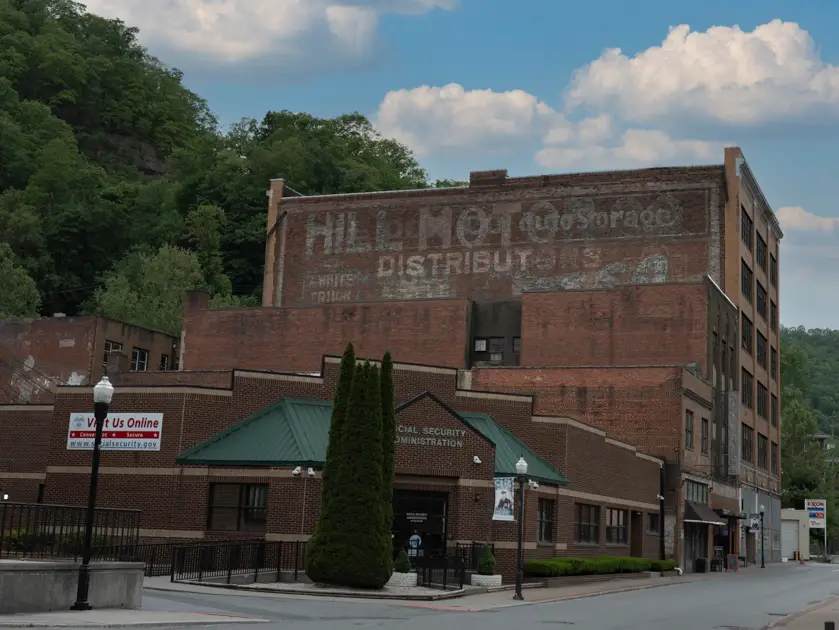
Travelers who only visit the region’s famous parks miss an important part of Appalachia’s story.
McDowell County helped me understand that reality.
Sometimes travel isn’t about finding beautiful places.
Sometimes it’s about understanding them.
Read More: A Drive Through Real Appalachia: Exploring McDowell County, West Virginia
Coalwood and the Legacy of October Sky
One of the most fascinating places we visited was Coalwood, West Virginia.
Many travelers know Coalwood because of Homer Hickam’s memoir Rocket Boys and the film October Sky.
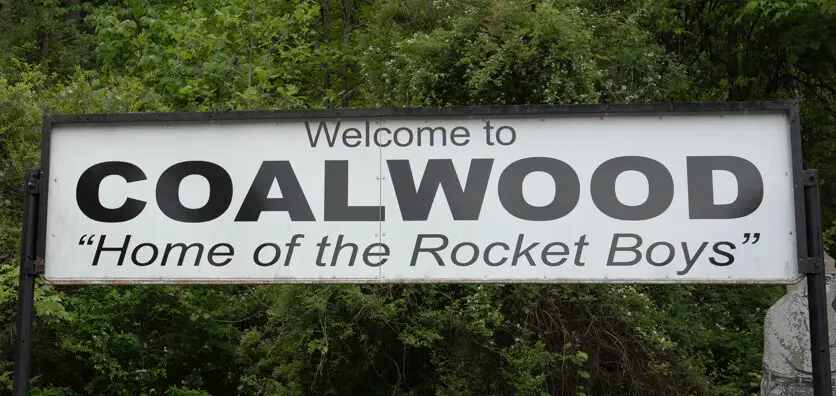
Standing in Coalwood today, it’s easy to imagine the world that inspired those stories.
Like many Appalachian company towns, Coalwood was built around coal mining. Generations of families worked in the mines, and the town’s future seemed tied entirely to the industry.
Then a group of young boys looked toward the sky.
The story of Homer Hickam and the Rocket Boys remains one of Appalachia’s most inspiring stories because it demonstrates the power of curiosity, education, and determination.
Coalwood is much more than a movie location.
It’s a reminder that extraordinary stories can emerge from the most unexpected places.
Read: Coalwood and the Legacy of October Sky
Driving West Virginia’s Coal Heritage Trail
Not every scenic drive is about mountain vistas.
The Coal Heritage Trail tells a different story.
The route winds through former coal camps, active mining communities, historic company towns, railroad communities, and landscapes that helped fuel America’s industrial growth.
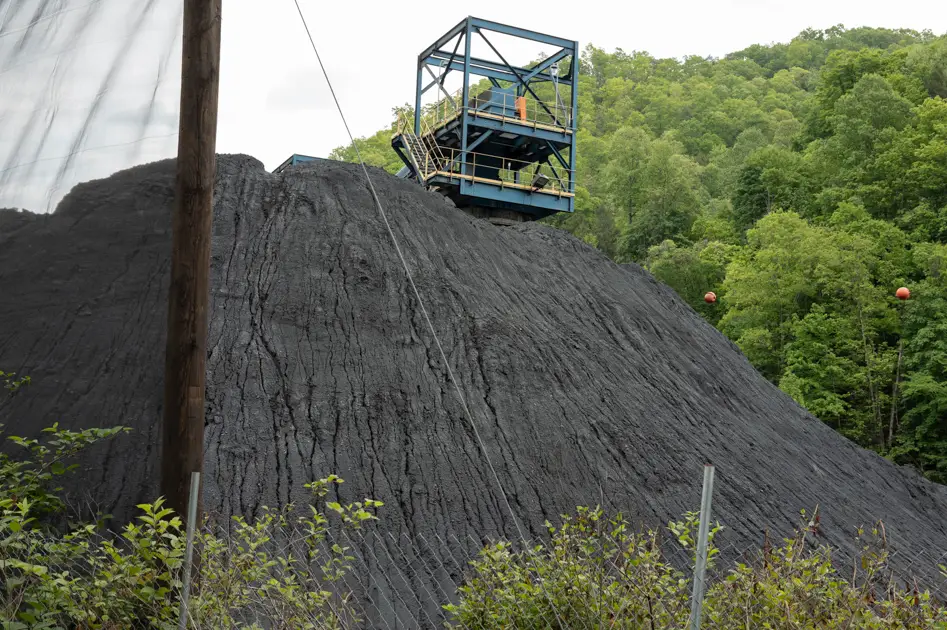
Along the way, you’ll encounter places like Welch, Mullens, Itmann, Glen Jean, Coalwood, and Thurmond.
The scenery is beautiful.
The history is unforgettable.
This drive became one of the most meaningful road trips I’ve experienced because it combines natural beauty with a deeper understanding of the people who shaped the region.
Read: Driving West Virginia’s Coal Heritage Trail: Through the Heart of Appalachia
New River Gorge National Park: Where Nature and History Meet
One of Appalachia’s newest and most talked-about destinations is New River Gorge National Park and Preserve in southern West Virginia.
While many visitors arrive to see the famous New River Gorge Bridge, they quickly discover that the park offers much more than a single viewpoint.
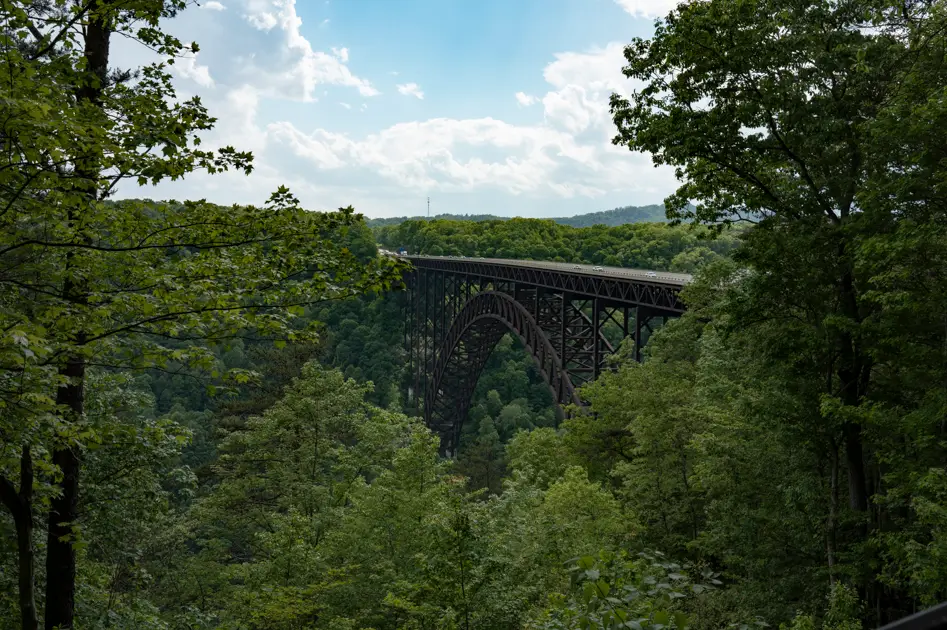
The New River is actually one of the oldest rivers in North America, carving a deep canyon through the Appalachian Mountains over millions of years. Today, the park protects more than 70,000 acres of forests, cliffs, rivers, historic sites, and outdoor recreation opportunities.
For outdoor enthusiasts, the park is known for world-class whitewater rafting, hiking trails, rock climbing, fishing, and scenic overlooks. Visitors can explore miles of trails that lead to waterfalls, abandoned mining sites, railroad remnants, and sweeping views of the gorge below.
What surprised me most was how closely the park’s natural beauty and human history are connected. Long before the area became a national park, coal mines and railroads shaped life throughout the gorge. Entire communities grew along the river, helping transport Appalachian coal to the rest of the country.
It’s about history
That history is still visible today.
Old railroad grades, abandoned mining infrastructure, and historic towns tell the story of the people who lived and worked here. For travelers interested in understanding Appalachia beyond the scenery, New River Gorge offers a unique opportunity to experience both the landscape and the history that helped define the region.
Photographers will find opportunities throughout the park. Sunrise and sunset often bring dramatic light to the gorge, while fog can fill the valley on cool mornings. The New River Gorge Bridge is especially impressive during the golden hours, when changing light adds depth and texture to the surrounding mountains.
Whether you’re visiting for outdoor adventure, photography, history, or simply to experience one of Appalachia’s most beautiful landscapes, New River Gorge deserves a place on any Appalachian road trip itinerary.
Thurmond: A Railroad Town Frozen in Time
Hidden deep within New River Gorge National Park, Thurmond feels like a place caught between past and present.
At one time, this tiny town was a bustling railroad hub. Coal trains rolled through daily, carrying Appalachian coal to power homes, factories, and railroads across America. Businesses lined the streets, hotels welcomed travelers, and the railroad station served as the town’s beating heart.
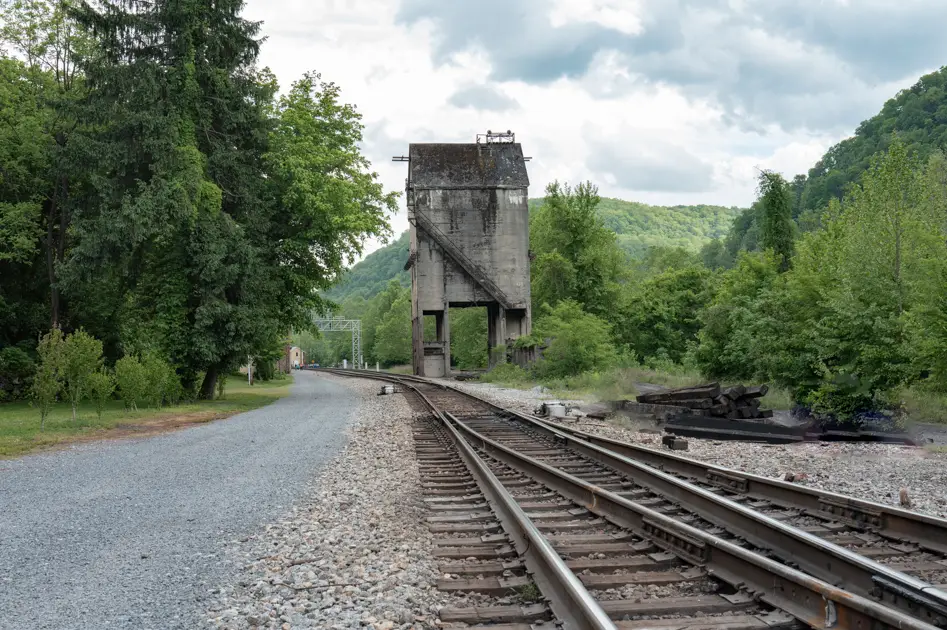
Today, only a handful of residents remain.
Walking through Thurmond is like stepping into a living history museum. The old depot still stands. Historic buildings line the tracks. The massive coaling tower serves as a reminder of the town’s importance during the height of the steam locomotive era.
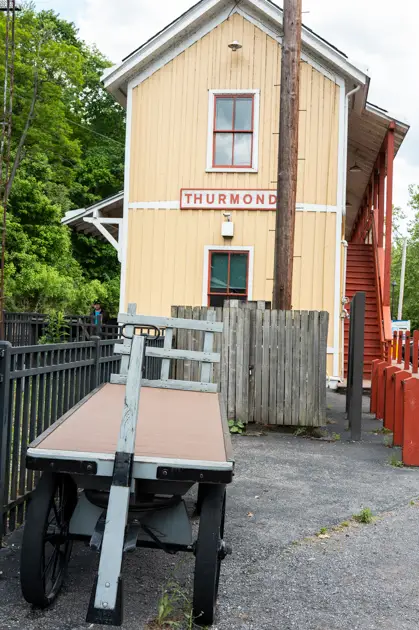
For photographers, it’s one of the most fascinating places in Appalachia. Every weathered board, rusted rail, and empty street tells a story.
Read: Thurmond, West Virginia: The Ghost Town Hidden in the New River Gorge
Small Towns That Reward Curiosity
Throughout Appalachia, some of my favorite discoveries have happened when I simply followed a road that looked interesting.
The region is filled with communities where historic storefronts, family-owned diners, and mountain traditions still thrive.
Places like Lexington, Virginia, Blowing Rock, North Carolina, and Townsend, Tennessee offer plenty of charm, but don’t overlook the smaller communities scattered between them. Those unexpected stops often become the memories that stay with you long after the trip ends.
One lesson I’ve learned repeatedly is that Appalachia rewards curiosity.
Take the side road.
Stop at the country store.
Strike up a conversation.
You never know what story you’ll uncover.
Photographing Appalachia: Capturing More Than Scenery
When most photographers think of Appalachia, they picture mountain overlooks, waterfalls, and layers of blue ridges fading into the distance.
Those photographs are beautiful.
I take them myself.
But some of my favorite images from Appalachia don’t include a mountain vista at all.
They’re photographs of places.
Places that tell stories.
An old railroad station in Thurmond.
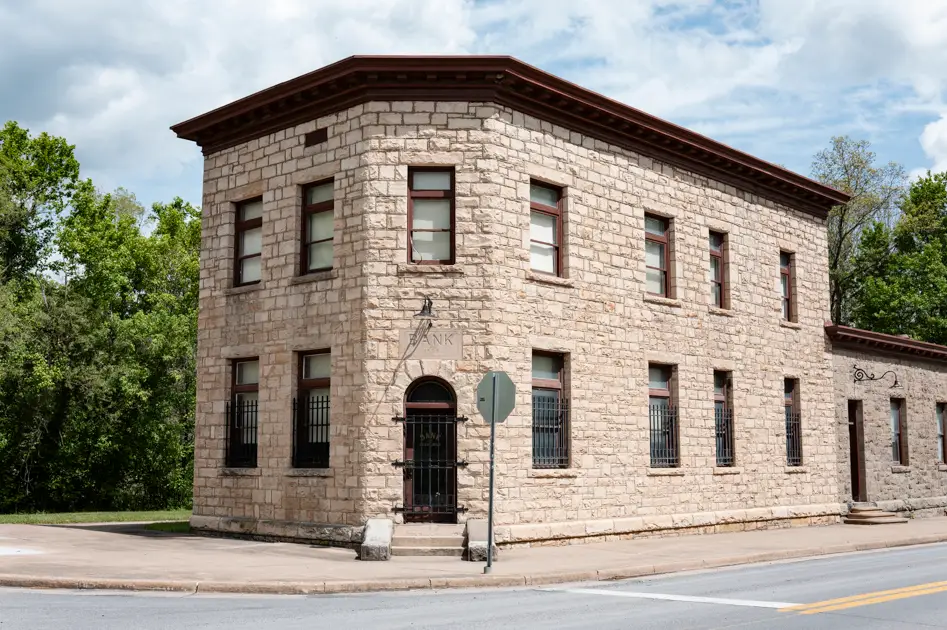
A weathered company store in Itmann.
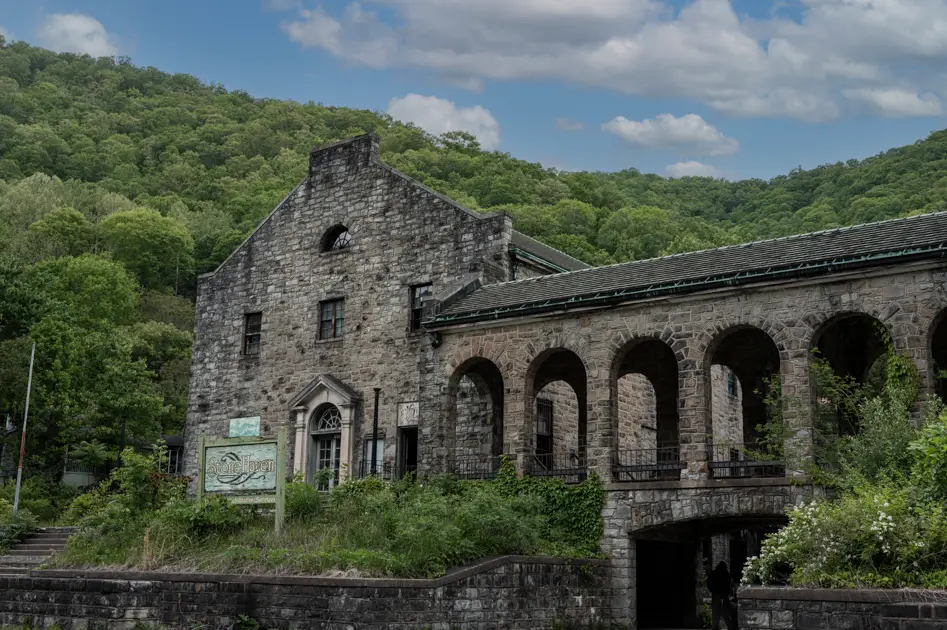
A faded sign welcoming visitors to Coalwood.
A quiet road disappearing into a holler.
A coal miner’s memorial standing as a tribute to generations of workers.
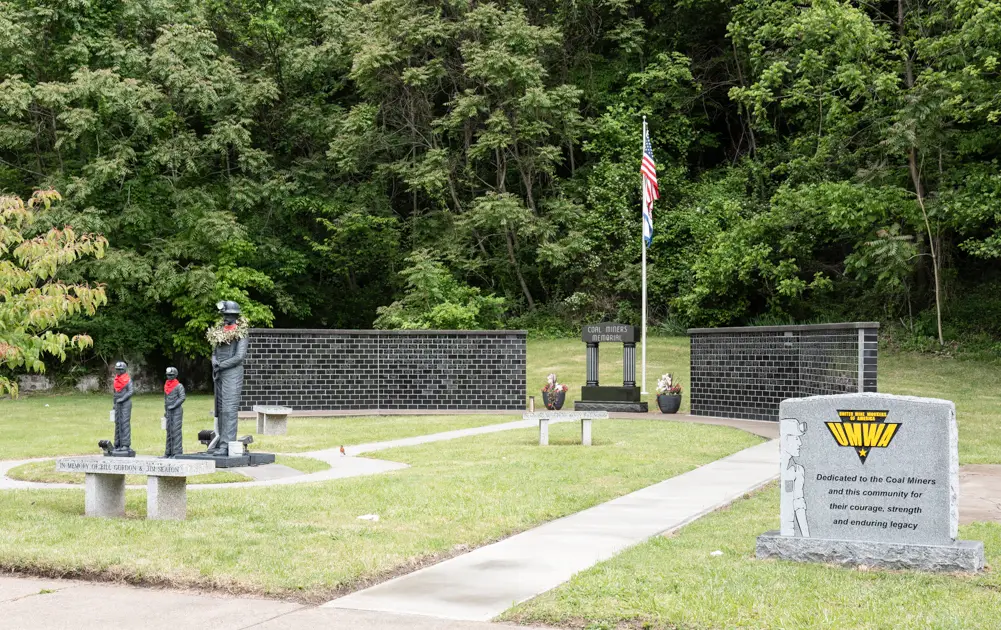
These images reveal something deeper about the region.
They tell stories about the people who lived here, worked here, raised families here, and continue to call these mountains home.
As I’ve grown as a photographer, I’ve become increasingly interested in photographing stories rather than simply documenting scenery.
Appalachia is one of the best places in America to practice that approach.
The landscapes provide the setting.
The communities provide the story.
Read:
- Photography Beyond the Scenic Overlook
- Photographing Appalachia: Capturing Stories Through the Lens
Photography Tips for the Region
The Appalachian Mountains are famous for rapidly changing weather, and that’s good news for photographers.
Fog can transform an ordinary landscape into something magical. Rain often enhances colors and creates dramatic clouds. Early mornings provide soft light and quiet roads.
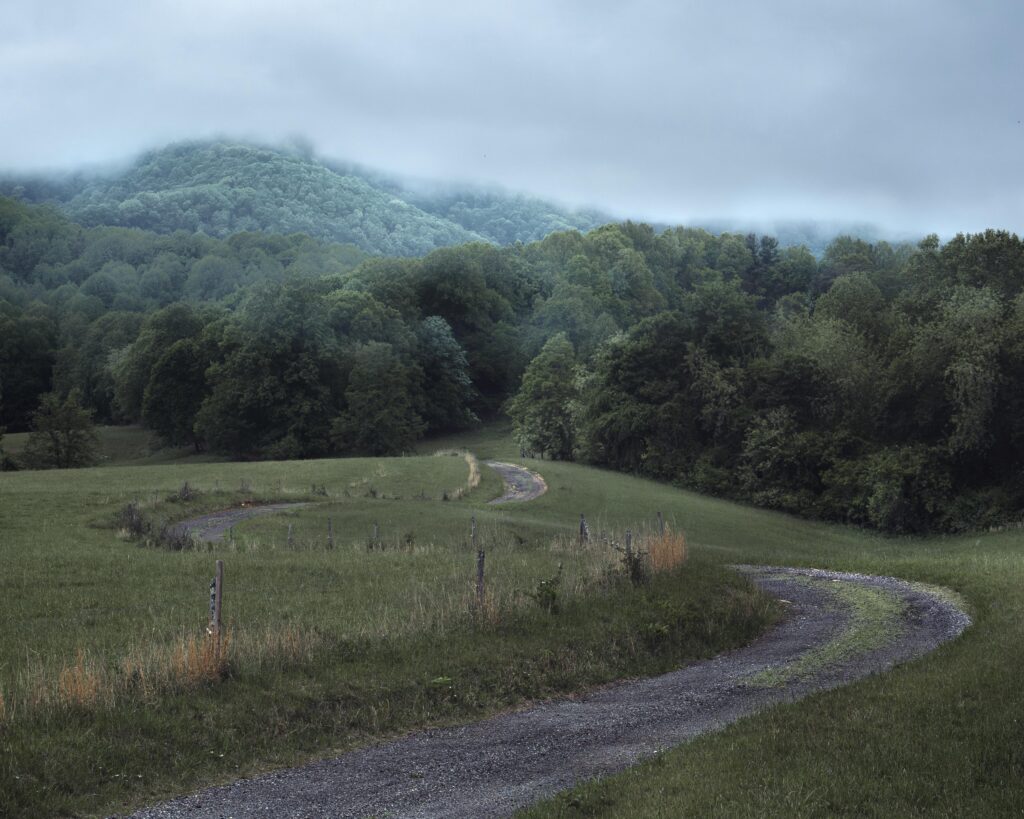
Some of my favorite photography opportunities include:
- Sunrise along the Blue Ridge Parkway
- Fog-filled valleys in the Smokies
- Historic railroad structures in Thurmond
- Waterfalls after rainfall
- Small-town main streets
- Country churches and barns
- Mountain roads winding through remote hollers
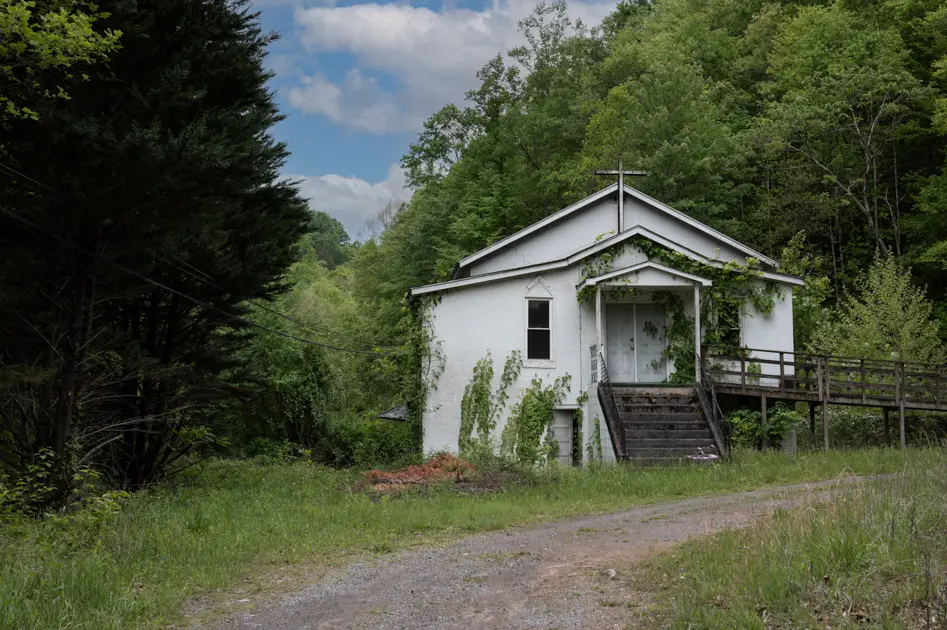
Most importantly, don’t spend the entire trip chasing famous overlooks.
Sometimes the strongest photograph is the one you discover while exploring a road that wasn’t on the itinerary.
When to Visit Appalachia
One of the reasons I return to Appalachia so often is that every season offers something different.
Fall
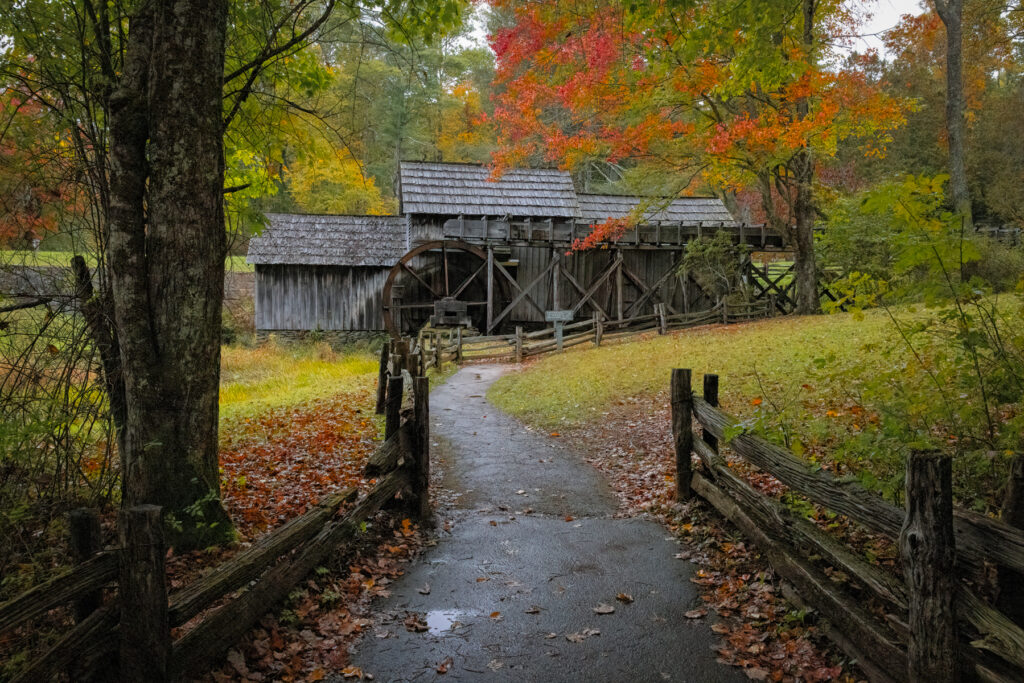
Fall is the season most travelers dream about.
The mountains come alive with shades of red, orange, and gold. Scenic drives become unforgettable experiences, and photographers can easily fill memory cards faster than expected.
Peak color varies by elevation and latitude, but generally stretches from late September through early November.
Spring
Spring brings waterfalls, wildflowers, and fresh green forests.
Dogwoods bloom, mountain streams run high, and hiking trails come alive after winter. It’s one of the best times to photograph waterfalls and explore lower-elevation areas.
Summer
Summer offers long days, lush landscapes, and cooler temperatures at higher elevations.
The Blue Ridge Parkway, Shenandoah National Park, and the Great Smoky Mountains provide excellent escapes from the heat often found in surrounding regions.
Winter
Winter remains Appalachia’s most underrated season.
The crowds disappear. Bare trees reveal views hidden during other times of the year. Snow occasionally transforms the landscape into a quiet wonderland.
Some roads may close during winter weather, but those willing to adapt are often rewarded with solitude and beautiful photographic opportunities.
Where to Stay
One advantage of traveling through Appalachia is the wide variety of lodging options available.
You’ll find everything from mountain cabins and historic inns to modern hotels and resorts.
For travelers seeking a classic mountain experience, a cabin with a porch overlooking the ridges is hard to beat. There’s something special about watching morning fog rise from a valley while drinking coffee and planning the day’s adventures.
For longer road trips, I often mix cabins with hotels. Using Hilton points has helped us extend many of our trips while keeping costs manageable.
Regardless of where you stay, book early if you’re planning a fall visit. Peak foliage season is extremely popular throughout much of the region.
Traveler or Vacationer? Appalachia Offers Both
One theme that appears often throughout my writing is the difference between being a vacationer and being a traveler.
Neither approach is right or wrong.
They’re simply different ways of experiencing a place.
A vacationer may come to Appalachia for a weekend getaway, visit a few overlooks, enjoy the scenery, and return home with wonderful memories.
A traveler often looks for something more.
They want to understand the places they visit.
And they wonder why towns developed where they did.
They stop at museums. Then ask questions. They learn local history. And explore roads that don’t appear in guidebooks.
During my recent travels through southern West Virginia, I found myself spending as much time learning about coal mining, railroad history, company towns, and Appalachian culture as I did photographing landscapes.
Those experiences became some of the most memorable parts of the trip.
The mountains are beautiful.
But understanding the people who have lived among them for generations makes the experience far richer.
That’s what keeps drawing me back.
Read: Traveler vs Vacationer: What’s the Difference and Which One Are You?
Bringing It All Together
The Appalachian Region can certainly be experienced through its famous destinations.
Shenandoah National Park.
Those places deserve their reputation.
But after spending years exploring these mountains, I’ve come to believe that Appalachia’s greatest treasures aren’t always found at the overlooks.
They are:
- found in the stories
- in places like Coalwood, where a group of young boys dreamed of rockets
- found in Thurmond, where railroad history still echoes through empty streets.
- found in the hollers that shaped generations of Appalachian families
- and in communities like McDowell County, where resilience remains part of daily life
They’re found in communities like McDowell County, where resilience remains part of daily life.
The mountains provide the backdrop.
The people provide the soul.
If there’s one lesson Appalachia has taught me, it’s that slowing down leads to deeper experiences.
Take the scenic route.
Stop in the small towns.
Listen to the stories.
Pull over when the light looks interesting.
Allow yourself to wander.
Because while the mountain views are unforgettable, it’s often the unexpected moments between destinations that stay with you the longest.
The Appalachian spirit isn’t about checking destinations off a list.
It’s about discovering the beauty, history, and humanity that exist between the overlooks.
And that’s a journey worth taking.
Frequently Asked Questions About Traveling in Appalachia
What states are part of Appalachia?
While many travelers associate Appalachia primarily with the Great Smoky Mountains or the Blue Ridge Parkway, the region is far more diverse. It includes everything from the coal towns of southern West Virginia to the rolling hills of Pennsylvania and the forests of northern New England.
What is the best scenic drive in Appalachia?
For travelers interested in Appalachian history and culture, West Virginia’s Coal Heritage Trail offers a completely different experience, combining mountain scenery with company towns, railroad history, and communities that helped power America’s industrial growth.
What is a holler?
A holler is more than a geographic feature—it’s an important part of Appalachian culture and identity. The landscape often shaped how communities developed, how people traveled, and how neighbors relied on one another. Understanding the holler helps visitors better understand the history and culture of Appalachia itself.
Is Appalachia Safe to Visit?
As with any destination, it’s wise to use common sense, stay aware of your surroundings, and be prepared for mountain driving conditions. Some remote areas may have limited cell service, so downloading maps before your trip is a good idea.
In my experience, one of the defining characteristics of Appalachia is the friendliness of the people. I’ve often found locals willing to share recommendations, directions, and stories about their communities.
What is the best time to visit Appalachia?
Spring is another excellent time to visit, with blooming wildflowers, flowing waterfalls, and mild temperatures. Summer offers lush green landscapes and cooler mountain temperatures, while winter provides solitude, dramatic scenery, and unique photography opportunities.
Personally, I don’t think there’s a bad time to visit Appalachia. Each season reveals a different side of the mountains.
How many days do you need for an Appalachian road trip?
For first-time visitors, I recommend combining Shenandoah National Park, the Blue Ridge Parkway, and the Great Smoky Mountains into a single road trip. Travelers looking to explore deeper can add West Virginia destinations such as New River Gorge National Park, Thurmond, Coalwood, and the Coal Heritage Trail.
The biggest mistake many visitors make is trying to see too much too quickly. Appalachia rewards slow travel. Some of the best experiences happen when you take the back roads, stop in small towns, and allow time for unexpected discoveries.
Why is Appalachia often misunderstood?
For decades, movies, television programs, and news stories have frequently focused on poverty, economic decline, and social challenges. While those realities exist in some communities, they represent only part of a much larger story.
Appalachia is a region of remarkable natural beauty, rich cultural traditions, strong family ties, deep community roots, and a history that helped shape America. The mountains have produced musicians, writers, inventors, miners, railroad workers, farmers, and entrepreneurs whose contributions are woven into the fabric of the country.
During my travels through southern West Virginia, I visited places like McDowell County, Coalwood, Thurmond, and the small communities scattered along the Coal Heritage Trail. What I found was far more complex than the stereotypes often portrayed from afar. I saw both hardship and resilience. I saw communities preserving their history while adapting to change. Most importantly, I met people who care deeply about the places they call home.
One of the best ways to understand Appalachia is to slow down and experience it for yourself. Drive the back roads. Visit the small towns. Learn about the region’s coal mining and railroad history. Explore a holler. Talk with local residents.
The mountains are beautiful, but the people and their stories are what truly define Appalachia.
Like many places in America, Appalachia cannot be understood through a single headline, photograph, or stereotype. It deserves to be experienced with curiosity, respect, and an open mind.
Explore More Appalachia
If this guide inspires you to explore deeper into the Appalachian Mountains, you may also enjoy:
- Exploring McDowell County: A Journey Through Appalachia’s Hidden Heart
- What Is a Holler? Discovering Appalachia Beyond the Stereotypes
- Coalwood and the Legacy of October Sky
- Driving West Virginia’s Coal Heritage Trail: Through the Heart of Appalachia
- Thurmond, West Virginia: The Ghost Town Hidden in the New River Gorge
- Photographing Appalachia: Capturing Stories Through the Lens
- Photography Beyond the Scenic Overlook
- Exploring the Smoky Mountains National Park: History, Hikes, and Hidden View
- Blue Ridge Parkway Road Trip Guide: Scenic Stops, Mileposts and Travel Tips
- Exploring Natural Bridge in Lexington, VA: A Timeless Natural Wonder
Each of these stories explores a different side of Appalachia—from its landscapes and history to the communities and cultures that continue to shape the region today.
Explore More Regions
If you’re planning a larger USA road trip, don’t miss the other regions in my Off-the-Beaten-Path series. Each one captures a different piece of America’s hidden beauty:
- Northwest Region Travel Guide – Mountains, forests, and wild coastlines.
- Southwest Region Travel Guide — Red rock canyons, desert highways, and timeless light.
- Midwest Region Travel Guide – Rolling prairies and friendly small towns.
- Northeast Region Travel Guide – Covered bridges and coastal charm.
- Southeast Region Travel Guide – Spanish moss, historic towns, and coastal gems.
- Alaska Travel Guide – Untamed wilderness and dramatic light.
- Hawaii Travel Guide – Island beauty and volcanic wonder.
For more inspiration beyond this region, see my main guide to Scenic Drives and Road Trips Across America.
Looking for more Appalachian Region travel ideas?
📬 Want more travel stories and photography tips? Subscribe to my Back Roads Lens newsletter for behind-the-scenes photography notes and upcoming route ideas.