
Why We Wanted to See the Real Appalachia
The older we get, the more we find ourselves drawn to places that still feel real. Not polished. Not curated. Just honest. That was what led my husband and me to the Coal Heritage Trail in southern West Virginia. We weren’t looking for trendy mountain towns filled with souvenir shops and crowded overlooks. We wanted to see the heart of Appalachia—the quiet roads, the coal towns tucked deep in the mountains, and the places where history still lingers around every bend.
The Coal Heritage Trail winds through some of the most rugged and fascinating parts of West Virginia. Along the way, we found winding mountain roads, old company towns, weathered buildings, coal tipples standing like reminders of another era, and some of the friendliest people you could ever meet. This wasn’t the Appalachia you see on postcards. It was something better. It felt authentic.
Like many of our trips, this journey wasn’t about checking attractions off a list. It was about slowing down and seeing what still exists beyond the main highways. Some places felt frozen in time. Others showed signs of quiet resilience. And around nearly every curve in the road, there was another story waiting to be discovered.
If you love scenic back roads, hidden America, and destinations that tell a deeper story, the Coal Heritage Trail is one of those drives that stays with you long after you leave.
Driving Into McDowell County
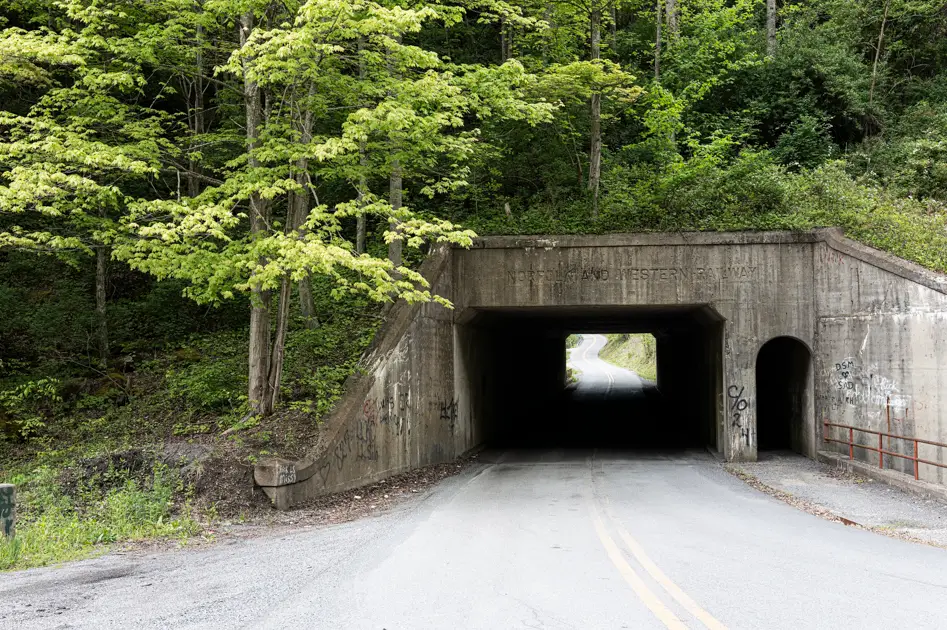
As we crossed into McDowell County, it immediately felt different from the West Virginia most travelers see. This is the poorest county in the state, and in many ways, it tells the story of what happened when the coal industry that once built these towns began to disappear. At one time, McDowell County was one of the richest coal-producing counties in America. Towns were booming, stores were full, and Welch was known as the “Heart of the Nation’s Coal Bin.” But when coal mining became heavily mechanized and jobs disappeared, so did much of the population and prosperity. Today, the county has lost more than 80% of its peak population.
Still, what struck us most wasn’t despair. It was resilience.
Welch: More Resilient Than We Expected
Our first stop was Welch, the county seat tucked deep into the mountains. Before visiting, I had watched several YouTube videos that painted Welch as almost abandoned and completely run down. Honestly, I expected a town that looked forgotten. But that wasn’t what we found at all. A true lesson that it is best to explore yourself.
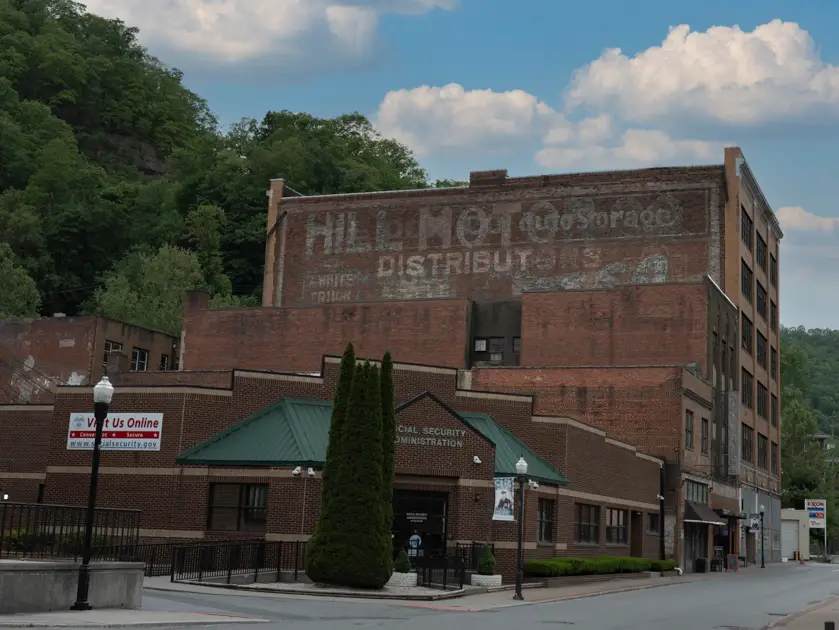
Yes, there were empty buildings and reminders of harder times, but there were also signs of life and renewal. Parts of downtown appeared to be undergoing renovation, and there was a sense that people here genuinely cared about preserving the town instead of giving up on it. Historic buildings still lined the streets, and Welch had far more character than the videos had captured. Like many Appalachian towns, it felt layered — part struggling, part surviving, and part quietly trying to reinvent itself. There are ongoing revitalization and economic development efforts throughout McDowell County focused on rebuilding the community and preserving its history.
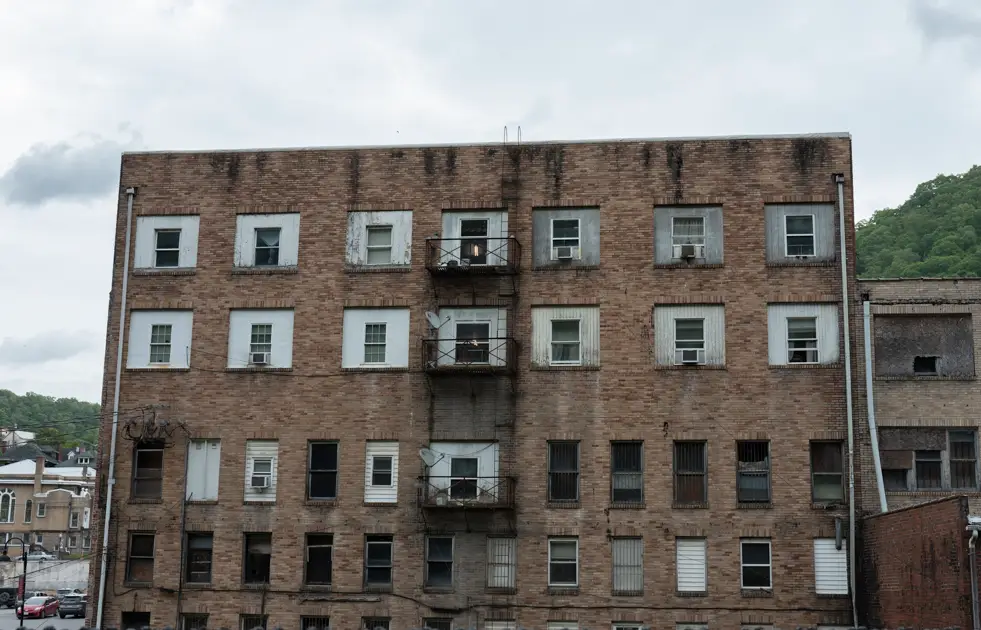
Driving into Welch felt like stepping into a piece of living Appalachian history. The mountains rise sharply around the town, the roads twist along the rivers, and everywhere you look there are traces of the coal era that once defined this region. It wasn’t polished or touristy. And honestly, that was exactly what we were hoping to find.
Discovering a Real Appalachian Holler
Before we reached Welch, we found ourselves chasing something we had heard about for years — a real Appalachian “hollow.” Or, as the locals say, “holler.” We had heard the term countless times in documentaries, movies, conversations, and you tube videos about Appalachia, but we wanted to see what it actually looked like beyond the stereotypes.
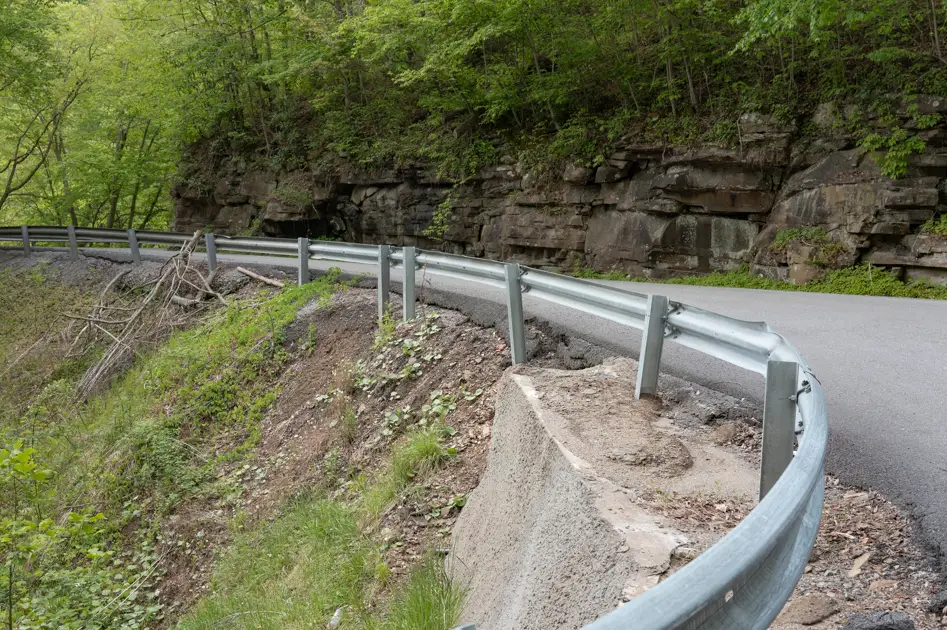
Somewhere along the winding back roads toward Welch, we spotted a narrow dirt road disappearing into the mountains and decided to follow it. Almost immediately, it felt like we had stepped into another world. The road twisted deeper into the valley with steep mountainsides rising tightly on both sides. Small homes sat scattered along the creek and hillside, some still lived in and others slowly being reclaimed by time and nature.
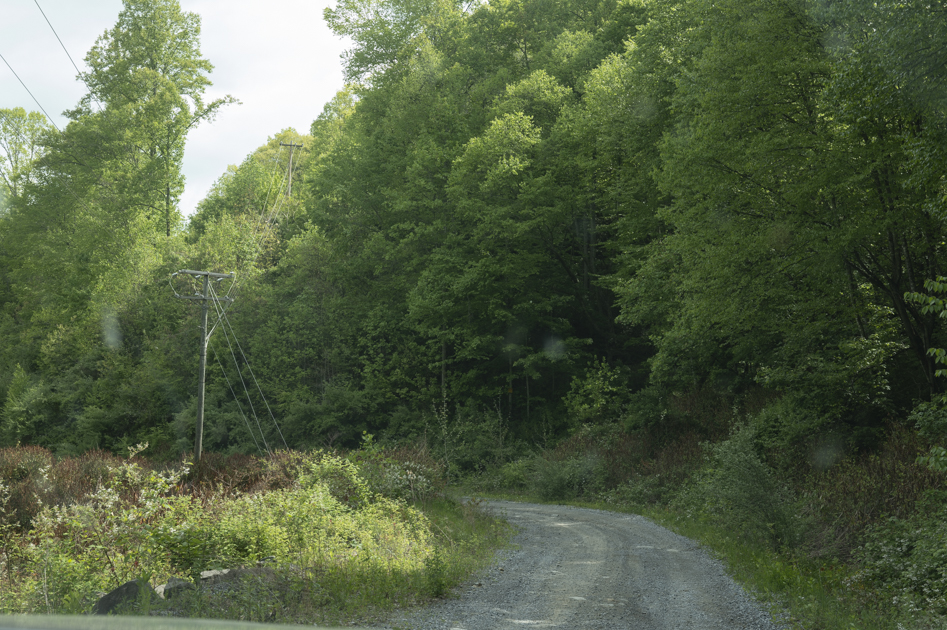
It was an eye opener. There’s really no other way to describe it.
An Eye Opener
Many of the homes showed signs of deep poverty, and quite a few appeared abandoned altogether. Rusted vehicles, weathered porches, collapsing buildings, and uneven dirt driveways told stories that words probably never fully could. Yet even there, you could still see signs of life — a porch chair facing the mountains, laundry hanging outside, flowers planted near a mailbox. It felt incredibly real and deeply human. And it didn’t take long for us to realize just how deeply the closing of the coal mines had impacted this region. Entire communities that once depended on mining for jobs and stability were left struggling when those jobs disappeared. In places like this holler, you could still see the effects everywhere you looked.
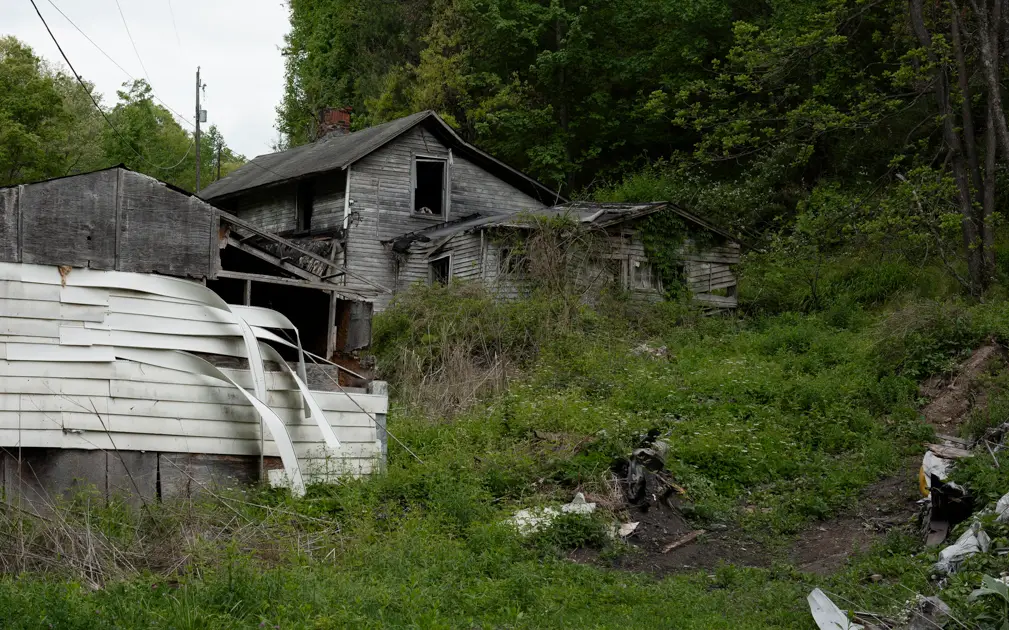
Driving through that holler was one of those moments that stays with you. Not because it was picturesque in the traditional sense, but because it gave us a glimpse into a part of Appalachia that most travelers never see from the interstate. It reminded us that behind every statistic and every news headline are communities, histories, and people simply trying to hold on in places their families have called home for generations.
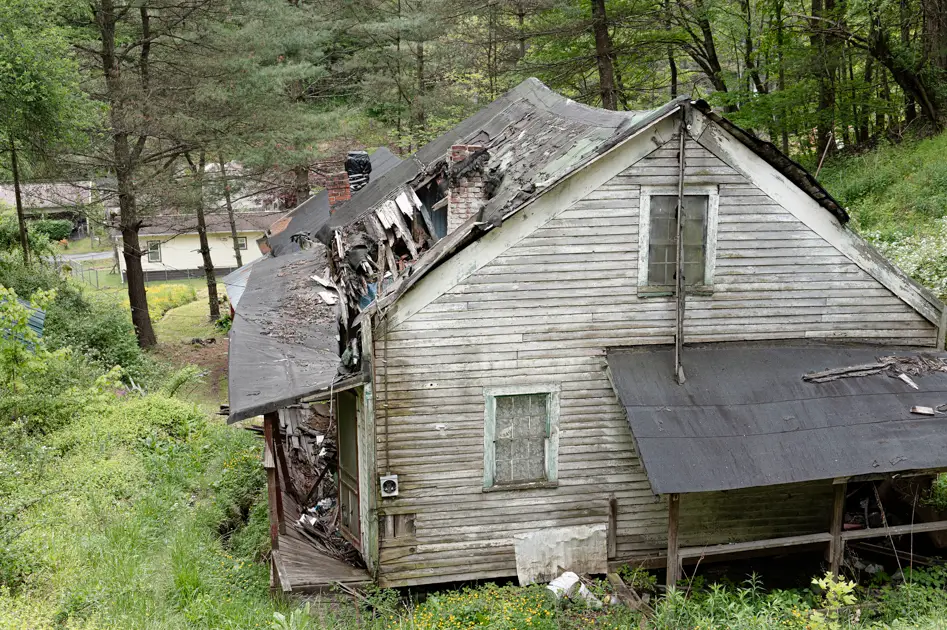
Coalwood and the Legacy of October Sky
From Welch, we continued deeper into the mountains toward the small towns of Coalwood and War. The roads narrowed, the valleys tightened, and it felt like we were traveling farther and farther into the hidden corners of Appalachia. Even Walmart has left the area and closed the store.
Coalwood was one of those places I had heard about for years because of its connection to the book and movie October Sky. This was the hometown of Homer Hickam, whose story about growing up in a coal town and dreaming beyond the mines became famous around the world. At one time, Coalwood was a thriving company town built by the coal industry, complete with homes, schools, churches, and everything miners’ families needed. Like many coal towns in southern West Virginia, much of that prosperity faded when the mines closed. Today, Coalwood feels quiet and frozen in time, with remnants of its coal history still scattered throughout the area.
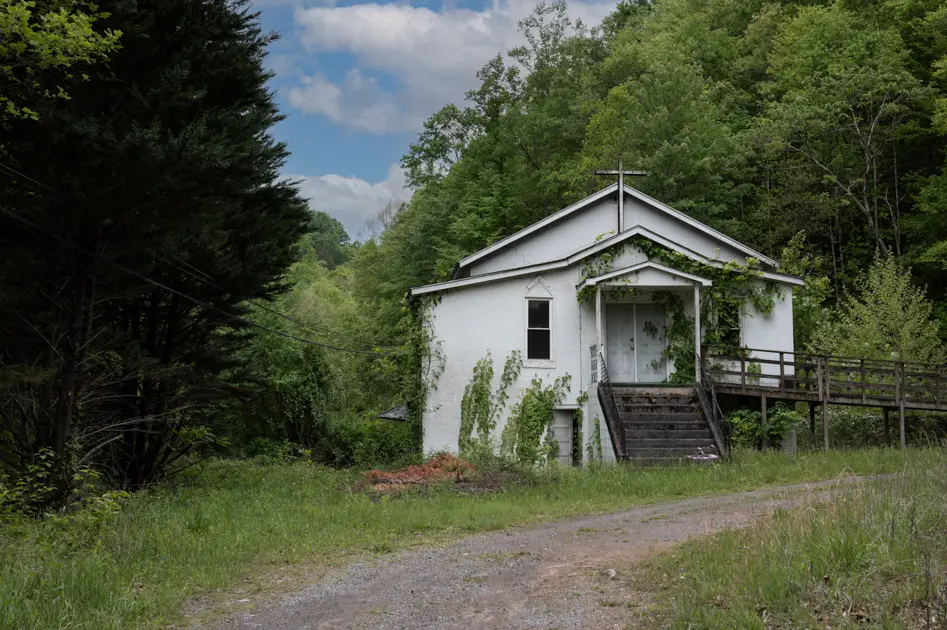
War, West Virginia and the Lasting Impact of Coal
From there, we made our way to the town of War — and the name alone seems to fit the rugged landscape surrounding it. War was once another busy coal mining town fueled by the railroads and mining industry. Today, parts of downtown tell a very different story. Many of the old brick buildings sit abandoned, their faded storefronts standing as reminders of busier days long gone. It had an almost haunting feeling in places, especially with the mountains towering tightly around the town.
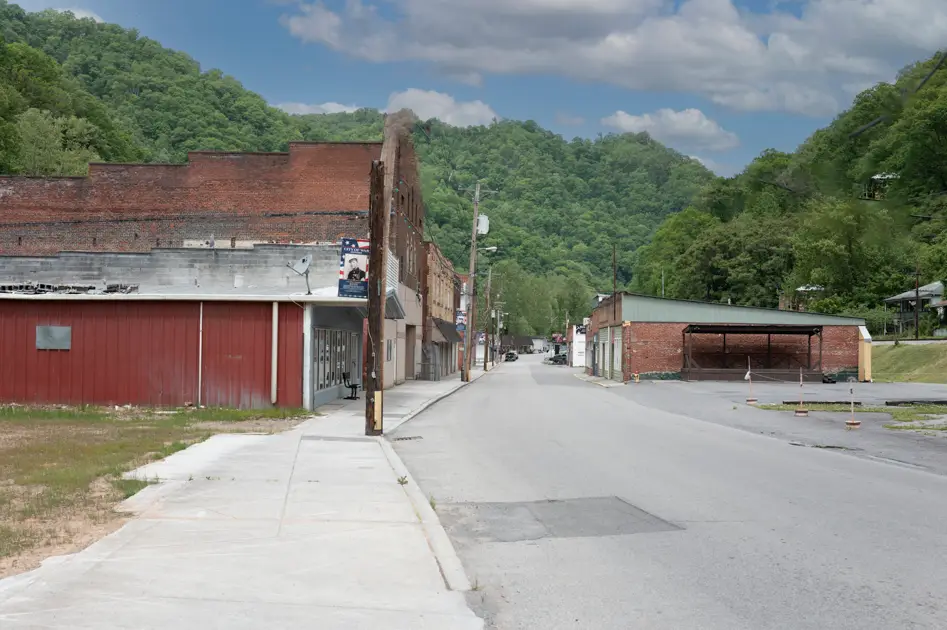
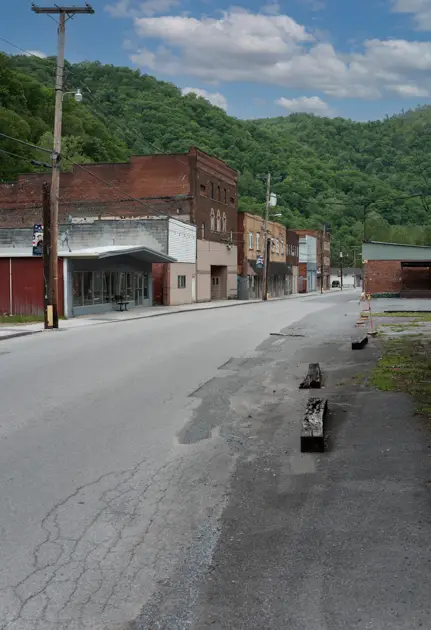
But what stood out to us was that War didn’t feel completely defeated.
War Revival
There were still signs of people trying. We noticed food trucks operating in town, locals out and about, and homes that were clearly cared for sitting not far from abandoned properties slowly falling apart. That contrast seemed to define much of what we were seeing throughout the Coal Heritage Trail. One house would look beautifully maintained while the next sat empty and weathered by time. It felt like a region caught somewhere between hardship, survival, and hope.
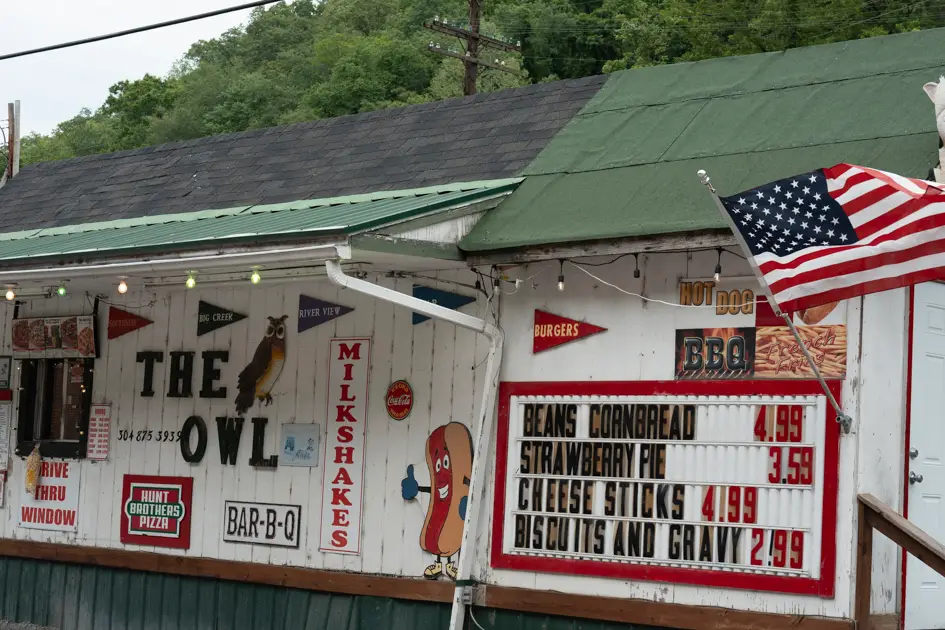
The deeper we traveled into these towns, the more we realized this trip wasn’t just about scenery. It was about understanding the complicated history of Appalachia — the rise of coal, the collapse that followed, and the people who still call these mountain towns home despite everything that has changed.
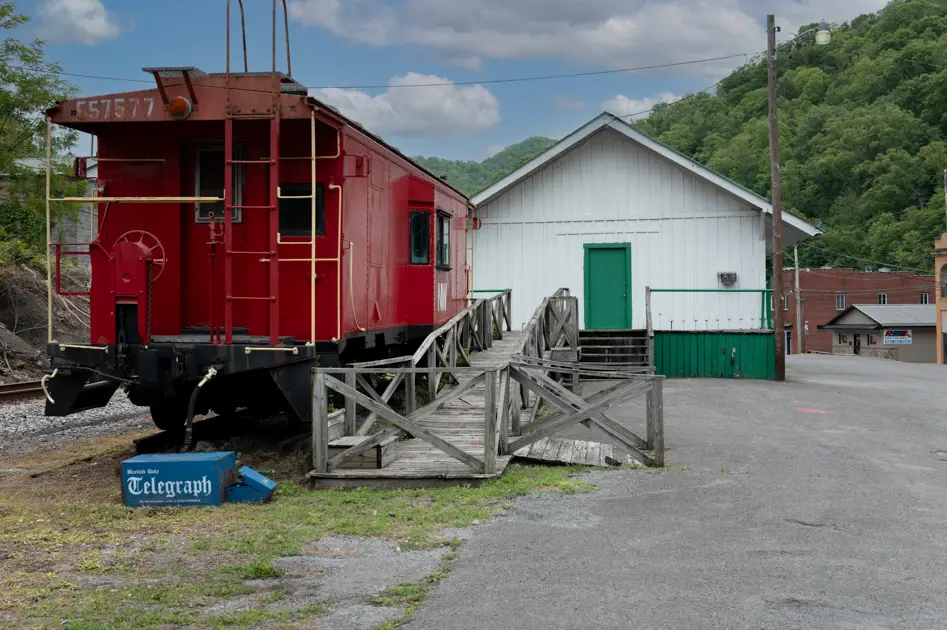
Seeing an Active Coal Mine in Appalachia
Just outside the town of War, we rounded a curve and suddenly came upon something I honestly wasn’t expecting to see — an active coal mine. For some reason, I had assumed most of the mines in this part of Appalachia had long since closed. But as we continued along the Coal Heritage Trail, we realized coal mining is still very much a part of life in southern West Virginia. In fact, we saw several active mining operations throughout the trip.
Seeing the mine up close was fascinating. Massive equipment sat carved into the mountainsides, with roads cut high into the hills where coal seams are reached deep within the mountains. In this part of Appalachia, coal is often mined either underground through extensive tunnel systems or through surface mining methods where layers of earth and rock are removed to reach the coal seams beneath. The mountains themselves hold layers of coal that formed hundreds of millions of years ago from ancient swamp forests. It’s strange to think that the rugged hills surrounding these tiny towns contain resources that once powered much of America.
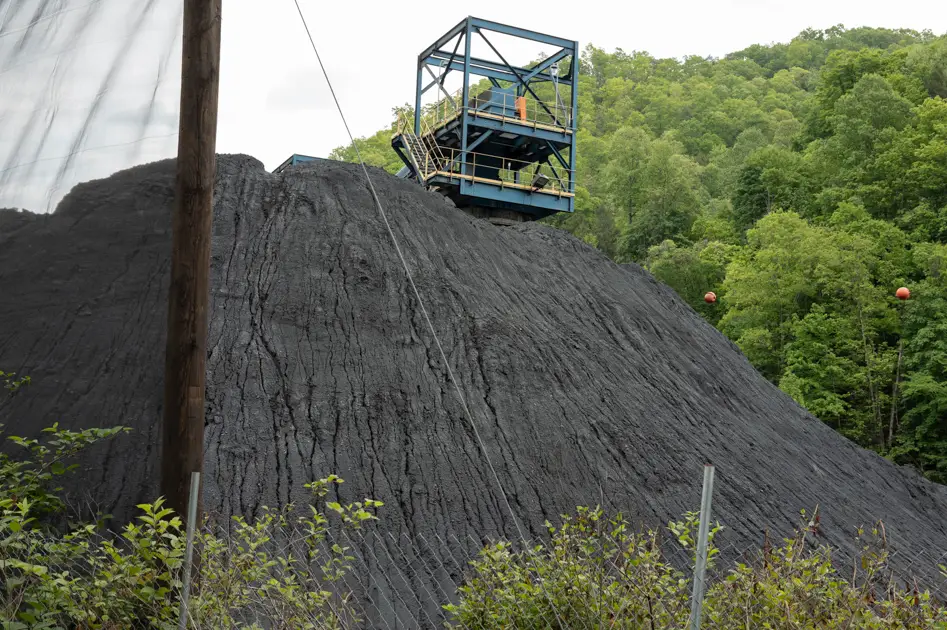
The scale of the operations surprised me too. Even from a distance, the mining equipment looked enormous against the mountains. Seeing active mines helped connect the dots between the region’s past and present. Coal may no longer dominate the economy the way it once did, but it still provides jobs and remains deeply tied to the identity of these communities.
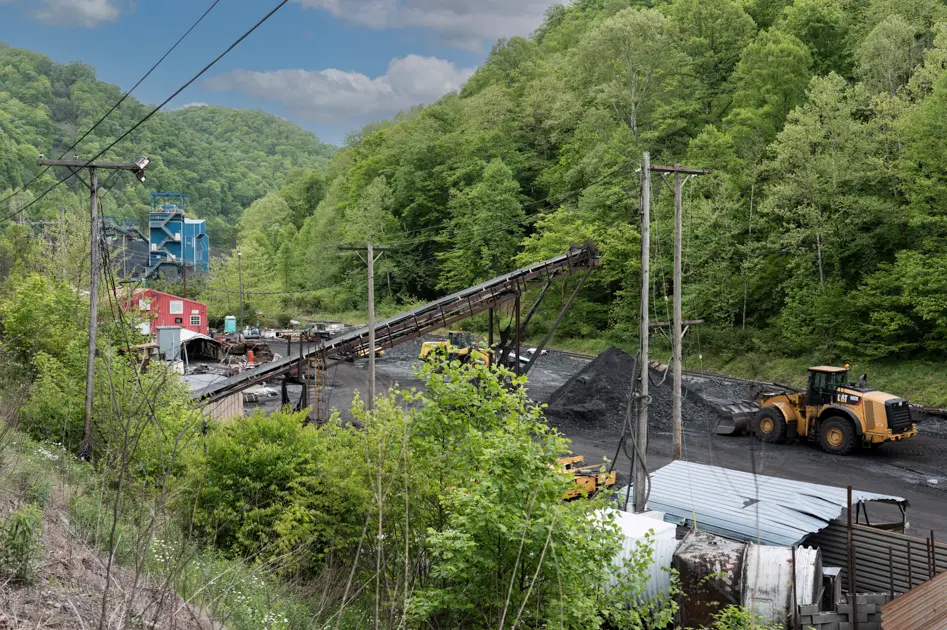
West Virginia Still a Top Coal Producing State
West Virginia still ranks among the top coal-producing states in the country, although the number of mines and mining jobs has declined dramatically from its peak decades ago. Thousands of miners once worked throughout McDowell County alone. Today, there are still dozens of active coal mines operating across southern West Virginia, though modern mining relies far more on machinery and far fewer workers than in the past. That shift is one of the major reasons so many coal towns struggled after mechanization reduced the need for large mining workforces.
Standing there photographing the mine, I realized this trip was changing my perspective. Before visiting, coal mining had felt like history to me — something from old photographs and documentaries. But along the Coal Heritage Trail, it became clear that coal is still part of everyday life here. The mines, the railroads, the towns, and the mountains are all still connected in ways that are hard to fully understand until you see them for yourself.
Route 19N Drive
As we continued north along the Coal Heritage Trail on Route 19, the drive itself became part of the experience. The roads twisted endlessly through the mountains, following narrow valleys, rivers, and old rail lines that once carried coal out of these hills day and night. Around nearly every bend, there seemed to be another reminder of the region’s mining history — active coal operations tucked into the mountainsides, long coal trains winding through the valleys, abandoned structures slowly rusting back into the landscape, and small towns squeezed tightly between steep ridges.
It was the kind of drive we love most. No crowds. No tourist attractions every few miles. Just back roads, mountain scenery, and places that still felt authentic.
As we left McDowell County and continued north, we started noticing subtle changes. The extreme poverty we had seen in some of the hollers became less overwhelming, although signs of economic struggle were still very much present. There were more well-kept homes, a few larger businesses, and towns that appeared a little more stable. Still, throughout much of southern West Virginia, you could see how deeply the rise and fall of coal had shaped the entire region.
Millionaire’s Row
One of the more surprising sights along the drive was something locals call “Millionaire’s Row.” After miles of modest homes, abandoned buildings, and old coal towns, suddenly there were large historic houses sitting proudly along the road. Many of these homes were originally built by coal company owners, mine operators, or wealthy business leaders during the height of the coal boom years. The contrast was striking. In a region where many miners struggled through incredibly difficult working conditions, these homes stood as reminders of the wealth coal once generated for a select few.
What fascinated me most about the Coal Heritage Trail was how layered everything felt. Beauty and hardship. History and decline. Pride and struggle. One moment we’d be driving past a weathered coal town tucked into a narrow valley, and the next we’d come around a bend to sweeping mountain views that were absolutely stunning. The trail wasn’t polished or sanitized for visitors — and honestly, that was what made it unforgettable.
The Coal Miner’s Memorial
Along the Coal Heritage Trail, we also stopped at the Coal Miner’s Memorial — one of the most powerful reminders of what this region was built upon. After driving through so many former mining towns and seeing both abandoned mines and active operations, standing at the memorial made the human side of Appalachia’s coal history feel very real.
The memorial honors the thousands of coal miners who spent their lives working deep inside these mountains. Coal mining was never just a job here. It shaped entire communities, generations of families, and the identity of southern West Virginia itself. Many miners worked in incredibly dangerous conditions for long hours underground, facing risks from cave-ins, explosions, black lung disease, and machinery accidents. For decades, mining was one of the most hazardous occupations in America.
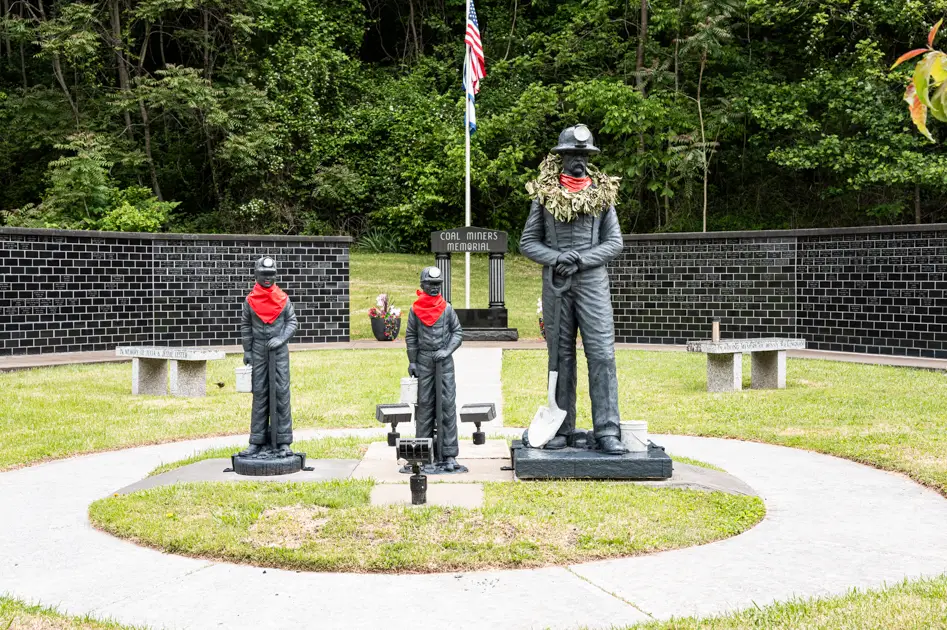
The Inscription
The inscription at the memorial especially stood out to me:
“Dedicated to the coal miners and this community for their courage, strength and enduring legacy.”
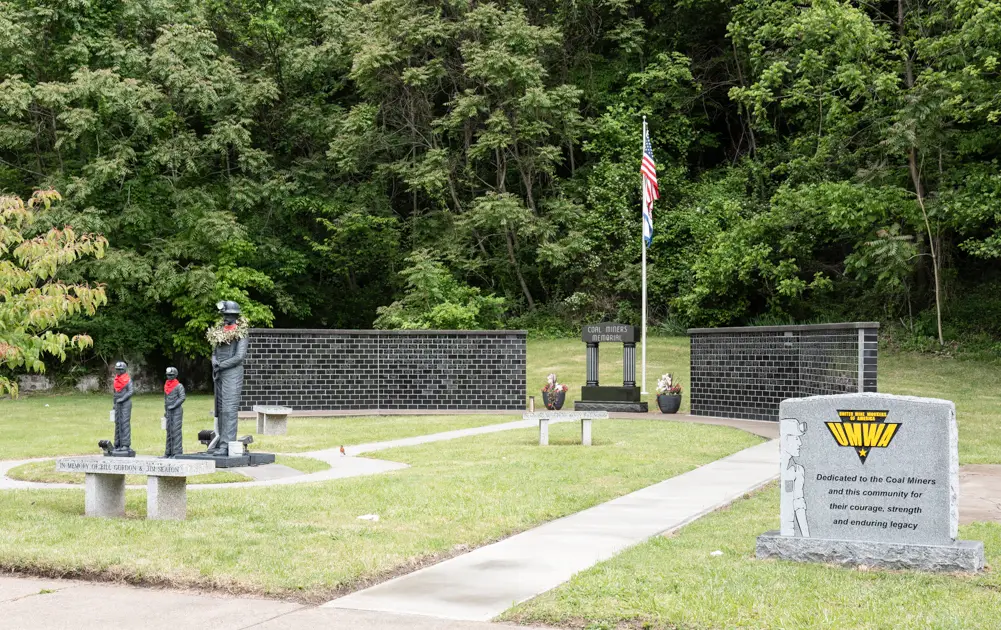
Honestly, those words perfectly captured everything we had been seeing along the Coal Heritage Trail.
What struck me most was thinking about how hard life must have been for these miners and their families. The mountains are beautiful from the outside, but deep beneath them was an entirely different world — dark tunnels stretching for miles underground where miners worked in heat, dust, and constant danger to extract the coal that helped power the country.
The memorial itself felt quiet and respectful, set against the same rugged mountains the miners once worked beneath every day. After seeing so many struggling coal towns along the trail, it also served as a reminder that behind the economic statistics and changing industries were real people whose lives revolved around these mines for generations.
Traveling the Coal Heritage Trail gave us scenic mountain drives and fascinating history, but places like the Coal Miner’s Memorial added something deeper. They reminded us that Appalachia’s story isn’t just about coal. It’s about resilience, sacrifice, family, and communities that endured through both prosperity and hardship.
The Historic Company Store in Itmann
One of the most interesting stops along the trail was the old Company Store in Itmann. Sitting against the backdrop of the mountains, the building immediately caught my attention because it felt like such an important piece of Appalachian history still standing quietly along the roadside. I made sure to stop and take pictures because places like this are slowly disappearing from the landscape.
The Itmann Company Store was once the center of daily life in this coal town. Built during the coal boom years by the Pocahontas Fuel Company, it served the miners and their families who lived in nearby company housing. In many coal towns throughout Appalachia, the company store wasn’t just a store — it was the heart of the community. Families bought groceries, clothing, tools, and everyday necessities there, often using company-issued scrip instead of regular money.
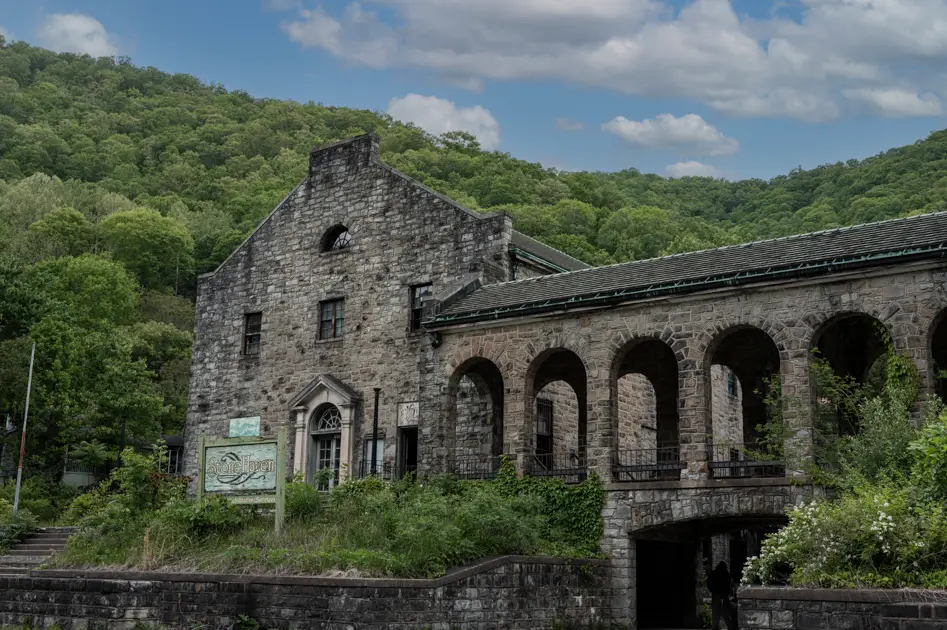
Of course, that system also tied miners closely to the coal companies they worked for. Many miners lived in company-owned homes, shopped at company stores, and depended almost entirely on the mining companies for their livelihoods. It created communities that were tightly connected but also heavily controlled by the coal industry.
Well Preserved
What fascinated me about the Itmann Company Store was how grand it still looked compared to many of the surrounding buildings. Even weathered by time, you could still see hints of the prosperity and importance this place once had. It stood as another reminder that these mountain towns were once thriving communities filled with families, businesses, schools, and daily life centered around the mines.
Driving the Coal Heritage Trail often felt like moving through layers of history, and the Company Store in Itmann was one of those places that helped bring that history to life in a very tangible way.
Glen Jean and the 1909 Bank
As we made our way toward Thurmond, another building suddenly caught our attention — an old stone bank building dating back to 1909 in the small town of Glen Jean. Sitting quietly along the roadside, it looked far more grand than you would expect for such a tiny Appalachian town. I remember thinking it almost looked out of place among the mountains and coal towns surrounding it.
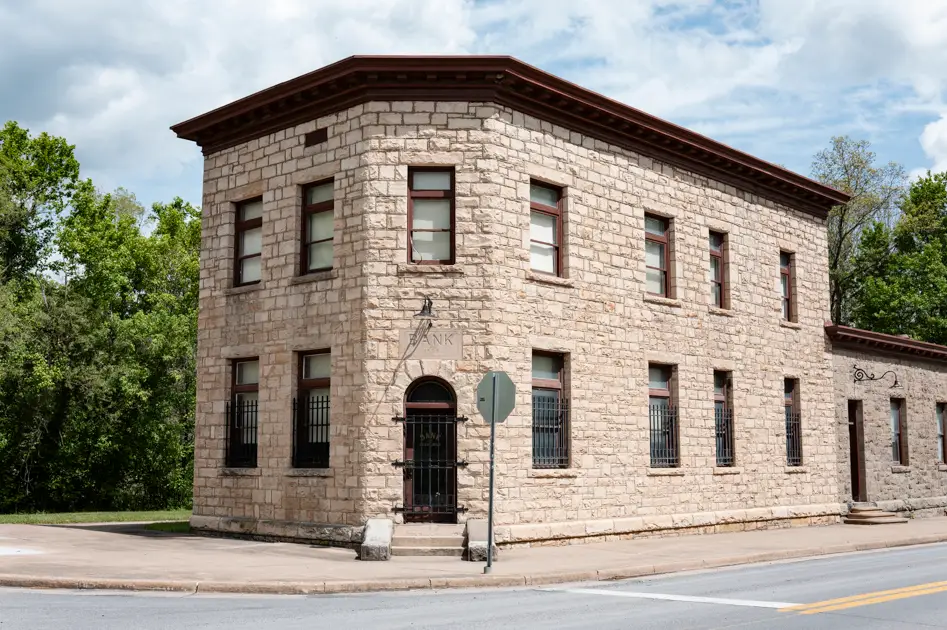
The building was the historic Bank of Glen Jean, built during the height of the coal boom years when coal barons and railroad money flowed through southern West Virginia. Constructed from massive local sandstone blocks, the bank was designed to project strength and wealth, and even today it still has an imposing presence. The thick stone walls, barred windows, and old architecture felt like stepping back into another era entirely.
At one time, Glen Jean was a thriving coal town and financial center connected to the surrounding mining operations. The bank was tied to the powerful McKell family, who owned coal mines, railroads, and large amounts of land throughout the region during the coal industry’s peak.
What fascinated me most along the Coal Heritage Trail was how these unexpected pieces of history kept appearing around every curve. One minute we were driving through isolated mountain hollers, and the next we were standing in front of a century-old bank that reflected the incredible wealth coal once brought to parts of Appalachia.
The contrast between wealth and hardship seemed to follow us throughout the entire trip.
Thurmond: West Virginia’s Hidden Ghost Town
Then we arrived in Thurmond — and honestly, it felt like stepping directly into the past.
Tucked deep inside the New River Gorge, Thurmond is one of the most authentic ghost towns we’ve visited anywhere in Appalachia. The drive into town alone adds to the experience, with narrow winding roads leading down toward the river and railroad tracks surrounded by steep mountains on every side. By the time we arrived, it almost felt like we had discovered a hidden place forgotten by time.
At its peak during the coal boom years, Thurmond was a thriving railroad town along the Chesapeake & Ohio Railway. Coal from the surrounding mines passed through here day and night, and millions of dollars in coal shipments once moved through this tiny mountain town every year. In the early 1900s, Thurmond reportedly handled more freight revenue than much larger cities in the region. The town had hotels, banks, stores, restaurants, and a busy depot filled with passengers and railroad workers.
The Coaling Tower
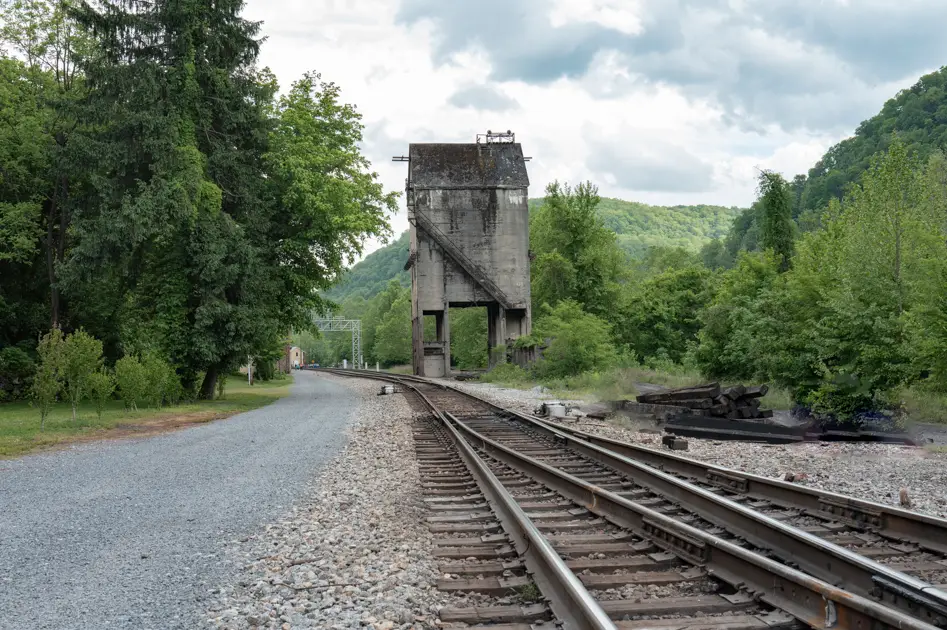
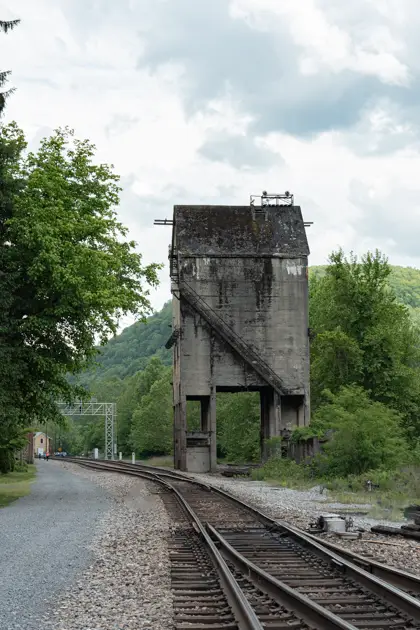
The massive coaling tower in Thurmond stands as one of the most recognizable reminders of the town’s railroad and coal-mining past. Built in 1922 by the Chesapeake & Ohio Railway, the reinforced concrete structure was used to refuel steam locomotives traveling through the New River Gorge during the height of the coal boom. Hopper cars dumped coal into a pit beneath the tower, where elevators lifted it into storage bins high above the tracks. Locomotives would pull underneath the towering structure while coal poured through large chutes into the train tenders below.
The facility could hold roughly 500 tons of coal at a time and also supplied dry sand to locomotives for traction on the steep, often wet, Appalachian grades. At nearly 70 feet tall, the coaling tower dominated the Thurmond rail yard and symbolized the importance of coal transportation in southern West Virginia. The tower was abandoned in 1960 after railroads transitioned from steam to diesel locomotives, but it still stands today as an iconic piece of Appalachia’s industrial history.
The Stillness of Today
Today, it is incredibly quiet.
Many of the old buildings still stand, weathered but remarkably preserved, lining the railroad tracks much like they did over a century ago. Walking through town felt surreal. There were almost no crowds, no tourist traps, and very little modern development. Just empty streets, historic storefronts, railroad tracks, and the constant feeling that the town was frozen somewhere between past and present.
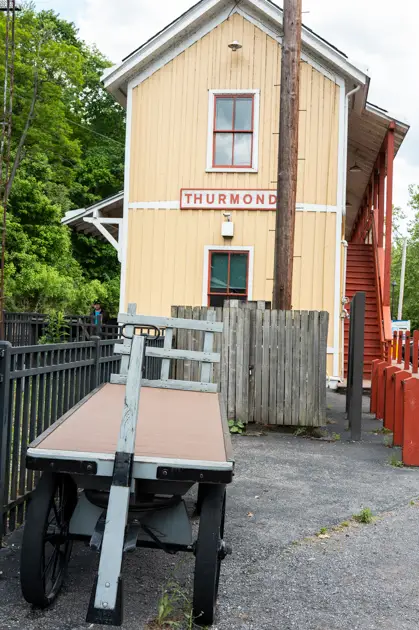
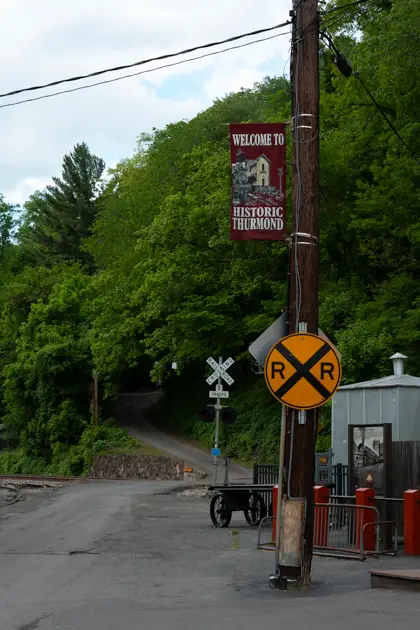
For me, Thurmond captured exactly what we had hoped to find along the Coal Heritage Trail. It wasn’t polished or commercialized. It felt authentic. The old wooden buildings, fading signs, and mountain backdrop created one of the most photogenic stops of the entire trip, and I found myself stopping constantly to take pictures.
What struck me most was imagining what this tiny town must have looked like during its peak — steam locomotives rolling through nonstop, coal dust filling the air, miners and railroad workers crowding the streets, and businesses buzzing with activity. Now, the silence almost becomes part of the story.
Thurmond may technically be considered a ghost town today, but it still feels very much alive through the history it preserves.
The New River Gorge and the Changing Appalachia
From Thurmond, we continued on to the New River Gorge — one of the most photographed places in West Virginia and home to the famous New River Gorge Bridge. I’ll be honest though… after everything we had already seen along the Coal Heritage Trail, the overlook itself felt a little underwhelming to me at first.
Maybe it was because we had spent days driving through remote hollers, abandoned coal towns, winding mountain roads, and places that felt raw and deeply authentic. The New River Gorge area was much more developed and tourist-oriented compared to the rest of the trip. After the quiet isolation of places like War and Thurmond, suddenly there were visitor centers, overlooks, paved walkways, and crowds gathering to photograph the bridge.
That said, once I stepped back and really looked at it, I could appreciate why the New River Gorge has become such an iconic part of West Virginia.
New River Gorge Bridge
The New River Gorge Bridge is massive — far larger than pictures make it appear. When it opened in 1977, it was the world’s longest single-span steel arch bridge and remains one of the highest vehicular bridges in the United States, soaring 876 feet above the river below. The bridge dramatically cuts across the deep gorge carved by the New River, which is considered one of the oldest rivers on the continent.
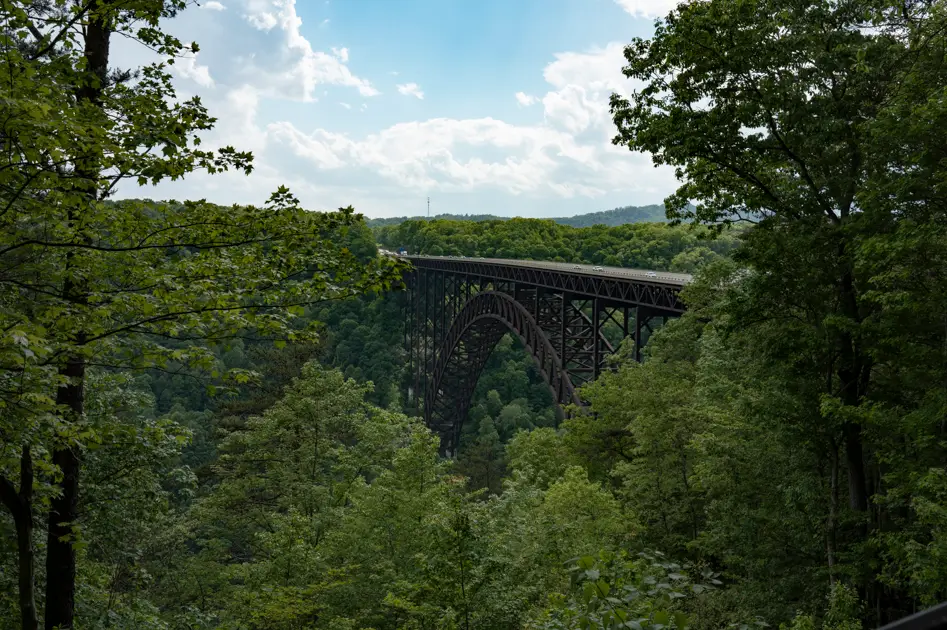
The scenery surrounding the gorge is undeniably beautiful. Thick Appalachian forests blanket the steep canyon walls, and the river winds far below through rugged cliffs and whitewater rapids. The area has also become one of the country’s premier destinations for rafting, hiking, and rock climbing since being designated as America’s newest national park in 2020.
What interested me most, though, was how connected the New River Gorge still felt to the coal history we had been following along the entire Coal Heritage Trail. Many of the abandoned mining towns we had explored existed because of the railroads and coal operations surrounding this gorge. In fact, part of the area’s modern tourism economy grew out of efforts to help the region recover after coal jobs declined.
So while the overlook itself may not have hit me emotionally the same way the smaller coal towns did, the New River Gorge still felt like an important final chapter to the trip. It tied together the mountains, the railroads, the mining history, and the incredible landscape that shaped this entire part of Appalachia.
Final Thoughts on Driving the Coal Heritage Trail
As we finished our journey along the Coal Heritage Trail, I realized this trip had become far more than just another scenic drive through the mountains. It gave us a glimpse into a part of America that feels increasingly forgotten — the real Appalachia beyond the postcards and tourist towns.
We saw beauty everywhere along the trail. Endless mountain ridges, winding back roads, deep river valleys, and small towns tucked tightly into the hollers. But we also saw hardship. Abandoned homes, empty storefronts, struggling communities, and the lasting effects left behind after the coal industry declined. At times, the contrasts were striking. One moment we would pass a weathered coal camp slowly being reclaimed by nature, and the next we’d see a beautifully maintained home with flowers blooming on the porch.
Lasting Impressions
What stayed with me most, though, was the resilience of the people and towns we encountered. Despite decades of economic struggles, there were still signs of pride, determination, and community everywhere we went. Small renovations in Welch. Food trucks operating in War. Historic buildings preserved in Thurmond. Active coal mines still working in the mountains. The region felt layered — part history, part struggle, and part hope for what comes next.
The Coal Heritage Trail wasn’t polished or glamorous, and honestly, that’s exactly why it left such an impression on us. It felt authentic. Real. Human.
This trip also reminded me why we love traveling the back roads instead of sticking to the interstates and tourist attractions. Some of the most meaningful places aren’t necessarily the most famous. Sometimes they’re found down a dirt road leading into a mountain holler or in a nearly forgotten coal town hidden deep in the Appalachian Mountains.
The Coal Heritage Trail may not be for everyone. It’s not a typical vacation destination filled with luxury resorts and perfectly curated stops. But if you enjoy history, photography, scenic mountain drives, and seeing places that tell deeper stories about America, this drive is unforgettable.
And long after we left the mountains of southern West Virginia behind, I found myself still thinking about those winding roads, those quiet towns, and the enduring spirit of Appalachia.
Explore More:
- Appalachian Region Travel Guide
- Scenic Drives and Road Trips Across America: Finding Beauty Between the Lines on the Map
- Off the Beaten Path Small Towns in the USA: Finding the Heart of America
- Thurmond, West Virginia: The Ghost Town Hidden in the New River Gorge
- Photographing Appalachia: Capturing Stories Through the Lens
- A Drive Through Real Appalachia: Exploring McDowell County, West Virginia
- What Is a Holler? Discovering Appalachia Beyond the Stereotypes
- Coalwood and the Legacy of October Sky
Explore More Photography Posts:
- Mastering Storytelling on the Road: Turning Every Trip Into a Captivating Travel Narrative
- Mastering The Art of Mindful Photography
- Mastering Composition on the Road
- Photography Beyond the Scenic Overlook
- Finding Stories Along America’s Back Roads
Discover more hidden places
Enjoy discovering hidden places, scenic back roads, small towns, and travel photography stories that go beyond the typical tourist stops? Join the Back Roads Lens newsletter and follow along as I explore America’s quieter landscapes one road at a time. Subscribers receive new blog posts, photography stories, travel inspiration, and behind-the-scenes moments from the journey — delivered straight to your inbox. No spam, no clutter, and your information is never shared or sold.
mailerlite_form form_id=1