Introduction: Traveling Lighter, Seeing More
On our recent winter road trip—through the Everglades, the Florida Keys, and up to Apalachicola—I made a deliberate decision: simplify my photography gear and rely almost entirely on one camera.
The Leica Q3 43.
For most of the trip, it was the only camera I used. No bag full of lenses. No constant decisions about gear. Just one camera, one focal length, and the freedom to focus on the experience.
And somewhere along the way, I realized something:
Carrying less didn’t limit my photography—it improved it.
Why I Chose the Leica Q3 43 for Travel
When you’re traveling for weeks at a time, your gear choices matter.
I wasn’t looking for the most versatile setup—I was looking for the right balance between quality, simplicity, and portability.
The Leica Q3 43 stood out because it offers:
- A natural 43mm focal length
- A compact, all-in-one design
- Exceptional image quality
- A shooting experience that stays simple
More importantly, it removes friction.
There’s no hesitation about which lens to use. No missed moments while switching gear. Just a direct connection between what you see and what you capture.
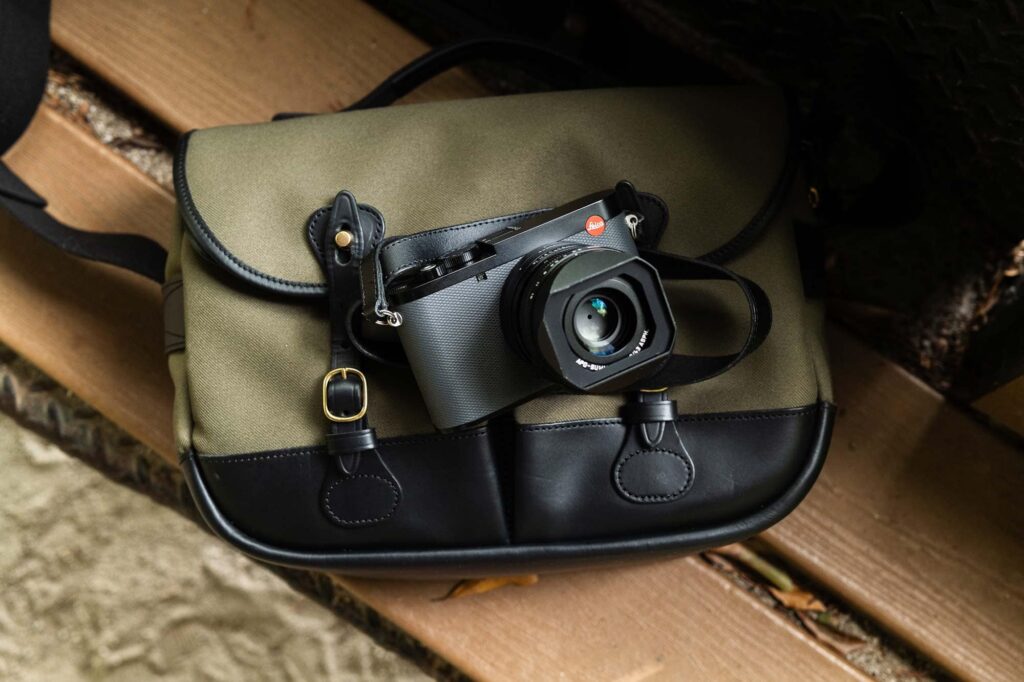
Traveling with Less: The Freedom of a Single Camera
One of the biggest changes on this trip had nothing to do with the images themselves.
It was how I moved through each place.
- The camera was always with me
- I didn’t feel weighed down by gear
- I could stop and shoot instantly
- I stayed more present in the moment
Whether we were walking along the water in Key Largo or exploring quiet streets in Apalachicola, the camera felt like part of the experience—not something separate from it.
And that changed how I photographed.
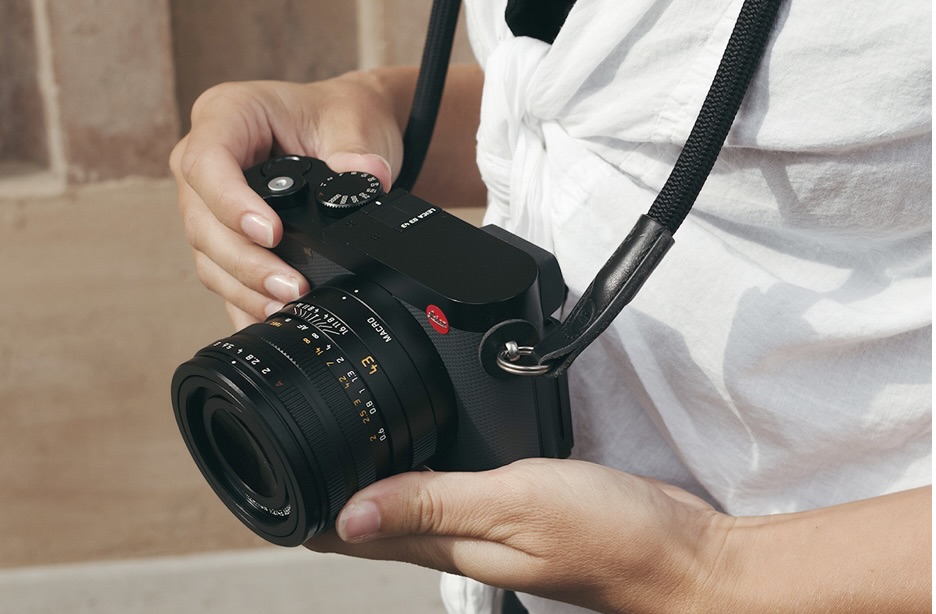
Ease of Use: A Camera That Gets Out of Your Way
The Leica Q3 43 is simple in the best possible way.
The controls are clean and intuitive. The menus don’t overwhelm you. The physical dials make adjustments feel natural.
After a short time, I stopped thinking about the camera entirely.
And that’s where the magic happens.
Because when you’re not focused on settings, you start to notice light, composition, and moments more clearly.
The 43mm Perspective: Why It Works So Well for Travel
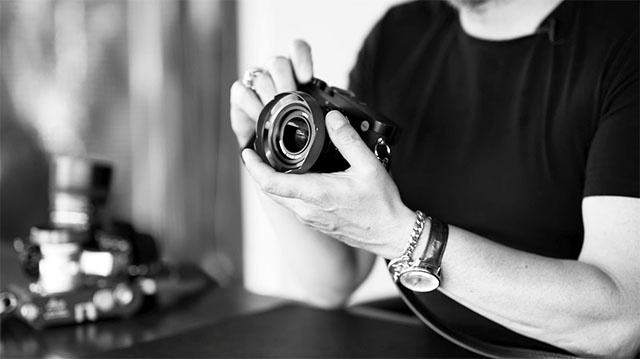
At first, I wasn’t sure how the 43mm focal length would feel over a full trip.
It turns out—it feels incredibly natural.
It sits right between wide and tight, making it ideal for:
- Everyday travel scenes
- Street-style moments
- Environmental compositions
- Storytelling images
Instead of relying on zoom, I found myself moving more—stepping closer, adjusting angles, and thinking more intentionally about composition.
That shift alone improved my photography.
Crop Modes: Extending Your Reach Without Extra Gear
The Leica Q3 43’s crop modes became one of the most useful features on this trip.
With built-in crop frames (60mm, 75mm, and 90mm), you can tighten your composition without changing lenses.
In practice, this meant:
- Cleaning up busy scenes
- Focusing attention on a subject
- Adjusting framing quickly
It’s not a replacement for a telephoto lens—but for travel photography, it provides just enough flexibility while keeping your setup simple.
Pro Tip: Making the Most of Crop Modes on the Leica Q3 43
Think of crop modes as a compositional tool—not just extra reach.
- Use them to simplify scenes
- Use them when you can’t move closer
- Avoid relying on them for distant subjects
- Compose intentionally, even when cropping
- Don’t overthink the resolution—you have plenty to work with
The real advantage is staying in the moment without breaking your rhythm.
Real Example from the Road: Apalachicola
In Apalachicola, I came across a quiet waterfront scene with beautiful light and texture—but at 43mm, it felt a little too wide.
Using a crop mode, I was able to:
- Remove distractions
- Focus on the light and detail
- Create a cleaner, more intentional composition
No lens change. No hesitation. Just a quick adjustment and the moment was captured.

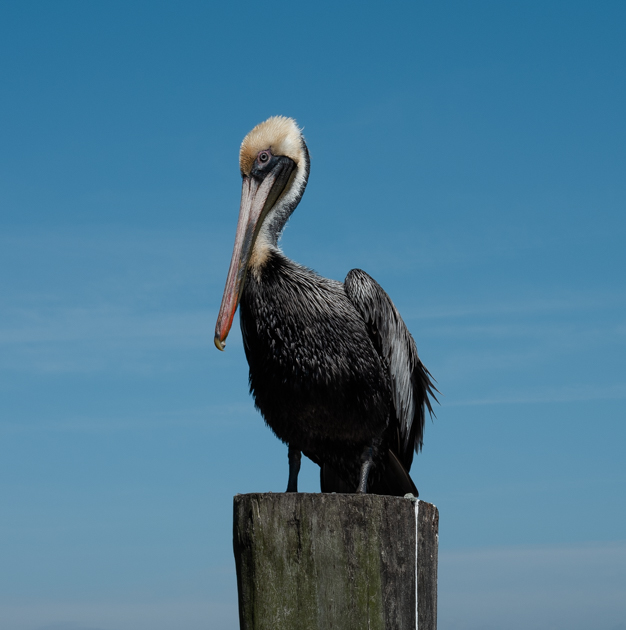
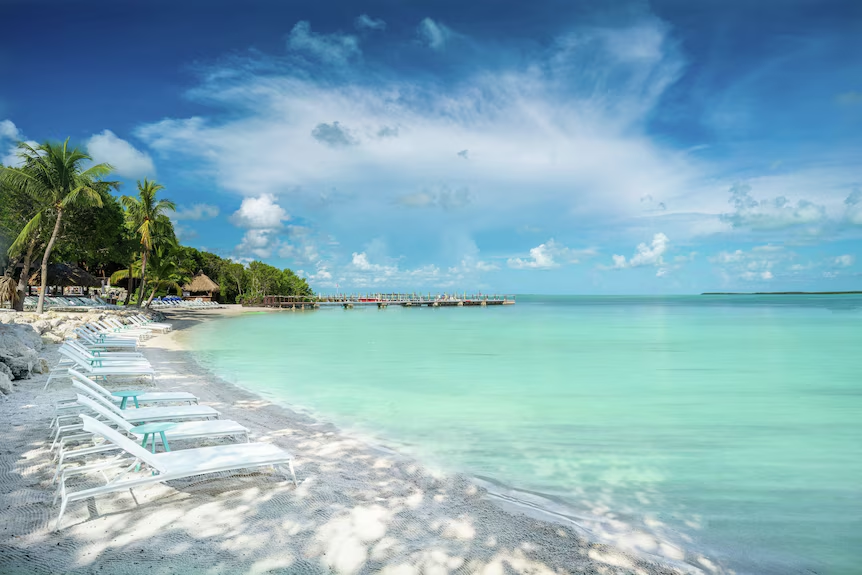
Real Example from the Road: Key Largo
In Key Largo, the challenge wasn’t simplicity—it was too much.
Palm trees, water, buildings, and bright light all competing for attention.
At 43mm, the scene felt cluttered.
By cropping in, I was able to:
- Isolate the shoreline
- Highlight the light on the water
- Remove unnecessary elements
It turned a busy scene into a focused image—without interrupting the moment.
Real Example from the Road: A Manatee in Key Largo
In Key Largo, not every moment was planned—and some of the best ones never are.
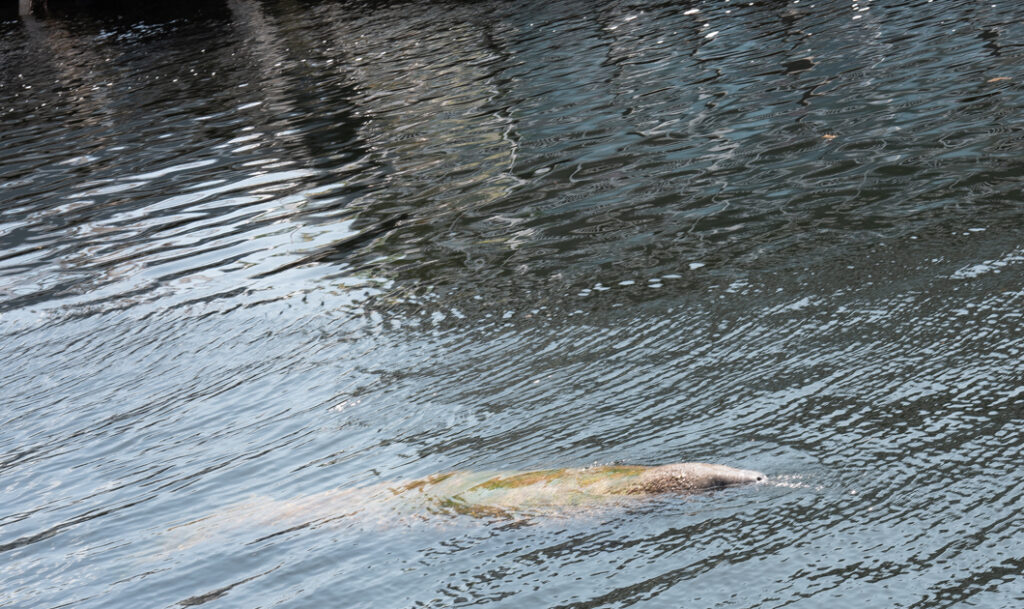
At one stop along the water, we spotted a manatee just below the surface. It was moving slowly, surfacing just enough to catch a glimpse before slipping back under.
At 43mm, the scene felt too wide. The manatee was there—but it didn’t stand out enough in the frame.
Instead of moving closer or missing the moment, I used the crop mode to bring the subject in tighter.
By cropping in, I was able to:
- Draw attention directly to the manatee
- Reduce the surrounding water that distracted from the scene
- Capture the moment before it disappeared
It turned a fleeting sighting into something more intentional.
And that’s where the Leica Q3 43 really shines.
It gives you just enough flexibility to react quickly—without interrupting the moment.
Where the Leica Q3 43 Falls Short
No camera does everything—and this one is no exception.
The biggest limitation is reach.
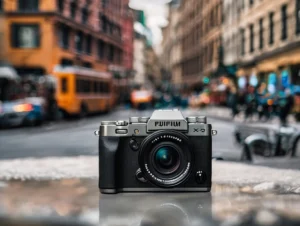
On Big Pine Key, while photographing Key deer and visiting the Blue Hole, I switched to my Fuji X-T5 with a zoom lens.
Wildlife photography requires distance—and cropping alone isn’t enough.
This reinforced something important:
The Leica Q3 43 is incredible for travel—but it works best when paired with intention.
Who This Camera Is For
The Leica Q3 43 is ideal for photographers who:
- Prefer a minimalist setup
- Enjoy walking and exploring
- Value simplicity over constant adjustments
- Want high-quality images without carrying multiple lenses
- Focus on storytelling rather than gear
How It Changed My Approach to Travel Photography
This wasn’t just a gear choice—it shifted how I experience travel.
I slowed down.
Observed more.
I focused on composition.
And I stayed present.
And in the end, I came home with images that felt more connected to the experience itself.
Leica Q3 43 vs My Usual Travel Setup
On most trips, I carry my Fuji X-T5 with multiple lenses.
That setup gives me flexibility—but it also comes with decisions.
The Leica Q3 43 removes those decisions.
And while I still rely on my Fuji for wildlife and longer reach, this trip showed me that for most travel situations, one camera is often enough.
Final Thoughts: A Different Way to Travel and Photograph
The Leica Q3 43 isn’t about having everything—it’s about having enough.
Enough reach for most situations.
And enough flexibility through cropping.
Enough simplicity to stay focused on the experience.
And sometimes, that’s exactly what travel photography needs.
FAQ: Leica Q3 43 for Travel Photography
“These are some of the most common questions about using the Leica Q3 43 for travel photography, based on real-world experience from a recent road trip.”
Is the Leica Q3 43 a good camera for travel photography?
The Leica Q3 43 works exceptionally well for travel because it combines high image quality with ease of use and portability. Instead of carrying multiple lenses, you can focus on the experience and capture moments as they happen.
It’s a great fit for walking, exploring, and photographing everyday travel scenes without feeling weighed down by gear.
Is 43mm a good focal length for travel photography?
The 43mm focal length sits between a wide-angle and a standard lens, making it ideal for storytelling. It works well for:
Street scenes
Landscapes with context
Environmental compositions
Everyday moments
Rather than relying on zoom, it encourages you to move and compose more intentionally—which often leads to stronger images.
Can you zoom with the Leica Q3 43?
These crop modes simulate tighter focal lengths (like 60mm, 75mm, and 90mm), allowing you to zoom in digitally while maintaining strong image quality thanks to the high-resolution sensor.
It’s not the same as optical zoom, but it provides useful flexibility for travel photography.
How good are the crop modes on the Leica Q3 43?
They work best when:
You want to simplify a composition
You need a little extra reach
You can’t physically move closer
For everyday travel scenes, they provide enough flexibility that you rarely feel limited.
However, for distant subjects like wildlife, a dedicated zoom lens is still the better option.
Is the Leica Q3 43 enough for a full trip?
On my winter road trip, I used the Leica Q3 43 almost exclusively. It handled:
Small towns
Coastal scenes
Everyday moments
Street-style photography
The only time I switched cameras was for wildlife photography, where additional reach was necessary.
What are the limitations of the Leica Q3 43 for travel?
Because it’s a fixed lens camera, it’s not ideal for:
Wildlife photography
Distant subjects
Situations where you can’t get closer
That’s where a second camera with a zoom lens can be helpful.
But for most travel photography, those situations are the exception—not the rule.
Is the Leica Q3 43 better than a zoom lens setup for travel?
A zoom lens setup offers flexibility—but also adds weight, complexity, and decision-making.
The Leica Q3 43 offers simplicity.
If you value:
Traveling light
Staying present
A more intentional shooting experience
Then the Q3 43 can actually feel like the better option.
Who should buy the Leica Q3 43 for travel photography?
Prefer a minimalist setup
Enjoy walking and exploring
Want high image quality without multiple lenses
Focus on storytelling rather than technical complexity
If you like the idea of “less gear, more experience,” this camera fits that approach perfectly.
Enjoying the journey behind the photos?
If you love discovering off-the-beaten-path places and learning how to capture them along the way, join me on the road.
📩 Sign up for my newsletter for travel inspiration, photography tips, and behind-the-scenes moments from Back Roads Lens.
No spam—just stories, tips, and places worth exploring.
👉 [Join the Back Roads Lens Newsletter]
Explore More from Back Roads Lens
If you’re interested in simplifying your gear, improving your photography, or finding places worth slowing down for, here are a few places to explore next:
📸 Mastering Travel Photography
If you’re working toward more intentional photography—beyond just the gear—start here:
- Mastering Travel Photography for Beginners
- Mastering Composition on the Road
- Travel and Photography Tips: Balancing the Journey
🧭 Travel Guides from This Trip
See where this camera traveled and the places that shaped these images:
- Key Largo Highlights
- Exploring Big Pine Key: Key Deer and Blue Hole
- Apalachicola Travel Guide
- Everglades Highlights
🎒 Travel Photography Gear
If you’re building your own setup or comparing options:
- Travel Photography Gear Guide: Cameras, Lenses, and Accessories
- Leica Q3 43 vs Fuji X-T5 for Travel Photography
- Choosing the Right Camera Bag for the Road
🌿 Finding the Journey
If your goal is to slow down and explore more intentionally:
Wherever your next trip takes you, the goal isn’t just better photos—it’s a better experience along the way.