If there’s one island in Hawaii that truly feels alive, it’s the Big Island. This is where the earth is still being shaped — where molten lava meets the sea, where lush rainforests give way to black sand beaches, and where one side of the island can be bathed in sunshine while the other is drenched in mist. This Big Island Travel Guide will give you some of the best places to see and stay on Hawaii.
The Big Island doesn’t try to impress you with resort glitz or crowds. It’s all about raw, natural wonder. Whether you’re chasing waterfalls near Hilo, exploring the otherworldly landscapes of Volcanoes National Park, or driving across ancient lava fields that look like another planet, every mile tells a different story.
Most travelers underestimate just how big the Big Island really is. It’s roughly the size of all the other Hawaiian islands combined — so plan for time behind the wheel. But if you love road trips (and if you’re reading Back Roads Lens, I’m guessing you do), it’s the perfect island to explore at your own pace. I plan these journeys much like I do my mainland trips, following the ideas in How I Plan and Photograph the Perfect USA Road Trip.
Understanding the Big Island’s Layout and Getting Around
One of the first things to know about the Big Island is that it’s, well… big. Driving across it isn’t a quick trip — it can take nearly three hours to go from Hilo on the east side to Kona on the west. But that’s part of the fun. The changing landscapes make it feel like you’re traveling through several worlds in one day.
The island has five main regions:
- Hilo (East Side): Lush, tropical, and full of waterfalls, this side of the island gets more rain — but also more rainforest beauty. It’s the gateway to Volcanoes National Park and a great base if you love nature and local culture over crowds.
- Kona (West Side): Drier and sunnier, Kona is home to beaches, coffee farms, and many of the island’s resorts. It’s also where most visitors stay, though it’s busier and more developed than Hilo.
- Waimea (North): Rolling pastures, ranches, and cooler temperatures. It’s a bit of cowboy country — Hawaii-style — and home to the historic Parker Ranch.
- Hāmākua Coast: The scenic drive between Hilo and Waipio Valley is lined with cliffs, botanical gardens, and waterfalls that seem to tumble straight into the ocean. The light on the Hāmākua Coast changes minute by minute — misty one moment, glowing the next. It’s the kind of place where understanding how to work with shifting light makes all the difference. Read: Understanding Light in Landscape Photography for tips on turning unpredictable light into magic.
- Kaʻū (South): Remote, rugged, and wild. You’ll find Punaluʻu Black Sand Beach, coffee farms, and the southernmost point in the U.S.
Getting Around
For getting around, you’ll definitely want a car. Public transportation is limited, and exploring back roads — where the island’s hidden gems really are — requires a bit of flexibility. I found Hilo to be the perfect home base for this kind of exploring. It’s easy to navigate, not overly crowded, and close to many of the island’s natural highlights.
Where to Stay – Why I Chose Hilo and Loved It
Staying in Hilo
When planning our stay on the Big Island, we made Hilo our home base — and it couldn’t have worked out better. The town has an authentic, local vibe and sits close to many of the island’s best natural attractions. It’s also far less crowded than the resort areas on the west side.
Grand Naniloa Hotel Hilo – A DoubleTree by Hilton
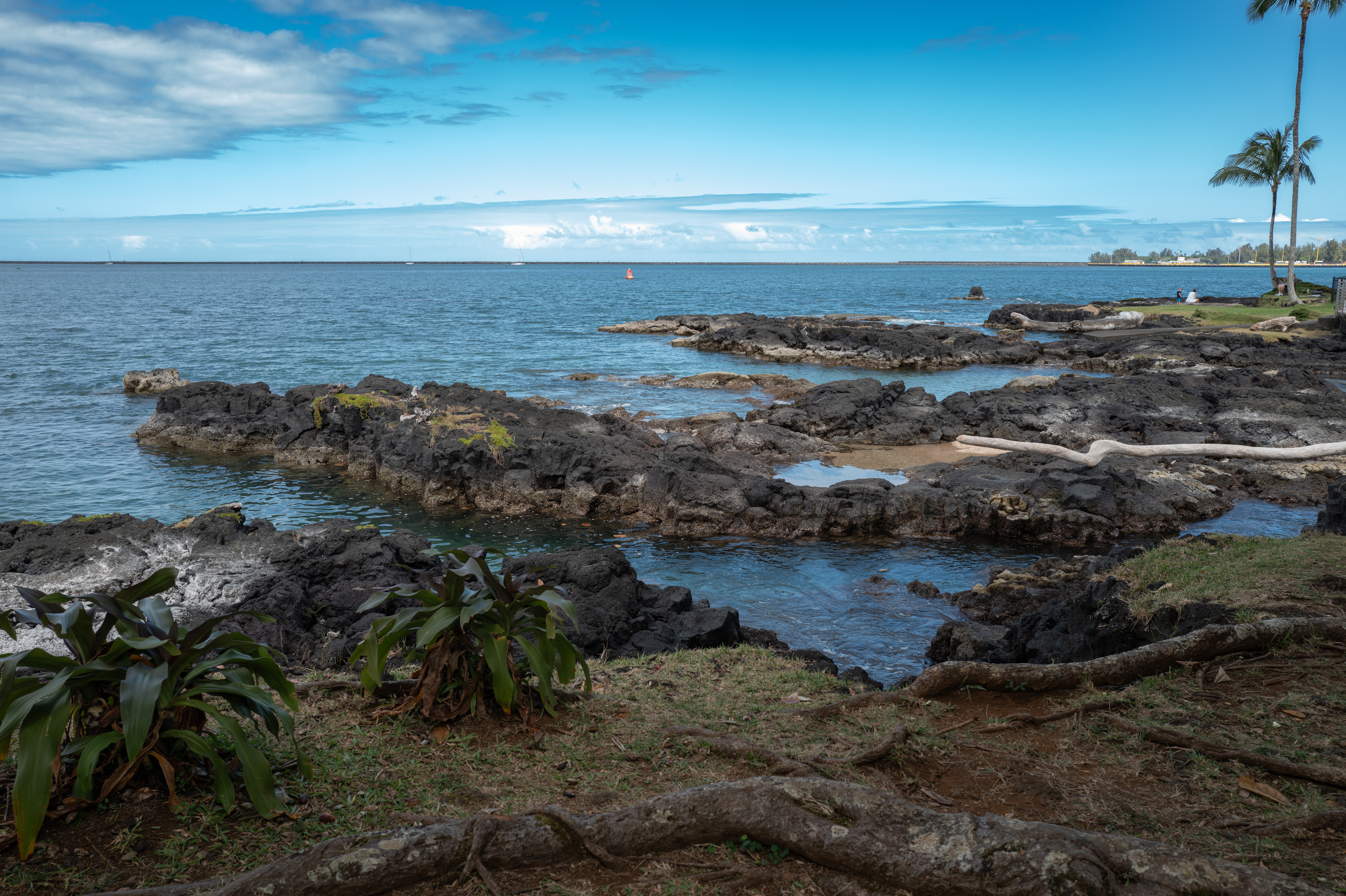
We stayed at the Grand Naniloa Hotel Hilo – a DoubleTree by Hilton, right on Hilo Bay. The views changed constantly — calm and glassy in the mornings, shimmering in the afternoon sun, and wrapped in mist by evening. The location made it easy to explore Volcanoes National Park, Akaka Falls, and other nearby sights without fighting traffic. And yes, the famous warm cookie at check-in didn’t hurt either.
Why Hilo Works
What I loved most about staying in Hilo was how relaxed it felt. Parking was easy, getting around was simple, and everything moved at a slower, more island pace. If you love nature, local food, and fewer crowds, Hilo feels like home right away.
Other Great Areas to Stay
- Kona: Sunnier, drier, and full of beaches, coffee farms, and nightlife. It’s popular and convenient, but more crowded.
- Volcano Village: A cozy, misty escape tucked near the entrance to Volcanoes National Park. Ideal for early-morning exploring.
- Waimea: Set in rolling ranchlands, it’s cooler and quieter — a perfect mix of scenic drives and local culture.
Wherever you stay, don’t limit yourself to one side of the island. The Big Island rewards exploration — and the drive between Hilo and Kona alone is a road-trip dream.
Things to See and Do – Nature, History, and a Bit of Adventure
The Big Island is a mix of fire, water, and living culture. You can walk through a lava tube one morning, stand beside a thundering waterfall that afternoon, and watch the sun set over ancient lava fields by evening. It’s an island that keeps you moving — and constantly amazed. A simple one lens setup is perfect here. Read my one lens philosophy in Packing: One-Lens Travel — How to Simplify Your Photography and See More. You can read my full review here: Leica Q3 (43mm) Review: Why This Version Fits My Travel Photography Even Better.
Hawaiʻi Volcanoes National Park
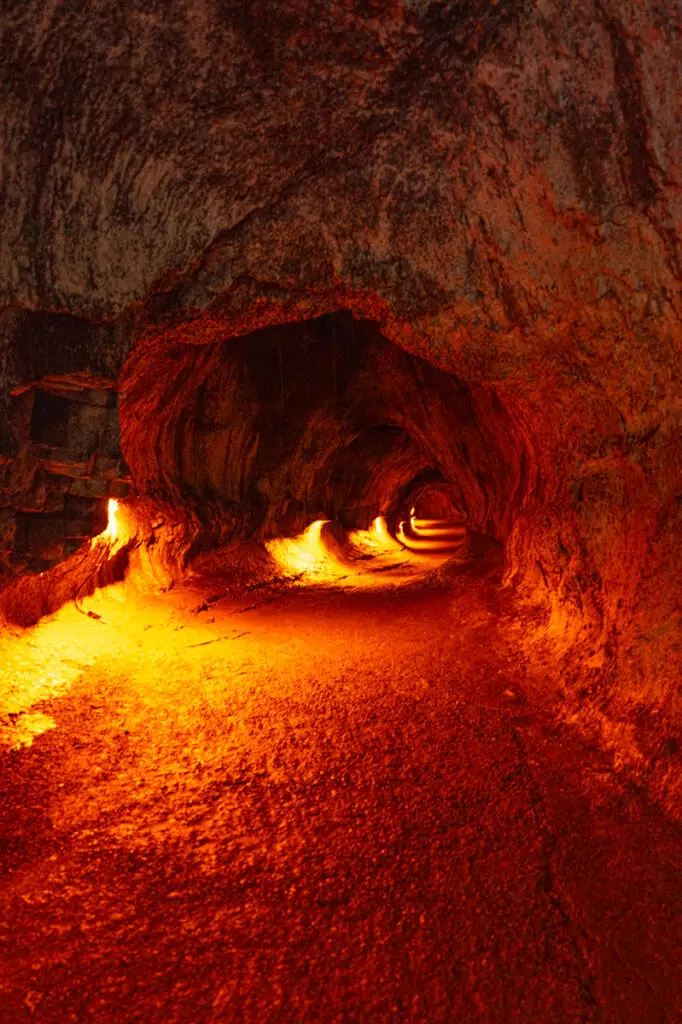
If there’s one place that defines the Big Island, this is it. Volcanoes National Park is where you come face-to-face with the forces that built Hawaii itself. From steaming craters to fields of hardened lava, it’s both humbling and beautiful. Be sure to walk through the Thurston Lava Tube, a natural tunnel formed by flowing lava — it’s one of my supporting blogs, and worth a read before you go.
Mauna Loa Lookout
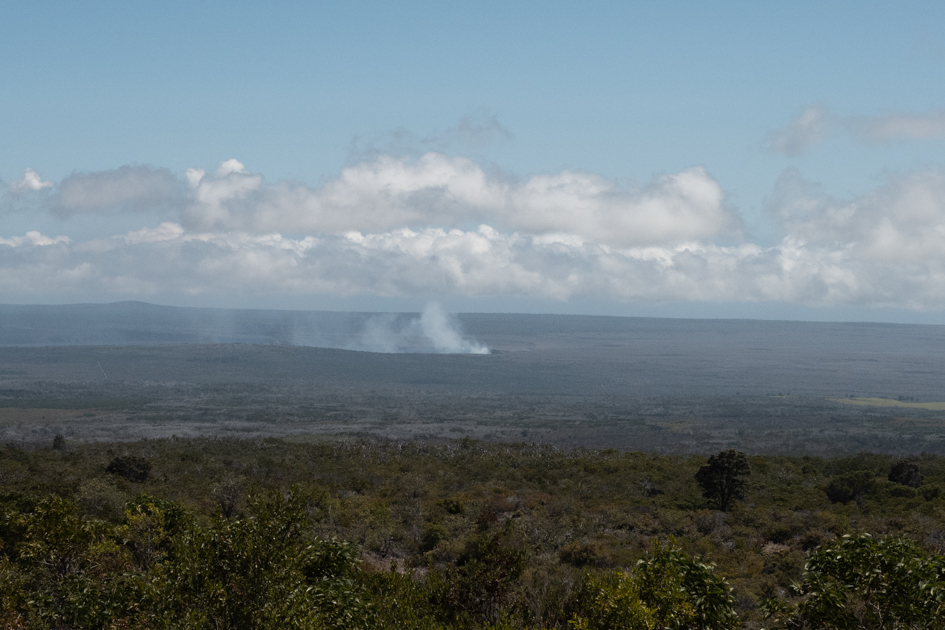
For sweeping views that stretch across the island, drive up to the Mauna Loa Lookout inside Volcanoes National Park. The winding road climbs through lush rainforest before opening into a landscape of lava and sky. On a clear day, you can see both Mauna Kea and the distant coastline. It’s one of those drives where you stop often — not because you have to, but because the scenery demands it.
Akaka Falls State Park
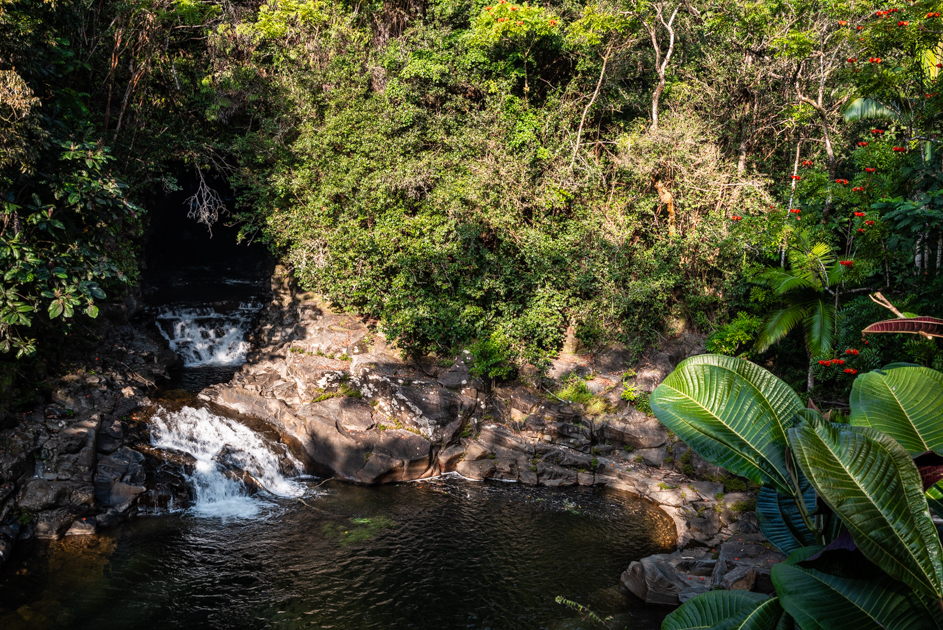
Just a short drive north of Hilo, this park is pure tropical magic. A short, paved loop trail winds through lush rainforest to a 442-foot waterfall that looks like something out of a movie. The sound of rushing water and the smell of flowers in the air make it unforgettable.
Scenic Drive off Route 19N
Heading north from Hilo on Route 19, you’ll find one of the island’s prettiest detours — the Old Mamalahoa Highway. This narrow, winding road takes you through tunnels of banyan trees, past small waterfalls, and along views of the rugged Hāmākua Coast. It’s a drive best taken slowly, with your windows down and camera ready.
Pololū Valley Lookout
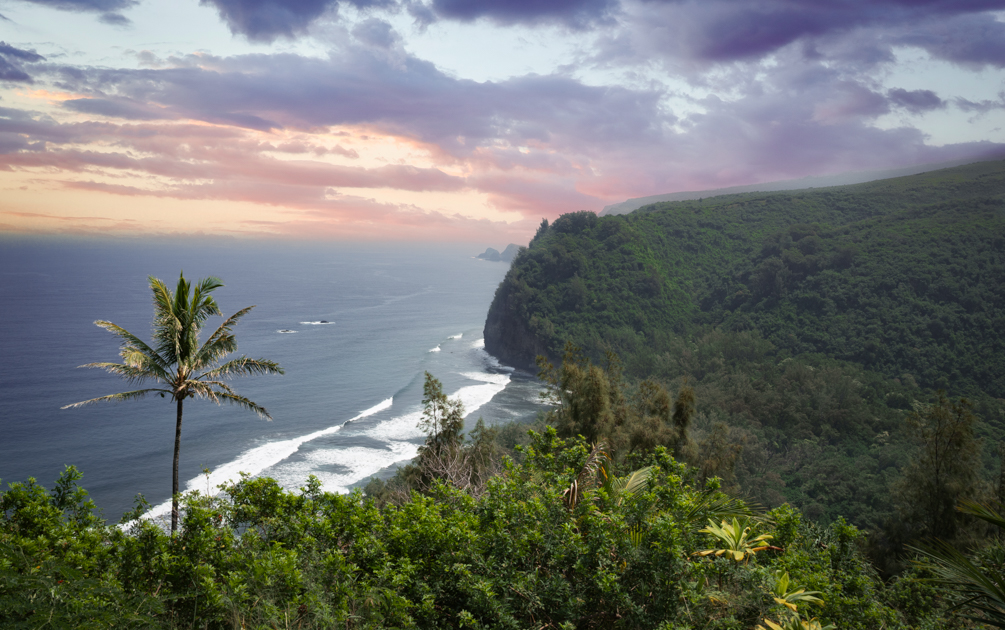
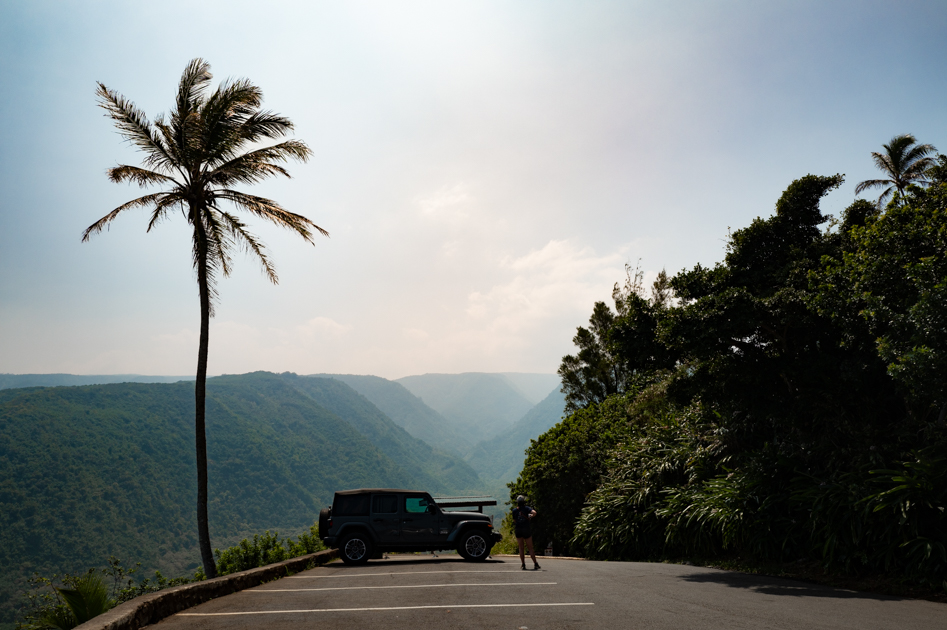
At the northern tip of the island, the Pololū Valley Lookout offers one of the most dramatic views in Hawaii. Steep cliffs drop into a black sand beach, framed by rolling green ridges and ocean mist. If you’re feeling adventurous, there’s a trail down to the beach — steep, but absolutely worth it.
Punaluʻu Black Sand Beach
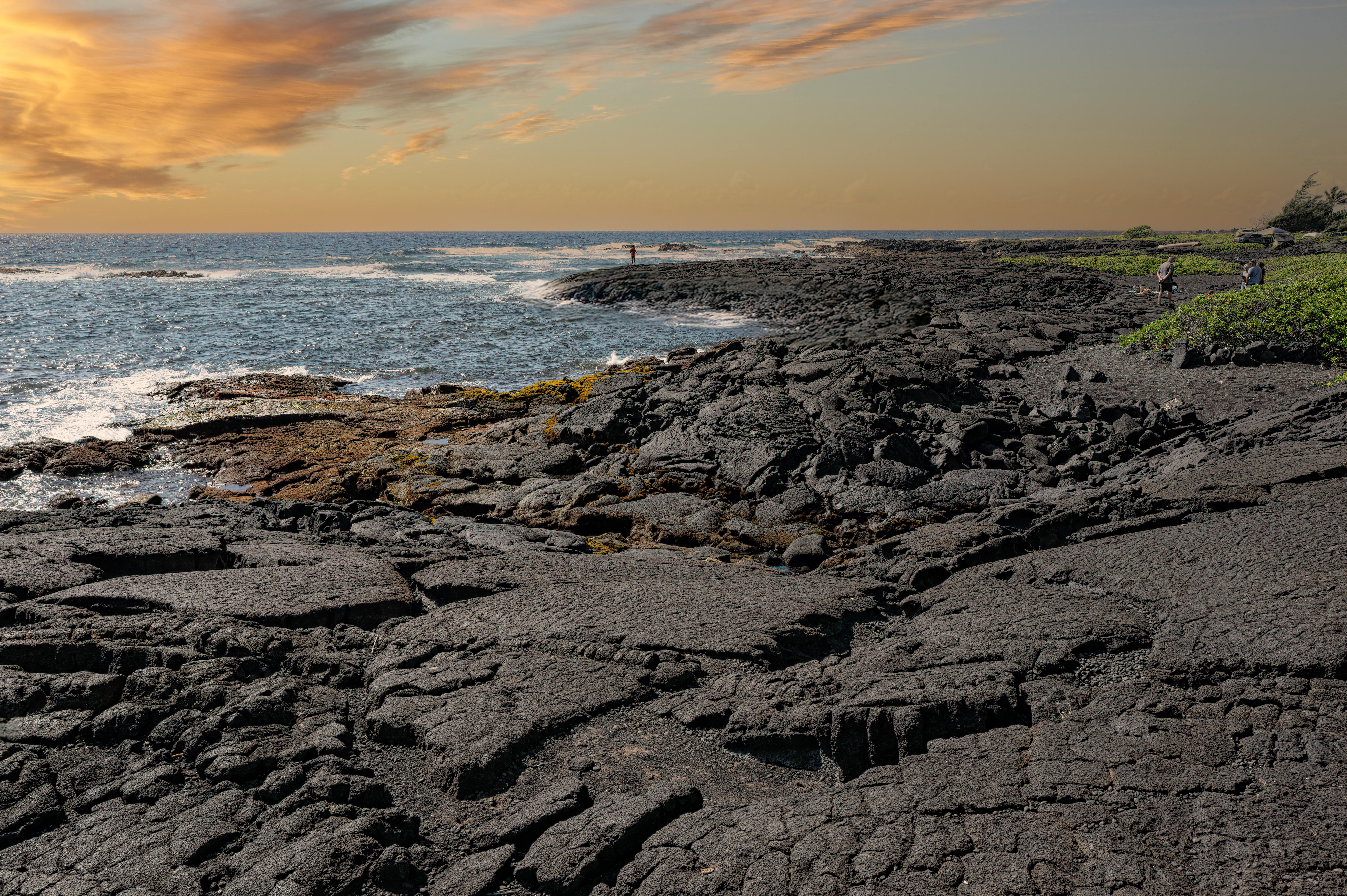
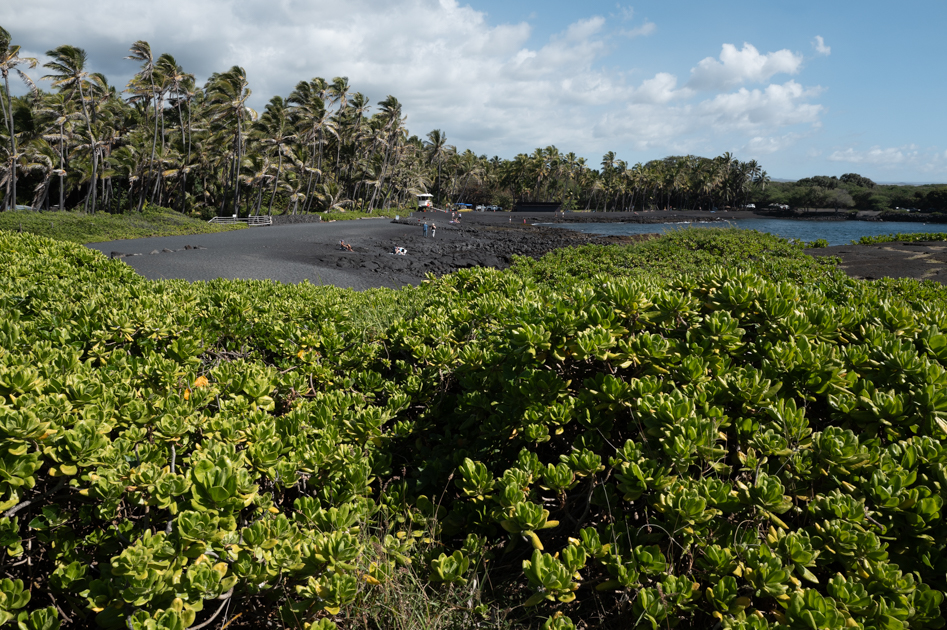
Ever seen a beach made entirely of black sand? Punaluʻu, on the southern coast, is one of the most famous — and you might even spot a Hawaiian green sea turtle basking on the shore. Just remember to give them space; it’s their beach first.
South Point (Ka Lae)
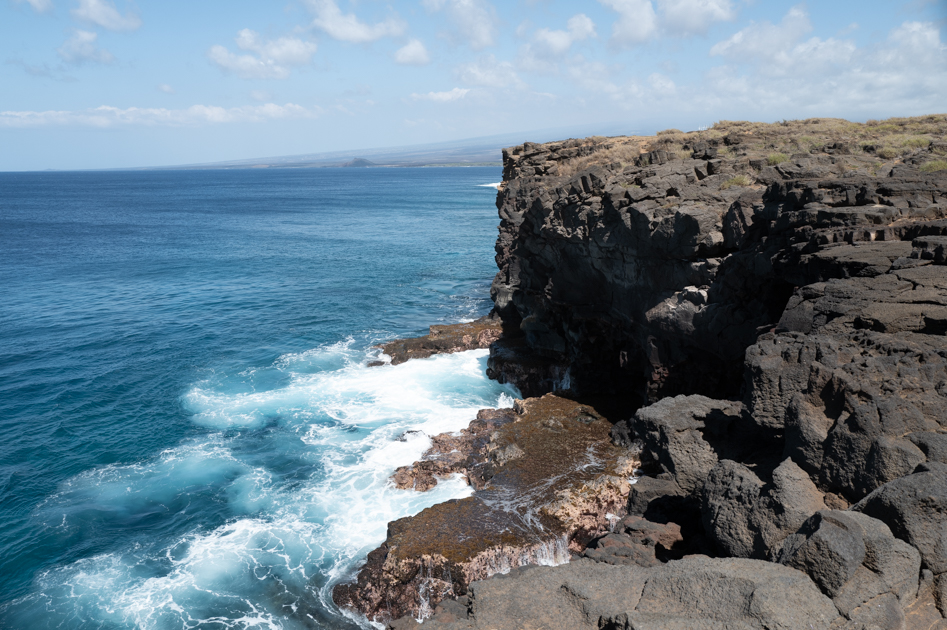
Drive all the way down to South Point, the southernmost spot in the United States. The wind is strong, the cliffs are high, and the view is endless. You’ll see fishermen balancing on lava ledges and maybe even a few brave souls cliff diving into the turquoise water below. A dramatic view of South Point (Ka Lae) on Hawaii’s Big Island — the southernmost point in the United States. The rugged cliffs rise above turquoise waters, constantly shaped by the trade winds and surf. This windswept coastline is believed to be one of the earliest landing places of Polynesian voyagers who first settled the Hawaiian Islands. Standing here, surrounded by ocean on three sides, you feel the pull of both history and horizon — a reminder of how exploration has always been part of Hawaii’s story.
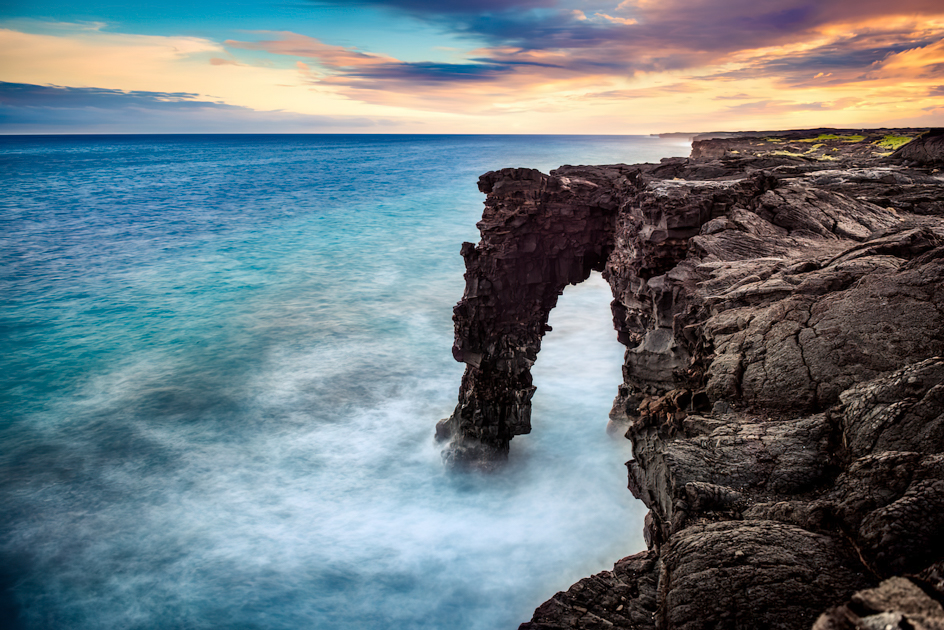
Hōlei Sea Arch
At the end of Chain of Craters Road in Volcanoes National Park, the Hōlei Sea Arch is a striking reminder that the island is still changing. Formed by lava meeting the ocean, this massive arch rises out of the sea, constantly shaped by waves and wind. It won’t last forever — which somehow makes it even more beautiful.
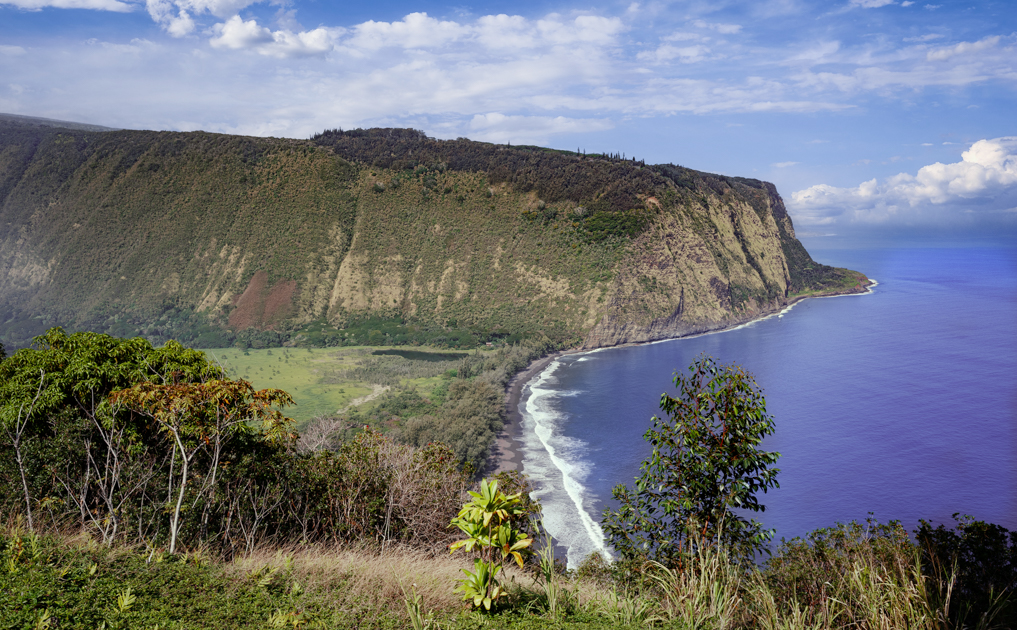
Waipio Valley Lookout
The view from the Waipio Valley Lookout is one of the most dramatic on the island — towering cliffs, lush taro fields, and waves crashing far below. The road down into the valley is extremely steep, so most visitors admire it from above. Bring your camera; this is one of those spots that stays with you. With landscapes as dramatic as Waipio Valley, composition matters more than ever. Knowing how to frame a scene with depth, foreground, and leading lines can turn a snapshot into a story. Check out Mastering the Art of Composition on the Road for my favorite travel-tested composition tricks.
Hāmākua Coast Drive
If you love scenic drives (and I certainly do), the stretch of road between Hilo and Waipio Valley is a must. It’s lined with botanical gardens, lookout points, and hidden waterfalls. Don’t rush it — stop often and soak it all in.
Kona Coffee Country
Over on the west side, Kona offers coffee farms, lava rock beaches, and some of the island’s best snorkeling spots. Even if you’re based in Hilo, a day trip here is worth the drive. Sample local coffee, visit Puʻuhonua o Hōnaunau (the historic “Place of Refuge”), and end the day with a Kona sunset.
Tying It All Together – Why the Big Island Belongs on Every Traveler’s List
An Island That Feels Alive
The Big Island surprised me in the best ways. It’s wild, untamed, and constantly changing — a place where you can literally watch the earth being created. Every road reveals something new: steam vents, waterfalls, rainforests, and lava fields that stretch toward the sea.
Why Hilo Made the Perfect Base
Staying in Hilo gave us the perfect balance of convenience and calm. We could explore at our own pace, heading out early for Volcanoes National Park or Akaka Falls, then returning to relax by the bay as the clouds rolled over Mauna Kea. The slower pace made it easy to appreciate every detail.
Where Earth and Spirit Meet
For me, this island represents the heart of Hawaii’s natural story. From walking through the Thurston Lava Tube to standing at the rim of Kīlauea Crater, the Big Island is more than a destination — it’s an experience that humbles you.
Continue Your Hawaii Journey
If you’re planning your own Hawaiian adventure, start here:
👉 Read: Hawaii Region Travel Guide – The Islands of Fire and Beauty
👉 Explore: Volcanoes National Park – Walking on the Edge of Creation
👉 Discover: Thurston Lava Tube – Journey Beneath the Earth
For other islands see:
- Maui Travel Guide: Waterfalls, Lava Tubes, and the Spirit of Aloha
- Kauai Travel Guide: Exploring the Garden Isle’s Wild Beauty
- Exploring Oahu: From Lighthouse Views to Local Eats – Oahu Travel Guide
No matter how many islands you visit, the Big Island will stay with you. It’s a reminder that travel isn’t just about checking places off a list — it’s about standing in awe of the world and realizing just how alive it really is. For photography tips, see Mastering Travel Photography. The Big Island is one of those places that reminds you why you fell in love with photography in the first place. For a different side of Hawaii’s volcanic beauty, explore Kauai’s Nā Pali Cliffs — a coast sculpted by time.”
If you’re just starting out or want a refresher, you’ll find plenty of easy, field-tested advice in Travel Photography Tips for Beginners.
Hit the back roads with me—get road-trip inspiration, hidden gems, and photography stories from across the USA!