They call Maui the “Valley Isle,” and once you’ve driven its winding coastal roads or watched the sunrise from Haleakalā’s summit, it’s easy to see why it captures so many hearts. Maui blends wild beauty with a relaxed island rhythm — where mornings might mean snorkeling alongside sea turtles and afternoons end with the sound of waves crashing under a pastel sky.
For travelers like me who love the scenic and slightly less-traveled side of things, Maui offers that sweet spot between comfort and adventure. You’ll find upscale resorts and beachside bungalows, but also lava tubes to explore, rainforest hikes, and one unforgettable drive — the Road to Hana. Read: Road to Hana: The Ultimate Backroads Drive Through Paradise.
What makes Maui special is how every curve in the road feels like a discovery — a hidden waterfall, a fruit stand on the roadside, or a black-sand beach tucked away in a cove. It’s not just a place to visit. It’s a place that invites you to slow down, breathe in the salty air, and let the island’s rhythm set your pace.
Island Logistics: Getting Around Maui
Maui might be Hawaii’s second-largest island, but it still feels wonderfully accessible — the kind of place where you can drive from one side to the other in just a few hours and still feel worlds away with every turn.
Most visitors arrive at Kahului Airport (OGG), which sits conveniently in the island’s center. From there, the road splits — west toward Lahaina and Kāʻanapali’s golden beaches, or east toward Hāna’s lush rainforest coast. Renting a car is essential here, especially if you want the freedom to pull over for photo ops, explore small towns, or drive the famous Road to Hana without a schedule.
Why Maui is Different
One of the things that makes Maui feel different from Oʻahu is its low skyline. There are no high-rise hotels towering over the beaches here — building height restrictions were put in place to protect the island’s natural beauty and small-town feel. This thoughtful limit keeps the views open and the vibe laid-back. Instead of concrete, you’ll find palm trees, ocean breezes, and starlit skies that stretch all the way to the horizon.
If you’re planning your trip, consider staying a few nights in different parts of the island. The west side offers sunny beaches and classic resort comforts, while the east side feels remote and lush — perfect for exploring waterfalls, black sand beaches, and even a lava tube hidden in Waiʻānapanapa State Park. Read: Exploring a Lava Tube in Waiʻānapanapa State Park. Update November 2025: I just read that you need a pass for entrance to Wai’anapanapa State Park now, so make sure that you check into this before traveling there.
Where to Stay on Maui
One of the things I love about Maui is how each part of the island has its own personality. You can plan your stay around what kind of traveler you are — or mix it up and experience a little of everything.
West Maui (Lahaina, Kāʻanapali, and Kapalua)
If you want golden beaches, vibrant sunsets, and easy access to dining and shopping, this is your spot. Kāʻanapali Beach is home to some of Maui’s best resorts, while Lahaina — though still recovering from the devastating 2023 fires — remains a cultural heart of the island. Many hotels and restaurants have reopened, and the spirit of aloha is as strong as ever. Kapalua sits just a bit north, offering quieter luxury and beautiful golf-course views.
South Maui (Wailea and Kihei)
Wailea feels polished and peaceful, with upscale resorts, manicured paths, and calm beaches perfect for snorkeling or sunset strolls. It’s a great area if you’re using Hilton points or other hotel rewards — I used mine to make our stay more affordable, and it worked perfectly for Maui’s higher nightly rates. Kihei, just up the road, offers more local-style rentals and smaller hotels, which are ideal if you prefer a laid-back base with easy beach access.
East Maui (Hāna and Waiʻānapanapa State Park)
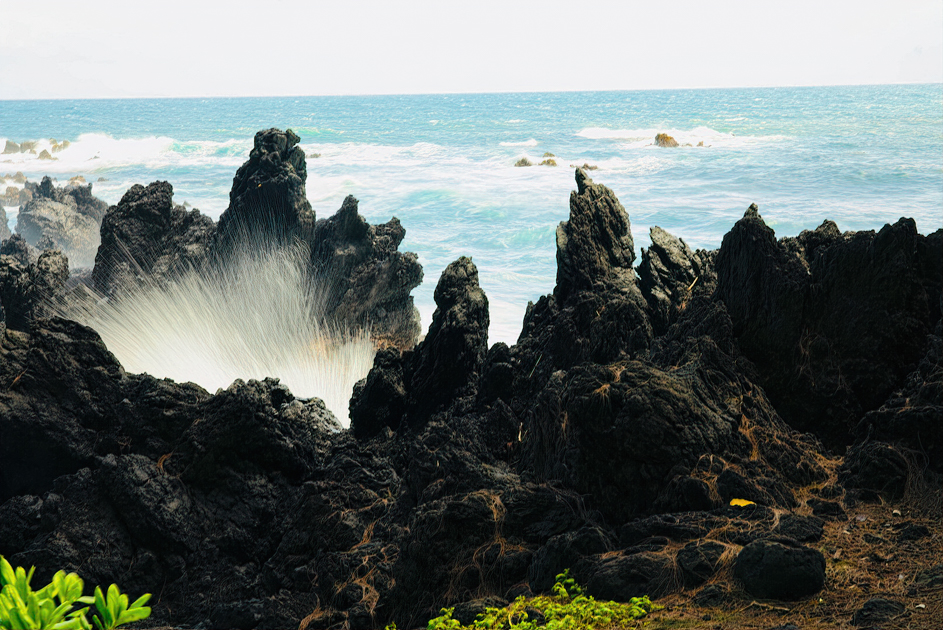
If you’re craving peace and natural beauty, Hāna is your place. Staying here lets you experience the famous Road to Hanawithout rushing it all in one day — you can explore waterfalls, hike coastal trails, and even venture into the lava tube at Waiʻānapanapa before the tour buses arrive. Nights are quiet here, filled with the sound of the ocean and a thousand stars overhead.
Upcountry Maui
For something completely different, consider staying a night or two in Upcountry. Small bed-and-breakfasts and farm stays around Makawao and Kula offer a cooler climate, sweeping views, and easy access to Haleakalā National Park. It’s an area that feels refreshingly local — a perfect place to unwind before heading home.
Wherever you stay, book early. Maui remains one of the most popular islands in Hawaii, and rooms — especially smaller inns and unique stays — fill up fast.
Things to Do on Maui
Maui is one of those places where you could stay a week and still leave feeling like there’s more to see. Whether you love scenic drives, ocean adventures, or quiet sunrise moments, the island offers something for every traveler (and every camera). A simple one lens setup is perfect here. Read my one lens philosophy in Packing: One-Lens Travel — How to Simplify Your Photography and See More.
1. Drive the Road to Hana
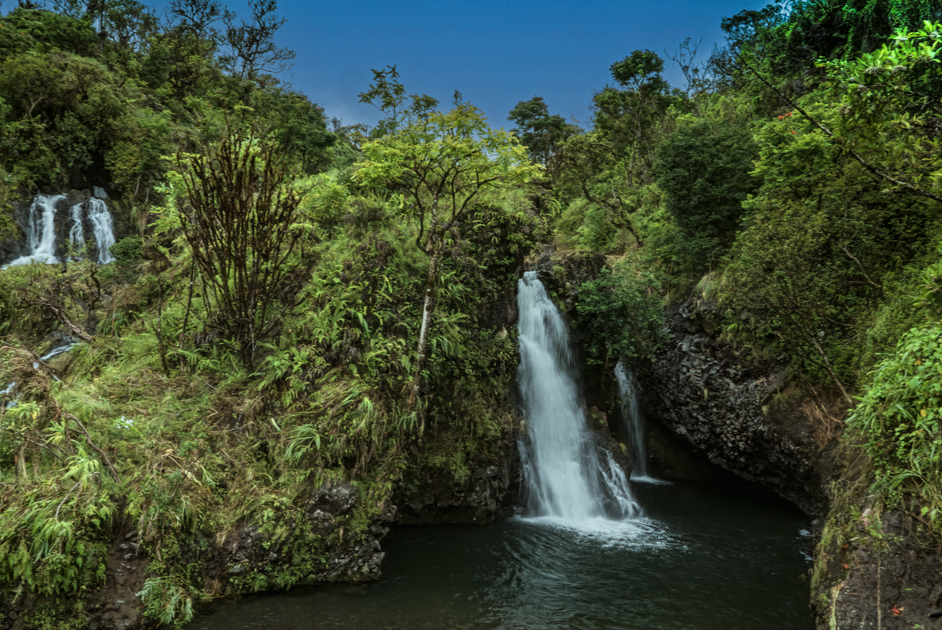
This is Maui’s most famous road trip — and one of my favorites. Waterfalls, lush jungle, ocean cliffs, and roadside banana bread stands make it a feast for the senses. The drive is an adventure in itself, full of photo opportunities and short hikes. Read: Road to Hana: The Ultimate Backroads Drive Through Paradise.

2. Explore a Lava Tube at Waiʻānapanapa State Park
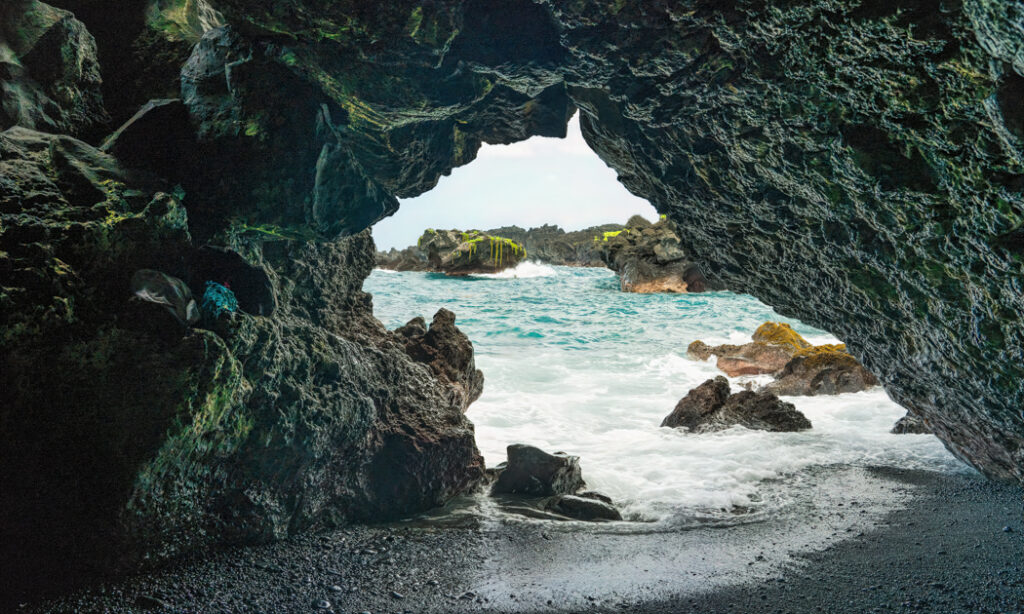
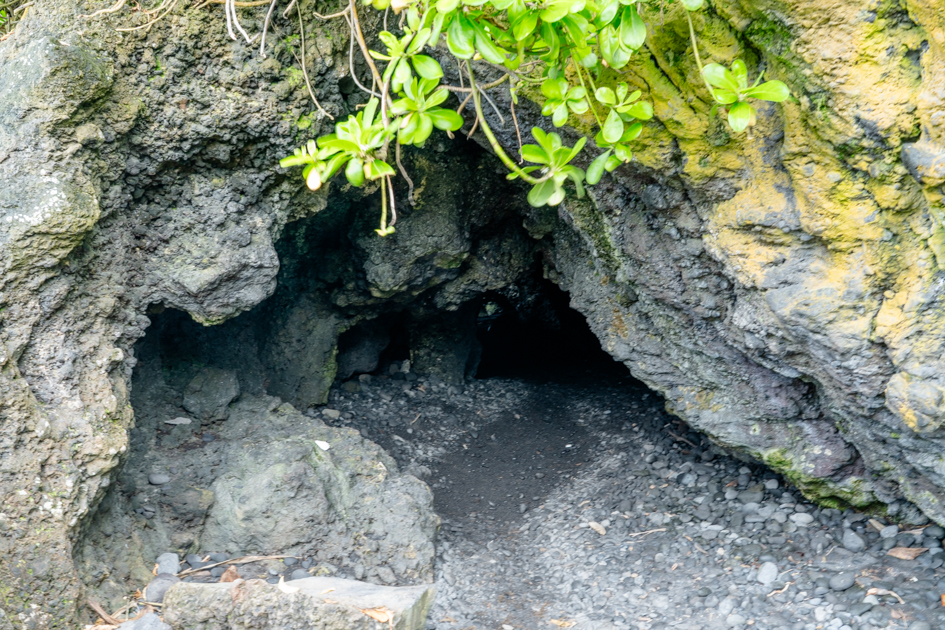
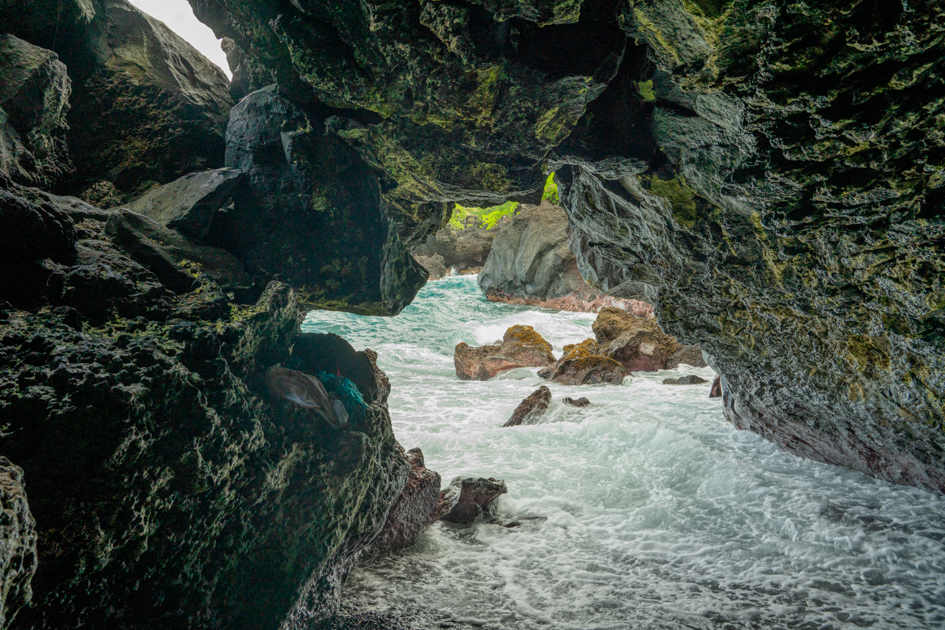
Along the Hana Highway sits one of Maui’s most fascinating natural wonders — a lava tube formed centuries ago by volcanic flow. Inside, light and texture create a photographer’s dream. Pair this stop with the park’s black-sand beach and coastal trails. Read: Exploring a Lava Tube in Waiʻānapanapa State Park.
3. Watch Sunrise or Sunset from Haleakalā National Park
At 10,000 feet above sea level, Haleakalā feels like another planet. Most visitors head up for sunrise, but sunset is equally breathtaking — and less crowded. The light shifts from golden orange to deep indigo as the clouds drift below you. Remember to bring warm layers; it’s cold up there!
4. Go Snorkeling or Whale Watching
Maui’s surrounding waters are teeming with life. Molokini Crater offers crystal-clear snorkeling, while Turtle Town is a great spot to swim alongside green sea turtles. If you visit between December and April, humpback whales return from Alaska to breed and give birth. Read: Whale Watching in Alaska to learn about their migration — it’s an incredible journey that connects both islands.)
5. Discover Upcountry Maui
Take a drive to Makawao and Kula, where rolling hills replace palm trees. This area offers lavender farms, botanical gardens, and views that stretch across the entire island. It’s a slower, more local side of Maui that most visitors miss.
6. Stroll Through Historic Lahaina and Wailuku
Lahaina’s Front Street blends art galleries, ocean views, and small-town charm. Meanwhile, Wailuku — near the island’s center — has a growing creative scene with coffee shops and boutiques. Both are great spots for photographing local life and architecture.
Best Beaches on Maui
If Maui had a single defining feature, it would be its beaches. Each one tells a slightly different story — from family-friendly stretches of golden sand to rugged coves where waves crash against volcanic rock. Whether you’re here to swim, snorkel, photograph, or just watch the sunset, there’s a beach for every kind of traveler.
Kāʻanapali Beach (West Maui)
This is Maui’s classic beach scene — long, wide, and lined with palm trees and gentle surf. It’s perfect for swimming, paddleboarding, or simply relaxing under a beach umbrella. The sunsets here are spectacular, painting the sky in layers of gold and pink that seem made for your camera’s wide-angle lens.
Wailea Beach (South Maui)
Wailea Beach sits in front of Maui’s luxury resorts but still feels peaceful. Its calm waters and soft light make it a favorite spot for early-morning photography. Snorkelers often spot turtles along the rocky edges, and the water clarity here is exceptional.
Hāmoa Beach (East Maui)
Near Hāna, this crescent-shaped beach is one of the island’s most picturesque — often called one of the best beaches in Hawaii. It’s framed by lush vegetation and steep cliffs, creating a wild, cinematic backdrop. The surf can be strong, so it’s more about soaking up the view and taking photos than swimming on rough days.
Waiʻānapanapa State Park (Black Sand Beach)
You won’t find another beach like this. The black sand, formed by centuries of volcanic activity, contrasts dramatically with the turquoise water. It’s a dream location for photography — especially when clouds roll in, deepening the colors and textures. While you’re here, don’t miss the nearby lava tube you can explore right along the coast. (👉 Read: Exploring a Lava Tube in Waiʻānapanapa State Park.
Kapalua Bay (West Maui)
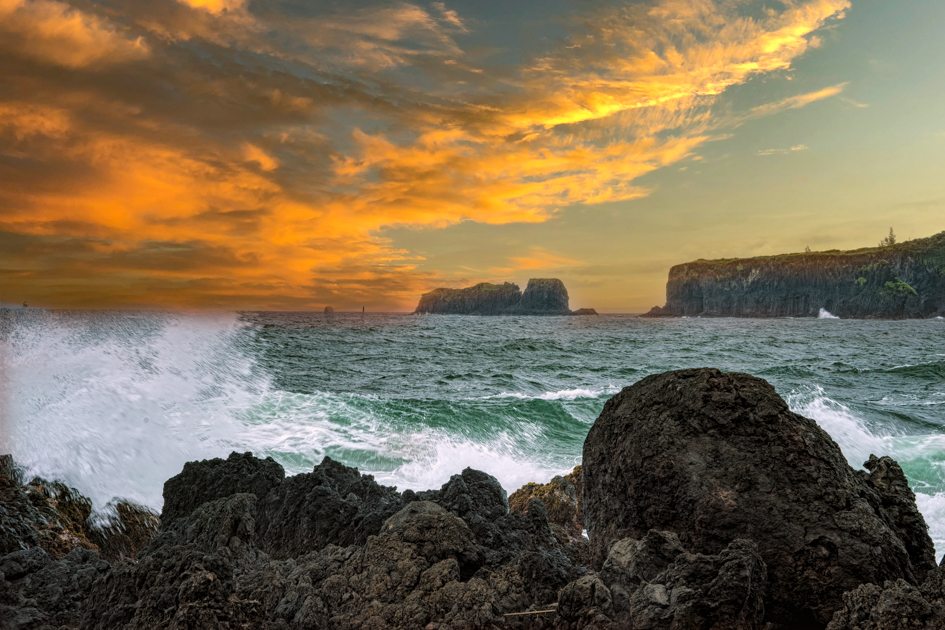
A gentle cove protected by two lava rock outcroppings, Kapalua Bay is perfect for snorkeling and calm swimming. It’s also one of the best spots to capture reflections at golden hour — when the water glows and the palm silhouettes line up perfectly against the sunset.
Makena (Big Beach)
If you want space, this is it. Makena — also known as “Big Beach” — offers wide open sand and fewer crowds. It’s a favorite for photographers looking for a clean horizon or dramatic compositions with people dwarfed by the landscape.
Practical Tips for Visiting Maui
Maui rewards the curious traveler — the one who’s willing to pull over for a hidden trailhead or sit quietly while the sun dips below the ocean. A few practical tips can make your visit smoother (and your photos even better).
Best Time to Visit
Maui is beautiful year-round, but spring (April–May) and fall (September–October) offer ideal weather with fewer crowds. Winter brings migrating humpback whales, while summer has the calmest ocean conditions for snorkeling.
How Long to Stay
Give yourself at least five to seven days if you can. You’ll want time to drive the Road to Hana, explore Haleakalā, and still enjoy lazy mornings by the water. If you can stretch your stay, spending a night in Hāna makes the journey feel even more immersive.
Packing Tips
Bring reef-safe sunscreen, comfortable walking shoes, a light rain jacket for the east side, and layers for Haleakalā’s chilly summit. If you’re a photographer, Maui’s dynamic light and coastal weather make it worth carrying a polarizing filter — it deepens blues and brings out texture in the clouds.
Photography Tip
Sunrise and sunset light are magic here, especially along the west coast beaches and at Haleakalā. Don’t pack your camera away midday — clouds rolling over the mountains can create dramatic lighting even in harsh sun.
You can read my full review here: Leica Q3 (43mm) Review: Why This Version Fits My Travel Photography Even Better.
Island Etiquette
Respect the island’s pace and people. Many areas, especially around Hāna and Upcountry, are residential — drive slowly, support local stands and shops, and always leave beaches as you found them. Maui’s quiet beauty endures because people care for it.
Continue your Hawaii journey
Each island has its own story — from Maui’s winding Road to Hana to the Big Island’s lava flows and black sand beaches. Read about each region:
Final Thoughts
Maui is an island that asks you to slow down — to trade your schedule for the rhythm of the waves and let each curve in the road surprise you. From exploring lava tubes to chasing waterfalls on the Road to Hana, it’s a place where adventure and tranquility blend seamlessly.
If you’re dreaming of the islands, Maui is a perfect balance between the wild and the refined — and it’s a journey you’ll want to relive long after you’ve left.
Read next: Road to Hana: The Ultimate Backroads Drive Through Paradise
Also explore: Exploring a Lava Tube in Waiʻānapanapa State Park
Plan your full trip: Hawaii Region Travel Guide – Discovering Oʻahu, Maui, Kauai & the Big Island
For ideas from other islands see: Exploring the Na Pali Cliffs — Kauai’s Wild and Timeless Coast and Kīlauea Lighthouse: A Beacon on Kauai’s North Shore.
Let’s Stay in Touch
Love exploring off-the-beaten-path destinations?
Join my newsletter for new travel guides, photography tips, and stories from the road.
Subscribe to Back Roads Lens ›