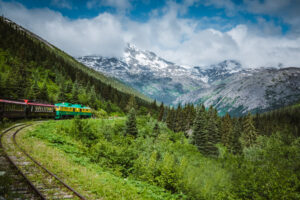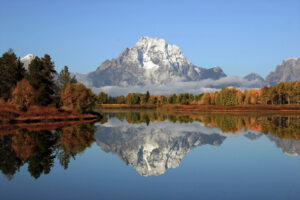
There’s nothing quite like watching a humpback whale break the surface of Alaska’s icy blue waters. The sound — that deep, echoing breath as it exhales through the blowhole — lingers in the air longer than you expect. I still remember standing on the deck of a small tour boat out of Juneau, camera in hand, when the first tail fluke rose from the water and disappeared into the depths. In that moment, the immensity of Alaska hit me — not just its mountains and glaciers, but the wild life that calls it home.
Every summer, whale watching in Alaska becomes one of the most unforgettable experiences for travelers. Between May and September, thousands of humpback whales migrate north from the warm waters of Hawaii to Alaska’s nutrient-rich feeding grounds. Whether you’re sailing out of Juneau, Sitka, Seward, or Icy Strait Point, there’s always a good chance you’ll spot one of these magnificent giants breaching or bubble-feeding alongside sea lions and bald eagles.
Where to Go Whale Watching in Alaska
Whale watching in Alaska is one of those bucket-list experiences that feels different every time — because no two sightings are ever the same. Some of the best spots line the Inside Passage, where calm waters and nutrient-rich currents draw whales close to shore. Others are farther south or along the Gulf of Alaska, where you’ll find not just humpbacks, but orcas and gray whales, too. Here are a few of my favorite (and most reliable) places to go:
Juneau
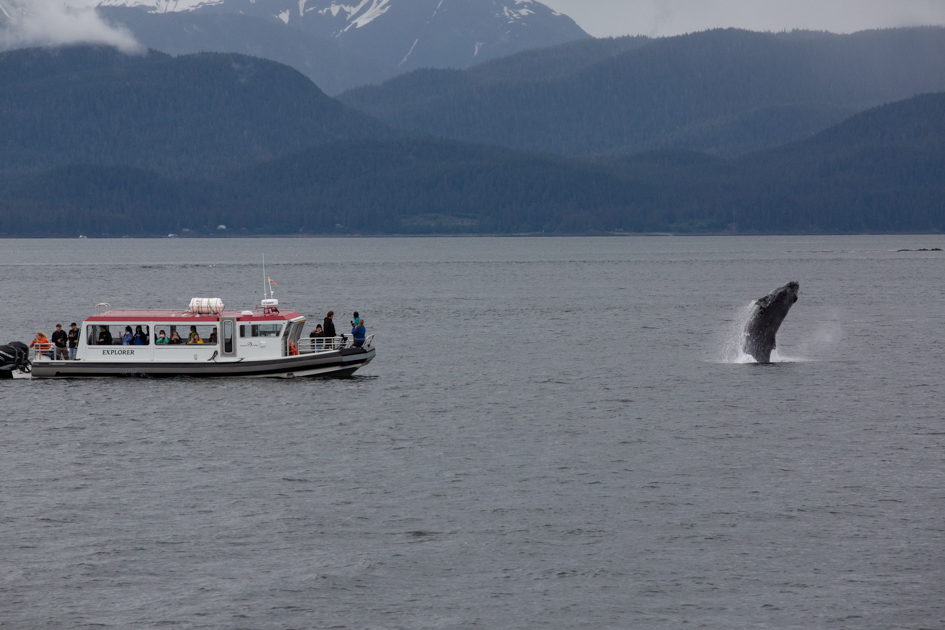
If you only have time for one whale-watching trip, Juneau is the place to do it. Nearly every tour here guarantees sightings during the summer months — that’s how plentiful the whales are. We left from Auke Bay, and within minutes saw several humpbacks feeding near the surface. The calm channels around Juneau make this one of the easiest and most scenic ways to experience whales up close, often against a backdrop of snow-capped peaks and the icy waters of the Inside Passage.
Icy Strait Point (Hoonah)
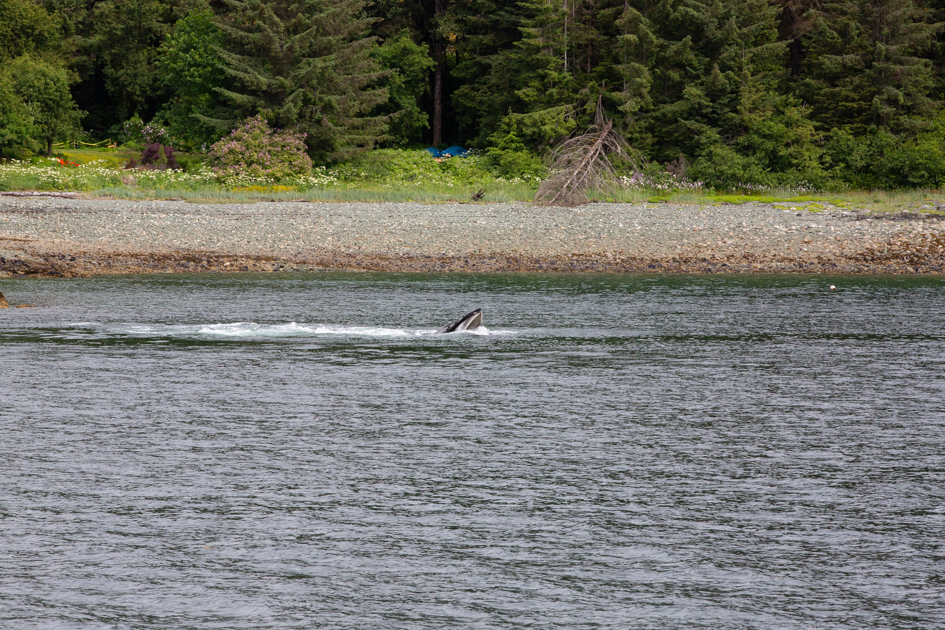
A little farther north, near the small Tlingit village of Hoonah, Icy Strait Point offers some of the most authentic whale encounters in the state. The whales here are often closer to shore, and locals say you can sometimes spot them even from the beach. If you’re on a cruise that stops here, don’t miss a local-led small boat tour — the guides know these waters (and these whales) better than anyone.
Seward & Kenai Fjords National Park
For a mix of whale watching and rugged coastal scenery, head to Seward on the Kenai Peninsula. The wildlife cruises through Kenai Fjords National Park often include sightings of humpbacks, orcas, and gray whales, plus puffins, sea otters, and glaciers calving into the sea. The contrast between the icy cliffs and the dark blue water makes photographing whales here especially dramatic.
Sitka
Sitka is another excellent spot, particularly early in the season when whales are migrating north. The surrounding islands create sheltered bays that make for smooth sailing and frequent sightings. Sitka also offers a rich cultural experience — this is Tlingit country, where storytelling and respect for nature go hand in hand.
Glacier Bay National Park
While not every visitor is lucky enough to see whales here, Glacier Bay is still worth the trip for its sheer wildness. The park’s nutrient-dense waters attract humpbacks, and the sight of a whale surfacing against the backdrop of a glacier feels like something straight out of a nature documentary.
The Great Whale Migration: From Alaska to Hawaii and Back Again
Every year, humpback whales make one of the longest migrations on Earth — traveling roughly 3,000 miles between Alaska and Hawaii. It’s a journey driven by instinct, survival, and the rhythm of the seasons.
During the summer months (May through September), the whales feed in Alaska’s cold, nutrient-rich waters. Here, krill and small fish thrive, giving the whales all the fuel they need to build up the thick layer of blubber that will sustain them through the months ahead.
Then, as winter approaches, the humpbacks begin their long swim south. They leave the abundance of Alaska behind and make their way to the warm, sheltered waters of Hawaii — places like Maui’s Auʻau Channel and the Big Island’s Kona Coast. There, they mate, give birth, and raise their calves in safety.
What’s incredible is that during this migration, the whales don’t eat at all. They live entirely off the fat reserves they built in Alaska. The mothers nurse their newborn calves, teaching them how to surface and breathe while conserving their own precious energy. By spring, the entire population begins the return journey north — a new generation ready to experience Alaska for the first time.
For me, there’s something poetic about knowing the same whales I saw breaching off Juneau may have been the same ones gliding through Hawaiian waters just a few months earlier. It’s a powerful reminder of how connected these wild places truly are — two corners of the Pacific linked by the rhythm of migration.
What to Expect on a Whale Watching Tour in Alaska
If you’ve never been whale watching in Alaska before, prepare to spend half the trip with your jaw on the floor and the other half glued to your camera viewfinder. Tours here range from small six-person boats to larger catamarans, and most operate from May through early September — peak season for humpback activity.
The moment you leave the harbor, the air feels different. Cold, clean, and alive with the sound of gulls and the slap of water against the hull. Guides usually scan the horizon for spouts — that quick burst of mist that gives the whales away — and once one’s spotted, the captain slows so everyone can take in the view. Sometimes you’ll see a fluke rise and vanish, sometimes an entire whale launches from the water in a full breach. Either way, it’s unforgettable.
What You Might See
- Humpback Whales: The stars of the show, often bubble-net feeding or showing off their signature tails before a deep dive.
- Orcas (Killer Whales): Common in areas like Seward and Prince William Sound, especially around pods chasing salmon.
- Gray Whales: Frequently spotted near Seward in spring as they migrate north from Mexico.
- Sea Lions, Otters, and Bald Eagles: Alaska’s bonus wildlife sightings — they always seem to steal the show between whale appearances.
Photography Tips
Bring a zoom lens (something that reaches at least 200 mm helps) and shoot in burst mode — whales move fast, and you’ll want several frames to choose from. Keep your shutter speed high, especially when the light dances off the water. I also like to set my camera to continuous autofocus so I can lock onto movement the moment a fluke breaks the surface.
And don’t forget to put the camera down sometimes. The real magic of whale watching in Alaska isn’t just capturing the perfect shot — it’s that quiet moment when you realize you’re sharing the same ocean with a creature that’s traveled thousands of miles to be here.
Closing Thoughts: Alaska’s Wild Connection
Every trip I’ve taken through Alaska leaves me with a deeper sense of awe — but watching whales here feels different. It’s humbling. These are animals that cross oceans, mothers that nurse calves through the longest migration on Earth, and travelers that remind us how connected our world really is.
When you stand on the deck, camera in hand, and a humpback surfaces just a few yards away, you can’t help but feel small — in the best possible way. The splash, the sound, the stillness afterward… it’s a reminder that Alaska is still wild, still untamed, and still capable of surprising us.
If you’re planning a trip north, make whale watching in Alaska part of your journey. Whether it’s from Juneau, Seward, or a small coastal town tucked along the Inside Passage, it’s an experience that stays with you long after you’ve left the dock.
Read more: Alaska Region Travel Guide — for more adventures, scenic drives, and the wild beauty that makes Alaska one of my favorite places to photograph.
Related: Hawaii Region Travel Guide — where these same whales spend their winters, completing the incredible circle of migration across the Pacific.
If you are in Alaska, check out other great places to visit:
- Skagway and the White Pass and Yukon Railroad.
- Fairbanks
- Denali National Park
- Back Roads of Alaska
- Gold Dredge 8
- White Pass and Yukon Railroad
- Hubbard Glacier
Love stories from the back roads?
Join my free newsletter for travel inspiration, photo tips, and updates from my latest adventures across the USA’s wild and winding roads.
👉 Subscribe to Back Roads Lens Newsletter