Section 1: Introduction — Why All-Purpose Lenses Matter on the Road
When I’m planning a road trip — whether it’s a weekend loop through Upstate New York or a month-long cross-country adventure — I want lenses that can handle anything the road throws my way. Landscapes. Wildlife. Small-town streets. Misty waterfalls. Harsh noon light. Soft sunrise glow. I need gear that keeps up without weighing me down.
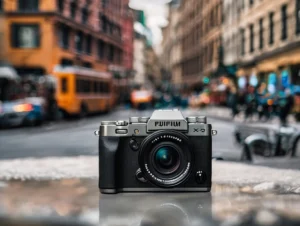
Over the years, especially traveling with my Fujifilm X-T5, I’ve learned which lenses truly earn their place in my bag. These are the lenses that stay mounted most of the time, the ones that help me capture everything from the sweeping views in national parks to the candid moments that tell the real stories of my trips. They’re dependable, sharp, lightweight enough for long days, and versatile enough that I’m not constantly switching glass on the side of a trail. You can read about choosing Primes vs. Zooms in my post Prime vs. Zooms: Finding the Right Lens for the Way You Travel.
In this post, I’m sharing the Fuji lenses I rely on most — not as a technical review, but through real travel experience. These lenses have been with me across Hawaii, Alaska, the Southwest, and countless back roads in between, woven through posts like Mastering Composition on the Road, Wildlife Encounters on America’s Back Roads, and my regional guides. If you’re building a travel kit for your own adventures, these are the lenses I’d recommend starting with. While these are Fuji lenses, the rationale can be applied to any camera system.
Section 2: XF 16–80mm F4 — The True Travel Workhorse
If I had to choose just one Fuji lens to travel with — one lens to cover a full road trip, from sunrise lookouts to wildlife sightings along the roadside — it would be the XF 16–80mm F4. This is my “do-everything” lens, the one that lives on my X-T5 more than anything else in my bag.
What makes it so reliable is its balance: wide enough for landscapes, long enough for tighter framing, and light enough that I can carry it all day without feeling weighed down. I’ve used it everywhere — photographing coastal views on Oahu, capturing the mist at Eternal Flame Falls, and walking the quiet small towns I love to highlight in Finding Creativity in the Everyday. It’s also the perfect companion on scenic byways, where you never quite know what’s around the next turn.
Is F4 enough?
Even though it’s “just” an F4 lens, I rarely feel limited. Fuji’s film simulations, which I’ve talked about in posts like Mastering Shooting in Low Light, help me overcome challenging lighting without sacrificing mood or color. And the lens stabilization is a gift when I’m shooting inside historic buildings, shaded trails, or twilight scenes during my national and state park road trips.
Most importantly, the 16–80mm lets me stay present — not fumbling with gear, but watching for the quiet moments that become my favorite photos. It’s my go-to for everyday travel storytelling, and if you’re building a kit for the open road, this lens is a strong first choice. See my one-lens travel philosophy in Packing: One-Lens Travel — How to Simplify Your Photography and See More.
Section 3: XF 70–300mm + 1.4x Teleconverter — Lightweight Reach for Wildlife & Distant Landscapes
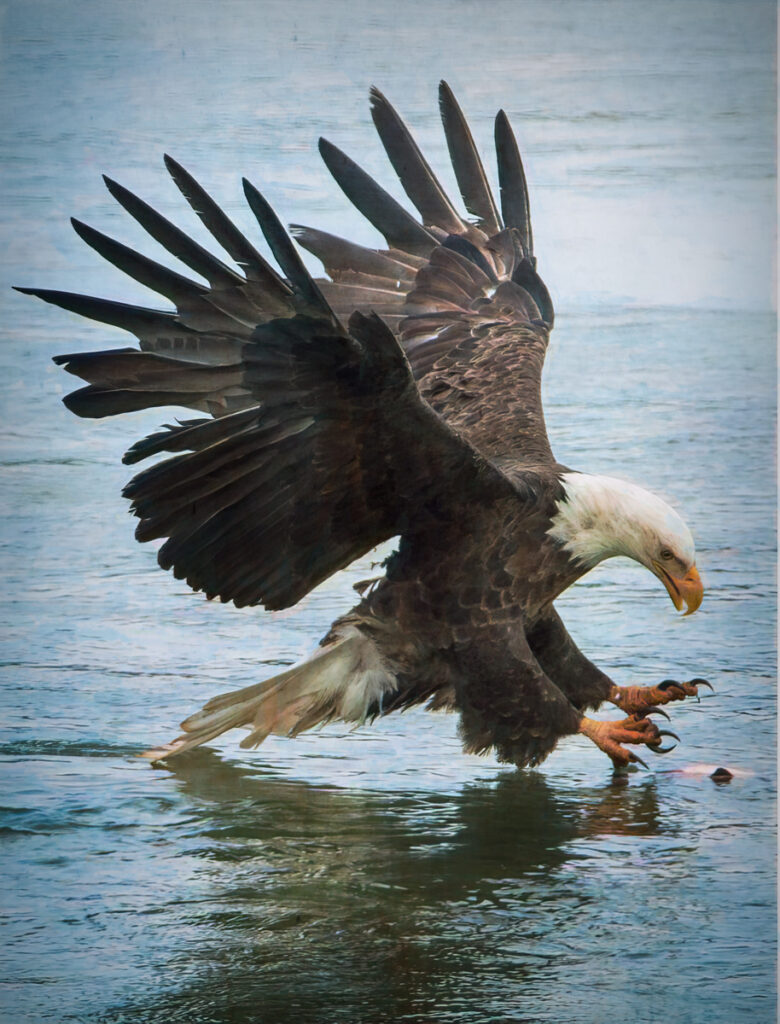
The XF 70–300mm is the lens that earned its place in my bag the moment I realized just how often I reach for extra reach on the road. Whether I’m photographing a bald eagle along my Upstate New York riverbank, spotting elk in Yellowstone, or isolating mountain layers on a hazy Alaska morning, this lens gives me the flexibility I need — without the weight penalty of Fuji’s heavier telephotos.
What makes this setup even better is pairing it with the 1.4x teleconverter. Together, they give me reach all the way out to 420mm (630mm full-frame equivalent), which has been a lifesaver for wildlife photography. I wrote about moments like this in Wildlife Encounters on America’s Back Roads — the kind where an animal appears for just a few seconds, and you need the right lens already mounted, not sitting in your bag.
Ease of use
Even fully extended, the 70–300mm stays surprisingly light and easy to handle. On long hikes or full-day road trips, it’s the telephoto I never hesitate to bring. I also love using it for compressed landscapes — those distant layers of mountains in Denali or the way a long lens turns a small historic church into a dramatic subject against an open sky.
And while it’s not a fast aperture lens, pairing it with Fuji’s excellent stabilization and the X-T5’s high ISO performance makes it more versatile than the specs might suggest. I often use it during golden hour or even later, especially when I want to isolate wildlife without disturbing them — something I talk about often in my wildlife ethics posts.
If you’re looking to add long reach to your all-purpose travel kit, this lens+teleconverter combo is hard to beat for weight, cost, and performance.
Section 4: XF 50–140mm F2.8 — The Professional Zoom That Shines on the Road
The XF 50–140mm F2.8 is what I reach for when I want that polished, professional look straight out of camera — the kind of images with crisp detail, smooth backgrounds, and beautiful contrast. It’s Fuji’s equivalent to the classic 70–200mm F2.8, and it has never disappointed me on the road.
This lens is especially good for moments when I want a little more control over depth of field. At F2.8, it delivers that soft, creamy background that helps subjects pop — from a lone tree catching the last light, to wildlife at mid-range distances, to candid travel portraits along the small-town streets I love to explore. It’s also a favorite when I’m shooting in lower light, like forest trails or overcast days in the Pacific Northwest.
Size matters
Even though it’s bigger and heavier than the 70–300mm, I still find myself packing it for trips where I know I’ll want more artistic control. Alaska was a perfect example — wide landscapes, moody light, and wildlife that often appeared just close enough for this lens to shine. And on Oahu, it helped me frame tighter details at places like the Dole Plantation and Green World Coffee without switching to a prime.
This lens also blends beautifully with Mastering Composition on the Road and Mastering Shooting in Low Light — especially when I’m teaching how to isolate subjects or draw the viewer’s eye through a frame. The stabilization is excellent, the focusing is fast, and the image quality is consistently stunning.
It may not be an “everyday walk-around” lens the way the 16–80mm is, but when I’m planning a trip where I want my images to have that refined punch, the 50–140mm earns its spot every time.
Section 5: XF 35mm F1.4 — The Classic Prime With Magic Built In
There’s something almost nostalgic about traveling with a fast prime, and the XF 35mm F1.4 captures that feeling perfectly. It’s one of those Fuji lenses that has a loyal following for a reason — not because it’s the sharpest or fastest-focusing, but because the images just feel right. There’s a softness to the transitions, a warmth to the contrast, and a character that fits beautifully with everyday travel storytelling.
I love using the 35mm F1.4 when I want to slow down and be more intentional with my photography. It’s the lens I reach for when I’m walking small towns at dusk, sipping coffee at places like Green World Coffee on Oahu, or capturing little moments in my day — the kind of scenes I talk about in Finding Creativity in the Everyday and The Art of Mindful Photography. Shooting at F1.4 lets me create depth and emotion in places where other lenses might fall flat.
It’s also a secret weapon in low light. Inside museums, cafes, or historic buildings — the quieter places I love to explore — the wide aperture gives me room to play with light without bumping my ISO too high. And on the road, it’s a perfect lens for capturing people, food, local textures, and small cultural details that round out my travel stories.
The 35mm F1.4 isn’t the most “practical” lens compared to a zoom, but it brings inspiration in a way zooms sometimes can’t. When I want travel photos with soul, this prime never disappoints.
Section 6: XF 16–55mm F2.8 — The Pro-Grade Alternative to the 16–80mm
The XF 16–55mm F2.8 is often called Fuji’s “red badge” standard zoom for a reason — it delivers professional-level sharpness, contrast, and color straight across the frame. If the 16–80mm is my lightweight, do-everything travel companion, the 16–55mm is the lens I choose when I want the very best image quality without committing to multiple primes.
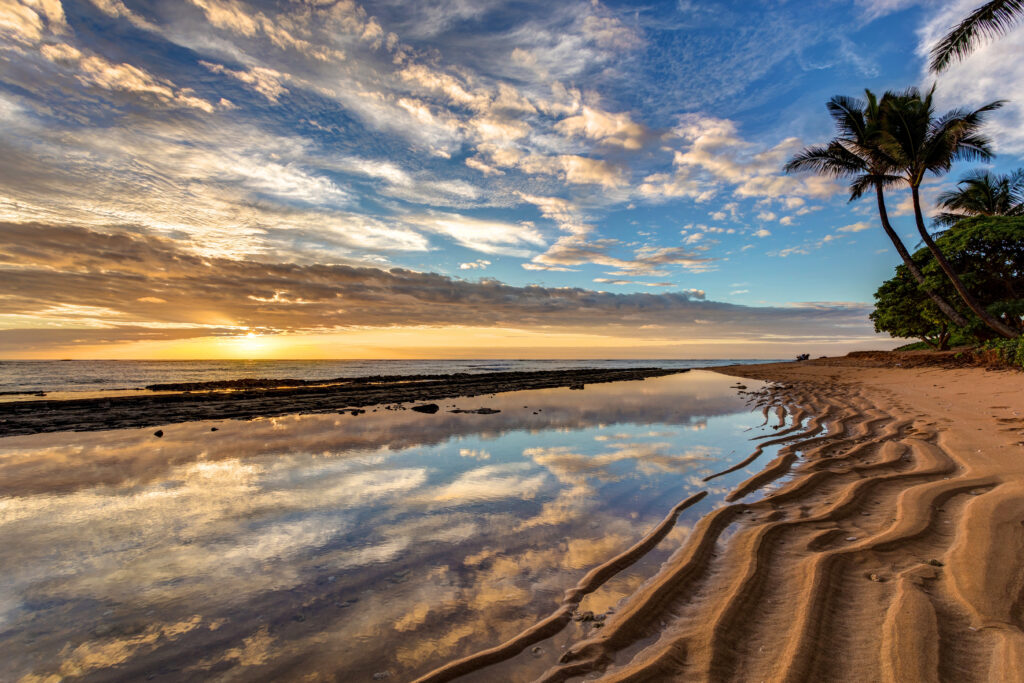
What I love most is the F2.8 aperture. It gives me extra flexibility in low light, which is especially helpful in places like shaded trails, historic architecture, or cloudy days along the coast. The difference between F4 and F2.8 may not seem huge on paper, but when I’m shooting inside a café on Kauai or trying to capture the mood of an early-morning scene in Alaska, it absolutely shows in the final image.
Natural range
This lens also has a very natural field of view range — wide enough for landscapes, tight enough for details. I’ve used it along scenic overlooks, in small towns, and on hikes where I wanted the freedom of a zoom but the quality of a prime. It pairs beautifully with my posts like Mastering Composition on the Road, Mastering Light in Landscape Photography, and Travel Photography Tips for Photographers because it handles both storytelling and technical shooting so well.
The only drawback? It’s heavier than the 16–80mm and lacks optical stabilization. For me, that just means I reach for it intentionally — when I know I’ll value the quality and speed. And when I do pack it, I never regret it.
If you’re building out a versatile travel kit and want top-tier optics, the 16–55mm is one of the strongest lenses in the entire Fuji lineup.
Section 7: How I Choose Which Lenses to Bring on Each Trip
With five solid Fuji lenses in my kit — plus the 1.4x teleconverter — I’ve had to get smart about choosing what actually comes with me on the road. I love having options, but I don’t love carrying gear I never use. Over time, I’ve fallen into a simple rhythm that helps me pack for everything from national park adventures to quiet weekends photographing small towns.
For all-purpose road trips:
I almost always bring the 16–80mm F4. It’s the most versatile lens I own, and it handles 90% of what I encounter — sweeping views, small-town details, quick wildlife sightings along the roadside, and everyday storytelling moments. If I could only bring one lens, this would be it.
For wildlife-heavy destinations:
If I’m going somewhere like Yellowstone, Grand Teton, Alaska, or even back roads where I know eagles or deer are common, I pack the 70–300mm and the 1.4x teleconverter. This combo lets me keep my distance and photograph animals ethically — something I talk a lot about in Mastering the Art of Wildlife Photography and Respecting Local Communities on the Road. It also lets me grab distant landscape layers or compressed scenes that add variety to my storytelling.
For polished, high-impact shots:
Anytime I want my images to feel more refined, I reach for the 50–140mm F2.8. Trips where I expect moody weather, dramatic light, or mid-range wildlife are perfect for this lens. I used it a lot in Alaska and on scenic drives that demanded a little extra artistic control.
For creativity and low light:
When I want inspiration, or when I know I’ll be shooting indoors, at dusk, or in places that call for slower, more thoughtful storytelling, I pack the 35mm F1.4. This is the lens that helps me create images with character — the kind that show up in posts like The Art of Mindful Photography or Finding Creativity in the Everyday.
For maximum quality and speed:
If I want top-tier optics but still want the flexibility of a zoom, I bring the 16–55mm F2.8. It’s heavier and lacks stabilization, so it’s never my “default,” but when I plan to shoot a mix of landscapes, architecture, and environmental scenes in varied light, it’s a perfect choice.
What it really comes down to is this:
I build my kit for the story I want to tell on each trip.
Some trips call for versatility. While others call for reach. Some call for light weight. Some call for creativity. And sometimes, I bring two or three lenses because I know each one will serve a different part of the journey.
Section 8: My Recommended Travel Kits (Good, Better, Best)
One of the questions I get most often is, “If I’m building a travel kit, which lenses should I start with?” After years of photographing national parks, scenic byways, small towns, wildlife, and everything in between, I’ve found that a few combinations consistently deliver the best balance of versatility, quality, and weight.
Here are my three go-to kits depending on budget, travel style, and how much gear you want to carry.
GOOD: The Lightweight, Do-Everything Kit
• XF 16–80mm F4
• XF 70–300mm (optional add-on)
If you want simplicity without sacrificing capability, this is the kit that will take you just about anywhere. The 16–80mm covers nearly every situation — landscapes, towns, food, details, and even casual wildlife. Adding the 70–300mm gives you long reach for national parks or regions where wildlife encounters are common.
This is the kit I often recommend to beginners, families, or travelers who want to focus more on experiencing the trip and less on juggling gear. It pairs beautifully with posts like Mastering Travel Photography for Beginners and Practical Travel Tips for Photographers.
BETTER: The Versatile Storyteller Kit
• XF 16–80mm F4
• XF 35mm F1.4
• XF 70–300mm + 1.4x teleconverter
This setup is perfect if you want flexibility and creativity. The 16–80mm is your everyday, do-everything lens. The 35mm F1.4 is your emotional storyteller — perfect for dusk walks, cafés, and thoughtful compositions straight out of Finding Creativity in the Everyday. And the 70–300mm + 1.4x teleconverter covers wildlife, compressed landscapes, and travel moments that require distance or discretion.
This kit gives you an incredible range without being too heavy, and it fills nearly every gap in real-world travel photography.
BEST: The Pro-Quality Travel Kit
• XF 16–55mm F2.8
• XF 50–140mm F2.8
• XF 70–300mm + 1.4x teleconverter
• XF 35mm F1.4 (optional but highly recommended)
If you want the highest image quality across the board, this is the kit. The 16–55 and 50–140 are Fuji’s flagship zooms — sharp, contrasty, consistent, and fast. The 70–300mm + teleconverter gives you long reach without the bulk of a super-telephoto. And the 35mm F1.4 adds creative magic when you want a different look. You can read more in my post, Why I Chose Leica and Fuji for Travel Photography.
This is the kit I would pack for major trips where I know I’ll be shooting a ton — Alaska, a multi-island Hawaii itinerary, or any road trip I’ll feature in Mastering Composition on the Road or How I Plan and Photograph the Perfect USA Road Trip.
Section 9: Final Thoughts + Explore More
When it comes to choosing the best all-purpose travel lenses, there’s no single “perfect” setup — only the gear that helps you tell the stories you want to tell. Over the years, I’ve learned that my lenses aren’t just tools. They’re travel companions that shape how I see each place, from the wide-open spaces of Alaska to the quiet corners of small towns, from mountain layers at sunrise to the soft glow inside a favorite café.
The lenses in my Fuji kit—16–80mm, 70–300mm with the 1.4x teleconverter, 50–140mm, 35mm F1.4, and 16–55mm—each bring something different to the road. Some offer flexibility. Others offer speed. Some offer creativity. And together, they let me build a travel story that’s rich, varied, and full of the kinds of moments I love sharing here on Back Roads Lens.
If you’re building your own travel kit, start small. Choose the lens that fits the kind of photographer you are right now, not the one you think you “should” be. Add from there as your style grows. That’s the beauty of the Fujifilm system — there’s room to evolve, experiment, and find the lenses that feel right in your hands.
And if you want to dive deeper into the way I photograph the road, here are a few posts that pair beautifully with this guide:
Explore More
- Mastering Travel Photography: Tips and Tutorials for Mastering the Road Less Traveled
Learn how I approach storytelling, light, and composition on the road. - Mastering Composition on the Road
My guide to building stronger images with balance, lines, depth, and rhythm. - Mastering Shooting in Low Light
Practical ways I use my Fuji and Leica systems to handle tricky light when traveling. - Finding Creativity in the Everyday
How simple moments at home or on the road spark some of my favorite images. - Wildlife Encounters on America’s Back Roads
Real stories and lessons from photographing wildlife ethically on the road. - How I Plan and Photograph the Perfect USA Road Trip
My full guide to planning, photographing, and balancing travel days. - Leica Q3 (43mm) Review: Why This Version Fits My Travel Photography Even Better
My recent update to my travel photography system.
Enjoy Guides Like This? Join My Newsletter!
If you love discovering new travel photography tips, off-the-beaten-path destinations, and behind-the-scenes stories from the road, you’ll love my newsletter. I send occasional updates with fresh blogs, gear insights, and exclusive photography tips you won’t find anywhere else.
👉 Sign up here to get the free travel photography guide and never miss a new post!