Introduction: My First Time Driving Into a Holler
Before visiting Appalachia, I had heard the word “holler” many times. Holler is a local word to describe a hollow. It is a narrow valley tucked between mountains or steep hills, most commonly found throughout Appalachia.
I had heard it in movies, documentaries, songs, you tube and conversations about the mountains of places like West Virginia and eastern Kentucky. But honestly, I never fully understood what a holler really was until I drove into one myself.
And once I did, it completely changed how I viewed Appalachia.
Our First Holler
The first holler we drove through in southern West Virginia felt unlike anywhere else I had ever been in America. The road narrowed as it followed a small creek deeper into the mountains. Homes sat tightly between the water and the steep hillsides because there was simply nowhere else to build. The mountains rose sharply on both sides, creating a feeling of both beauty and isolation at the same time.
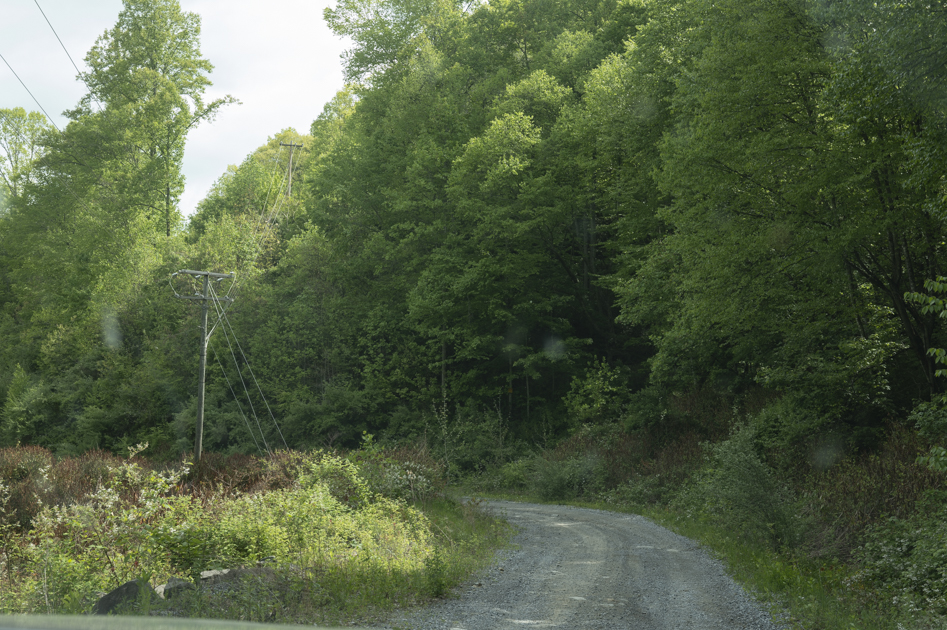
It immediately felt different from small towns or rural areas I had visited elsewhere.
This was not wide-open farmland or rolling countryside. It felt enclosed. Hidden. Almost separated from the outside world.
As we slowly drove farther in, I began noticing the contrasts that would stay with me throughout our time in Appalachia. Some homes were beautifully maintained. Others were abandoned or weathered by time and economic hardship. Children’s toys sat in small yards beside rusted vehicles. Laundry hung outside in the mountain air while creeks quietly flowed beside the road.
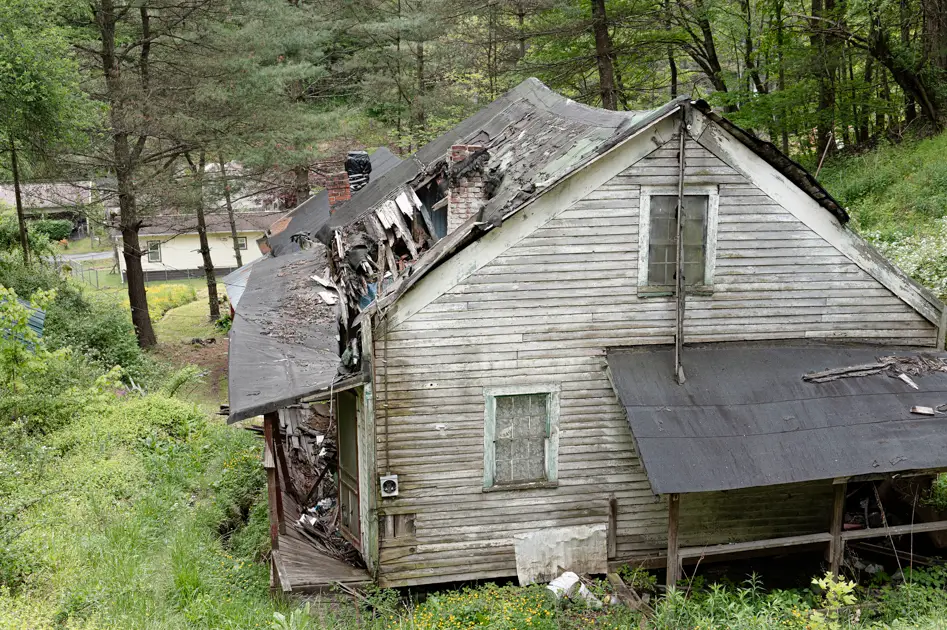
And despite the poverty that was visible in places, I also sensed something else.
Pride.
History.
Resilience.
Community.
That first drive into a holler forced me to realize how many misconceptions people—including myself—often carry about Appalachia. The region is frequently simplified into stereotypes by people who have never actually spent time there.
But standing in a real holler feels much more complicated than the stereotypes.
It feels human.
What Exactly Is a Holler?
In the simplest terms, a holler is a narrow valley tucked between mountains or steep hills, most commonly found throughout Appalachia.
The word comes from the term “hollow,” but in Appalachian culture, “holler” became the more common pronunciation over generations. Today, the term is deeply connected to the identity and geography of the region.
But a holler is more than just a landform.
A Holler is more than land
It is a way of life shaped by the mountains themselves.
In many Appalachian hollers, there is only enough flat land for a narrow road, a creek, and a line of homes squeezed between steep hillsides. The mountains rise sharply on both sides, often creating a sense of isolation from nearby towns and cities. Some hollers stretch for miles into the mountains, with homes scattered farther and farther apart the deeper you travel.
Driving through one feels very different from driving through most rural parts of America.
You are not looking out across open fields or wide valleys. Instead, the mountains almost wrap around you. The road twists beside creeks and hillsides, and communities seem hidden within the landscape itself.
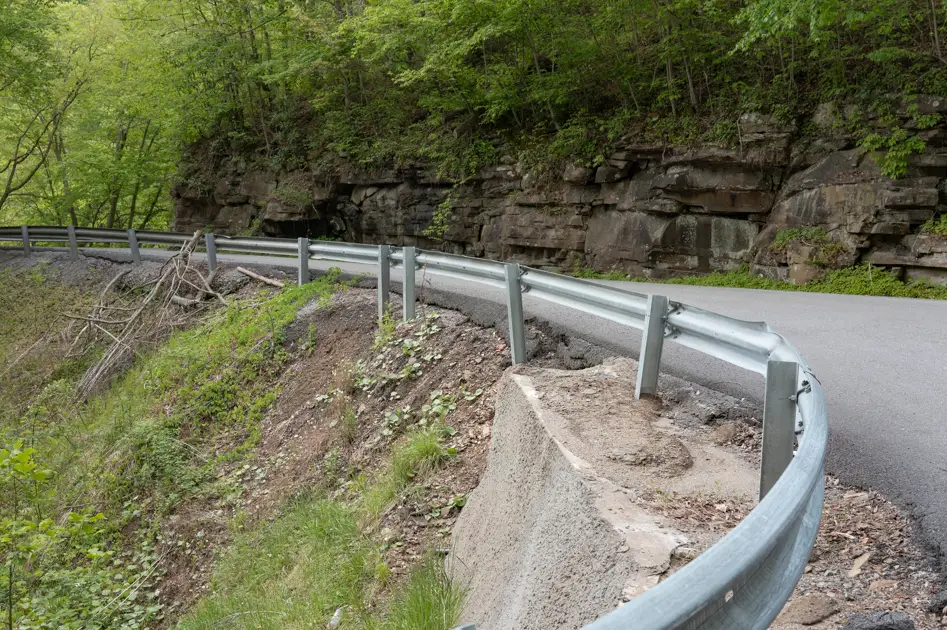
That geography shaped Appalachian culture in powerful ways.
For generations, families often lived in the same hollers for decades, sometimes even centuries. Communities became tightly connected because of both the beauty and the isolation of mountain life. Coal mining towns and small settlements frequently developed deep within these valleys because that was where the resources—and the people—were located.
At the same time, the geography also made economic growth and transportation more difficult. Many hollers remained isolated long after other parts of America became more connected through highways and larger cities.
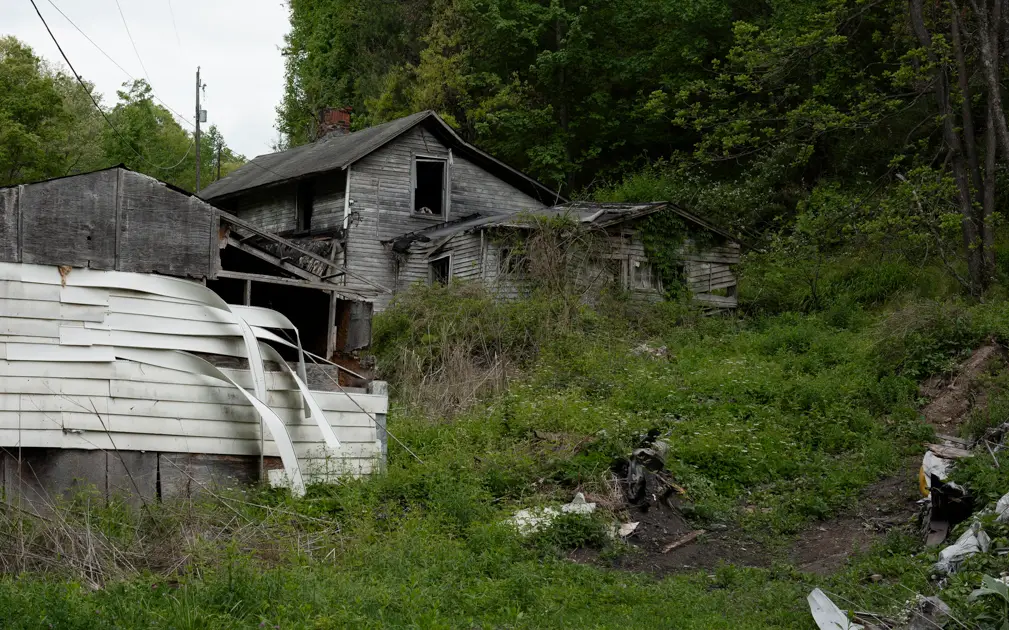
Standing in a holler today, you can still feel how much the mountains shaped everyday life here.
The landscape itself tells part of the story.
The Isolation of Appalachian Hollers
One of the first things I noticed while driving through Appalachian hollers was the feeling of isolation.
Not loneliness exactly—but separation.
The deeper we drove into the mountains, the more it felt like the outside world slowly disappeared behind us. Roads became narrower and more winding. Cell service faded in and out. Small communities appeared almost hidden within the valleys, surrounded by steep ridges that seemed to close in on every side.
It helped me understand why hollers developed such strong identities and close-knit communities over generations.
When you live tucked deep into the mountains, daily life naturally becomes centered around the people nearby. Families often stayed in the same hollers for generations. Neighbors depended on one another. Schools, churches, coal camps, and local stores became the center of community life because traveling beyond the mountains was not always easy.
At the same time, that isolation also created challenges.
Jobs could be limited. Access to healthcare, education, and economic opportunities often became more difficult in remote mountain communities. As coal jobs disappeared throughout Appalachia, many hollers were left struggling economically with few industries to replace them.
Driving through some of these areas, the effects were visible.
Abandoned homes sat quietly along creeks. Old buildings slowly weathered with time. Some roads felt almost forgotten except by the people who still called the mountains home.
And yet, despite the hardships, I never felt that these places lacked identity or pride.
If anything, the isolation seemed to strengthen people’s connection to the land and to their communities. There was a sense that these mountains were not simply where people lived—they were part of who they were.
That was something I could feel almost immediately while driving through the hollers of Appalachia.
Poverty, Resilience, and the Reality Behind the Stereotypes
It would be impossible to talk honestly about Appalachian hollers without acknowledging the poverty that exists in many of these communities.
Driving through parts of southern West Virginia, we saw abandoned homes, aging buildings, struggling towns, and visible signs of economic hardship. In some hollers, homes sat weathered against the mountainsides while old vehicles rusted nearby. Entire communities seemed shaped by industries that had long since declined.
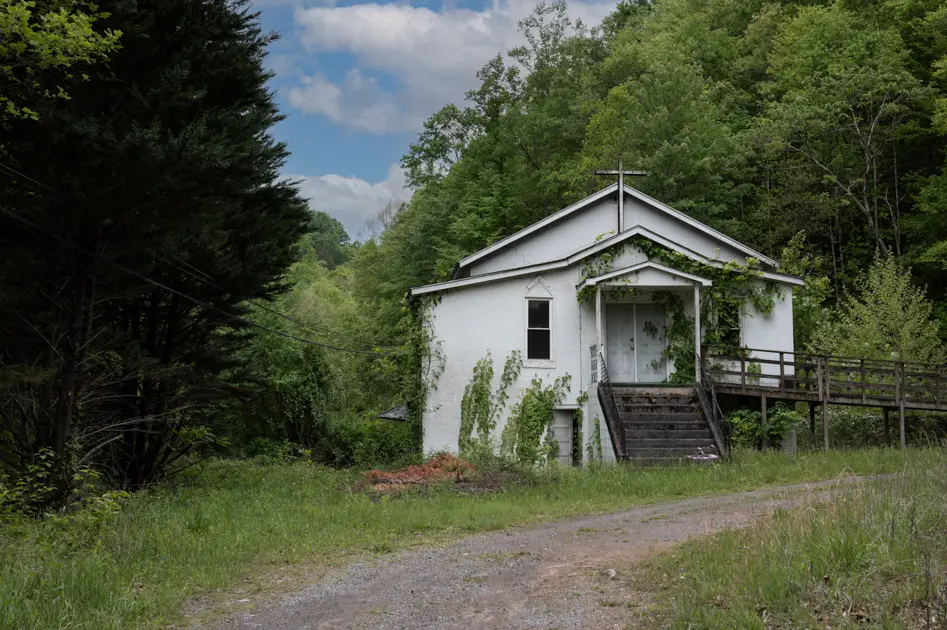
At times, it was heartbreaking to see.
But what struck me most was how incomplete the stereotypes about Appalachia really are.
Too often, people outside the region reduce Appalachia to a single narrative—poverty, addiction, decline, or hopelessness. Those realities certainly exist in some places, but they are not the whole story. Not even close.
What I noticed just as much was resilience.
People still caring for homes that had been in their families for generations.
Neighbors talking on porches.
Children playing in yards.
Communities continuing despite decades of economic change.
There was dignity there that is often overlooked.
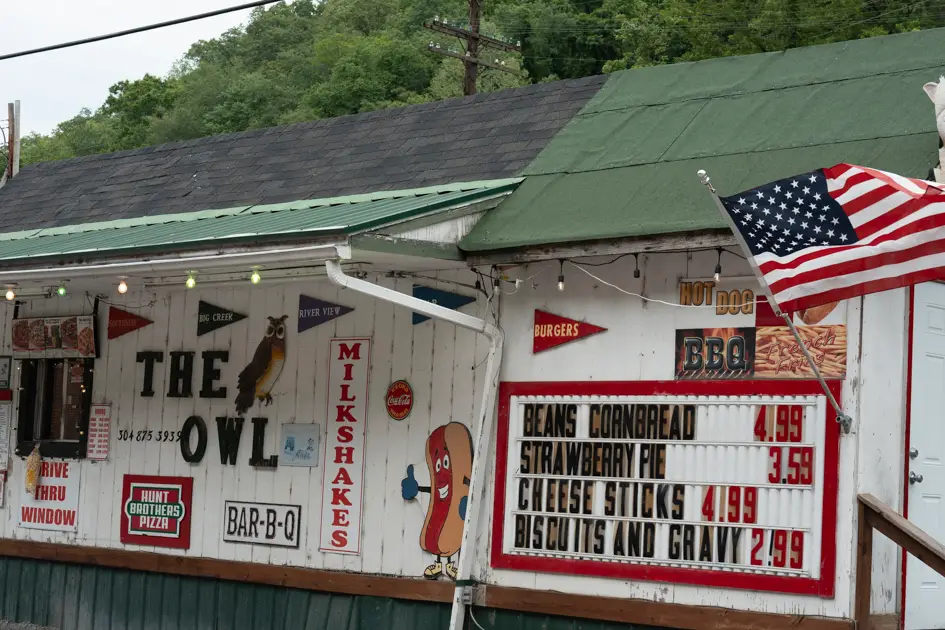
The more time I spent driving through the hollers, the more I realized how easy it is for outsiders to judge places they have never truly experienced. Appalachia is incredibly complex. The region carries deep history, strong cultural identity, natural beauty, hardship, pride, and resilience all at the same time.
And honestly, the mountains themselves seem to shape that resilience.
Life in a holler has never been easy. The geography alone creates challenges most people outside the region rarely think about. Yet generations of families built lives here anyway, deeply connected to both the land and their communities.
That perspective stayed with me long after we left Appalachia.
Appalachian Culture Beyond the Headlines
One of the biggest things I took away from visiting the hollers of Appalachia was how much the culture of the region is misunderstood by people who have never spent time there.
Too often, Appalachia is portrayed through extremes.
News stories focus on poverty, politics, addiction, or economic decline. Television and movies sometimes reduce the region to stereotypes about “hillbillies” or isolated mountain communities. Over time, many people outside Appalachia begin to see the region through a very narrow lens.
But driving through real hollers felt far more human and nuanced than the headlines ever suggest.
There is a deep sense of place in Appalachia that is difficult to explain until you experience it yourself. Families remain connected to the mountains for generations. Communities often carry strong traditions tied to faith, music, storytelling, hard work, and self-reliance. The landscape itself becomes part of people’s identity.
You can feel that connection while driving through the mountains.
Churches tucked into narrow valleys.
Front porches overlooking creeks.
Family cemeteries resting quietly on hillsides.
Old coal camps and small towns that still carry the stories of the people who built them.
Even the slower pace of life felt different.
In many ways, Appalachia reminded me of an America that is disappearing in other parts of the country—a place where family roots, local history, and connection to the land still matter deeply.
That does not mean the region is frozen in time or untouched by modern struggles. It simply means the culture here is richer and more layered than outsiders often assume.
And honestly, I think that is one reason why visiting the hollers affected me so much.
The experience challenged many of the assumptions I did not even realize I carried before the trip.
Why the Hollers Stayed With Me
Long after we left Appalachia, I kept thinking about the hollers.
Not because they were tourist destinations.
Not because they were famous.
And not because they fit the typical idea of “beautiful travel.”
They stayed with me because they felt real.
There was something about driving through those narrow mountain valleys that forced me to slow down and look beyond surface impressions. The hollers carried beauty, hardship, history, pride, resilience, and isolation all at once. They did not fit neatly into the stereotypes so often attached to Appalachia.
And honestly, I think that is what made the experience so meaningful.
Travel sometimes teaches us the most when it takes us outside our comfort zones and challenges the assumptions we did not even realize we had. Visiting the hollers of Appalachia did exactly that for me.
The mountains were stunning.
The poverty was visible.
The culture felt deeply rooted.
And the people and communities felt far more complex than the simplified narratives often portrayed from a distance.
In many ways, the hollers became a reminder of why I love exploring back roads and lesser-known places across America.
Because the most memorable places are not always the polished destinations that appear on postcards or travel brochures. Sometimes they are the places that quietly tell deeper stories about the people, history, and realities of life in different corners of the country.
The hollers of Appalachia did that for me.
And I have a feeling they always will.
Final Thoughts on Discovering Appalachia Beyond the Stereotypes
Before this trip, the word “holler” was simply something I had heard connected to Appalachia.
Now, it means something entirely different to me.
Driving through the hollers of southern West Virginia gave me a deeper understanding not only of the geography of Appalachia, but also of the people and communities shaped by those mountains for generations. The experience challenged many of the stereotypes that are so often attached to the region and replaced them with something far more meaningful—perspective.
Appalachia is not one story.
It is beauty and hardship.
Isolation and community.
Poverty and resilience.
History and change.
The hollers reflect all of that.
They are places where the mountains themselves shaped culture, identity, and daily life in ways many outsiders never fully see or understand. And while the region certainly faces real economic struggles, it also carries a depth of history, pride, and humanity that deserves far more respect than the stereotypes often allow.
For me, the hollers became one of the most memorable parts of our time in Appalachia.
Not because they were polished or easy to explain, but because they felt honest.
And honestly, those are often the places that leave the biggest impression long after the road trip ends.
What is a holler in Appalachia?
Why are hollers important in Appalachian culture?
Are hollers only found in West Virginia?
Why is Appalachia often misunderstood?
Follow Along
If stories like this speak to you, you’re exactly why I created Back Roads Lens. Beyond the stereotypes and headlines, there’s a deeper America waiting along the back roads — quiet towns, mountain hollers, forgotten history, and the people who still call these places home.
Join my newsletter for new travel stories, photography adventures, scenic drives, hidden places, and reflections from the road less traveled. No spam. No clutter. Just authentic journeys across America delivered straight to your inbox.
mailerlite_form form_id=1
Explore More
- A Drive Through Real Appalachia: Exploring McDowell County, West Virginia
- Coalwood and the Legacy of October Sky
- Driving West Virginia’s Coal Heritage Trail: Through the Heart of Appalachia
- Appalachian Region Travel Guide
- Scenic Drives and Road Trips Across America: Finding Beauty Between the Lines on the Map
- Off the Beaten Path Small Towns in the USA: Finding the Heart of America
- Photographing Appalachia: Capturing Stories Through the Lens
- Thurmond, West Virginia: The Ghost Town Hidden in the New River Gorge
- Mastering The Art of Mindful Photography
- Mastering Storytelling on the Road: Turning Every Trip Into a Captivating Travel Narrative
- Respecting Local Communities on the Road