
Experience the Magic of Hawaii Volcanoes National Park
Hawaii’s Big Island is home to one of the most awe-inspiring natural wonders on Earth: Hawai’i Volcanoes National Park. This UNESCO World Heritage Site offers visitors a front-row seat to the incredible geological forces that shape our planet—from active lava flows and smoldering steam vents to ancient lava tubes and culturally sacred landmarks.
Whether you’re a nature enthusiast, a photography lover, or simply in search of your next bucket-list adventure, this park is an experience like no other. If you’re planning to explore the park, my Big Island Hawaii Travel Guide shares how to make Hilo your base and what else to see nearby.
Kīlauea Volcano: Witnessing Earth’s Fury
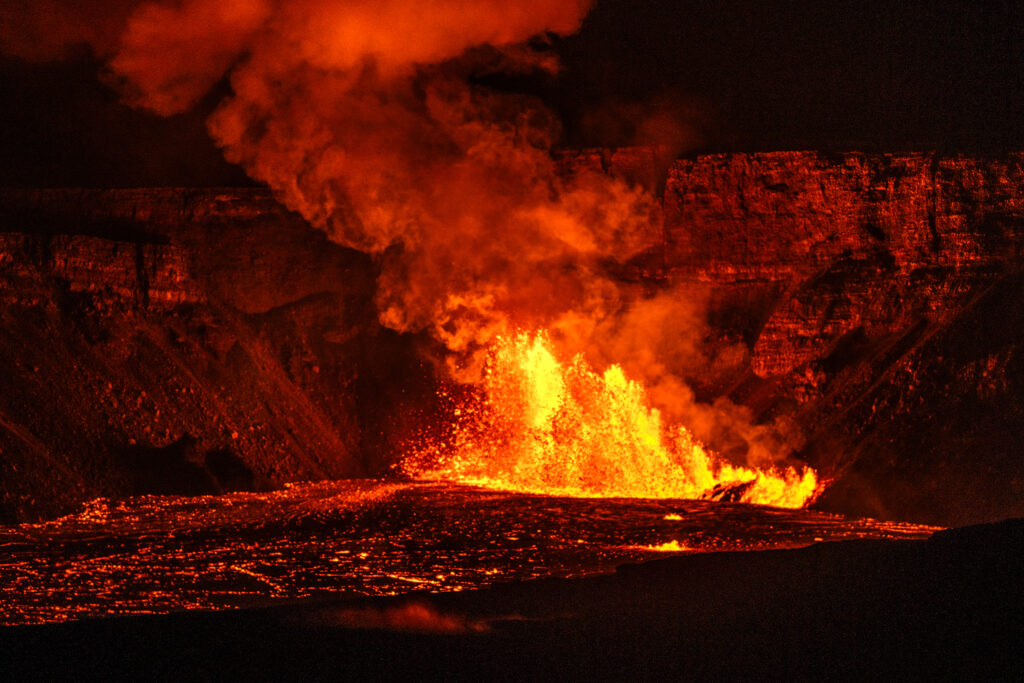
On December 2024, Kīlauea Volcano—one of the most active volcanoes in the world—began another dramatic eruption inside Halemaʻumaʻu Crater. Towering lava fountains reached heights of 100 feet, covering parts of the crater floor and producing intense volcanic gas emissions that blanketed the island in vog (volcanic smog).
Kīlauea remains active, erupting intermittently. Unfortunately, during our visit, the volcano had paused, but the National Park website features incredible photos from this recent eruption.
🔥 Pro Tip: Always check the USGS Volcano Updates or park alerts before visiting to see if the volcano is currently active.
The Origins of the Park: Nature, Culture, and Creation
Founded in 1916, Hawai’i Volcanoes National Park spans over 330,000 acres and is home to Kīlauea and Mauna Loa, two of the world’s most powerful volcanoes. But it’s more than just a geological marvel—it’s also a sacred place in Native Hawaiian culture.
According to legend, Pele, the Hawaiian goddess of fire and volcanoes, resides in Kīlauea’s fiery depths. Her spirit lives in the steam, smoke, and eruptions that define this mystical land. Understanding this cultural heritage adds a deeper, more spiritual layer to your visit.
Must-See Attractions in Hawaii Volcanoes National Park
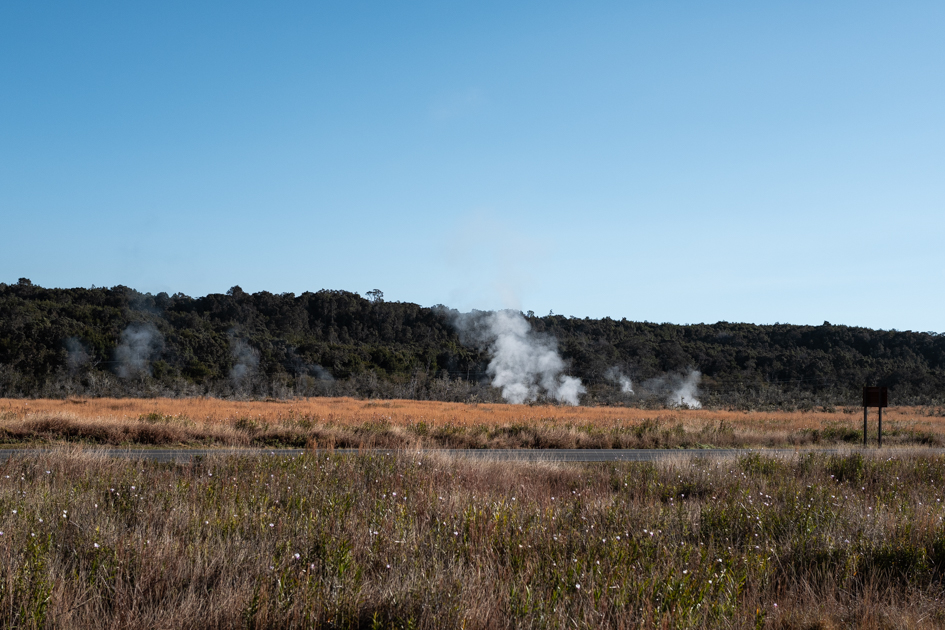
Steam Vents: Earth’s Breath
Located near Kīlauea Caldera, the steam vents release heat and volcanic gases from deep below the surface. As you stand near these swirling clouds of steam and breathe in the sulfur-rich air, you can feel the earth exhaling its energy. It’s both surreal and grounding.
Thurston Lava Tube: Walk Through an Ancient Lava Highway
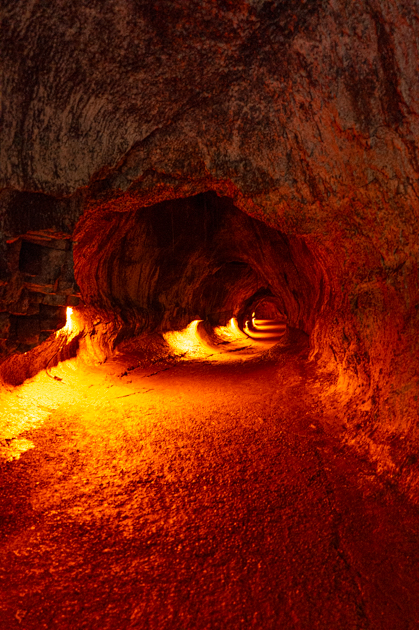
One of the park’s most popular attractions, the Thurston Lava Tube, is a natural tunnel formed by ancient lava flows. Located near the Kīlauea Visitor Center, this 500-foot-long tube leads you through damp, moss-covered corridors carved from molten rock.
📸 I wrote a full blog about our Thurston Lava Tube experience, complete with photos. Be sure to check it out for more insights!
Old Lava Flows: Walking Through History
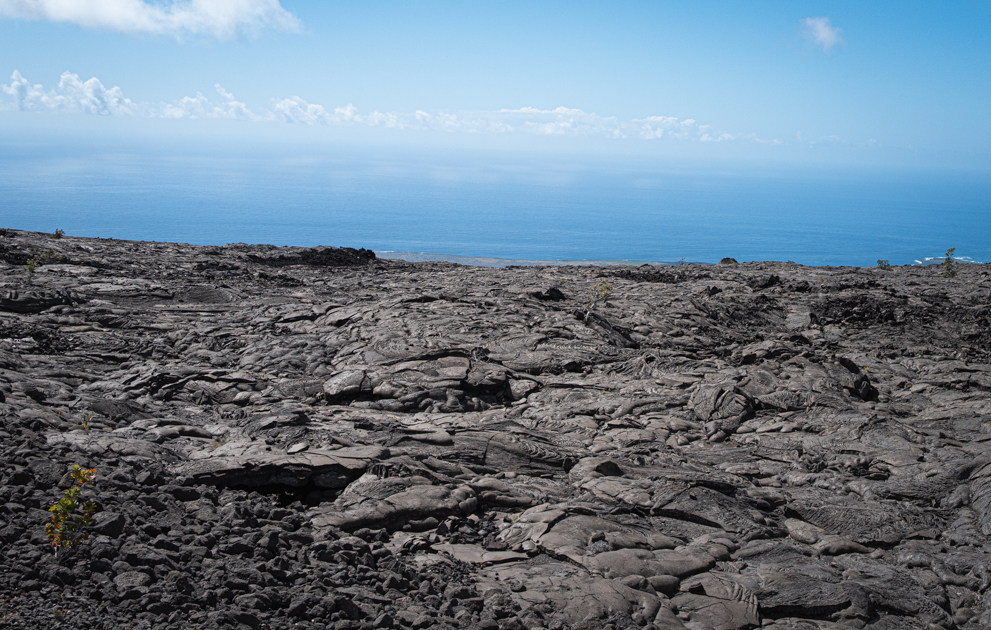
Throughout the park, you’ll find hardened lava fields from past eruptions—some dating back thousands of years. One highlight is the 1974 lava flow, which you can walk across to see firsthand how volcanic activity reshapes the island.
These black, rippled landscapes contrast dramatically with the lush forests and turquoise sea, showcasing the ever-evolving nature of the Big Island.
Lava Flow to the Ocean: Nature’s Spectacular Show
When lava meets the ocean, it’s nothing short of mesmerizing. Watching glowing lava plunge into the Pacific creates massive steam plumes and newly formed black sand beaches.
While recent lava flows have been less consistent, if you’re lucky, you might witness this epic natural spectacle from designated viewing areas.
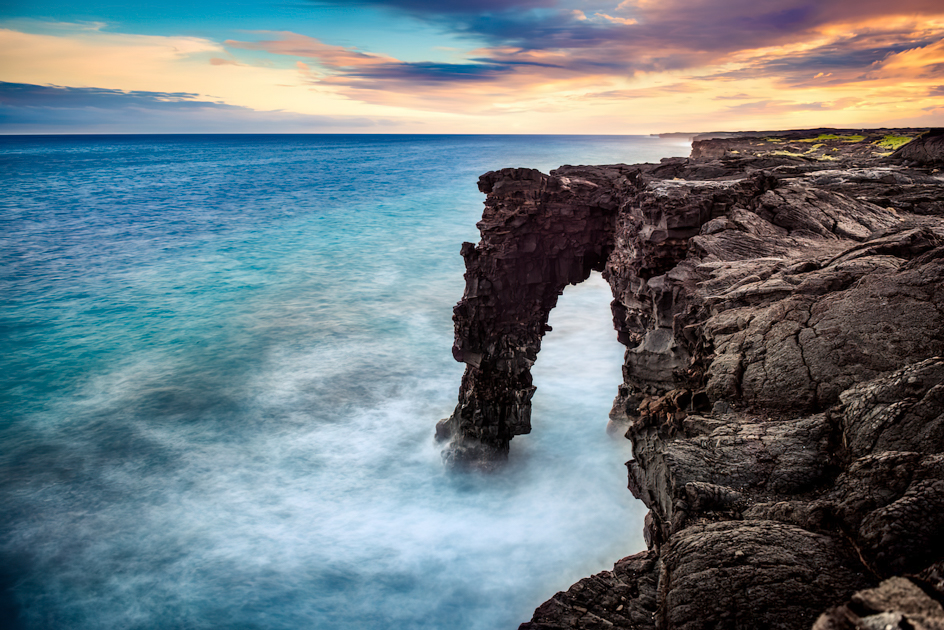
Holei Sea Arch: Sculpted by Time and Tide
At the end of Chain of Craters Road lies the Holei Sea Arch, a dramatic natural bridge carved from lava rock by crashing waves over thousands of years. It’s a breathtaking reminder of the island’s constant transformation through erosion and time.
Planning Your Trip: What to Know Before You Go
- Check Conditions First: Visit the official NPS website or stop by the visitor center for current eruption updates and trail conditions.
- Wear the Right Gear: Sturdy shoes, sun protection, and water are essential. Terrain can vary from forest trails to sharp lava rock.
- Respect the Land: This is not just a park—it’s a sacred place. Be mindful of local customs and avoid disturbing wildlife or sacred sites.
- Best Time to Visit: Year-round access makes planning easy, but check current eruption activity if you hope to see lava.
Final Thoughts: Why You Must Visit Hawaii Volcanoes National Park
A trip to Hawai’i Volcanoes National Park is more than sightseeing—it’s a connection to Earth’s raw power, the cultural spirit of Hawaii, and the ever-changing nature of the Big Island. Whether you’re walking through a lava tube, watching steam rise from the ground, or admiring new land being born, you’ll leave with unforgettable memories and a deeper appreciation for our living planet.
Interested in other Hawaii gems?
- Driving the Road to Hana, Maui, Hawaii: An Unforgettable Journey Through Hawaii’s Most Scenic Drive
- Exploring the Thurston Lava Tube on the Big Island of Hawaii: A Volcanic Journey Beneath the Earth
- A Photographer’s Guide to Kauai: Top Beaches, Hidden Gems & Scenic Views
My Travel Photography Gear
I often get asked about the camera I use. I recently upgraded to the Leica Q3, and I couldn’t be happier. It features a 47.3MP full-frame sensor and a 28mm f/1.7 lens, offering stunning detail and depth in a compact, travel-friendly body.
📖 Curious why I chose the Leica Q3? Read my full blog post comparing travel cameras and why this one won me over. You can see my full travel photography kit in Why I Chose Leica and Fuji for Travel Photography.
If you are visiting Hawaii and want inspiration on other islands and fascinating places to see, Aloha, Hawaii — The Islands That Stole My Heart – Hawaii Travel Guide
Hit the back roads with me—get road-trip inspiration, hidden gems, and photography stories from across the USA!




I’ve been to Hawaii, well Oahu some 15+ times thanks to my dad who worked for an airline. I’ve unfortunately not made it to see the volcanoes – but I will. The lava tubes look amazing..