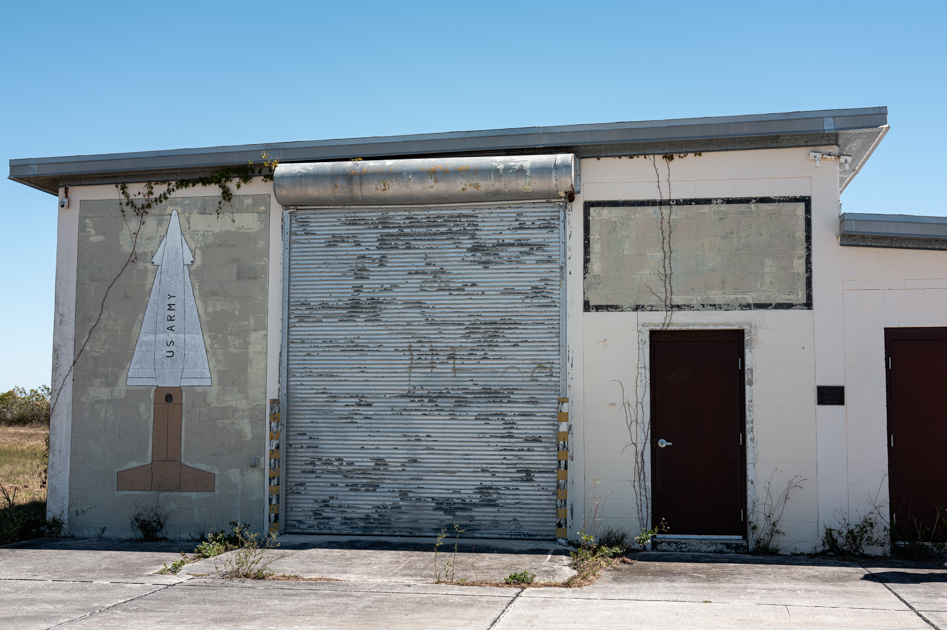
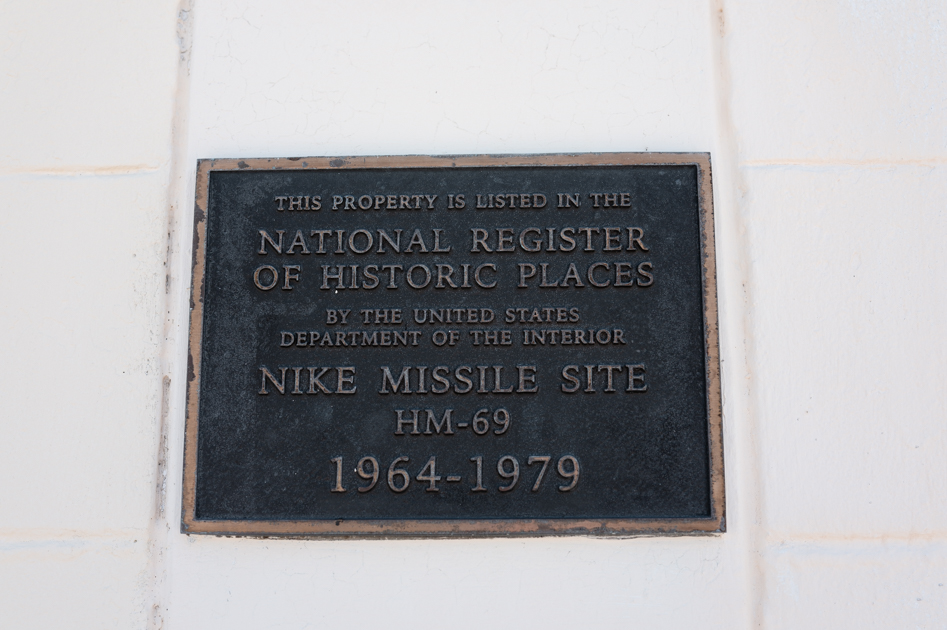
One of the most unexpected stops along the road to Flamingo was the Nike Missile Site HM-69.
Tucked quietly into the landscape, it’s easy to miss if you don’t know it’s there. Surrounded by the stillness of the Everglades, it feels almost out of place—like a piece of history that was left behind and slowly absorbed back into nature.
But this site tells a story that reaches far beyond the Everglades.
This stop was part of a larger journey through the Southeast, where we explored everything from the tropical landscapes of the Florida Keys to the quiet coastal towns along the Gulf. If you’re planning a similar trip or looking for inspiration beyond this destination, visit my Southeast Region Travel Guide, where I’ve pulled together our favorite stops, scenic routes, and travel insights from across the region.
Why Was a Missile Site in the Everglades?
During the height of the Cold War, tensions between the United States and the Soviet Union escalated rapidly—especially during the Cuban Missile Crisis.
With Cuba just 90 miles from Florida, the threat of attack became very real.
In response, the U.S. military established a series of missile defense sites across South Florida. The Everglades location was chosen for its strategic position—far enough from major population centers, but close enough to protect them.
The Nike Missile Site was part of that defense system.
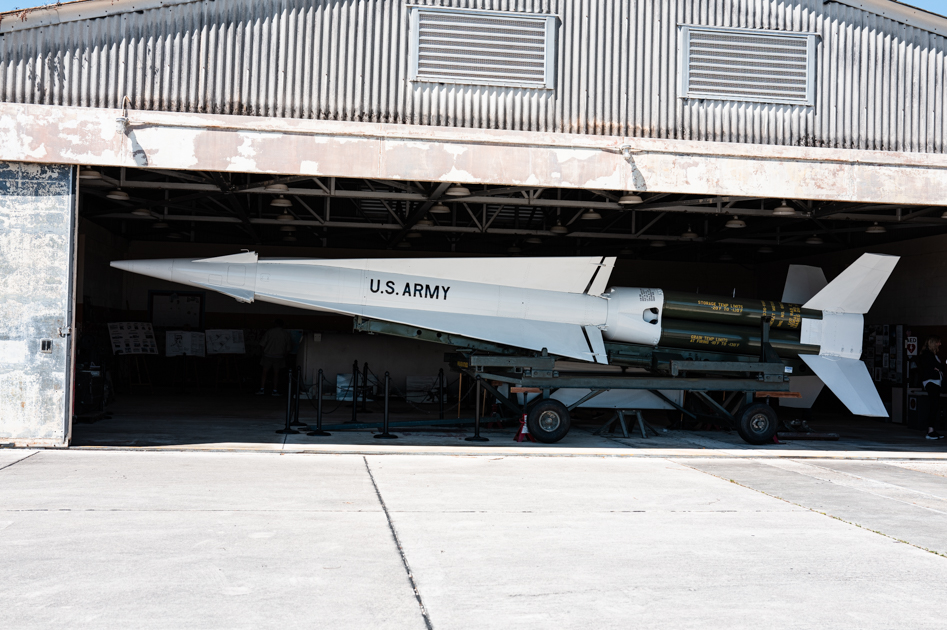
It was designed to detect and respond to potential air attacks, with radar systems tracking incoming threats and missiles ready to launch if needed.
What Was Here
At the time, the site housed Nike Hercules missiles—powerful surface-to-air weapons built for defense.
When we visited, volunteers shared that there were three missiles housed at the site:
- Two with conventional warheads
- One capable of carrying a nuclear warhead, reportedly more powerful than the bomb dropped on Hiroshima
Standing there, hearing that, gives the place a completely different weight.
But what stood out just as much was how the site was operated.
The volunteers explained that this location was manned by the U.S. Army. During that time, the roles were clearly defined—the Army was responsible for defense, while the Air Force handled offensive operations.
This wasn’t just a remote outpost.
It was an active military installation, and security was taken seriously. Soldiers stationed here were reportedly given strict orders to “shoot to kill” if there were any trespassers.
It’s a sobering detail.
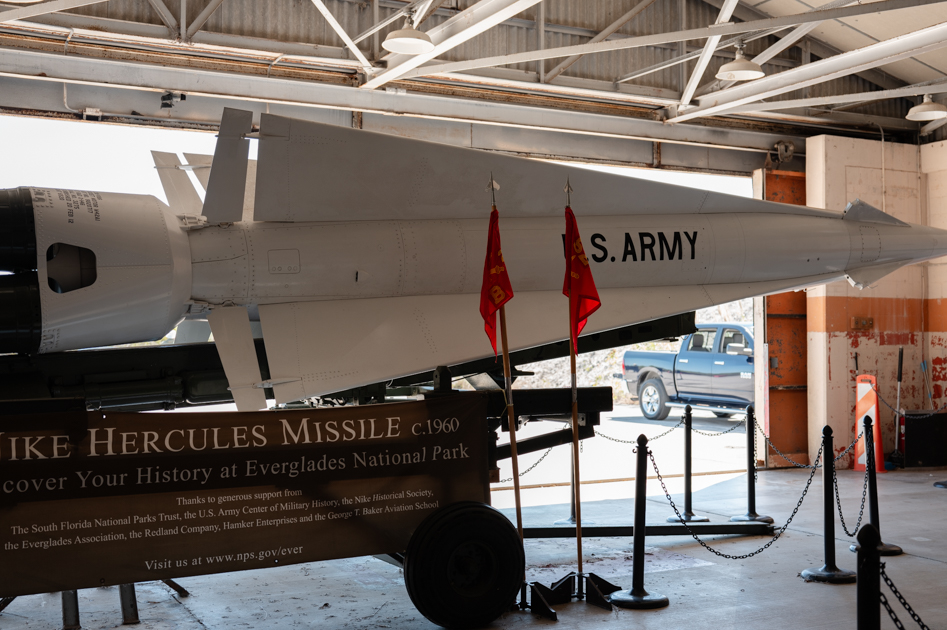
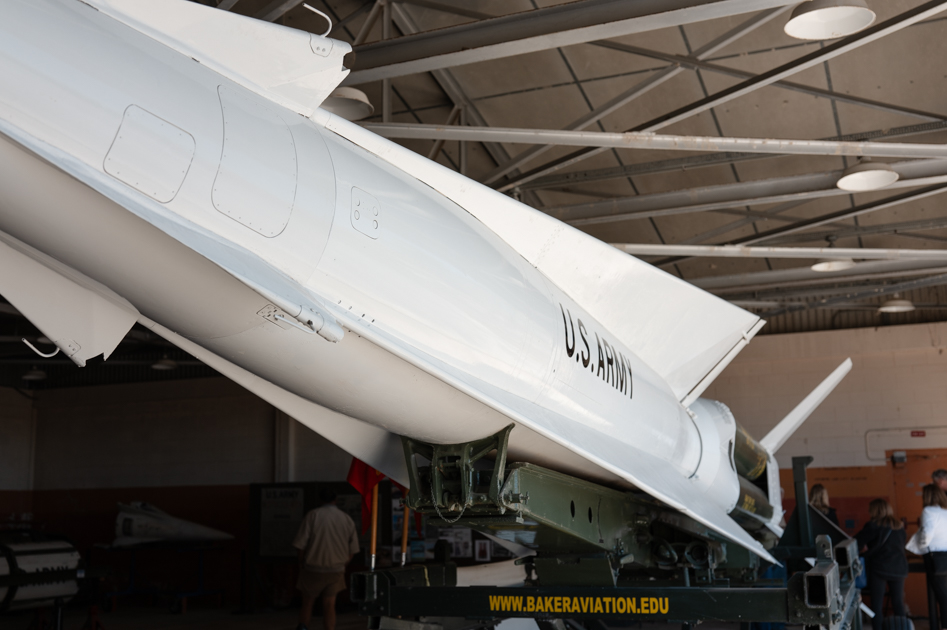
In a place that now feels quiet and almost forgotten, it’s hard to imagine the level of tension that once existed here. But during the height of the Cold War, this was a frontline defense site, and the stakes were incredibly high.
These weren’t just weapons stored in the Everglades—they were part of a system designed to respond instantly if the unthinkable happened.
A Stark Contrast to the Everglades
What makes this site especially striking is where it’s located.
Just minutes away, you’re surrounded by sawgrass, water, and quiet landscapes that feel untouched and timeless. And then suddenly, you’re standing in a place built for the possibility of war.
It’s an unexpected contrast.
The Everglades represent nature, stillness, and slow movement. The missile site represents urgency, tension, and a moment in history when everything felt uncertain.
And yet, both exist side by side.
Visiting Today
Today, the Nike Missile Site is preserved as a historic site within Everglades National Park. It is often staffed by knowledgeable volunteers who bring the history to life through stories and context.
Walking through the site, you can see:
- Missile storage areas
- Radar equipment
- Restored structures from the Cold War era
It’s not a large stop, but it’s one that leaves an impression—especially if you take the time to learn the story behind it.
What Stayed With Me
This wasn’t a stop we had planned.
But it ended up being one of the most memorable.
There’s something powerful about finding a place like this in the middle of a landscape. It feels so removed from history. It’s a reminder that even the quietest places can hold stories that shaped the world in ways we don’t always see.
And sometimes, the most unexpected stops become the ones you remember most.
Stay Connected to the Journey
If you enjoy discovering unexpected places like this—where history, landscape, and quiet moments come together—I’d love to have you along for the journey.
Join my newsletter for travel stories, photography insights, and the kinds of stops you won’t always find on a map. No spam—just thoughtful inspiration from the road.
👉 [Sign up here to follow the journey]
Explore More
If you’re exploring the Everglades or continuing your journey through South Florida, here are a few more stops and stories from our road trip:
- 👉 Everglades Highlights: Scenic Stops Along the Road to Flamingo
A slower look at the landscapes, overlooks, and quiet moments that define the Everglades - 👉 Key Largo Highlights: Coastal Views, Biking, and Hidden Gems
From turquoise water to scenic paths, Key Largo offers a completely different side of the Keys - 👉 Biking Big Pine Key/ Key Deer, Quiet Roads, and a Stop at No Name Pub
A unique stop where wildlife and quiet back roads come together - 👉 30-Day Winter Road Trip
Follow the full journey from winter landscapes to warm coastal roads - 👉 Biking Key Largo/ An Easy Way to Explore the Florida Keys biking is a great way to get around Key Largo
- 👉 Apalachicola/ A Quiet Coastal Town Off the Beaten Path – explore the small fishing town of Apalachicola
- 👉 Leica Q3 43 for Travel Photography/ Real-World Review from the Road. If you are interested in travel photography this is a real-world example of the camera I use