Section 1: Introduction – Rediscovering America’s Quiet Roads
There’s something timeless about the roads that don’t make the maps. The ones that wind between small towns, past weathered barns, or along rivers that seem to move at the same pace you do. These are the roads that make up the backbone of America — the regional back roads and byways that carry stories, not just traffic.
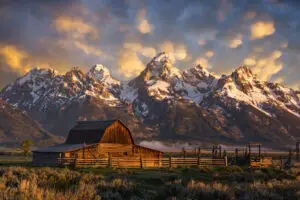
For me, these routes are where travel and photography meet in their purest form. There’s no rush, no digital billboard pulling your attention. Just light shifting across a field, mist rising off the water, or a mountain peak catching fire at sunset. The kind of beauty you only notice when you’ve left the interstate behind and started listening to the hum of two-lane pavement beneath your tires.
Over the years, I’ve explored byways from Oregon’s Cascade foothills to the backroads of rural Iowa. Each has its own rhythm — the scent of pine and river spray in the Northwest, the rustle of cornfields and the sound of gravel crunching underfoot in the Midwest. Together, they tell the quiet story of the American landscape — one road at a time. For a closer look at how I plan my long cross-country routes, see my cornerstone post, How I Plan and Photograph the Perfect USA Road Trip.
Section 2: The Allure of Regional Byways
Leaving the Highways Behind
The beauty of America’s back roads isn’t just in where they take you—it’s in what they let you leave behind. Once you exit the highway, the world slows down. The noise fades. Suddenly, you’re driving through a landscape that feels like it’s been waiting just for you to notice it.
Regional back roads and byways aren’t built for efficiency. They’re built for discovery. These are the roads that twist through canyons, climb mountain passes, and meander past cornfields without hurry or reason. They invite you to stop for a view, or a conversation at a local diner, or maybe just a moment to listen to nothing at all. Choosing roads like these is about more than avoiding highways—it’s about how you experience the journey itself. It’s the difference between traveling through a place and truly discovering it. See more in Traveler vs Vacationer: What’s the Difference and Which One Are You?
A Photographer’s Kind of Road
For travelers and photographers alike, these routes are a reminder that every detour can become the best part of the journey. The changing light, the unexpected weather, the quiet story told by an old barn or a rusted bridge—these are the things you can’t capture at 70 miles an hour.
Driving the regional back roads and byways is about embracing that slower rhythm. Miles aren’t measured in distance but in moments. You notice how each region has its own heartbeat—the mist of the Northwest, the hum of cicadas in the South, the open quiet of the Midwest. The landscapes may differ, but the feeling is the same: freedom, wonder, and connection.
Section 3: Favorite Back Roads by Region – The Northwest
Mount Hood Scenic Loop
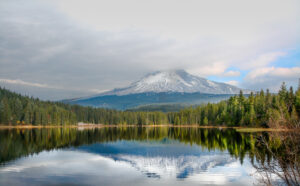
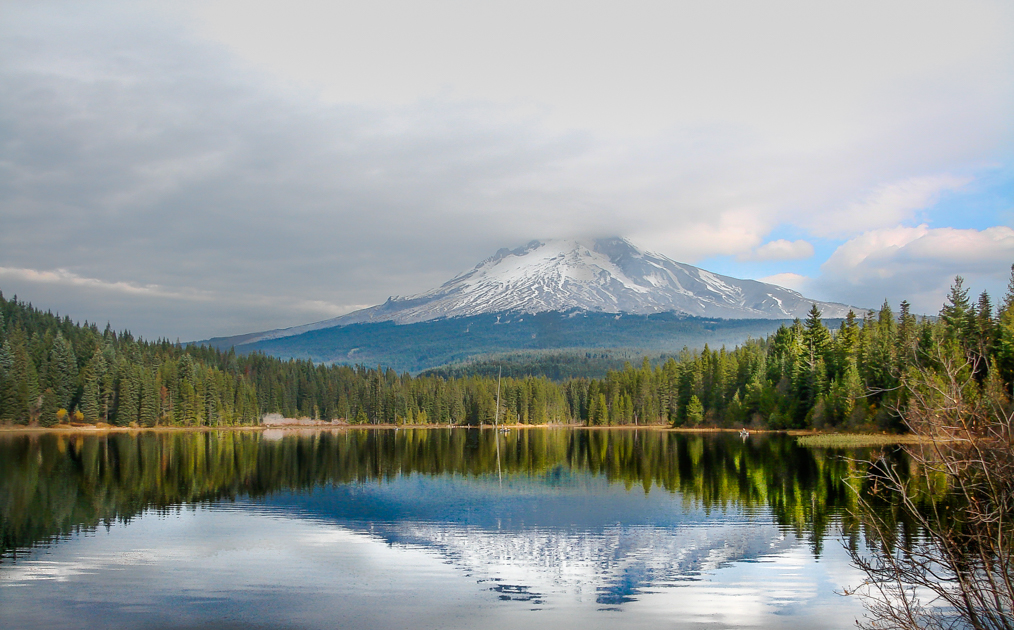
There’s a rhythm to the roads that circle Mount Hood — a mix of mountain majesty and backcountry calm. The Mount Hood Scenic Loop feels like stepping into a Pacific Northwest postcard: waterfalls spilling down mossy cliffs, fir trees framing the horizon, and the peak of Mount Hood standing quietly above it all.
It’s a drive where each curve feels cinematic. One minute, you’re cruising past fruit orchards in Hood River Valley; the next, you’re pulling over to photograph alpine reflections on Trillium Lake. And if you’re lucky enough to catch sunrise, that first pink glow on the mountain turns even the simplest snapshot into something unforgettable.
Photography Tip: Bring a polarizing filter to deepen the greens and blues that define this region. Morning and late afternoon light bring out the subtle layers of mist that make the forest feel alive.
The Columbia River Gorge
Just east of Portland, the Columbia River Gorge is one of the most dramatic drives in the Northwest — a place where wind, water, and stone all seem to be in conversation. The byway winds past waterfalls like Multnomah and Latourell, each one framed by ferns and basalt cliffs.
For photographers, it’s all about contrasts — the softness of water against rock, sunlight piercing through forest canopies, and the reflections along the river itself. Whether you’re stopping at Crown Point for a sweeping overlook or taking the old highway to hidden trailheads, the Gorge rewards anyone willing to slow down and look closely.
Pro Tip: The Gorge can change moods in an instant. Keep your gear protected from spray and be ready for shifting light — those quick bursts of sun after rain often create some of the best photography conditions you’ll ever find.
Section 3: Favorite Back Roads by Region – The Southwest
Apache Trail, Arizona
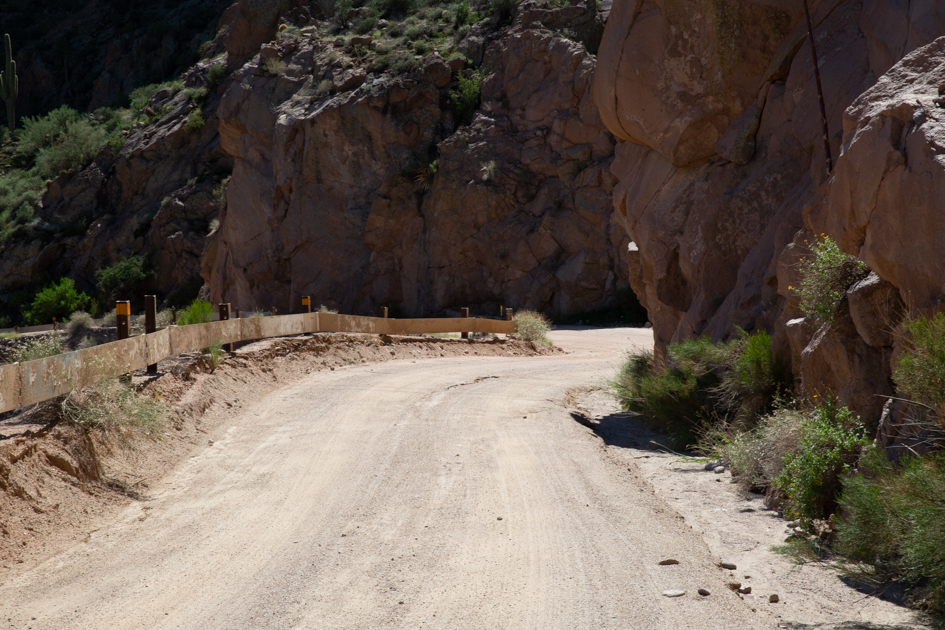
The Apache Trail (State Route 88) is one of those drives that feels like it belongs in another era — part history, part wild desert drama. Originally a stagecoach route through Arizona’s Superstition Mountains, it’s now a winding, sometimes nerve-tingling road that rewards every slow curve with panoramic views.
From the old mining town of Apache Junction to the calm waters of Canyon Lake, every stop feels like a glimpse into the rugged heart of the Southwest. The desert light here is unforgiving but beautiful — shadows stretch long, and the red cliffs glow as if lit from within. You can read more on the post Apache Junction, Arizona: Legends, Lakes, and the Road Less Traveled.
For photographers, this is a lesson in contrast and patience. Early morning and late afternoon light turn the rock formations into a painter’s palette of gold and rust. And if you venture off the main path, small ghost towns and weather-beaten wooden shacks tell stories of another time.
Pro Tip: The road isn’t fully paved and can be rough in sections — check conditions before heading out. Bring water, extra memory cards, and time. The slower you go, the more the desert reveals.
Monument Valley Loop, Utah–Arizona Border
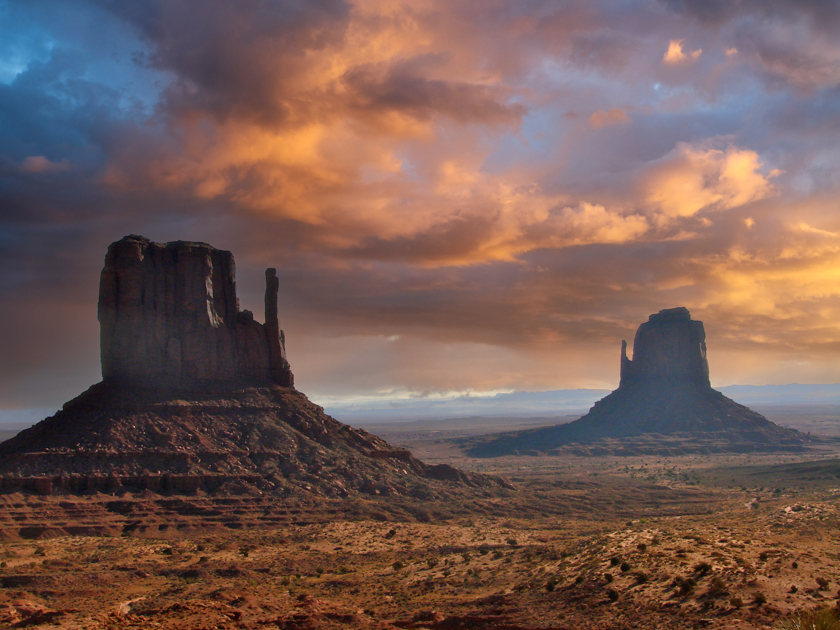
Driving the Monument Valley Loop Road feels like entering a living postcard. Towering sandstone buttes rise from the desert floor like ancient guardians, and every turn gives you a new angle on the West’s most iconic skyline.
Even after countless photos, the real magic of Monument Valley isn’t just in what you see — it’s in what you feel. The stillness, the warm desert wind, and the way sunset paints the mesas in layers of light. For me, this is where landscape photography becomes meditation.
You can take the 17-mile loop yourself or join a Navajo-led tour for a deeper connection to the land’s history and stories. Either way, it’s a drive that stays with you long after the dust settles. Read more in Monument Valley: Timeless Landscapes of the Southwest.
Photography Tip: Use a wide lens for those sweeping desert scenes, but don’t forget the smaller details — sand patterns, sagebrush shadows, and footprints disappearing into the horizon. They often tell the truer story.
Iowa Farmland Drives
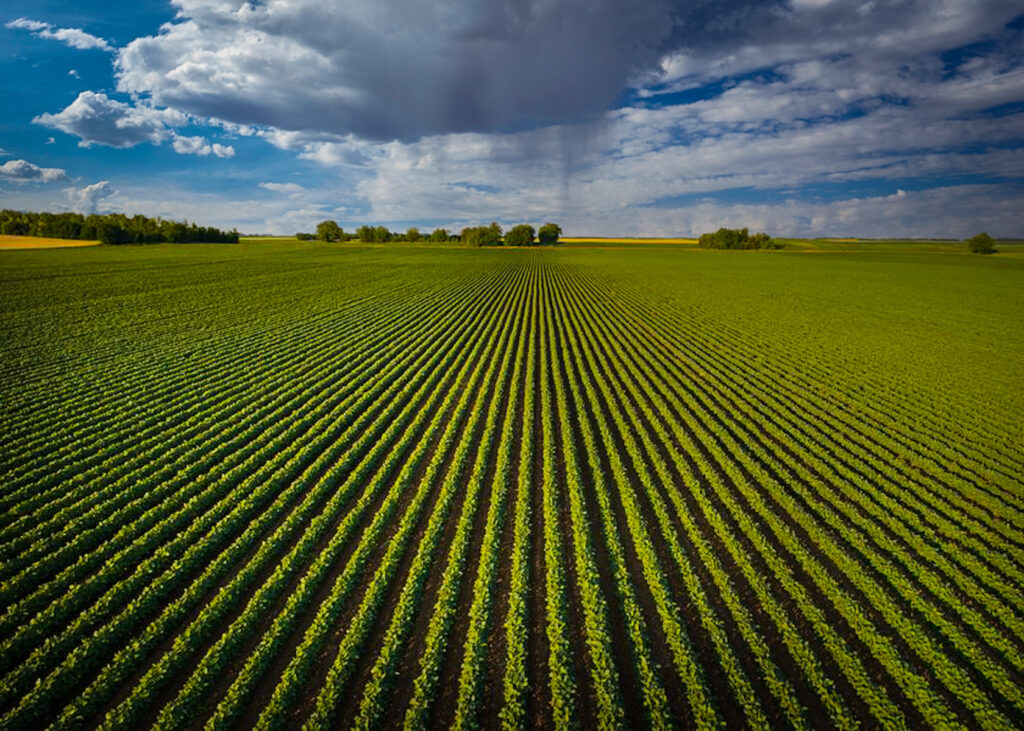
There’s a certain kind of quiet you only find on the back roads of Iowa. The kind that hums between rolling fields of corn and soybeans, where farmhouses stand like sentinels and red barns fade gracefully into the horizon. These roads don’t shout for attention — they whisper stories of early mornings, hard work, and skies so wide they seem to hold up the day.
Driving through Iowa’s farmland feels less like travel and more like slowing down time. Every mile reveals something familiar yet beautiful — windmills turning lazily in the breeze, the scent of freshly cut hay, or a gravel road stretching endlessly into the distance. It’s the heartland at its most honest.
For photographers, this region is about subtlety. The light here is softer, golden at dawn and hazy by late afternoon. Silos catch the first and last light like quiet beacons. Even storm clouds rolling in over a lonely barn can tell a story. It’s not dramatic like the mountains or canyons, but there’s a poetry in the simplicity — a reminder that beauty doesn’t always demand attention.
Pro Tip: Keep your camera ready for changing weather. Summer thunderstorms move fast across open plains and often bring some of the most photogenic skies you’ll ever see — dramatic light, fast-moving clouds, and double rainbows that seem to stretch forever.
Section 3: Favorite Back Roads by Region – The Northeast
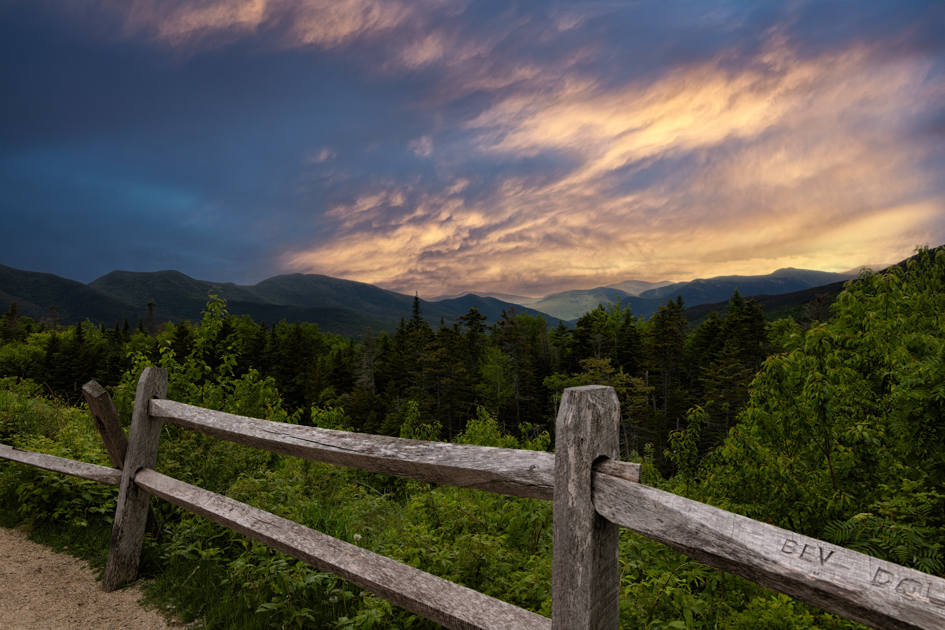
Kancamagus Highway, New Hampshire
Few drives capture the spirit of New England quite like the Kancamagus Highway. Locals call it “The Kanc,” but travelers quickly realize it’s far more than a shortcut through the White Mountains. It’s a winding, 34-mile stretch of forest, rivers, and mountain views that seem to shift with every season.
In autumn, it turns into a living canvas — fiery reds, golds, and oranges spilling across the hillsides. In summer, the Swift River sparkles beside you, inviting a roadside stop to cool your feet and listen to the water rush by. Every overlook feels different, every mile a little quieter.
For photographers, the Kancamagus is pure opportunity: early morning fog rising from the valleys, covered bridges tucked into the woods, and soft evening light washing over the mountains. It’s one of those drives where the destination never matters — the drive is the experience.
Pro Tip: Plan extra time during foliage season — traffic slows, but the views are worth every minute. Bring a telephoto lens for capturing layers of color across distant hills.
Adirondack Trail, New York
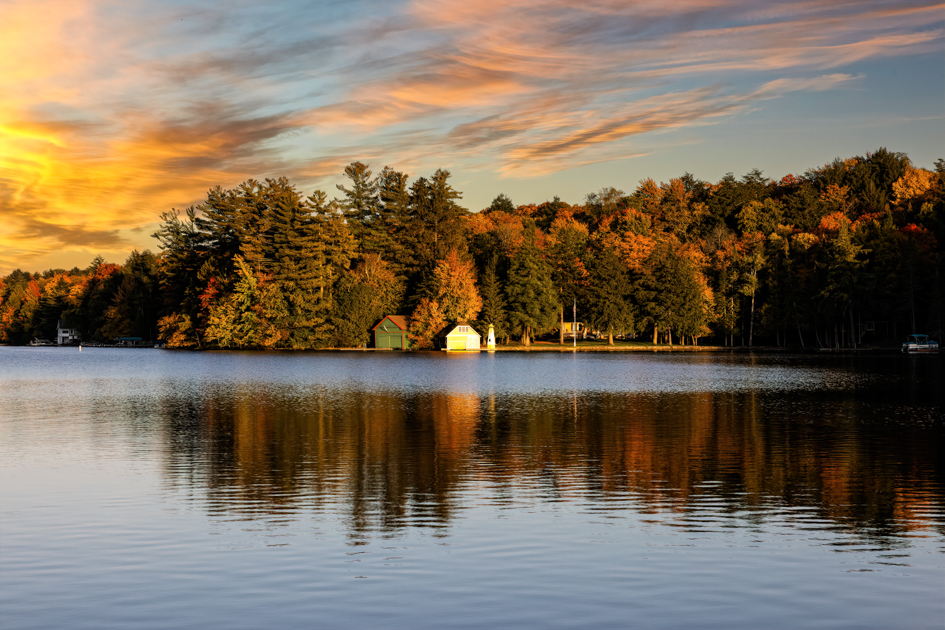
The Adirondack Trail (Route 30) is where wilderness and nostalgia meet. This road winds through some of upstate New York’s most scenic country — lakes framed by evergreens, weathered lodges along quiet shores, and towns that still feel rooted in the rhythm of the mountains.
You’ll pass places where time seems to stand still — old diners with hand-painted signs, canoes stacked neatly by a dock, and reflections so perfect they almost look staged. But this is what makes the Adirondacks special: authenticity.
For photographers, the magic lies in the reflections. Early morning mist on Long Lake or Raquette Lake turns still water into a mirror. Every turn offers a new perspective, whether you’re chasing fall color or the silence of a snow-dusted shoreline.
Photography Tip: Don’t rush the light here. The Adirondacks reward patience — soft light, quiet mornings, and still water are what give this place its voice.
Section 3: Favorite Back Roads by Region – The Appalachian Region
Blue Ridge Parkway, Virginia & North Carolina
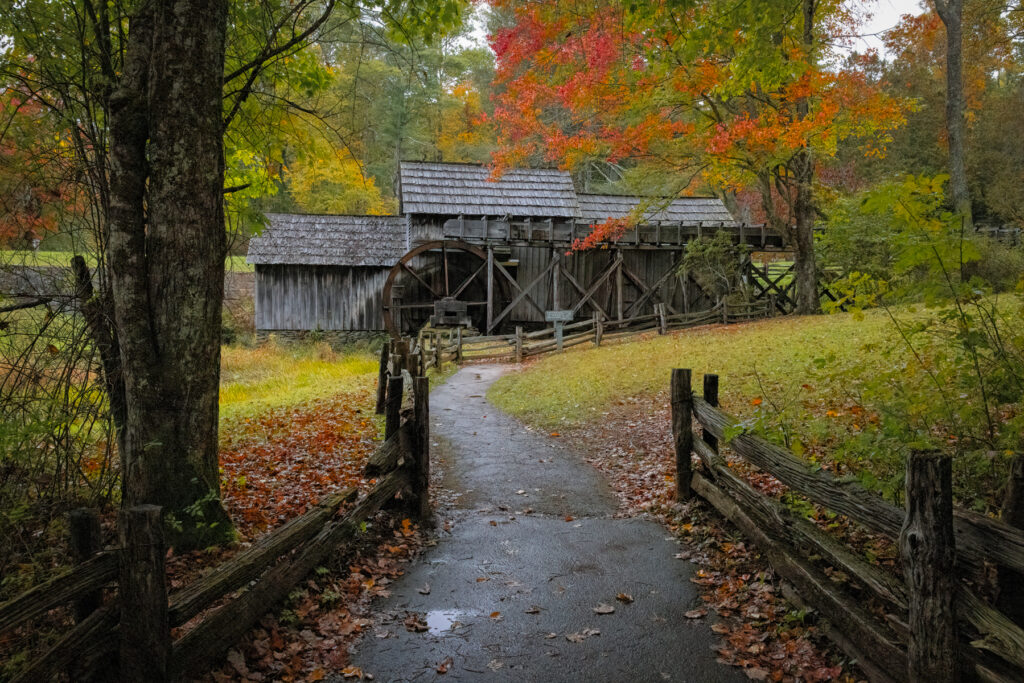
The Blue Ridge Parkway is more than a scenic drive — it’s a journey through time and texture. Stretching nearly 470 miles between Shenandoah and Great Smoky Mountains National Parks, it’s where mist rolls over ridgelines, wildflowers bloom beside the road, and mountain light seems to have a personality all its own.
Every overlook feels like a photograph waiting to happen. The layers of blue ridges fade into the horizon, changing hue with each hour. In the fall, the Parkway becomes a patchwork of color — gold, crimson, and amber stitched together by winding asphalt. And come spring, dogwoods and rhododendrons frame the road like brushstrokes from nature’s own hand.
For travelers, it’s the essence of slow travel: no billboards, no rush, just curve after curve of peace. For photographers, it’s a masterclass in composition. Foreground ridges lead to distant peaks, clouds casting patterns of light and shadow, and those magical moments when the fog lifts and the world reveals itself again.
Pro Tip: Early morning is best for misty shots, while late afternoon light brings out the depth in the ridges. Don’t skip the smaller pull-offs — they often hold the most peaceful views.
Section 3: Favorite Back Roads by Region – The Southeast
The Natchez Trace Parkway
The Natchez Trace Parkway is a southern drive steeped in stillness and story. This was once a footpath used by Native Americans and early settlers. Today it’s a peaceful, 444-mile route where time seems to soften around every bend. The road rolls gently through oak forests, meadows, and moss-draped creeks, with no billboards or big rigs to break the calm.
It’s a drive best done slowly — with the windows down and your camera nearby. Early morning fog hangs low over the fields, and in late afternoon, the light filters through the canopy like honey. Pull over often; the beauty here is quiet, but it lingers.
Photography Tip: Bring a tripod for soft light. The Trace’s oak-lined corridors are perfect for slow shutter speeds and subtle compositions.
Section 3: Favorite Regional Back Roads and Byways by Region – Alaska & Hawaii
Seward Highway, Alaska
Few roads in America deliver such wild beauty mile after mile as the Seward Highway. Stretching 127 miles from Anchorage to Seward, it’s a drive where glaciers hang above turquoise waters, bald eagles glide overhead, and every bend in the road reveals another photo begging to be taken.
The first stretch along Turnagain Arm is unforgettable — tides rush in and out dramatically, creating waves that move in both directions at once. Further south, the Chugach Mountains rise sharply, framing the road in snow-dusted drama. By the time you reach Kenai Peninsula, the air feels different — saltier, calmer, and full of that unmistakable Alaska stillness.
For photographers, the Seward Highway is all about motion and reflection. The way clouds drift across the water, the symmetry of a mountain mirrored in a roadside lake — it’s a place where you can easily fill a memory card before lunch.
Pro Tip: The light changes quickly here. Early morning brings soft hues and fog; midday offers crisp reflections. Always keep your camera ready — even a rest stop can turn into a portfolio shot.
Road to Hana, Maui, Hawaii
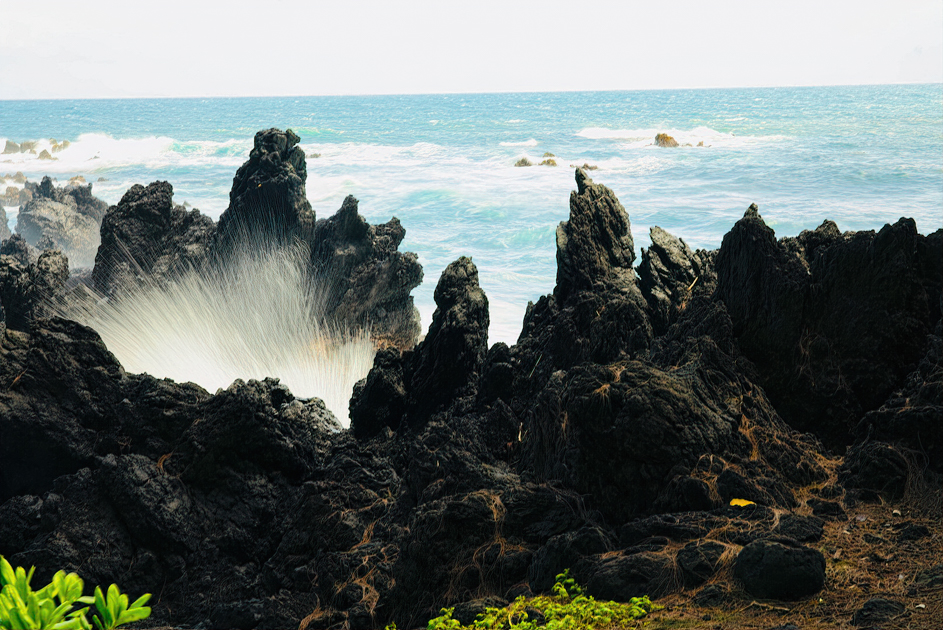
The Road to Hana is one of those drives that’s more about the journey than the destination. It’s only about 64 miles long, but with over 600 curves and 50 one-lane bridges, it’s a road that asks you to slow down — and rewards you for doing so.
Every few miles brings a new waterfall, a hidden beach, or a grove of bamboo whispering in the wind. Locals will tell you the magic of Hana isn’t just in the sights, but in the feeling — that deep connection to nature that comes when the modern world fades away behind a wall of lush green.
For photographers, this is a playground of color and contrast: emerald cliffs, black sand beaches, and rainbows appearing without warning. But it’s also a reminder to be respectful. The best photos often come from places that are sacred or fragile, so tread lightly and appreciate the privilege of being there.
Photography Tip: Bring a microfiber cloth — rain and mist are constant companions. Overcast skies here work beautifully for photographing waterfalls and foliage without harsh shadows.
Section 4: Photography and the Back Road Mindset
There’s a different kind of rhythm to photography on the back roads. It’s slower, quieter, and more observant — less about chasing the perfect shot and more about letting it come to you. Out here, light moves differently. You start to notice how a passing cloud changes the mood of a landscape or how a dusty side road at sunset suddenly becomes golden and cinematic.
Traveling the byways teaches you to see in layers. You look beyond the obvious — not just at the mountain or the coastline, but at the way light hits a fence post or the texture of rain on an old wooden bridge. The back roads remind you that storytelling isn’t always grand; sometimes, it’s found in the smallest of details.
For photographers, it’s a lesson in patience and presence. You can’t rush the fog to lift over a lake or the golden hour to arrive — you simply wait, camera ready, appreciating the stillness. That patience often rewards you with something better than you imagined: an unplanned moment that feels entirely yours.
And maybe that’s what draws me back to these roads again and again. Every route offers something new to learn, both technically and creatively. It’s where I refine composition, test exposure, and, most importantly, remember why I love photography in the first place — to slow down, to notice, to connect.
Section 5: Plan Your Own Byway Adventure
Every memorable back road journey begins with a little curiosity and a willingness to wander. Planning a byway trip isn’t about plotting every stop—it’s about creating space for discovery. Still, a few thoughtful choices can turn a good drive into an unforgettable one. See National and State Park drives to see more scenic adventures.
Start With the Map, Not the Highway
Pull out a real map (yes, paper still has its magic) and trace the thin gray lines instead of the thick red ones. Those smaller roads are where you’ll find the quiet towns, farm stands, and views that never show up on GPS. Apps like Roadtrippers or America’s Byways can help, but sometimes the best planning tool is instinct—take the road that looks interesting and see where it goes.
Choose Your Season and Light
Every region tells a different story depending on when you visit. Spring brings wildflowers along the Blue Ridge, autumn paints the Kancamagus in color, and winter turns the Seward Highway into a frozen masterpiece. Plan your departure with the light in mind—early morning and late afternoon are when shadows stretch long and colors feel alive.
Pack With Purpose
A road trip for photographers isn’t about overpacking—it’s about readiness. A lightweight camera kit, a tripod for golden hour, a microfiber cloth for misty drives, and a few extra batteries go a long way. Keep your gear within easy reach so you don’t miss those fleeting moments of magic.
Respect the Road and the People Along It
Back roads often lead through small communities and sensitive landscapes. Drive slowly, wave to locals, and remember you’re a guest in someone’s home. Leave no trace, stay on marked pull-offs, and always ask before photographing private property or people. These courtesies keep the road open for the next traveler who wants to experience its beauty.
Let the Unexpected Lead You
The best moments often happen when plans fall apart—a detour that leads to a hidden waterfall, a storm that paints the sky in wild color, or a wrong turn that becomes the highlight of the trip. Those surprises are what the back roads are all about.
Section 6: Explore More
If these back roads have sparked a bit of wanderlust, you’re in the right place. Every curve and quiet stretch of highway has a story waiting to be told—and Back Roads Lens was built to help you find them.
🌍 Explore by Region
Discover the landscapes, small towns, and scenic drives that make each corner of the country unique.
- 🏔️ Alaska Region Travel Guides – Wild landscapes, glaciers, and unforgettable wildlife.
- 🌺 Hawaii Region Travel Guides – Island adventures across Oʻahu, Maui, Kauaʻi, and the Big Island.
- 🌲 Northwest Travel Guides – Evergreen forests, coastal highways, and hidden waterfalls.
- 🏜️ Southwest Travel Guides – Desert light, red rock canyons, and timeless back roads.
- 🌄 Appalachian Region Travel Guides – Mountain fog, winding parkways, and small-town charm.
- 🌻 Midwest Travel Guides – Quiet beauty, open skies, and the heart of small-town America.
- 🌾 Southeast Travel Guides – Covered bridges, coastal byways, and southern hospitality.
- 🍁 Northeast Travel Guides – Fall colors, rugged coastlines, and storybook towns.
📸 Explore by Theme
Dive deeper into the kind of travel that inspires you most.
- 🚗 Scenic Drives and Road Trips – From epic cross-country routes to forgotten byways.
- 🏞️ Regional Back Roads and Byways – Hidden gems and quiet corners off the main map.
- 🧭 Epic Road Trips – Month-long journeys that change how you see the road.
- 🛠️ Practical Travel Tips for Photographers – Smart advice for staying prepared and creative on the move.
- 🧳 Safety, Ethics, and Respectful Travel – Traveling with awareness and appreciation for every place you visit.
✨ Explore by Inspiration
Because travel isn’t just about where you go — it’s about what it teaches you.
- 📷 Mastering Travel Photography – Learn to see light, composition, and story on the road.
- 🦅 The Art of Wildlife Photography – Lessons in patience and connection from the natural world.
- 🌅 Understanding Light in Landscape Photography – Master light at any hour, in any place.
- 💬 Storytelling and Creativity – Find your voice behind the lens.
- 🚙 My First 30-Day Road Trip – The adventure that started it all.
✉️ Join the Journey
Get behind-the-scenes stories, travel itineraries, and photography tips delivered straight to your inbox.
Sign up for the Back Roads Lens newsletter and keep exploring the road less traveled—one quiet mile at a time.