
Updated November 2025: This Leica Q3 Camera review has been fully rewritten to reflect my experience using the Leica Q3 (28mm) during recent travel photography adventures.
Why I Needed a Travel-Friendly Camera
With a long-awaited trip to Hawaii on the horizon, I found myself facing a familiar photographer’s dilemma: I wanted a camera that delivered stunning image quality—but I didn’t want to haul around my full Fuji kit on every trail, beach walk, or sunrise stop along the way.
I’ve been to Hawaii before. I know how quickly the scenery changes—from the deep greens on the Road to Hana to the lava fields on the Big Island, to those quiet golden moments on Kauai when the sky suddenly softens and you have about 30 seconds to capture the mood. I needed a camera that could keep up with the pace of travel while still letting me stay present in the experience.
And that’s where the Leica Q3 came into the picture.
It promised the best of both worlds: full-frame image quality in a compact, travel-friendly body. A camera I could pick up with one hand, sling across my shoulder while stepping out for coffee, or use on bike rides without feeling over-geared. A camera that could capture Hawaii’s wild colors and landscapes without weighing me down.
If you’re curious how I pair the Leica with my Fuji X-T5 when I do want more flexibility, I walk through that setup in:
👉Leica Q3 and How I Pair It With My Fujifilm X-T5 for Travel Photography
The Q3 eventually became my go-to one-lens travel companion. But before I bought it, I tried—and dismissed—a few other options. Here’s how I arrived at the Leica Q3 (28mm version) and why it was the right travel camera for me at the time.
What I Needed in a Great Travel Camera
Lightweight Gear That Doesn’t Slow Me Down
When I’m on the road, I want a camera that feels effortless. Something I can grab on my way out the door without wondering which lens to pack or whether I’m carrying too much gear.
But I also want full travel-photography image quality. That meant finding a camera that balanced simplicity with performance.
Features That Matter in Real Travel Situations
Before choosing the Leica Q3, I made a list of features that mattered for real-world travel photography—things that helped me capture the moments I love most: dramatic landscapes, wildlife encounters, reflections, and those spontaneous roadside stops I can never resist.
My Must-Have Travel Camera Checklist
Tilt Screen for Flexible Framing
Perfect for tide pools, wildflowers, low angles, and discreet street scenes.
Full-Frame Sensor for Rich, Detailed Images
Handles sudden light changes and keeps details in both shadows and highlights.
40+ Megapixels for Cropping Room
Gives me flexibility when I can’t get physically closer—especially with wildlife.
Zoom or Digital Crop Options
Adds versatility without carrying extra lenses.
A Bright, Clear Viewfinder
Essential for bright sunlight—Hawaii, deserts, beaches, mountaintops.
Image Stabilization for Low-Light and Handheld Shots
Keeps images sharp when I’m shooting on the go.
Quick Access to Exposure Compensation
Lets me adjust quickly when light changes.
Dual Card Slots (Wish List Item)
Not a dealbreaker, but always appreciated.
Want to See the Q3 in Real Travel Use?
I share more examples in:
👉 Why the Leica Q3 Is the Ultimate Travel Camera for Photographers
Why the Alternatives Didn’t Work
Once I had my criteria, I started comparing cameras—and discovered that even popular travel models had limitations. Here’s what I considered and why they didn’t make the cut.nto camera research—and discovered that even the most popular travel cameras had limitations. Here’s what I considered and why they didn’t end up being “the one.”
The Cameras I Considered (and Why They Didn’t Make the Cut)
Before landing on the Leica Q3, I explored several popular “travel-friendly” cameras. Each one had appealing features, and in another season of my photography, some of them might have worked. But for the kind of travel I do—long days, changing landscapes, wildlife surprises, and plenty of spontaneous stops—each option missed something important.
Here’s what made the shortlist, and ultimately, why they didn’t make the final cut.
Sony RX100 IV
Sensor: 1-inch, 20.1 MP
Zoom: 24–70mm
This camera is wonderfully compact—there’s no arguing that. It slips into a pocket, weighs next to nothing, and is perfect for casual travel.
But for me, the limitations were too big:
- The 1-inch sensor couldn’t match the full-frame depth and dynamic range I needed.
- The resolution was much lower than what I wanted for cropping or printing.
Why it didn’t work:
Great size, not enough image quality.
Sony RX1R II
Sensor: Full-frame, 42.4 MP
Lens: Fixed 35mm
This one tempted me. Beautiful image quality, full-frame sensor, and a focal length I enjoy.
But:
- No zoom.
- No crop modes.
- No flexibility if I needed more reach or a wider frame.
For someone who shoots everything from wide Hawaiian coastlines to quick wildlife moments, that fixed 35mm felt limiting.
Why it didn’t work:
Amazing image quality, but too little versatility for travel.
Fujifilm X100V
Sensor: APS-C, 26.1 MP
Lens: Fixed 23mm
Style: Effortlessly cool (credit where credit is due)
This camera has a loyal following—and for good reason. It’s compact, stylish, and fun to use.
But for my travel needs:
- The APS-C sensor wasn’t the full-frame look I wanted.
- No built-in image stabilization (a must for how I shoot on the road).
- Fixed focal length, again with no zoom or meaningful crop flexibility.
Why it didn’t work:
Beautiful camera, but not the right match for my travel style.
Canon G1X Mark III
Sensor: APS-C, 24.2 MP
Zoom: 24–72mm
This one offered more versatility with its zoom range, and it’s a very travel-friendly camera.
However:
- The resolution felt too limited for my cropping needs.
- The APS-C sensor didn’t offer the dynamic range I wanted for harsh or changing light.
Why it didn’t work:
Good all-in-one camera, but not enough resolution or full-frame performance.
Every camera on this list had potential, but none delivered the combination of image quality, portability, versatility, and simplicity that I needed.
The one that did?
The Leica Q3.
Let’s talk about why.
Why I Chose the Leica Q3: The Perfect Travel Companion
Once I started testing cameras against my travel “must-have” list, the Leica Q3 quickly separated itself from the pack. What I loved most wasn’t just the specs—it was how effortlessly the camera fit into the way I travel and photograph. It gave me the freedom to stay light, stay creative, and stay present, whether I was on a cliffside trail in Kauai or wandering through a quiet seaside town.
Here’s why the Q3 stood out:
Full-Frame Detail That Brings Travel Scenes to Life
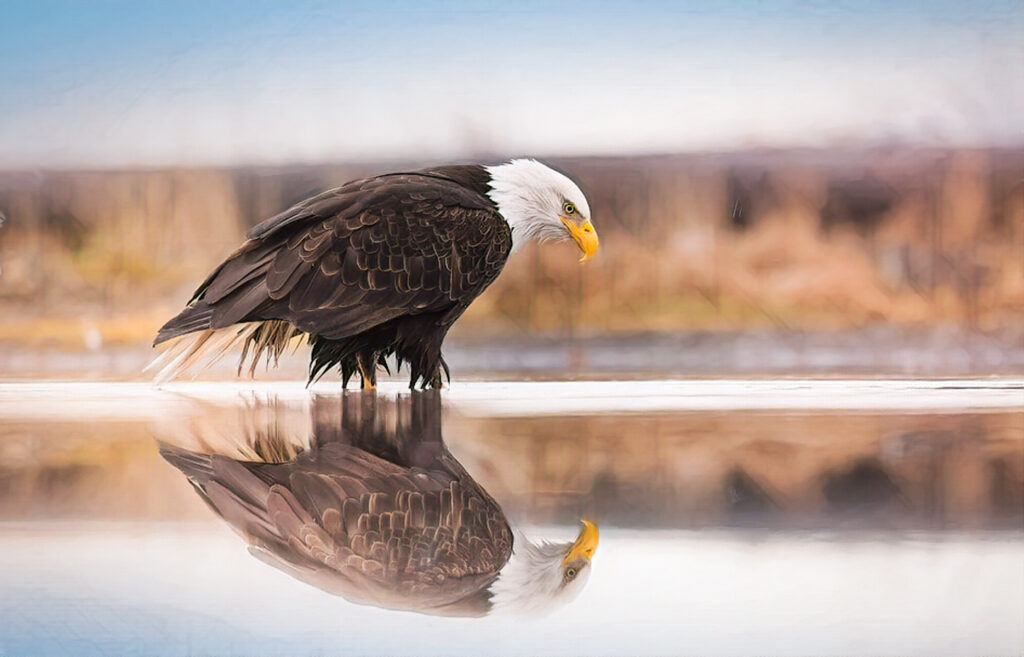
The 60MP full-frame sensor is simply stunning. Whether I’m photographing a sweeping Hawaiian shoreline or a simple reflection in a puddle on a bike path, the Q3 captures every detail with clarity and richness.
The high resolution also gives me incredible flexibility. If a bird flies past a little too quickly, or if I can’t step closer for a tighter composition, I can crop without sacrificing quality. For travel photography, that’s a game changer.
The Fixed 28mm Lens + Digital Crop Modes
At first, I wondered if a fixed 28mm lens would feel limiting. But Leica’s digital crop modes solved that problem. With a quick tap, I could frame at 35mm, 50mm, 75mm, or even 90mm, depending on the moment.
And because of the high resolution, those cropped shots still look good—sometimes shockingly good. It gave me the feel of multiple lenses without the weight of carrying them.
For minimalist travel days, biking adventures, or quick photo walks, this setup is perfect.

Designed for Travel: Lightweight, Solid, and Simple
The Q3 feels like the kind of camera you want to pick up. It’s compact, beautifully built, and surprisingly light for its power. I could slip it into a small day bag, carry it to dinner, or bring it on morning walks without a second thought.
It’s also simple—one lens, intuitive controls, and a layout that keeps me focused on shooting rather than tinkering.
A Gorgeous Viewfinder + Tilt Screen
The viewfinder is bright and crisp, even in harsh sun (which I’m pretty sure Hawaii specializes in). When I wanted to shoot low to the ground—tide pools, flowers, or reflections—the tilt screen made composition much easier.
This combination alone made the camera feel more flexible than many other fixed-lens options I’d tried.
Image Stabilization That Actually Makes a Difference
I shoot handheld a lot—early morning, late evening, roadside stops, you name it. The Q3’s image stabilization helped me get sharp results even when the light dipped or when I didn’t feel like digging out a tripod on vacation.
The One Compromise: A Single Card Slot
I’ll be honest: I prefer dual card slots for travel. But the Q3’s overall performance, build quality, and image results outweighed that drawback. When everything else checks the boxes—and checks them beautifully—one compromise is manageable.
A Quick Note on My Upgrade
At the time of this review, I was using the 28mm Leica Q3, which is what this post is based on. I’ve since upgraded to the newer 43mm Leica Q3, and I share that updated experience here:
👉 Leica Q3 (43mm) Review: Why This Version Fits My Travel Photography Even Better
But this review remains focused on the 28mm version, because for many travel photographers, it’s still an exceptional all-in-one camera.
With my decision made, the Q3 became my daily travel companion—and it didn’t disappoint. Here are my final thoughts after using it in real travel situations.
Final Thoughts: Is the Leica Q3 Worth It?
After traveling with the Leica Q3, I can confidently say this: if you’re looking for a high-quality, all-in-one travel camera that delivers stunning image quality without weighing you down, the Q3 is absolutely worth considering.
It’s not the cheapest option, but the value comes from the combination of simplicity, portability, and performance. The Q3 let me stay light while still capturing the kind of detail and dynamic range I usually rely on my larger Fuji setup for. It’s a camera that invites creativity—whether you’re hiking through a rainforest, photographing a sunrise from your hotel balcony, or simply wandering through a new town after dinner.
What surprised me most was how often I reached for it. There were days when my Fuji system stayed in the bag because the Q3 felt easier, faster, and just more enjoyable to shoot with. And when travel photography becomes easier, it becomes more fun—and that shows in the images.
More Reading:
If you’d like to see how I use the Q3 in real travel scenarios, I share examples in:
👉 Why the Leica Q3 Is the Ultimate Travel Camera for Photographers
And if you’re curious about how I balance the Q3 with a second system for extra reach or flexibility, you can read more here:
👉 Leica Q3 and How I Pair It With My Fujifilm X-T5 for Travel Photography
Since writing this review, I’ve upgraded to the Leica Q3 (43mm), which offers a different shooting experience—one I’ll cover in detail in an upcoming post.
But the original 28mm Q3 remains a powerhouse. For many travel photographers, especially those who value minimalism and simplicity, it’s an ideal all-in-one camera that delivers exceptional results in just about any situation.
Explore More Travel Photography Tips & Gear Guides
If you’re building your travel photography kit or looking for inspiration on the road, you might enjoy these posts:
📸 Camera & Gear Guides
- Leica Q3 and How I Pair It With My Fujifilm X-T5 for Travel Photography
- Why the Leica Q3 Is the Ultimate Travel Camera for Photographers
- Best All-Purpose Travel Lenses for Fujifilm X-T5
- Choosing the Right Camera Bag for the Road
🏞️ Photography Skills & Creativity
- Mastering Travel Photography: Tips and Tutorials for Mastering the Road Less Traveled
- Mastering Composition on the Road
- Using Reflections in Travel Photography
- Mastering Shooting in Low Light
- The Art of Mindful Photography
🛣️ Travel Destinations & Road Trips
- How I Plan and Photograph the Perfect USA Road Trip
- Exploring Oahu: From Lighthouse Views to Local Eats
- Travel and Photography Tips: Balancing the Journey
Hit the Back Roads With Me
Get travel inspiration, hidden gems, photography tips, and behind-the-scenes stories from the road — delivered straight to your inbox.



Pingback: Why the Leica Q3 is the Ultimate Travel Camera for Photographers
Pingback: Off-the-Beaten-Path Destinations in the USA | Back Roads Lens