When it comes to travel photography, half the adventure is deciding what to bring. I’ve learned the hard way—overpacking with too many lenses, under packing and wishing I had “just one more,” or carrying a bag that turned every hike into a chiropractor visit. Over the years, I’ve built a travel photography gear system that works for me: light enough to carry everywhere, versatile enough to handle anything the road throws at me, and enjoyable to actually shoot with.
This guide pulls together the cameras, lenses, accessories, and workflow that I trust most—my Fuji X-T5 setup when I want flexibility, my Leica Q3 setup when I want simplicity, and the decision-making process that helps me pack with confidence for the long trips my husband and I take across the USA. This is part of the series, “How I Find Off The Beaten Path Destinations”.
My Decision-Making Process for a Travel Setup
When I plan a trip, I ask myself a few key questions:
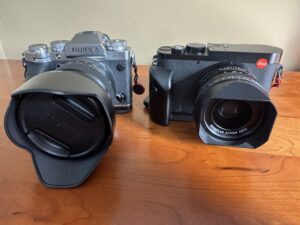
For wildlife, landscapes, or long road trips, the Fuji X-T5 with its lens flexibility usually wins. For lighter travel or destinations where simplicity matters, the Leica Q3 is my pick.
- How much weight am I willing to carry?
A lighter bag equals a happier back and more energy for exploring. That’s why the Leica Q3 often comes along on our long trips like Hawaii and Alaska. For big cross-country road trips, the Fuji system comes with me, because I can spread gear out in the car without worrying about weight. - Do I need flexibility or simplicity?
The Fuji is my flexible system: multiple lenses, film simulations, and adaptability for wildlife and varied landscapes. The Leica is my simple system: one focal length, gorgeous rendering, and zero lens decisions.
Why?
This mindset keeps me from packing “just in case” gear. Instead, I choose the system that best matches the trip, and I stick to it.
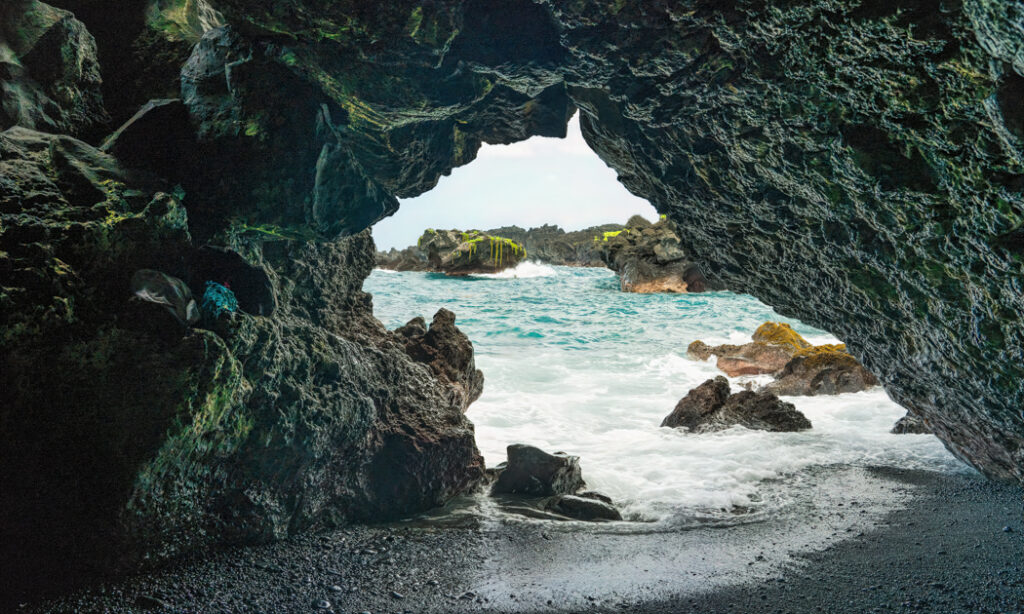
A great example? On one of our trips to Hawaii, I brought only the Leica Q3. No backup body, no bag of lenses—just one camera. And it worked out perfectly. From wide beach landscapes to dramatic volcano vistas, the Q3 handled everything I needed, while letting me enjoy the trip without feeling weighed down.
If you’d like to see the Leica Q3 in action during that trip, check out my Hawaii posts: Exploring the Thurston Lava Tube on Big Island Hawaii, Ultimate Guide to Hawaii Volcanoes National Park: Lava, Legends, and Unforgettable Landscape, and A Photographer’s Guide to Kauai: Top Beaches, Hidden Gems & Scenic Views.
For more on how I refined this philosophy, read my post on Leica Q3 Travel Camera Review: The Ultimate All-in-One Travel Camera for Photography Enthusiasts. I recently upgraded to the 43mm version of the Leica Q3, and it fits my travel photography even better. You can read my full review here Leica Q3 (43mm) Review: Why This Version Fits My Travel Photography Even Better.
Cameras That Travel Well
Fujifilm X-T5
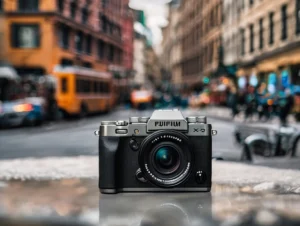
The Fuji X-T5 is my adventure-ready workhorse. With its 40MP sensor, weather sealing, and compact body, it’s perfect for road trips, hiking, and long adventures. I love the tactile dials—shutter, ISO, exposure—because they make me slow down and connect with the moment. Fuji’s film simulations add that creative touch, giving my photos a look I love right out of camera.
To make handling even more comfortable, I pair it with the FUJIFILM MHG-XT5 Metal Hand Grip. It gives the body a more substantial feel, especially when I’m using longer lenses, and adds stability for handheld shooting.
For a closer look at how the X-T5 performs on the road, check out my Fujifilm X-T5 travel camera review.
Leica Q3
The Leica Q3 is my ultimate travel companion when I want to keep things simple. Its fixed 28mm Summilux lens is wide enough for landscapes, fast enough for low light, and sharp enough to capture every detail. The crop modes let me “switch” to 35mm, 50mm, and 75mm without ever changing a lens.
It’s not just about specs—it’s about feel. The Q3 encourages me to travel lighter, shoot more intuitively, and stay present in the experience rather than fussing with gear. To make it even more comfortable, I use the Helium HE grip, which adds just enough support without ruining the sleek Leica design.
For more, read my Leica Q3 travel camera review: the ultimate all-in-one travel camera.
Fuji Lenses I Trust
One of the best parts of the Fuji X-T5 is lens choice. Here’s my travel lineup and why each earns its spot:
- XF 16-80mm f/4 R OIS WR – My go-to travel zoom. Wide enough for sweeping mountain vistas, versatile for road trip stops, and light enough for all-day carry.
- XF 70-300mm f/4-5.6 R LM OIS WR – A deceptively portable telephoto zoom. Great for wildlife, distant peaks, and isolating scenes. Even better paired with the 1.4x teleconverter.
- XF 50-140mm f/2.8 R LM OIS WR – The workhorse telephoto. Sharp, weather-sealed, and perfect for wildlife and action when I need speed.
- XF 35mm f/1.4 R – A Fuji classic. Compact, fast, and magical for portraits or storytelling with natural perspective.
- XF 16-55mm f/2.8 R LM WR – A pro-level zoom that covers wide to short telephoto with exceptional sharpness.
- XF 1.4X TC WR – My secret weapon for wildlife, extending the reach of the 70-300mm or 50-140mm without extra weight.
If you’re curious about how I balance lenses for different kinds of trips, check out building a travel photography system with the Fujifilm X-T5 and The Best Lenses for the Fuji X-T5: My Travel Photography Go-To’s. For shots like the shifting light along Oʻahu’s Kolekole Pass Trail, I rely on lightweight gear and dual camera setup
Wildlife Photography with the Fuji X-T5
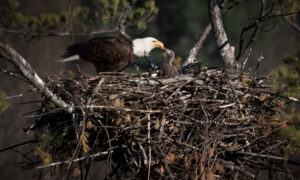
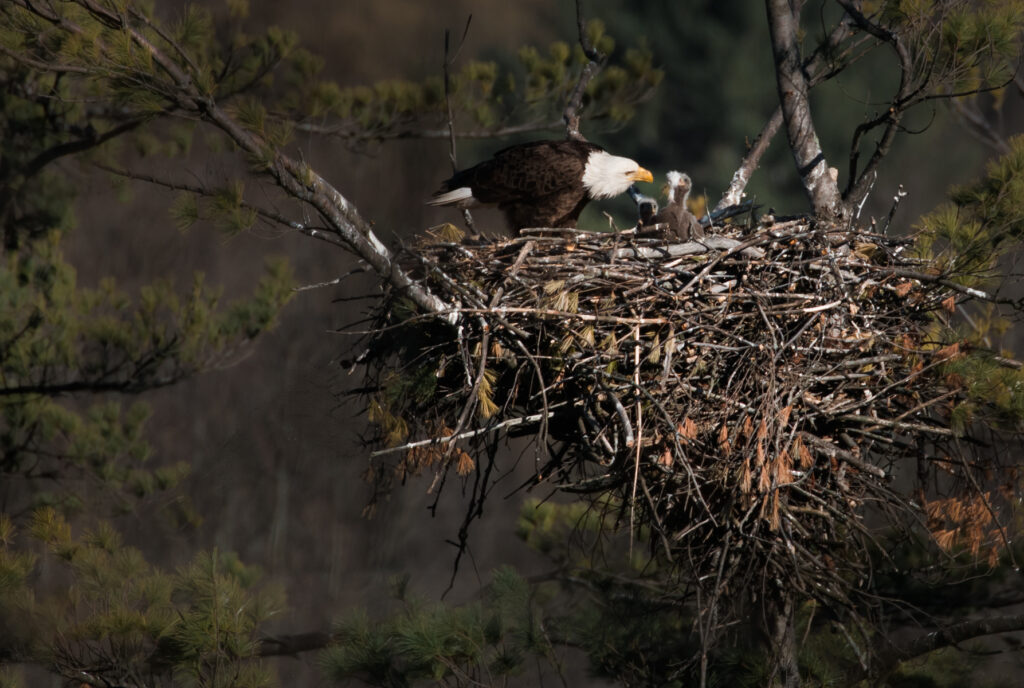
When it comes to wildlife, the Fuji X-T5 is my go-to. This is where the XF 70-300mm f/4-5.6 R LM OIS WR paired with the 1.4x teleconverter really shines. It gives me reach up to 420mm equivalent on APS-C, which is plenty for most wildlife encounters without dragging around a monster lens.
I’ve used this setup in places like Yellowstone, Glacier, Custer State Park, and the Grand Tetons—parks where wildlife is everywhere, and flexibility matters. From bison crossing a valley to elk bugling at sunrise, the 70-300 with teleconverter lets me capture it all while staying mobile. When shooting wildlife, gear matters less than your mindset — see The Art of Patience in Wildlife Photography for how to make the wait count.
The best part? It’s light enough to hike with, so I never feel like I’m sacrificing the experience for the shot.
🦌 Wildlife Lens Kit (Pro Tip)
Wildlife Setup I Travel With:
- Fujifilm X-T5
- XF 70-300mm f/4-5.6 R LM OIS WR
- XF 1.4X TC WR (for extra reach)
This lightweight, flexible kit has taken me through Yellowstone, Glacier, Custer State Park, and the Tetons—capturing wildlife at a safe distance without weighing me down.
Software & Workflow
My editing is done in Adobe Lightroom, but here’s the twist: I don’t edit while I’m traveling. I prefer to experience the trip fully and handle post-processing when I’m back home.
That’s why with Fuji, I shoot RAW + JPEG. The JPEGs let me take advantage of Fuji’s film simulations, so if I want to share a photo quickly, I can. The RAW files stay untouched until I’m ready to dig in later. With the Leica, I stick to RAW because its files are such a joy to work with.
For memory cards, I use Lexar Professional V90 cards in the Fuji (fast enough for wildlife bursts) and SanDisk Extreme Pro cards for the Leica Q3. Both have been reliable and quick, which is exactly what I want on the road.
Leica Q3 Accessories I Use
I’ve fine-tuned my Q3 kit to keep it minimal yet functional. Here are the essentials I always travel with:
- Helium HE Grip – Adds comfort and handling without bulk.
- Thumb Grip – Extra stability for long shooting days.
- Soft Release Button – A smoother, more responsive shutter.
- Extra Batteries – The Q3 is hungry for power, so I always carry spares.
- Compact Travel Charger – Charges multiple batteries overnight.
Bags & Carrying Systems
Carrying the gear comfortably is half the battle. My system is simple:
- Oberwerth Leather Bags – My everyday carry. I have one for each system, and they’re beautiful, durable, and practical for carrying just the essentials.
- Lightweight Travel Backpack – For hiking, touring, or long travel days. It fits my Fuji setup, tripod, and extras comfortably without weighing me down. Weather resistance and discreet looks are must-haves.
- Straps – I use Peak Design wrist straps for normal shooting and Peak Design sling straps when hiking or walking longer distances. Both systems are quick-release, which makes swapping setups easy.
- For more on picking the perfect travel bag and keeping your gear protected, see my post Choosing the Right Camera Bag for the Road
For an in-depth comparison of how I balance carrying gear between these two systems, see my guide comparing the Leica Q3 and Fuji X-T5 as travel cameras.
Tripods & Filters
- Really Right Stuff Carbon Fiber Tripod – My old workhorse from DSLR days. Sturdy and dependable.
- Manfrotto BeFree – My current travel tripod. Lightweight, folds small, and perfect for long trips where portability matters.
- Polarizers – I use them constantly. They make skies richer, cut glare off lakes, and bring out depth in landscapes. A must-pack item for me.
Destinations and How I Pack
Since my husband and I take long 30+ day trips across the USA, I often carry both the Fuji X-T5 and the Leica Q3. Each has its strengths, and together they cover everything I might want to capture. Here’s how I balance them on different trips:
- Cross-Country Road Trips → I bring both cameras. The Fuji X-T5 handles wildlife and versatility with its range of lenses, while the Leica Q3 is my everyday grab-and-go camera for towns, landscapes, and spontaneous moments. On our cross-country trip last year, this combo worked perfectly, and I’ll be doing the same on our next one.
- Hawaii → I carried only the Leica Q3, and it was all I needed. From beaches to volcano landscapes, it kept things light while still delivering incredible quality. You can see examples in my posts on Exploring the Thurston Lava Tube on Big Island Hawaii, Ultimate Guide to Hawaii Volcanoes National Park: Lava, Legends, and Unforgettable Landscape, and A Photographer’s Guide to Kauai: Top Beaches, Hidden Gems & Scenic Views.
- Alaska → Both cameras come along, but here the Fuji X-T5 wildlife setup (70-300mm + teleconverter) is essential for animals and distant mountains. The Leica Q3 complements it perfectly for wide landscapes and everyday captures.
- Winter Trips South from NY → Each year we head south, exploring new states. I pack both systems: the Fuji for flexibility and wildlife, and the Leica for lighter days of walking, touring, or photographing in towns.
Fuji X-T5 vs Leica Q3: How They Compare (and Work Together)
If you’re trying to decide which system fits your travel style, here’s a quick look at how they stack up — and why I often carry both on long trips.
| Feature | Fuji X-T5 | Leica Q3 | Together |
| Flexibility | Interchangeable lenses for landscapes, portraits, and wildlife | Fixed 28mm lens with crop modes (35, 50, 75mm) | Fuji handles variety, Leica keeps things simple |
| Weight | Moderate with multiple lenses; still compact compared to DSLRs | Extremely light one-lens setup | Balance of options without overloading |
| Wildlife Photography | Excellent with 70-300mm + 1.4x TC (up to 420mm equiv.) | Not suited for wildlife | Fuji covers animals, Leica stays ready for landscapes and people |
| Landscape Photography | Wide zooms and primes provide versatility | Unbeatable for landscapes with its 28mm Summilux rendering and dynamic range | Leica captures wide, immersive beauty while Fuji provides focal length options |
| Travel Style Fit | Best for road trips, Alaska, and situations requiring reach | Best for minimalist trips like Hawaii and breathtaking landscapes | Both systems shine on long journeys |
| Workflow | RAW + JPEG with film simulations for quick sharing | RAW files with classic Leica rendering | Two editing styles, one cohesive workflow in Lightroom |
| Accessories | Wide ecosystem of grips, lenses, filters | Minimal essentials: grip, thumb rest, batteries | Small setups that pack well together |
Bottom line:
- The Fuji X-T5 is my choice when flexibility, reach, or wildlife are on the itinerary.
- The Leica Q3 is unbeatable for landscape photography and when I want to travel light.
- On most long trips, I carry both: the Fuji for versatility, the Leica for landscapes and everyday shooting.
Must-Have Travel Accessories
- Extra Batteries – Both Fuji and Leica systems chew through them.
- Power Bank – Essential for recharging on the road.
- Cleaning Kit – Rocket blower, microfiber cloth, and lens pen—dust shows up everywhere.
Wrapping It Up
The heart of travel photography is freedom—the ability to go where the road leads, capture what inspires you, and enjoy the process. My decision-making process keeps me focused: pack light, carry only what I’ll actually use, and choose the right system for the right destination. Gear doesn’t tell the story — you do. Once your setup fits your rhythm, it’s time to focus on what truly matters: Mastering Storytelling on the Road.
On most of our 30-day road trips, Alaska adventures, and winter trips south, I carry both the Fuji X-T5 and the Leica Q3. The Fuji gives me lens flexibility and wildlife reach, while the Leica is my lightweight, intuitive companion for landscapes and everyday scenes. Together, they cover everything I might encounter.
But sometimes, like in Hawaii, I leave the Fuji at home and carry only the Leica Q3. Traveling with just one camera was freeing, and it handled every situation beautifully. I explore that balance in Travel and Photography Tips: Balancing the Journey.
The right gear makes it easy to photograph anywhere — even in your own backyard. Finding the Wild Close to Home shows how I use my travel kit to capture local nature scenes and stay inspired between big road trips.
With a thoughtful setup—whether it’s both systems or just one—you spend less time worrying about gear and more time soaking in the moments worth capturing. And that’s the real goal.
Frequently Asked Questions (FAQ)
What’s the best camera for travel photography?
For me, it’s not about choosing just one camera. On most of our 30-day road trips, Alaska adventures, and winter trips south, I carry both the Fuji X-T5 and the Leica Q3. The Fuji gives me lens flexibility and reach for wildlife, while the Leica Q3 is unbeatable for landscapes and everyday shooting.
If I want to go light, like I did in Hawaii, the Leica alone is perfect. But if wildlife is on the agenda, the Fuji is essential. The “best” travel camera is really the one that fits the trip — and often, that means using both.
Is the Fuji X-T5 good for wildlife photography?
Absolutely. The Fuji X-T5 paired with the XF 70-300mm f/4-5.6 R LM OIS WR and the 1.4x teleconverter is my go-to wildlife setup. It gives me reach up to 420mm equivalent, which is plenty for most encounters in places like Yellowstone, Glacier, and the Tetons.
What makes it great is the balance — it’s powerful enough for wildlife yet still light enough to hike with, which means I don’t have to choose between carrying gear and enjoying the trail.
Is the Leica Q3 good for landscapes?
Yes — in fact, it’s unbeatable for landscape photography. The fixed 28mm Summilux lens captures wide, immersive scenes with beautiful rendering, and the crop modes let me frame at 35mm, 50mm, and 75mm without changing a lens.
On trips to Hawaii and Alaska, the Q3 has given me some of my favorite landscape images. It’s light, fast to use, and produces files with incredible dynamic range — perfect for the varied lighting conditions you find on the road. I used the Leica while photographing sunrise over the Moulton Barns at Mormon Row in Grand Teton
Can the Leica Q3 replace a full travel camera kit?
For many trips, yes. I’ve traveled to Hawaii with only the Leica Q3, and it handled everything — from beaches to volcanoes. For landscapes, everyday captures, and long walks, it’s all I need.
That said, the Leica isn’t designed for wildlife or telephoto work. On trips where I know I’ll be in national parks or need reach, I always bring the Fuji X-T5 alongside it.
What’s the best lightweight camera bag for travel?
I rotate between two systems. For everyday carry, I use Oberwerth leather bags (I have one for each camera system). They’re stylish, durable, and perfect when I just want a body and lens. For longer outings, I switch to a lightweight travel backpack that can fit my Fuji kit, tripod, and extras.
Paired with Peak Design wrist straps for casual shooting and sling straps for hiking or walking, I can carry gear comfortably all day.
Do I need both a zoom and a prime lens for travel?
Not always. With the Leica Q3, you don’t have a choice — and that’s part of its charm. For Fuji, I like having both options. My XF 16-80mm is the perfect all-around zoom, but I also bring the 35mm f/1.4 when I want a fast, creative lens with classic rendering.
If I had to travel with just one Fuji lens, the 16-80mm would be it. But having a prime alongside a zoom gives you flexibility and creative variety.
Check Practical Travel Tips for Photographers for travel photography tips.
Explore More
If you’re ready to start chasing your own version of the road less traveled, here’s where to go next. These guides and stories will help you plan your trip, inspire your photography, and remind you why the back roads always have more to say.
🌍 Explore by Region
Discover the landscapes, small towns, and scenic drives that make each corner of the country unique.
- 🏔️ Alaska Region Travel Guides – Wild landscapes, glaciers, and unforgettable wildlife.
- 🌺 Hawaii Region Travel Guides – Island adventures across Oʻahu, Maui, Kauaʻi, and the Big Island.
- 🌲 Northwest Travel Guides – Evergreen forests, coastal highways, and hidden waterfalls.
- 🏜️ Southwest Travel Guides – Desert light, red rock canyons, and timeless back roads.
- 🌄 Appalachian Region Travel Guides – Mountain fog, winding parkways, and small-town charm.
- 🌻 Midwest Travel Guides – Quiet beauty, open skies, and the heart of small-town America.
- 🌾 Southeast Travel Guides – Covered bridges, coastal byways, and southern hospitality.
- 🍁 Northeast Travel Guides – Fall colors, rugged coastlines, and storybook towns.
📸 Explore by Theme
Dive deeper into the kind of travel that inspires you most.
- 🚗 Scenic Drives and Road Trips – From epic cross-country routes to forgotten byways.
- 🏞️ Regional Back Roads and Byways – Hidden gems and quiet corners off the main map.
- 🧭 Epic Road Trips – Month-long journeys that change how you see the road.
- 🛠️ Practical Travel Tips for Photographers – Smart advice for staying prepared and creative on the move.
- 🧳 Safety, Ethics, and Respectful Travel – Traveling with awareness and appreciation for every place you visit.
✨ Explore by Inspiration
Because travel isn’t just about where you go — it’s about what it teaches you.
- My First 30-Day Road Trip – The adventure that started it all.
- Mastering Travel Photography – Learn to see light, composition, and story on the road.
- The Art of Wildlife Photography – Lessons in patience and connection from the natural world.
- Understanding Light in Landscape Photography – Master light at any hour, in any place.
- Storytelling and Creativity – Find your voice behind the lens.
- Mastering Shooting in Low Light – Learn to be an expert in low light photography
Hit the back roads with me—get road-trip inspiration, hidden gems, and photography stories from across the USA!