There’s something humbling about locking eyes—through your viewfinder—with a creature that has absolutely no idea you exist. Whether it’s a bald eagle swooping low over the river near my home or a curious sea turtle gliding past my lens in Hawaii, wildlife photography reminds me that patience, respect, and timing matter far more than megapixels. Read on for Wildlife Photography Tips and Tricks.
For me, photographing wildlife has always been less about “getting the shot” and more about the experience of being present. It’s about learning the rhythms of nature—the way light filters through early morning mist, or how animals move when the world is quiet. Over the years, my husband and I have pulled off countless back roads just to watch elk graze in the distance or listen to loons calling across an Alaskan lake. Ethical wildlife photography isn’t about rules—it’s about respect. Learn more in Ethics and Respect for Wildlife. This is part of the series, “How I Find Off The Beaten Path Destinations”.
The Mindset of Wildlife Photography
Wildlife photography isn’t just a niche—it’s a mindset. It teaches you to slow down, to wait for the moment instead of chasing it. And sometimes, it even happens close to home. My “Finding the Wild Close to Home” project started simply because I wanted to see what lived beyond my backyard. That curiosity turned into hundreds of hours spent tracking bald eagles, foxes, and deer—proof that you don’t have to travel halfway around the world to capture something extraordinary.
Wildlife photography is one of the most rewarding ways to grow as a travel photographer. It challenges your patience, sharpens your observation skills, and pushes your gear to its limits. In this sub-cornerstone of my Mastering Travel Photography series, I’ll share the techniques, tools, and lessons I’ve learned from years of chasing light and wildlife—from bald eagles along the river near home to humpback whales off Alaska’s coast. Whether you’re photographing in a national park or your own backyard, the principles remain the same: respect nature, stay curious, and always be ready for the unexpected. If you’re looking to strengthen your field skills, don’t miss The Art of Patience in Wildlife Photography, which explores how waiting transforms your results — and your perspective.”
Essential Gear & Preparation for Wildlife Photography
Wildlife photography demands more than luck. It takes the right gear, a bit of planning, and a lot of patience. I’ve learned this the hard way—usually after missing a perfect shot because I had the wrong lens mounted or left an extra battery in the car.
Choosing the Right Camera
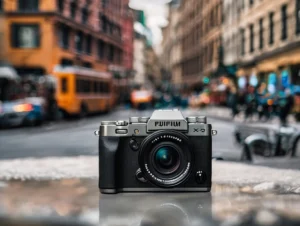
The best camera for wildlife is the one that helps you react quickly. My Fujifilm X-T5 is my go-to when I need speed and reach. Its 40-megapixel sensor gives me plenty of room to crop, and paired with the 70–300 mm lens (and sometimes the 1.4× teleconverter), it handles distant subjects beautifully.
When I want to travel light, the Leica Q3 surprises me. It’s not a traditional wildlife camera, but its incredible sharpness and fast autofocus have captured more than a few birds and coastal critters—especially on my Hawaii adventures.
👉 Read more:Travel Photography Gear Guide: Cameras, Lenses & Accessories and Why I Chose Leica and Fuji for Travel Photography.
Lenses: Getting Closer Without Disturbing
A long zoom lens is essential. For most wildlife situations, a 300 mm range is the sweet spot. It lets you fill the frame while keeping a respectful distance. If you shoot with a Fuji system, the XF 70–300 mm f/4–5.6 with a teleconverter is a powerful, portable combo.
I’ve tested everything from primes to super-zooms, and I’ve learned that lighter gear wins when you’re hiking long trails or waiting hours for an eagle to take flight. You’ll find more details in Best Lenses for the Fujifilm X-T5.
Field Accessories That Make a Difference
A few small accessories can save a shoot. I never leave home without:
- Extra batteries (wildlife moments never happen near an outlet)
- Fast memory cards (Lexar V90 for Fuji, SanDisk Extreme Pro for Leica)
- A sturdy but lightweight tripod
- My Peak Design wrist strap for handheld shots
- Weather protection—because wildlife doesn’t care about forecasts
For carrying everything, my Oberwerth leather bag has held up through rain, snow, and salt spray. It’s as functional as it is beautiful.
👉 Related post: Building Your Travel Photography Kit
Practicing Ethical Wildlife Photography
No matter how good the shot looks through your lens, it’s never worth stressing or endangering an animal. This is their home—we’re just visitors passing through. I try to keep that in mind every time I step off the trail or raise my camera.
Stay on marked paths when possible. Keep your distance, especially during nesting or feeding times. Avoid using playback calls or baiting to lure animals closer. The goal isn’t to “get closer”—it’s to capture authentic behavior without interference.
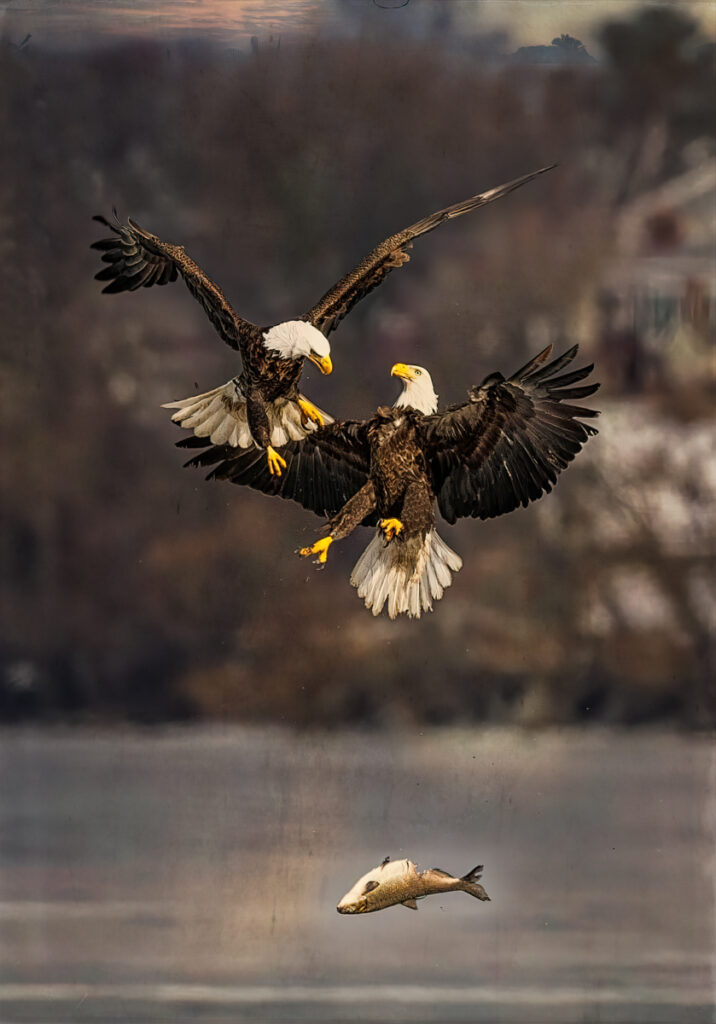
Some of my favorite images, like the bald eagles in Finding the Wild Close to Home, came from simply waiting quietly and letting the scene unfold naturally. The less we intrude, the more genuine the story we tell. And for capturing grizzlys in Alaska, you definitely need a long lens.
Section 3: Techniques for Capturing Stunning Wildlife Images
The magic of wildlife photography isn’t about luck. It’s about learning to anticipate—understanding light, motion, and behavior until instinct takes over. You’ll miss shots (we all do), but when everything aligns, it feels like nature just handed you a gift.
Mastering Focus and Shutter Speed
Wildlife rarely stays still. That means autofocus is your best friend. I use continuous AF (AF-C) with subject tracking almost all the time. For birds, I switch to wide tracking zones, which helps when they dart across the frame.
Shutter speed depends on your subject. I shoot fast—1/1000 or higher for birds in flight, 1/500 for slower animals like elk or deer. It’s better to slightly overexpose than to risk blur; noise can be fixed, but motion can’t.
My Fujifilm X-T5 makes this easier with its fast autofocus and customizable focus modes. On quieter days, when I’m photographing slower moments—like a moose grazing in Grand Teton National Park—I’ll drop to 1/250 to let in softer morning light.
Using Light to Tell the Story
Wildlife photography lives and dies by light. Early morning and late evening—what photographers call golden hour—bring out texture and warmth you can’t fake in editing. That’s also when many animals are most active.
I’ve learned to shoot into the light sometimes, especially when photographing near water. The reflections and rim lighting around feathers or fur can be stunning. One of my favorite examples is from my Alaska Travel Guide, where low evening light turned a quiet moment of a Dall sheep into something magical.
If harsh sunlight is unavoidable, I switch to backlighting or look for shade to soften contrast. Even a small shift in angle can make the difference between a flat image and one that glows. Shooting RAW + JPEG on the Road gives me room to recover detail if lighting shifts or the subject moves fast.
Patience, Awareness, and Fieldcraft
No amount of gear can replace patience. Animals sense your energy—move too quickly, and you’ll scare them off. Move too slowly, and you might miss the moment. The secret is balance.
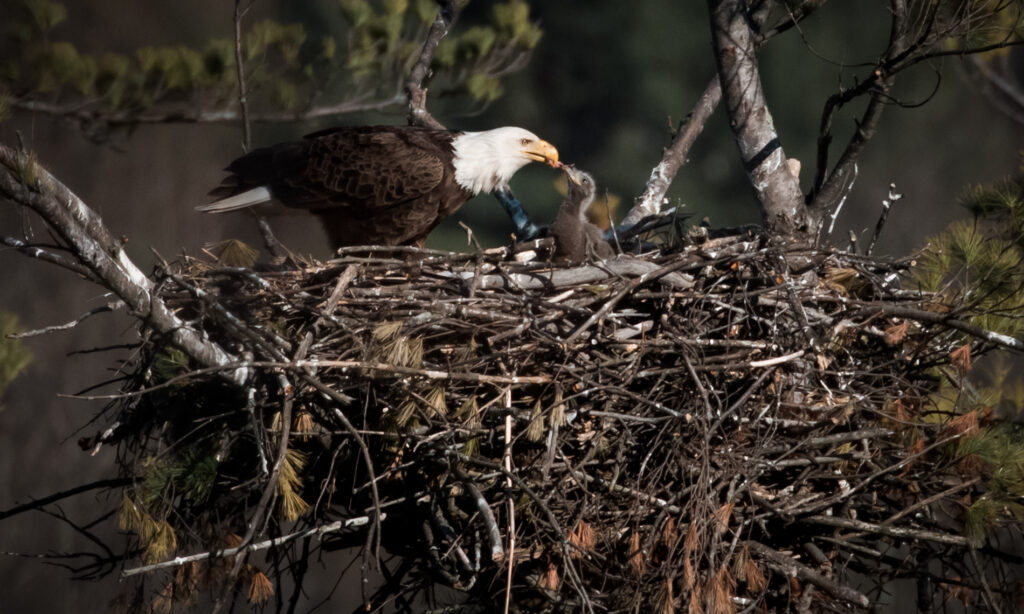
When I’m photographing bald eagles near home for Finding the Wild Close to Home, I set up early, stay still, and let them get used to me. The goal isn’t to “hunt” for wildlife—it’s to wait for it.
Learn to read signs: tracks, sounds, movement in the trees. Wildlife photography is as much about observation as it is about pressing the shutter. You can see lessons I learned from the eagles in Photographing Eagles: Lessons from the Riverbank. I talk about this more in Understanding Wildlife Behavior Before You Photograph: Reading the Wild Before You Raise the Lens.
Experimenting with Composition
Don’t always center your subject. Try negative space, leading lines, or environmental portraits that show the animal within its surroundings. A deer silhouetted against fog tells a richer story than a tight crop of just its head.
I often apply the same principles I use in Mastering Composition on the Road—leading lines, foreground framing, and balanced color—to my wildlife work. Nature already gives you the palette; you just have to frame it.
Section 4: Wildlife Destinations Worth Photographing
Wildlife doesn’t always announce itself, but some places make it a little easier to find. Over the years, my camera and I have crossed paths with everything from bald eagles on my home river to sea turtles in the Pacific. Each encounter has reminded me that the best wildlife photos come from slowing down and letting nature set the pace. For stories of wild encounters across the U.S., visit Wildlife Encounters on America’s Back Roads.
Alaska – Where the Wild Still Rules
If there’s one place that defines “untamed,” it’s Alaska. Every corner feels alive. On our Alaska Travel Guide trip, I photographed moose in Denali, Dall sheep on mountain ridges, and humpback whales off the coast. You don’t have to go far—sometimes the best images appear right outside Fairbanks, along quiet stretches of the Chena River.
Bring your longest lens and plenty of patience. Alaska rewards those who wait, especially during early morning light when mist hangs low over the lakes.
Close to Home – Eagles, Deer, and Small Wonders
Some of my favorite wildlife images didn’t happen on a far-flung adventure. They came from mornings spent along the river near my home, camera balanced on the car window, waiting for the bald eagles to fly. That experience became the heart of Finding the Wild Close to Home —a reminder that you don’t need a plane ticket to practice patience and connection.
Wildlife is everywhere once you start looking. Foxes, herons, deer, even squirrels with attitude—all make wonderful subjects if you treat them with respect and curiosity.
Hawaii – Life Beneath the Waves and in the Trees
Hawaii offers a completely different kind of wildlife experience. From sea turtles basking on black-sand beaches to colorful fish just offshore, it’s a paradise for underwater and coastal photography.
On my Hawaii Region Travel Guide trip, I photographed sea turtles on the Big Island, tropical birds near the Kilauea Lighthouse on Kauai, and even whales breaching in the distance on a calm morning cruise. It’s a reminder that “wildlife” doesn’t always mean land-based—it can be floating just below the surface.
The Mountain West – Elk, Bison, and Open Space
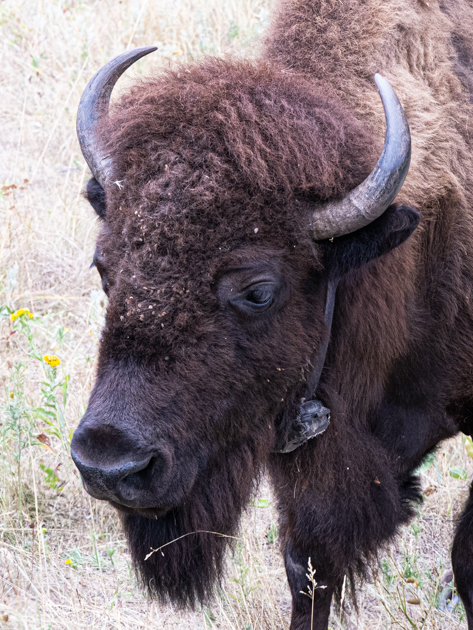
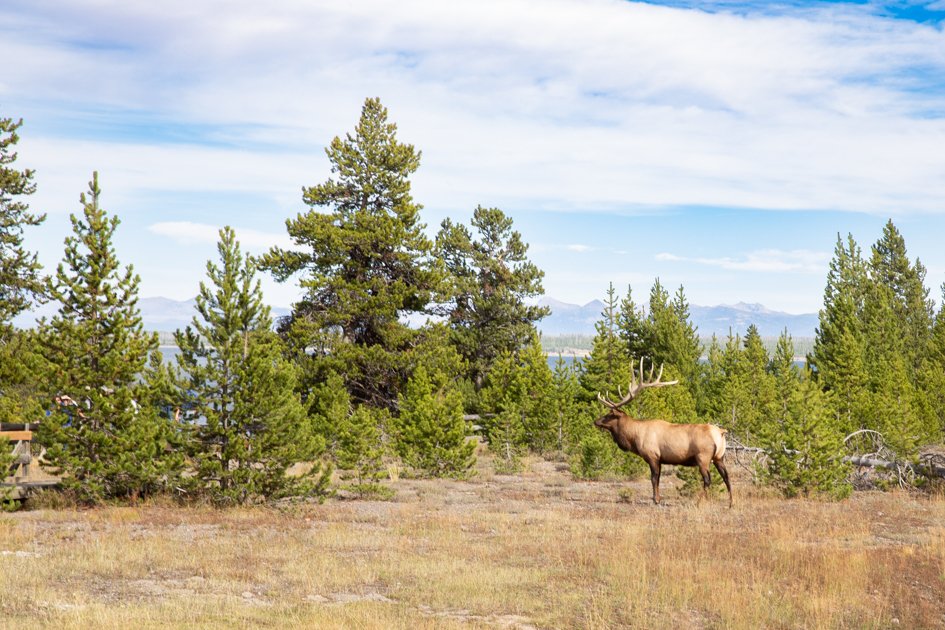
In places like Grand Teton National Park and Yellowstone, wildlife photography feels like stepping into a living postcard. Elk graze in the valleys, bison roam open plains, and pronghorns dart through sagebrush under an endless sky.
These regions taught me the rhythm of light—those fleeting moments right after sunrise when animals are active and the air still holds a touch of chill. It’s also where I learned that sometimes the most meaningful photos come from simply observing rather than pressing the shutter.
Beyond the Parks – Small Town Fields and Farmland
Don’t overlook the quiet spaces between destinations. On road trips through Midwest backroads and Kansas heartland, I’ve photographed hawks perched on fence posts, horses grazing under big skies, and moments that speak to the simple beauty of rural life.
Every stretch of open road has potential. Keep your camera ready—you never know when the next scene will unfold.
Section 5: Tips for Beginners and Building Your Wildlife Photography Skills
You don’t need expensive gear or exotic locations to start photographing wildlife. What you really need is curiosity, observation, and a willingness to wait. Every great wildlife photographer starts the same way—by noticing what’s already around them.
Start Close to Home
The best place to learn isn’t always a national park. It might be your local park, a riverbank, or even your backyard. That’s how I began my Finding the Wild Close to Home project—by following the bald eagles that nest nearby.
Starting local helps you practice regularly. You’ll get to know the rhythms of light, the habits of your subjects, and the joy of seeing familiar places in new ways.
Observe Before You Photograph
Before you take a single shot, take time to watch. Notice how animals move, where they pause, and what startles them. Observation teaches timing—and timing is everything.
It also helps you stay ethical. When you know your subject, you’re less likely to disturb it. As I mentioned earlier, wildlife photography is about respect. Remember: it’s their home, not ours.
Light and Weather Are Your Teachers
Chase good light, not just good subjects. Early mornings and late afternoons bring soft tones, long shadows, and golden warmth. Overcast days can be perfect too—they reduce harsh contrast and keep colors true.
Don’t shy away from “bad” weather either. Mist, fog, or light rain can transform an ordinary scene into something magical. Just keep your gear protected, as I explain in Building Your Travel Photography Kit.
Practice, Review, Repeat
Wildlife photography takes practice—and patience. Not every outing will produce a portfolio shot, and that’s okay. Review your images after each trip. Ask what worked, what didn’t, and what you’d do differently next time.
I often revisit locations from my Northwest Region Travel Guide or Appalachian Region Travel Guide just to photograph the same area in new light or different seasons. Nature changes, and so will your perspective.
Keep Growing and Keep Sharing
The beauty of wildlife photography is that you never really “arrive.” There’s always another bird to spot, another dawn to chase, another quiet encounter waiting to surprise you.
If you’re ready to dive deeper, explore my Mastering Travel Photography cornerstone and browse my Back Roads Lens Photo Galleries for inspiration. You’ll find more tips, stories, and behind-the-scenes moments from years of exploring and photographing across the U.S.
I plan these opportunities carefully — my cornerstone How I Plan and Photograph the Perfect USA Road Trip explains how.
Conclusion: Finding Connection Through the Lens
Wildlife photography has a way of grounding you. It pulls you out of your own head and reminds you that the world doesn’t revolve around us—it moves, breathes, and lives on its own terms. Every image we take is just a glimpse into that rhythm.
When I look back at my favorite wildlife shots—bald eagles along the river, elk grazing under sunrise light, sea turtles gliding through Hawaiian waves—I remember less about the photo itself and more about how it felt to be there. Quiet. Present. Grateful.
Whether you’re standing in the wilds of Alaska or sitting quietly in your backyard, the lessons are the same: be patient, be respectful, and keep your eyes open for the moments most people miss.
Mastering Travel Photography
Explore the full Mastering Travel Photography series — where I share the techniques, tools, and mindset that shape every photo I take.
Each post is part of a creative roadmap designed to help you see the world — and your photography — in a new light. If you’d like to see how I put those lessons into practice close to home, read Finding the Wild Close to Home next.
And remember—sometimes the wildest thing you can do is simply wait for the moment that finds you.
The Art of Patience in Wildlife Photography
Discover how waiting, observing, and respecting the natural rhythm of the wild can transform your photography — and the way you see the world.
Read the full post: The Art of Patience in Wildlife Photography
Explore More
If you’re ready to start chasing your own version of the road less traveled, here’s where to go next. These guides and stories will help you plan your trip, inspire your photography, and remind you why the back roads always have more to say.
Mastering Photography Series
- Mastering Travel Photography: Tips and Tutorials for Mastering the Road Less Traveled – My cornerstone guide to photographing off-the-beaten-path moments with confidence, creativity, and intention.
- Mastering Composition on the Road
- Mastering Using Reflections in Travel Photography
- Mastering Travel Photography for Beginners: Learning to see the World Through Your Lens
- Mastering Shooting in Low Light
- Mastering Light in Landscape Photography
- Mastering Storytelling on the Road: Turning Every Trip into a Captivating Travel Narrative
- Mastering The Art of Mindful Photography
- Mastering the Art of Wildlife Photography
- Mastering the Art of Patience in Wildlife Photography
- Mastering RAW + JPEG on the Road
- Mastering the Histogram: A Simple Guide to Better Exposure
Explore by Region
Discover the landscapes, small towns, and scenic drives that make each corner of the country unique.
- 🏔️ Alaska Region Travel Guides – Wild landscapes, glaciers, and unforgettable wildlife.
- 🌺 Hawaii Region Travel Guides – Island adventures across Oʻahu, Maui, Kauaʻi, and the Big Island.
- 🌲 Northwest Travel Guides – Evergreen forests, coastal highways, and hidden waterfalls.
- 🏜️ Southwest Travel Guides – Desert light, red rock canyons, and timeless back roads.
- 🌄 Appalachian Region Travel Guides – Mountain fog, winding parkways, and small-town charm.
- 🌻 Midwest Travel Guides – Quiet beauty, open skies, and the heart of small-town America.
- 🌾 Southeast Travel Guides – Covered bridges, coastal byways, and southern hospitality.
- 🍁 Northeast Travel Guides – Fall colors, rugged coastlines, and storybook towns.
Explore by Theme
Dive deeper into the kind of travel that inspires you most.
- Scenic Drives and Road Trips – From epic cross-country routes to forgotten byways.
- Regional Back Roads and Byways – Hidden gems and quiet corners off the main map.
- Epic Road Trips – Month-long journeys that change how you see the road.
- Practical Travel Tips for Photographers – Smart advice for staying prepared and creative on the move.
- Safety, Ethics, and Respectful Travel – Traveling with awareness and appreciation for every place you visit.
- My First 30-Day Road Trip – The adventure that started it all.
- Season of Eaglets – Read about the eaglets born in the nest I have been following
- Bald Eagle Lifecycle – See the full lifecycle of an eagle from eaglet to the bald headed yellow beak raptor we know
- In Search of the Part Albino Deer – see my quest to photograph a part albino deer
- All Bald Eagle and Wildlife Photos
- Photographing Without Disturbing
- The Bald Eagle Lifecycle: From Nest to the Sky
👉 Join my newsletter for exclusive photography guides and travel updates.