Wildlife photography is often romanticized as moments of instant magic — the bald eagle swooping at just the right time, the fox emerging from the fog, the bear catching a salmon mid-leap. But what most people never see is the waiting — the long, still hours spent in silence, the cold creeping into your gloves, the breath you hold every time you think you hear a rustle in the brush. There is an art of patience in wildlife photography.
Patience isn’t just part of wildlife photography; it is wildlife photography. It’s the heartbeat of the craft — the quiet discipline that separates snapshots from storytelling. Whether you’re sitting by a frozen river in upstate New York waiting for eagles to appear, or tucked into tall grass in Alaska watching caribou move through the tundra, the true artistry lies in your willingness to wait, watch, and connect.
In this post, I’ll share how patience shapes everything from preparation to the moment you press the shutter — and how learning to slow down transforms both your photography and your perspective on the natural world.
Preparing for the Wait
If there’s one thing that tests both your gear and your mindset, it’s the wait. Wildlife doesn’t follow a schedule — they don’t show up because you arrived on time, or because the light is perfect. Preparing for that unpredictability is half the art.
Plan Like a Photographer, Pack Like a Camper
Before heading out, I check forecasts, sunrise times, and animal activity patterns. In winter, that might mean staking out the riverbanks where eagles hunt fish — like I do near my home in upstate New York (you can read more about this in Photographing Eagles: Lessons from the Riverbank. In summer, it could mean sitting for hours in tall grass waiting for deer or foxes.
I always bring layers, hand warmers, and snacks because when you’re cold, hungry, or uncomfortable, your focus fades long before the wildlife appears. I have seen some wildlife photographers bring a good camp stool or a fold-up tripod chair which can save your back — patience is easier when you aren’t shivering or crouched awkwardly behind a bush.
Gear Choices for Long Waits
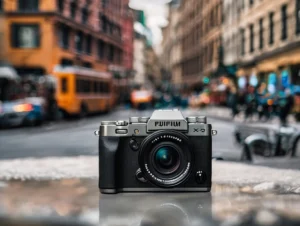
Long waits test not just you, but your equipment. A lightweight telephoto, like my Fuji XF 70-300 mm with 1.4× TC, gives me flexibility without fatigue. On days when weight matters more than reach, I switch to the XF 50-140 mm, which pairs beautifully with the Fuji X-T5. If you’re a beginner, check out my Travel Photography for Beginners guide — it explains how to build confidence without over-packing. You may also want to check out my travel photography kit in my post, Why I Chose Leica and Fuji for Travel Photography.
Also, patience starts with preparation: charge extra batteries (cold drains them faster), carry memory cards, and always test your settings before settling in. There’s nothing worse than finally spotting that elusive subject and realizing your ISO was still at last night’s settings.
Mindset: The Mental Side of Waiting
Patience isn’t just physical endurance — it’s a mindset. The best wildlife photographers learn to slow their heartbeat to match the rhythm of nature. You can’t rush a fox to step into good light, but you can train yourself to be ready when it happens.
Bring binoculars. Watch, observe, and learn. Over time, you start to see patterns — when the light changes, when the birds move, when the forest quiets just before something appears. That connection is what transforms photography into something more than pressing a shutter — it’s presence.
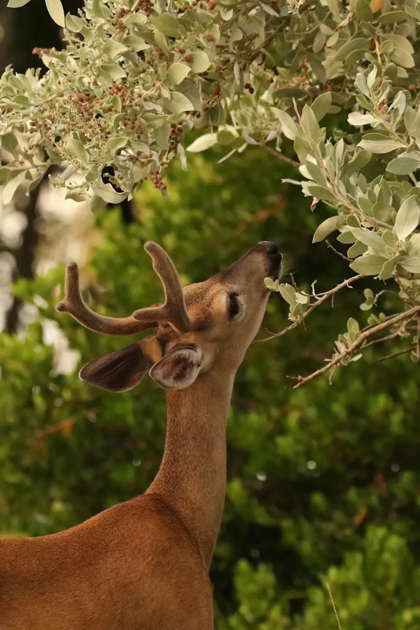
In the Field: The Practice of Stillness
Once you’re in the field, time moves differently. The first few minutes feel productive — you’re adjusting settings, scanning the horizon, maybe listening to the birds. Then the quiet settles in. The world slows, and so must you. This is where true wildlife photography begins: in the calm between moments.
Be Still, but Stay Engaged
Stillness doesn’t mean zoning out. It means tuning in — to light, movement, and sound. I often describe it as learning to “listen with your eyes.” You start noticing the small things: the way branches sway before a bird lands, or how a ripple in the water hints at something surfacing. Examples of this can be found in The Heron Rookery: A Story of Patience, Renewal, and Respect.
The key is controlled awareness — being calm enough to blend into your surroundings but alert enough to respond instantly. That’s where patience pays off. You can’t chase a wild animal and expect authenticity; you have to let them come to you.
When I photograph eagles along the river, I stay as still as possible, often leaning on my tripod to steady both myself and my camera. It’s less about waiting for the right shot and more about being ready when it happens. That mindset shift alone changes everything.
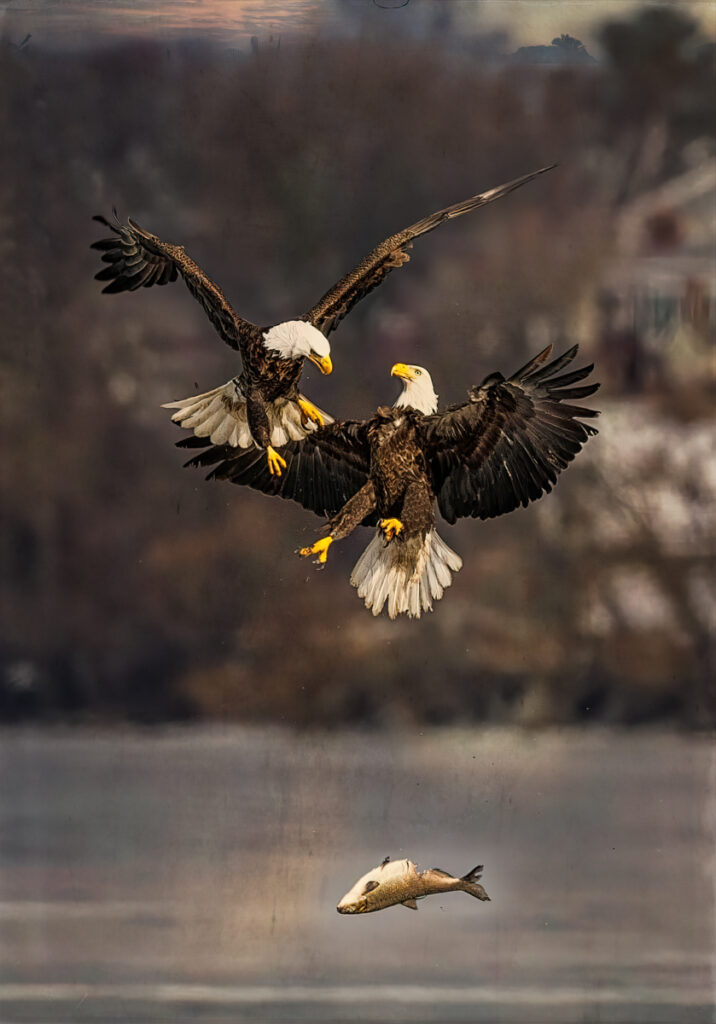
Using Light and Composition During the Wait
Even during quiet spells, there’s work to do. Watch how the light changes — it’s your most cooperative subject. The same snowy field looks entirely different as the sun shifts. Practice noticing how the golden hour warms the tones or how overcast light softens contrast. My post Understanding Light in Landscape Photography dives deeper into how to work with light’s moods rather than fight them. Patience teaches you to notice details others miss — the small gestures, glances, or quiet moments that tell the real story. Those same lessons carry into Mastering Storytelling on the Road, where every image becomes part of a larger narrative.
And don’t forget composition. Stillness gives you time to refine your framing — to adjust your angle, incorporate leading lines, or find a more interesting backdrop. These are moments where you can apply techniques from Mastering the Art of Composition on the Road — think about how the landscape complements your subject before they even appear.
Embrace the Unexpected
Patience often rewards you in ways you didn’t expect. Maybe the animal you hoped for never shows, but another story unfolds — mist rising off the water, light hitting frost crystals, or a heron gliding silently through the frame. Some of my favorite shots happened when I stopped fixating on what I wanted to photograph and opened myself to what nature offered instead.
That’s the real art of patience: not waiting for a perfect moment, but recognizing that every moment has its own kind of perfection.
Patience and Timing: The Perfect Moment Isn’t Luck
People often assume wildlife photography is about luck — that you just happen to be in the right place at the right time. But those “lucky” moments are really the result of patience meeting preparation. When you’ve spent hours watching, listening, and learning, your reflexes become second nature. The perfect shot isn’t luck. It’s timing born of patience.
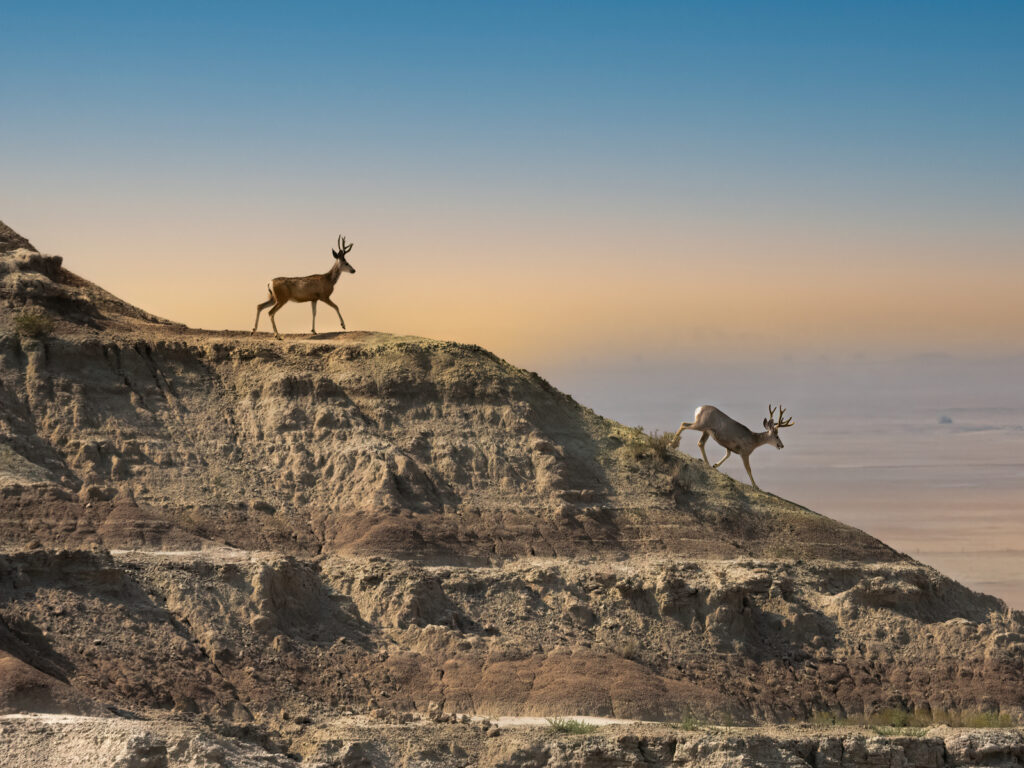
Anticipating Behavior
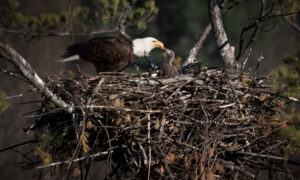
Animals follow patterns. If you’ve been observing long enough, you start to predict what will happen next. The eagle that circles high above will almost always dip back toward the same branch or return to its nest after a dive. In my post Photographing Eagles: Lessons from the Riverbank, I talk about how understanding these rhythms turns waiting into instinct.
When you study your subjects — where they feed, how they move, when they rest — you can anticipate the action rather than chase it. That anticipation is what lets you frame and focus before the moment happens.
Trusting Your Preparation
The more time you spend in the field, the more you realize that photography isn’t just about reacting — it’s about being ready to react. Your camera settings should already be dialed in for the conditions. Light changes fast, and wildlife doesn’t pose. Whether it’s your Fuji X-T5 with the XF 70–300mm, or a lighter setup from my Travel Photography Gear Guide, the key is to make readiness automatic so your focus stays on the scene.
When that fox finally steps into the clearing or the moose turns its head toward the light, you won’t have time to think — only to act. Every patient hour you’ve spent beforehand makes that one second count.
The Reward of Timing
There’s a kind of quiet thrill in pressing the shutter at just the right instant — when the bird lifts off the branch or the bear’s paw breaks the surface of the stream. You feel the culmination of all that waiting, the stillness, the discipline. It’s not adrenaline; it’s satisfaction.
Patience doesn’t mean passivity. It means building enough trust in your awareness that you can let the moment unfold and meet it halfway. And when that alignment happens — you, the light, and the wild — it feels almost effortless. That’s when you realize patience isn’t just part of the process. It’s the art itself.
What Waiting Teaches You
Patience in wildlife photography teaches lessons that go far beyond the lens. At first, waiting feels like lost time — hours where nothing happens, where your fingers are cold, and the only movement is the wind through the trees. But somewhere in that stillness, something shifts. You stop expecting and start observing. Patience in wildlife mirrors balance in travel — see Balancing the Journey
Learning to See, Not Just Look
When you spend long stretches waiting, you begin to notice things you never saw before — the flicker of a shadow across snow, the faint sound of wings, the subtle shift in light before sunrise. These quiet details are what elevate a photograph from an image to a story. It’s the same principle I talk about in Mastering the Art of Composition on the Road: slowing down changes how you see.
The longer you wait, the more the natural world reveals itself — not all at once, but in whispers. That’s the reward for your patience.
Respect for the Wild
The wait also teaches humility. You realize quickly that you’re not in charge out there — the animals decide if and when you’ll be allowed into their story. The best shots happen when you stop trying to control the encounter and instead respect the rhythm of the wild. That’s a theme I explored in Wildlife Photography: Ethics and Respect in the Field: every subject deserves space and dignity.
Waiting reminds you that you’re a guest in their world — not the other way around.
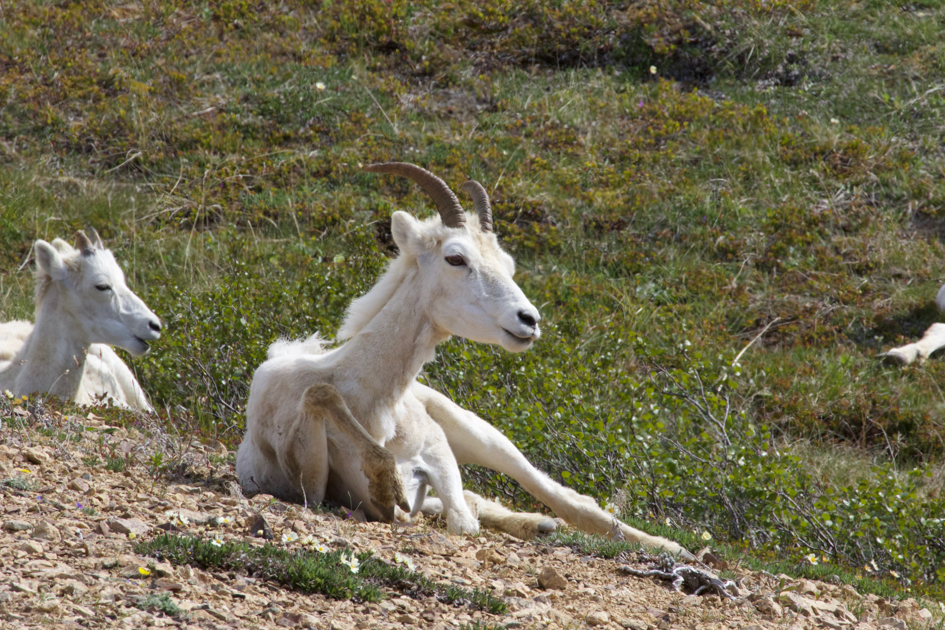
The Calm Within
There’s also something healing about patience. The act of waiting forces you to slow down in a way the modern world rarely allows. You breathe deeper. Listen more. You learn that not every day has to produce a photo to be worthwhile. Some of my favorite outings ended with an empty memory card but a full heart.
That’s the quiet art of patience — discovering that photography isn’t just about capturing beauty. It’s about being present enough to see it.
Practical Lessons in Patience
Wildlife photography isn’t just about waiting — it’s about how you wait. Over the years, I’ve learned that patience isn’t a passive act; it’s a skill you can build with practice and intention. These are some of the lessons that help keep both my focus and my sanity when the wild plays hard to get.
1. Set Realistic Expectations
Not every outing will lead to a portfolio-worthy shot, and that’s okay. The more you release the pressure to “get the shot,” the more you open yourself to actually seeing one. Sometimes, the win is simply witnessing a moment few others ever will.
2. Make Waiting Comfortable
If you’re miserable, you won’t last long. Dress for the elements, bring a small stool or pad to sit on, and don’t underestimate the morale boost of a good thermos of coffee. A comfortable photographer is a patient photographer.
3. Stay Mentally Engaged
Waiting doesn’t mean doing nothing. Study your surroundings — the light, shadows, sounds, and movement. Make small adjustments to your composition or settings as conditions change. This keeps your eye sharp and your mind tuned to the moment.
4. Practice Observing Without Shooting
Not every moment needs to be captured. Try watching animals without the camera for a while. Notice their habits, patterns, and comfort zones. This practice builds your intuition so that when the moment does come, you’ll be ready — and respectful.
5. Learn from the Misses
Missed shots teach as much as the successful ones. Maybe you hesitated too long or moved too quickly. Analyze what happened, not as failure, but as feedback. Every mistake is another step toward mastering timing and calm.
6. Carry the Lesson Beyond Photography
Patience is the thread that ties all photography together — from waiting for a bald eagle to take flight to chasing golden hour light on a mountain road. This post connects naturally with my Mastering Travel Photography series, especially Mastering Storytelling on the Road.
If you enjoy these kinds of field-tested lessons, you’ll also find helpful insight in Mastering Travel Photography Tips and Tutorials, where I go deeper into how mindset shapes every image we take.
Closing Thoughts: Finding Beauty in the Wait
Wildlife photography isn’t just about being in the right place — it’s about becoming part of the place. Every long, quiet hour teaches you something about rhythm, patience, and trust. You learn to move slower, breathe deeper, and see more clearly.
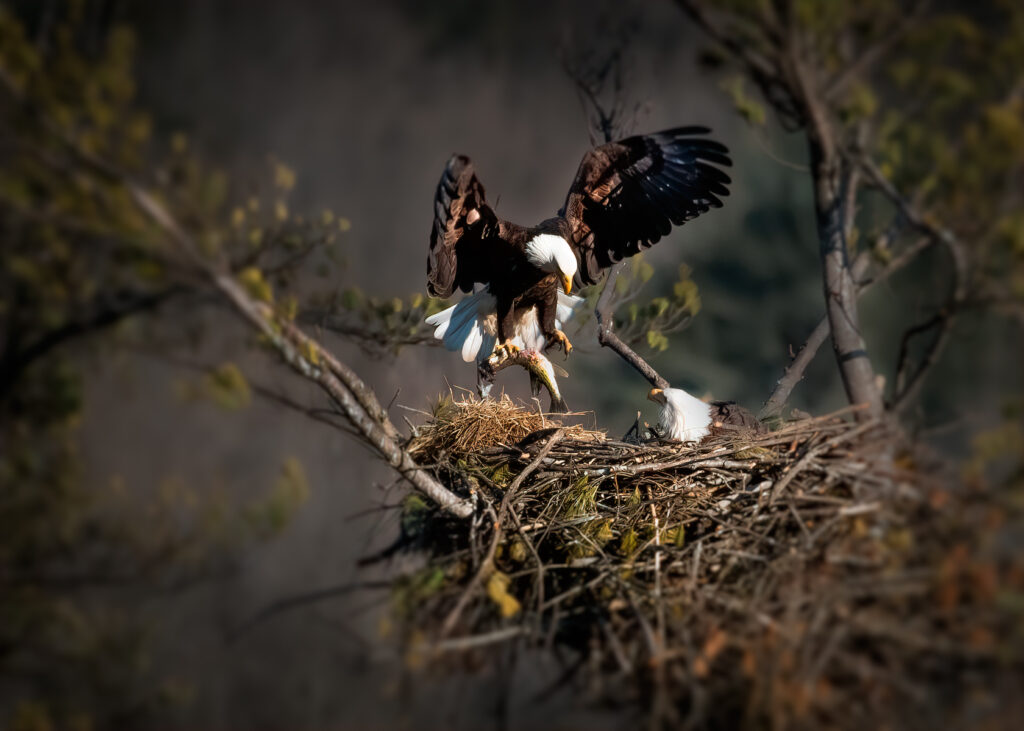
Sometimes the reward is a perfect shot — an eagle mid-dive or a fox emerging from the mist. Other times, it’s simply the peace of being there, watching the world unfold on its own terms. Either way, the art of patience transforms how you photograph — and how you see. I explore this more in Understanding Wildlife Behavior Before You Photograph: Reading the Wild Before You Raise the Lens.
If you enjoyed this post, explore more in my Wildlife Photography cornerstone or read Photographing Eagles: Lessons from the Riverbank for a closer look at the patience required to capture these incredible birds in action. You may also want to read Photographing Without Disturbing. You might also enjoy Understanding Light in Landscape Photography and Mastering Composition on the Road — both of which expand on the skills that make patience more rewarding behind the lens.
🌍 Explore by Region
Discover the landscapes, small towns, and scenic drives that make each corner of the country unique.
- 🏔️ Alaska Region Travel Guides – Wild landscapes, glaciers, and unforgettable wildlife.
- 🌺 Hawaii Region Travel Guides – Island adventures across Oʻahu, Maui, Kauaʻi, and the Big Island.
- 🌲 Northwest Travel Guides – Evergreen forests, coastal highways, and hidden waterfalls.
- 🏜️ Southwest Travel Guides – Desert light, red rock canyons, and timeless back roads.
- 🌄 Appalachian Region Travel Guides – Mountain fog, winding parkways, and small-town charm.
- 🌻 Midwest Travel Guides – Quiet beauty, open skies, and the heart of small-town America.
- 🌾 Southeast Travel Guides – Covered bridges, coastal byways, and southern hospitality.
- 🍁 Northeast Travel Guides – Fall colors, rugged coastlines, and storybook towns.
📸 Explore by Theme
Dive deeper into the kind of travel that inspires you most.
- Scenic Drives and Road Trips – From epic cross-country routes to forgotten byways.
- Regional Back Roads and Byways – Hidden gems and quiet corners off the main map.
- Epic Road Trips – Month-long journeys that change how you see the road.
- Practical Travel Tips for Photographers – Smart advice for staying prepared and creative on the move.
- Safety, Ethics, and Respectful Travel – Traveling with awareness and appreciation for every place you visit.
- Ethics and Respect for Wildlife – Patience and distance often reveal the most natural moments.
- Wildlife Encounters on America’s Back Roads – see examples of seeing wildlife on the road
- The Bald Eagle Lifecycle: From Nest to the Sky – see the stages of a bald eagle’s growth
✨ Explore by Inspiration
Because travel isn’t just about where you go — it’s about what it teaches you.
- Understanding Light in Landscape Photography – Master light at any hour, in any place.
- My First 30-Day Road Trip – The adventure that started it all.
- Seasons of Eaglets – Read about eaglets from birth to leaving the nest
- In Search of the Part Albino Deer
📸 Continue Your Journey
Love learning on the road? Explore the full Mastering Travel Photography series — where I share the techniques, tools, and mindset that shape every photo I take.
- Mastering Travel Photography: Tips and Tutorial for Capturing the Road Less Traveled
- Mastering the Art of Composition on the Road
- Mastering Finding Creativity in the Everyday
- Mastering Light in Landscape Photography
- Mastering Storytelling on the Road
- Mastering RAW + JPEG Shooting on the Road
- Mastering Shooting in Low Light
- Mastering Wildlife Photography
- Mastering The Art of Mindful Photography
- Mastering Using Reflections in Travel Photography
- Mastering the Histogram: A Simple Guide to Better Exposure
- Mastering Travel Photography for Beginners
Each post is part of a creative roadmap designed to help you see the world — and your photography — in a new light.
And if you love connecting photography with mindfulness, sign up for my Back Roads Lens Newsletter — where I share new posts, behind-the-scenes field notes, and travel photography inspiration from the road less traveled.