The Soul of the Midwest
A Region That Whispers Its Story
There’s a quiet strength to the Midwest Region that sneaks up on you. It doesn’t shout for attention like the rugged cliffs of the West or the tropical beauty of Hawaii. Instead, it unfolds slowly — through the rustle of tall prairie grass, the hum of tires on an empty two-lane road, and the golden light that stretches for miles across open fields.
For me, the Midwest feels like the heart of America — steady, open, and full of quiet surprises. Every time I travel through this region, I’m reminded that not all beauty is dramatic. Sometimes it’s a single barn framed by sunrise fog or a roadside diner where locals wave as you pull in. These are the moments that define the Midwest for me — humble, unhurried, and deeply rooted in a sense of place.
Photography and the Spirit of Simplicity
I’ve spent countless hours exploring these backroads, from Ohio’s deep forest trails to South Dakota’s rugged badlands. Each state tells a story of resilience and simplicity. And each turn in the road offers a new photograph waiting to happen. The landscapes might change — rolling farmland in Iowa, canyons in Kansas, or the stone faces of Mount Rushmore — but the feeling stays the same: calm, connected, and real.
If you’ve ever wondered how I find the quiet places that feel untouched by time, you’ll enjoy my guide Back Roads Lens: How I Find Off-the-Beaten-Path Destinations in the USA. It’s the foundation of how I plan every regional journey, including this one through the Midwest.
And if you’re curious about the tools I rely on while exploring, my Travel Photography Gear Guide: Cameras, Lenses, and Accessories shares how I balance my Leica Q3 and Fuji X-T5 setups on the road — perfect companions for capturing the heartland.
Why the Midwest Deserves a Closer Look
More Than Flyover Country
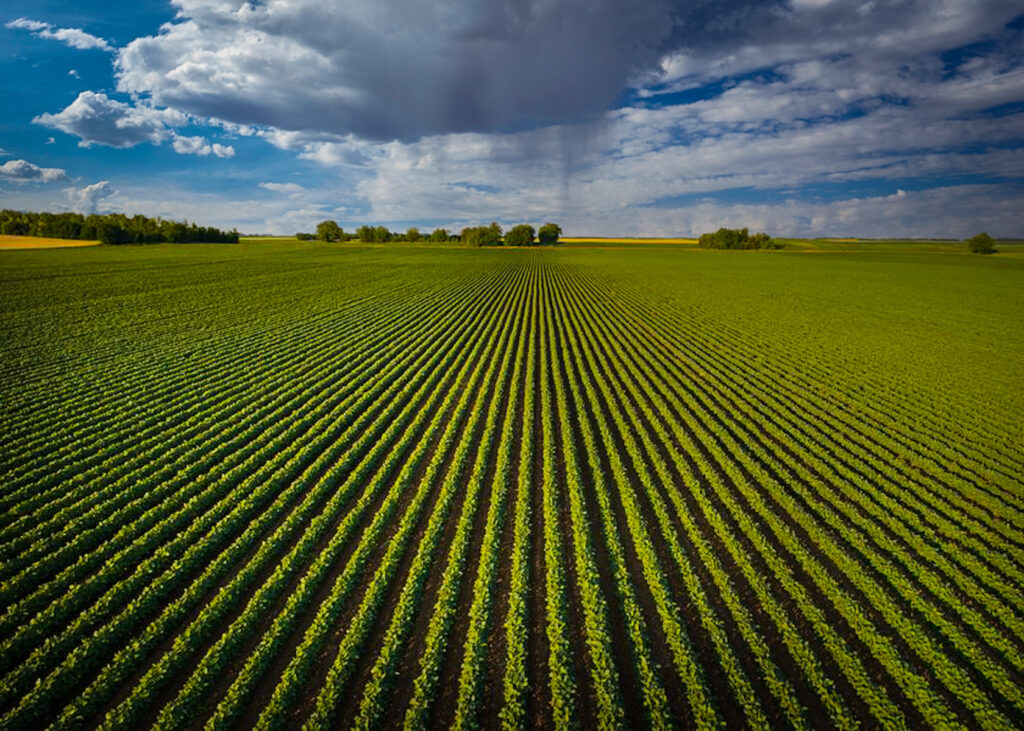
The Midwest has a way of surprising you. Many travelers think of it as the space between the coasts. A region to cross on the way to somewhere else. But once you leave the interstate and start wandering the backroads, you find a landscape rich in history, texture, and quiet wonder. This is the part of America where time moves a little slower, and beauty hides in plain sight.
If you’re planning a long adventure through this part of the country, you might enjoy reading my 30-Day USA Road Trip Guide. It includes routes and tips for seeing more of the Midwest beyond the main highways.
A Photographer’s Playground
What makes the Midwest special is its variety. Within a single day’s drive, you can go from forested gorges in Hocking Hills, Ohio to the open prairies of Kansas, or from South Dakota’s rugged badlands to the calm waters of Lake Michigan. Every mile offers something new — changing light, shifting landscapes, and unexpected subjects.
This region also rewards patience. Unlike more dramatic destinations, you can’t rush it. You have to let the scenery reveal itself. Sometimes through fog rolling over a river at dawn, or in the soft pastels of twilight settling over the plains.
Hidden Stories on Every Backroad
The small towns scattered across the Midwest are as much a part of the landscape as its fields and forests. Old brick main streets, corner cafes, and weathered barns speak to generations that grew up here — grounded, genuine, and proud of their roots.
When I look through my Leica Q3 or Fuji X-T5, I don’t just see a landscape. I see a rhythm of everyday life. It’s the pulse of rural America, still beating strong beneath open skies. For more ideas on capturing this kind of storytelling, check out Mastering Travel Photography — where I share techniques for shooting light, shadow, and motion in natural settings.
The Dakotas: Badlands, Custer State Park & Mount Rushmore
Rugged Beauty and Wild Freedom
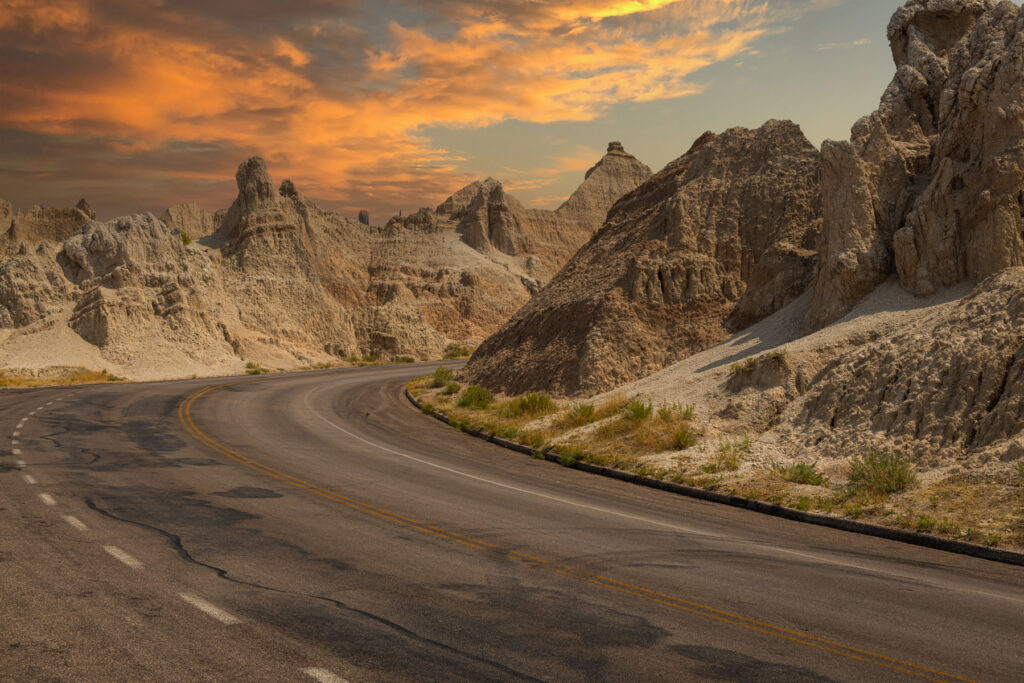
If there’s one part of the Midwest that constantly pulls me back, it’s the Dakotas. The landscape here feels raw and alive — shaped by wind, weather, and time. In Badlands National Park, the earth itself tells a story. Jagged formations rise from the prairie like frozen waves, their colors shifting from soft pinks at sunrise to deep golds at sunset. Photographing this area is an exercise in patience and perspective. The light changes by the minute, and every turn of the road reveals a new texture.
When I wrote about my time exploring the Badlands, I remember how small I felt standing at the edge of the canyons. It’s a place that humbles you — one that reminds you just how vast and untamed this region still is.
Wildlife and Winding Roads
Not far from there lies another favorite — Custer State Park. The park’s scenic drives, like Needles Highway and the Wildlife Loop, make it a dream for photographers who love the unexpected. One minute you’re photographing granite spires reaching toward the sky. The next, a herd of bison blocks the road in front of you.
Custer was where I truly learned to slow down behind the wheel. The best shots didn’t come from rushing to the next stop. But instead from waiting — sometimes ten, fifteen minutes — for the perfect light or for a bison to glance just the right way.
Iconic Faces in Stone
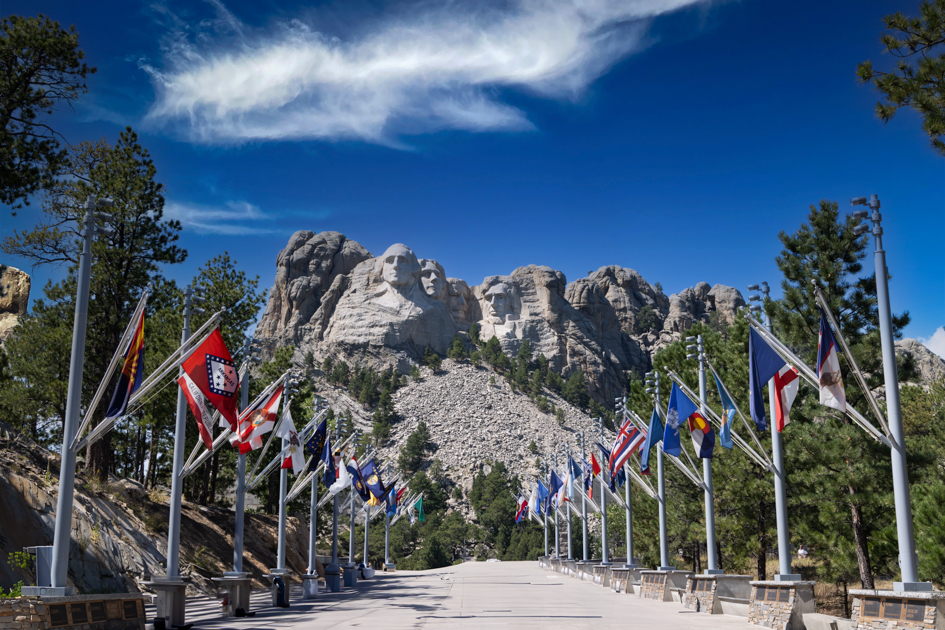
A little farther north, Mount Rushmore stands as both a symbol and a spectacle. There’s something surreal about seeing the faces emerge from shadow.
Finding Stillness in Motion
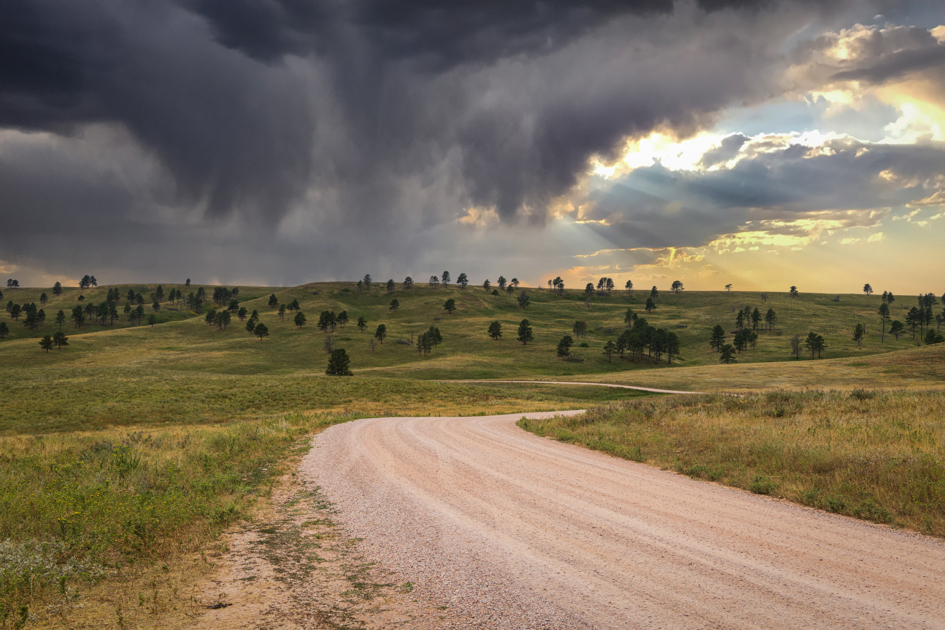
The Dakotas remind me that travel photography isn’t always about chasing grand moments. Sometimes it’s about finding stillness in motion — the rhythm of a herd moving through tall grass, the way the sun drops behind the buttes, or the quiet echo of a distant thunderstorm rolling across the plains. These are the moments that make the Midwest unforgettable.
Sturgis and the South Dakota Backroads
Beyond the Rally
Most people hear the word Sturgis and think of motorcycles — roaring engines, leather jackets, and crowds filling the streets every August. But outside those few weeks, Sturgis is a quiet town surrounded by some of the most scenic roads in South Dakota. When I visited for my Sturgis travel story, I wasn’t there for the rally. I was there for the open road.
The beauty of this region lies just beyond town limits. Highway 14A winds through Spearfish Canyon, where waterfalls spill down limestone cliffs and the trees turn every shade of gold in autumn. It’s a photographer’s dream — especially when the morning light cuts through the mist and hits the canyon walls just right.
Roads to the Full Throttle Saloon
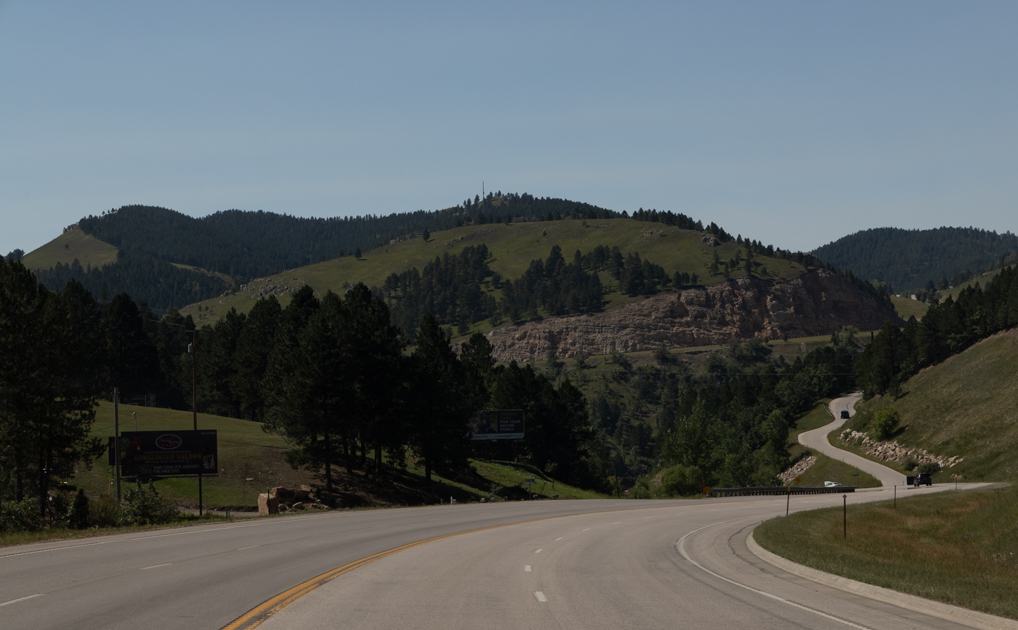
Just outside of town, the Full Throttle Saloon sits surrounded by rolling South Dakota countryside. It’s a place that feels more like a backroad destination than a roadside attraction. The drive there is one of my favorites. The road curves gently through open fields, past weathered barns and stretches of prairie grass swaying in the wind.
Whether you arrive during rally season or in the quiet months after, that route captures the essence of the Midwest. It has wide skies, peaceful roads, and a sense that adventure is always just around the next bend. As a photographer, I found myself pulling over more than once to capture the way the late-afternoon light spilled across the hills. It’s one of those drives that reminds you why slow travel is worth it.
Small Towns and Big Skies
Driving through the backroads of western South Dakota, you find towns that feel untouched by time. Gas stations double as diners. Main streets are lined with hand-painted signs. Locals wave when you drive by. It’s the kind of genuine hospitality that defines the Midwest — unpretentious and welcoming.
I’ve always believed that the best photographs come from curiosity. When you pull over to photograph a barn, you end up chatting with the farmer who built it. When you stop at a roadside café, you hear stories that never make the guidebooks. Sturgis gave me a reminder that photography isn’t just about landscapes — it’s about the people who live in them.
The Joy of the Open Road
From Sturgis, it’s easy to head south toward Custer State Park or west into Wyoming’s wide-open plains. Each road feels like an invitation — to explore, to wander, to slow down. I often plan my days without a fixed destination, letting the light and weather decide my route. Sometimes that means detouring down a gravel road because the clouds are rolling in just right for a moody sky shot.
Those are the days I remember most. The days that don’t go according to plan but somehow lead exactly where I need to be.
Photographing Motion and Stillness
If you’re a travel photographer drawn to the balance of movement and quiet, the South Dakota backroads will speak your language. The sense of scale here — a lone tree against an endless horizon, a storm breaking over distant hills — invites you to slow your shutter and breathe with the land.
When I travel with my Leica Q3, I often use it here in Aperture Priority mode around f/8 to f/11. This lets letting depth of field carry the vastness of the landscape. For action shots — like a line of bikes rolling past or a sudden herd of pronghorns crossing the road — I’ll switch to my Fuji X-T5 for its faster autofocus. That balance between artistry and readiness makes all the difference on the open road.
Ohio’s Natural Side: Hocking Hills
From Prairies to Forested Gorges
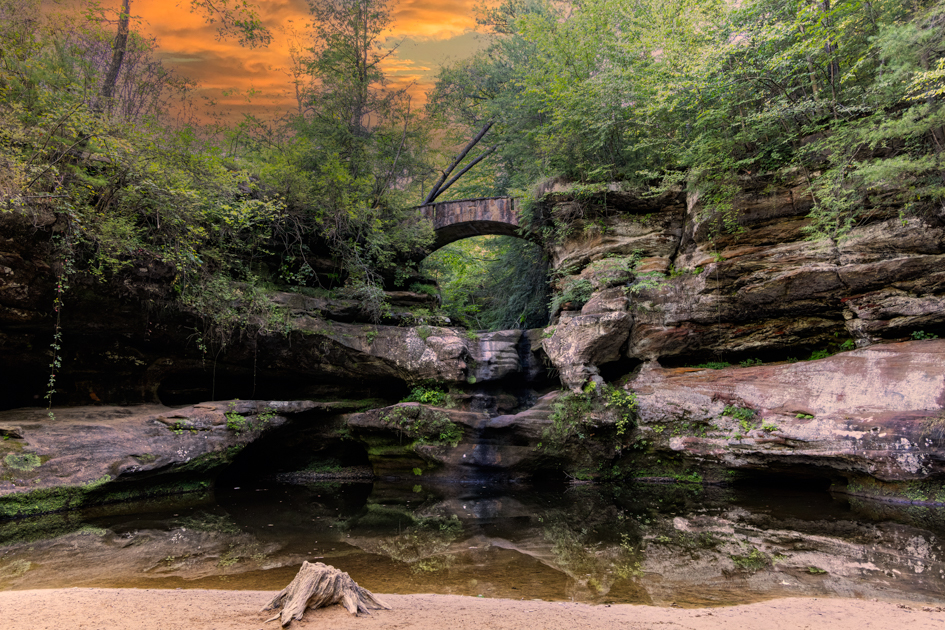
After weeks of photographing the vast, open landscapes of the Dakotas, arriving in Hocking Hills, Ohio felt like stepping into another world. The light changes here — softer, filtered through layers of leaves that seem to glow green even on cloudy days. Instead of open horizons, the scenery folds inward: cliffs draped in moss, waterfalls tucked into sandstone caves, and winding trails that invite you to slow your pace and listen.
This part of the Midwest feels intimate. The landscapes don’t overwhelm you; they draw you in. As a travel photographer, it’s a reminder that beauty isn’t always about size or scale — sometimes it’s about texture, depth, and detail.
Waterfalls, Shadows, and Soft Light
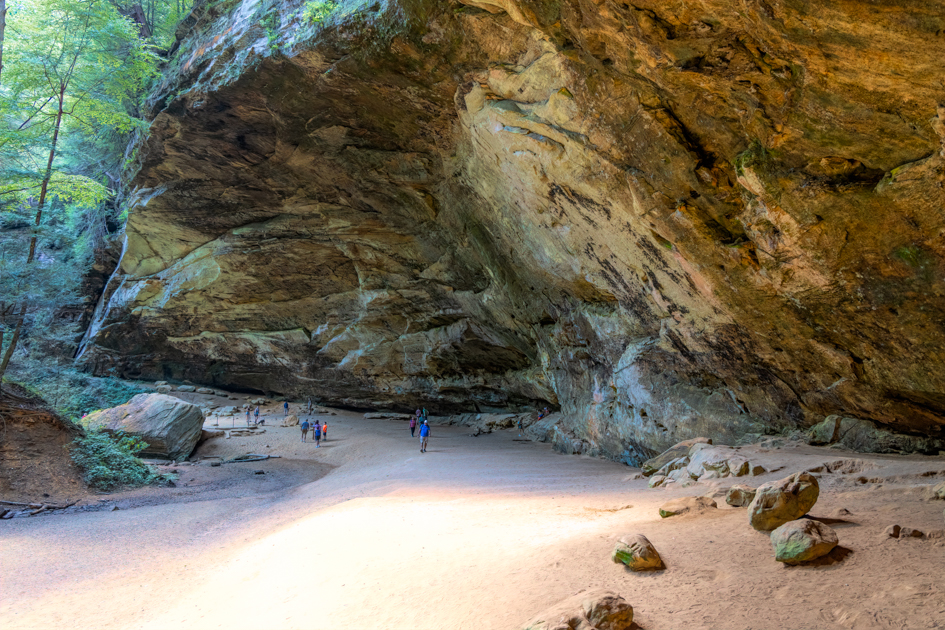
Hocking Hills is a masterclass in photographing contrast. The gorges capture light differently at every turn — shadowed rock walls, sudden shafts of sunlight breaking through the canopy, reflections rippling across shallow pools. When I wrote about my time here in Exploring Hocking Hills, Ohio, I shared how the trick is to let the light guide you.
In areas like Ash Cave and Old Man’s Cave, I tend to shoot with my Fuji X-T5 paired with the XF 16-80 mm F4. Its flexibility lets me move from wide scenic shots to tighter compositions of water streaming over rock. For handheld shots in low light, I often rely on the camera’s in-body stabilization and slightly slower shutter speeds — something my Travel Photography Gear Guide dives deeper into for forest and waterfall photography.
A Quiet Reminder to Slow Down
Every visit to Hocking Hills reminds me how valuable stillness can be. While photographing here, I often pause more than I shoot. I wait for the wind to calm, for ripples on a pond to settle, or for a single ray of sunlight to find its way through the trees. Those quiet moments are the ones that stay with me long after I leave.
If you’re planning a 30-Day USA Road Trip, I always recommend including a stop in southeastern Ohio. It’s a gentle detour that balances the drama of the western landscapes with the calm, meditative side of the Midwest.
Photographing the Details
Hocking Hills challenges me to look closer — to see beyond the obvious. Ferns unfurl beside narrow streams, spider webs glisten with dew, and tree roots twist into the rock like sculpture. With my Leica Q3, I’ll often shoot around f/5.6 to emphasize sharpness and draw attention to the micro-textures that make this region so photogenic.
It’s a place that rewards patience and reminds me why I fell in love with travel photography . I notice what others might walk past and to capture beauty that doesn’t ask to be seen.
The Prairie Heartland: Iowa & Kansas Backroads
Finding Beauty in Simplicity
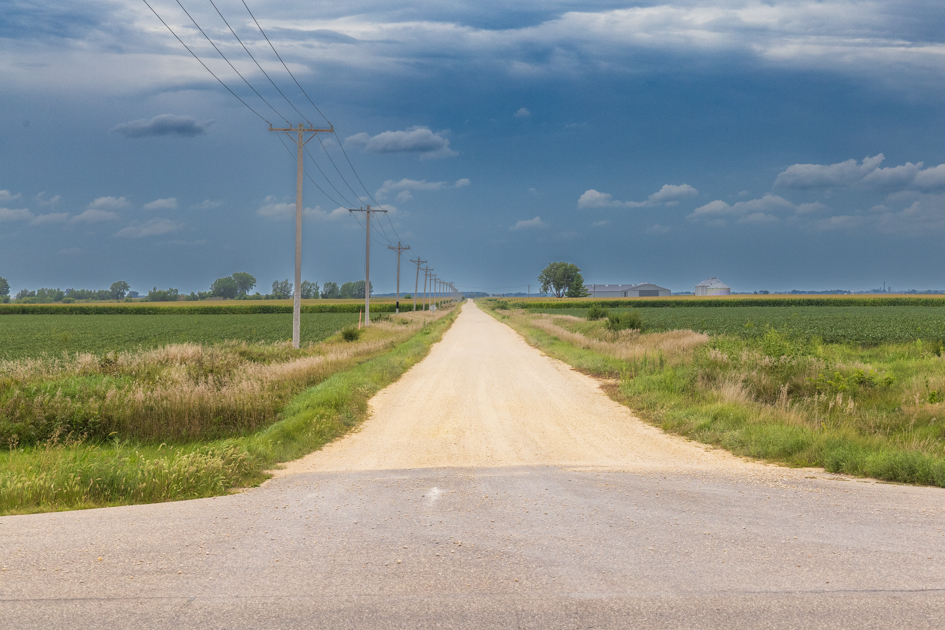
If the Dakotas are dramatic and Hocking Hills is lush, then Iowa and Kansas are something quieter. They are a stretch of heartland where beauty hides in plain sight. On long drives across these states, I’ve learned that photography here isn’t about chasing grand landscapes. It’s about slowing down enough to see the ordinary in extraordinary ways.
In Iowa Backroads, I wrote about how light transforms the landscape. How early morning mist softens the edges of barns. And how sunsets spill across the fields in hues of gold and rose. The countryside may seem simple, but it has rhythm: a pattern of fences, silos, and unbroken horizons that invites your camera to linger.
These are places where you can drive for miles without passing another car, where time feels elastic, and where the quiet becomes part of the scene. I’ve found that those stretches of stillness give me some of my most memorable images.
Roads Worth Wandering
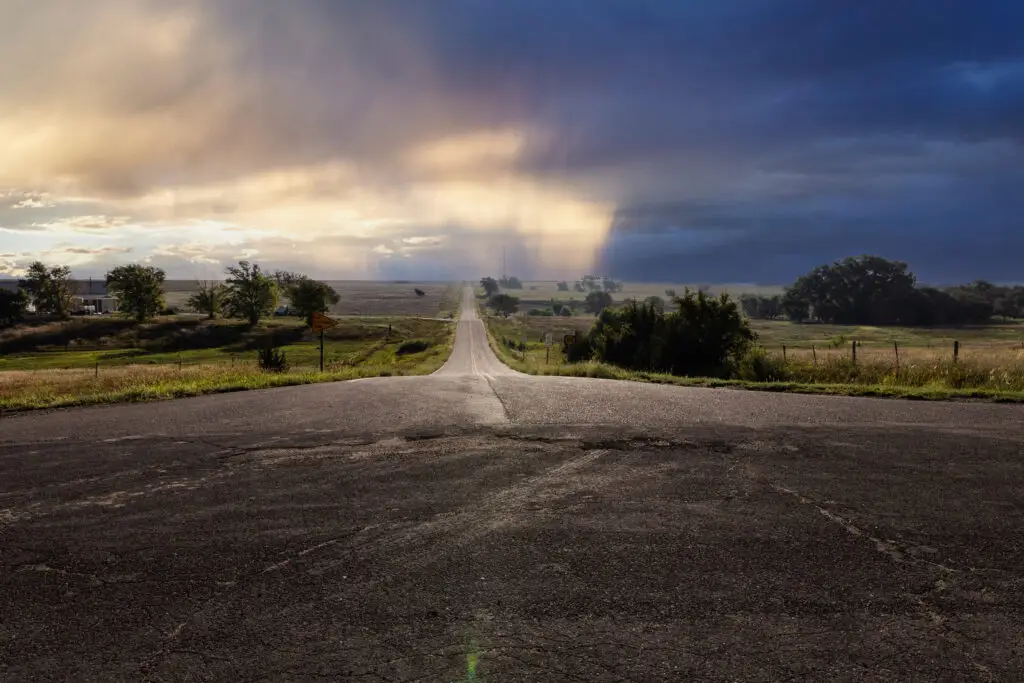
In Kansas Backroads, the roads seem to go on forever. The landscape opens wide — miles of waving prairie grass, lone windmills turning in the breeze, and the occasional farmstead framed against an endless sky. To many, it looks empty. To me, it feels alive.
There’s a kind of meditation in driving those roads with my camera beside me. Sometimes I’ll stop just to watch the wind shape the wheat or to photograph an old sign leaning toward the sun. On cloudy days, the colors mute into a soft palette of tans and greens — perfect for black-and-white images with my Leica Q3. Other times, after a storm, the light breaks through in beams so pure it feels like a gift.
Photographing the Open Horizon
The Midwest plains are ideal for experimenting with composition. I like to frame subjects low in the frame to let the sky dominate. This is a technique that emphasizes scale and solitude. On my Fuji X-T5, I often use the XF 35mm f/1.4 lens to create a sense of intimacy even in wide spaces, drawing attention to a single farmhouse or a winding dirt road disappearing into the distance.
If you enjoy exploring areas that feel untouched and open, these two states will change how you see photography. It’s not about what’s happening in front of you. It’s about how it feels to be there, standing in the silence with the wind as your soundtrack.
The Heartbeat of Rural America
Everywhere I went in Iowa and Kansas, people waved when I passed. Farmers leaned on fence posts to chat about the weather. A small-town café owner insisted I try her homemade pie before hitting the road again. These encounters remind me why I love traveling off the beaten path. The landscapes may draw me in, but it’s the people who give the journey its warmth.
If you’re mapping your own route through America’s quieter corners, both Iowa Backroads and Kansas Backroads are perfect starting points for exploring this part of the Midwest — places where simplicity turns into something truly unforgettable through the lens.
Future Chapter: The Lake Michigan Shoreline
Where Land Meets Light
The next chapter of my Midwest journey will take me north — along the ever-changing shoreline of Lake Michigan. I’ve always believed that water has a way of shaping not just the landscape but also how we see it, and Lake Michigan’s vastness feels almost oceanic. From quiet coves and historic lighthouses to sand dunes that glow gold in evening light, it’s a region made for travel photography.
I’m planning a dedicated Lake Michigan road trip that will wind through small harbor towns, scenic overlooks, and the beaches that stretch from Indiana up through Wisconsin and Michigan’s Upper Peninsula. Each stop will have its own story — reflections of sailboats at sunrise, waves breaking against rocky shores, and tiny ice formations glinting in the winter light.
Photographing the Great Lakes Mood
The light here shifts constantly. One moment the sky is a crisp blue; the next, a blanket of fog rolls in from the water. Those changes create endless opportunities for creative photography. I’m already imagining long-exposure shots of waves smoothing against the sand, minimalist compositions of lighthouses in mist, and the deep blues that come just before sunset.
For these conditions, I’ll pack both cameras — the Leica Q3 for its unbeatable clarity in wide, landscape shots and the Fuji X-T5 for flexibility when I want to zoom in on distant details. With the right combination of filters and patience, the Great Lakes reveal a personality all their own — moody, powerful, and always photogenic.
Connecting the Midwest Story
This upcoming Lake Michigan series will round out my Midwest coverage, connecting the plains, forests, and rugged Dakotas with the serenity of the Great Lakes. It will also create a bridge between this cornerstone and future posts in the Great Lakes region category — a growing collection that will include lighthouse routes, shoreline towns, and hidden coastal drives.
If you’ve followed my other regional stories — from the rugged peaks of the Northwest to the sun-drenched canyons of the Southwest — this new adventure will complete the circle. Every region has its rhythm, but the Midwest, and especially the Lake Michigan shoreline, feels like the pause between heartbeats — calm, steady, and endlessly inspiring.
Photography Tips for the Midwest
Mastering Light on the Plains and in the Forests
Midwestern light can be both a gift and a challenge. In places like Hocking Hills, Ohio, the forest canopy softens the light into delicate greens and golds. In contrast, the open plains of Kansas or South Dakota’s Badlands can leave you with harsh, direct sunlight for most of the day.
When I’m out photographing wide, open landscapes, I usually switch my Leica Q3 to Aperture Priority mode. I keep it set between f/8 and f/11, which gives me sharp details all the way across the frame. The Q3’s Summilux 28mm lens handles contrast beautifully. It brings out deep blue skies and rich midtones — perfect for those quiet rural scenes or the rugged beauty of the badlands.
In shaded forest areas or narrow gorges, I switch to the Fuji X-T5 for its flexibility and in-body stabilization. Shooting with the XF 16–80mm f/4 lets me move from tight compositions to broader environmental frames without changing lenses. For motion blur on waterfalls or moving clouds, I often carry a 3-stop ND filter to extend exposure just enough for silky motion without overexposing.
Handling Harsh Midday Light
Travel photography doesn’t always allow for perfect golden-hour conditions. On the road, I often find myself shooting under the midday sun — especially in summer across Iowa or the open roads near Sturgis. When the light is harsh, I look for natural diffusers: barn shadows, overhanging trees, or reflections off pale gravel roads.
If I’m photographing wide open scenes like the Kansas backroads or long stretches of prairie, I’ll use my Fuji’s XF 70–300mm to compress distance and add layers of haze and light. The result is a dreamy, painterly effect that turns even harsh daylight into something atmospheric.
The Power of Patience
The Midwest rewards stillness. In the Badlands, it’s waiting for clouds to cast long shadows across the buttes. And in Hocking Hills, it’s pausing for a single ray of light to pierce the trees. In Iowa, it’s standing beside a cornfield just long enough for the wind to shift direction.
I’ve learned that patience transforms ordinary scenes into meaningful images. Travel photography isn’t about rushing from one viewpoint to the next. It’s about listening to the rhythm of the land and letting it guide when to press the shutter.
Balancing Gear and Creativity
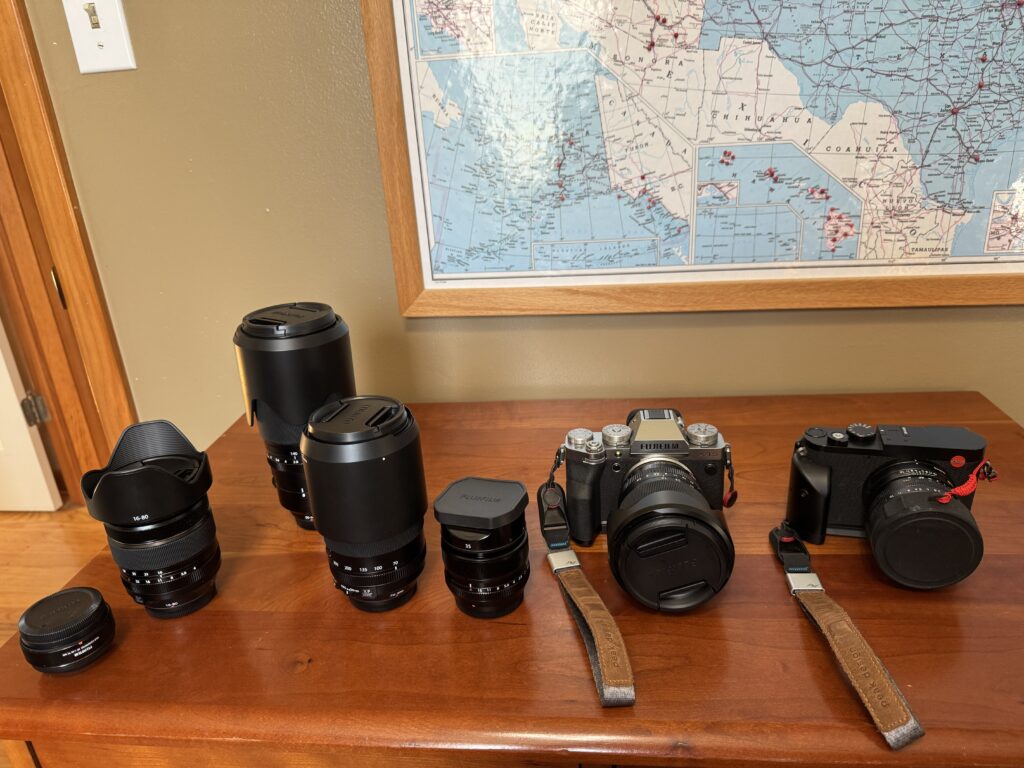
For those planning their own Midwest photography trip, I always recommend keeping your kit light but versatile. My go-to combination — the Leica Q3 and Fujifilm X-T5 — gives me everything I need without feeling overloaded. The Leica is my landscape storyteller; the Fuji is my adaptable workhorse. Together, they cover every kind of light and terrain the Midwest throws my way.
If you want to see how I build my complete setup for extended trips, my Travel Photography Gear Guide: Cameras, Lenses, and Accessories breaks down every piece I carry, from filters to straps. If you want some tips and tricks on how to achieve great travel photography prints, see Mastering Traveling Photography.
Road Trip Planning Resources
Plan Your Own Midwest Adventure
If this post has you dreaming about a cross-country trip, I’ve got several guides to help you start planning. You’ll find tips for mapping scenic routes, refining your photography kit, and choosing the best stops along the way. Each resource connects a different part of the journey.
Start with my cornerstone post, Back Roads Lens: How I Find Off-the-Beaten-Path Destinations in the USA. It’s the foundation of how I plan each regional trip. I share how I research small towns and track down those quiet, lesser-known viewpoints that make a photo truly stand out.
Next, take a look at my 30-Day USA Road Trip Guide. It offers a step-by-step look at how to organize a long road trip across multiple states. The Midwest section is one of my favorites — perfect for pairing wide-open drives through the Dakotas with relaxed days along the Great Lakes or Ohio’s forested trails.
Packing and Gear Guides
If you’re wondering how I manage both photography and travel logistics on long trips, my Travel Photography Gear Guide: Cameras, Lenses, and Accessories breaks down everything I carry — from my Leica Q3 and Fuji X-T5 setups to the small accessories that make road travel easier.
For more specific insights into how I pair both systems on the road, Leica Q3 and How I Pair It With My Fujifilm X-T5 for Travel Photography dives deeper into my workflow. It’s especially useful if you’re trying to build a two-camera setup that balances quality with flexibility.
Closing Reflection
The Quiet Pulse of the Heartland
The more I travel through the Midwest, the more I realize its beauty doesn’t compete for attention — it simply exists, waiting for you to notice. It’s in the wind moving through tall grass, the reflection of a barn in a roadside puddle, and the kindness of a stranger holding a door in a small-town café. This region may not always be loud or dramatic, but that’s exactly what makes it unforgettable.
Each backroad tells its own story. In South Dakota, it’s the sound of bison hooves echoing through the hills. And in Ohio, it’s the whisper of water slipping over mossy rock. In Iowa and Kansas, it’s the endless horizon that reminds you just how much space still exists in the world. And soon, along the Lake Michigan shoreline, it will be the rhythm of waves against the shore — steady, patient, timeless.
When I lower my camera at the end of a long day, I’m reminded that travel photography isn’t just about capturing what I see — it’s about remembering how it felt to stand there. The Midwest, more than any other region, teaches me to slow down, to appreciate stillness, and to find beauty where most people forget to look.
That’s the heartbeat of this land — and of Back Roads Lens: seeing the extraordinary in the ordinary, one quiet road at a time.
For more inspiration beyond this region, see my main guide to Scenic Drives and Road Trips Across America.
Explore More
If you’re ready to start chasing your own version of the road less traveled, here’s where to go next. These guides and stories will help you plan your trip, inspire your photography, and remind you why the back roads always have more to say.
🌍 Explore by Region
Discover the landscapes, small towns, and scenic drives that make each corner of the country unique.
- 🏔️ Alaska Region Travel Guides – Wild landscapes, glaciers, and unforgettable wildlife.
- 🌺 Hawaii Region Travel Guides – Island adventures across Oʻahu, Maui, Kauaʻi, and the Big Island.
- 🌲 Northwest Travel Guides – Evergreen forests, coastal highways, and hidden waterfalls.
- 🏜️ Southwest Travel Guides – Desert light, red rock canyons, and timeless back roads.
- 🌄 Appalachian Region Travel Guides – Mountain fog, winding parkways, and small-town charm.
- 🌻 Midwest Travel Guides – Quiet beauty, open skies, and the heart of small-town America.
- 🌾 Southeast Travel Guides – Covered bridges, coastal byways, and southern hospitality.
- 🍁 Northeast Travel Guides – Fall colors, rugged coastlines, and storybook towns.
📸 Explore by Theme
Dive deeper into the kind of travel that inspires you most.
- 🚗 Scenic Drives and Road Trips – From epic cross-country routes to forgotten byways.
- 🏞️ Regional Back Roads and Byways – Hidden gems and quiet corners off the main map.
- 🧭 Epic Road Trips – Month-long journeys that change how you see the road.
- 🛠️ Practical Travel Tips for Photographers – Smart advice for staying prepared and creative on the move.
- 🧳 Safety, Ethics, and Respectful Travel – Traveling with awareness and appreciation for every place you visit.
✨ Explore by Inspiration
Because travel isn’t just about where you go — it’s about what it teaches you.
🚙 My First 30-Day Road Trip – The adventure that started it all.
📷 Mastering Travel Photography – Learn to see light, composition, and story on the road.
🦅 The Art of Wildlife Photography – Lessons in patience and connection from the natural world.
🌅 Understanding Light in Landscape Photography – Master light at any hour, in any place.
💬 Storytelling and Creativity – Find your voice behind the lens.
Stay Connected: Back Roads Lens Newsletter
Travel photography is more than the places you go — it’s how you see them.
If you’ve enjoyed exploring the Midwest with me, I’d love to have you join my newsletter community.
It’s packed with practical tips on shooting landscapes, choosing lenses for the road, and capturing those fleeting travel moments that make every trip unforgettable.
👉 Sign up here to join the journey!