When people asked if Hawaii was really worth flying halfway across the world for, I used to shrug and say, “It’s islands, right? Probably like the Caribbean with better coffee.”
Let me tell you… I was wrong.
I’ve been to most of the Caribbean islands, and while they’re beautiful in their own way, Hawaii is something entirely different. It’s not just tropical — it’s alive. The islands breathe. Volcanoes still shape the land in real time, waterfalls pour from cliffs hundreds of feet high, and the light seems to shift with a kind of magic you can’t quite describe.
Flying from the East Coast of the United States, it’s not exactly a quick trip. By the time you land, you’ve basically traveled to another world. But the second I stepped out of the airport and caught that first soft, floral breeze, I knew the long flight was worth every cramped hour.
I’ve been lucky enough to visit twice now, and each time I left a little piece of my heart behind — probably somewhere between the golden light along Kauai’s Nā Pali Coast and the steaming vents inside Volcanoes National Park on the Big Island.
We’re not “lay-on-the-beach-all-week” kind of travelers. Our kind of paradise comes with hiking boots, camera gear, and a full tank of gas. Hawaii checked every box. You can explore lava tubes on Maui, hike into canyons that rival the Grand Canyon on Kauai, and drive through coffee country on Oahu — all while chasing the perfect photo and maybe a plate lunch along the way (I’m looking at you, Keneke’s Grill).
Hawaii has it all — adventure, scenery, and stories waiting around every curve of the road.
Exploring the Islands
Hawaii isn’t one experience — it’s a collection of them. Each island has its own rhythm, its own scent in the air, even its own shade of green. Whether you start on Oahu or wander out to Kauai, each stop feels like you’ve discovered another world within a world.
Let’s explore the four islands that make up my Hawaii Travel Guide adventures — Oahu, Maui, Big Island, and Kauai.
Oahu: The Heartbeat of Hawaii
Most travelers start their Hawaii journey on Oahu, and honestly, it’s the perfect introduction. This island blends modern life with old Hawaii — think busy Honolulu streets one minute and peaceful countryside the next.
One of my favorite drives was up toward Kolekole Pass, tucked behind Schofield Barracks. It’s only open certain days, but when it is, the views are incredible — lush valleys, wild ridges, and a sense of history all around you.
Pineapples and Coffee
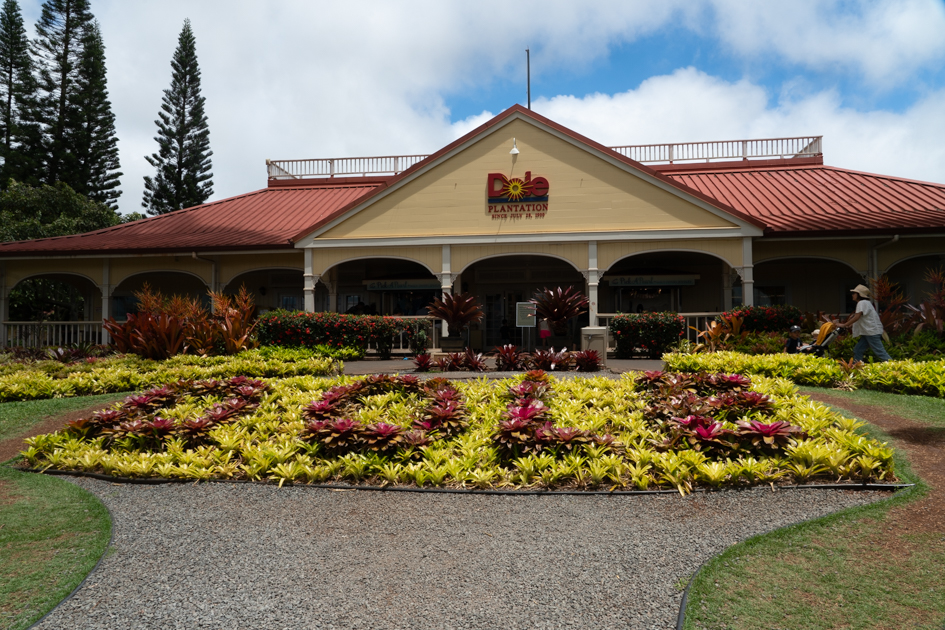
On the way north, we stopped at the Dole Plantation. Because, let’s face it, you can’t come to Oahu and skip the pineapples. The grounds are beautiful, and I’ll admit, I was skeptical about pineapple ice cream until I tried the famous Dole Whip. It was the perfect tropical treat after walking through fields that seem to go on forever.
And of course, Oahu delivers on great coffee and local flavor. I found some of the best roasts at Green World Coffee Farm — they roast right on site, and the smell alone could wake you up faster than jet lag. For lunch, I can’t help but recommend Keneke’s Grill, a true hidden gem where you can get two quarter-pound cheeseburgers for five bucks. You’ll eat like a local — full, happy, and probably a little amazed.
Oahu’s the kind of place that welcomes you with both energy and heart — it’s where your Hawaiian story begins, and where you realize there’s a lot more to these islands than beaches.
Maui: Road Trips and Raw Beauty
If Oahu has the pulse, Maui is the island that sings to your adventurous side. It’s where you trade city lights for waterfalls and winding roads that cling to cliffs.
The legendary Road to Hana isn’t something you just drive — it’s something you experience. Every curve brings a new surprise: hidden waterfalls, bamboo forests, black-sand beaches, and that fresh, earthy smell that only rain on lava rock can make.
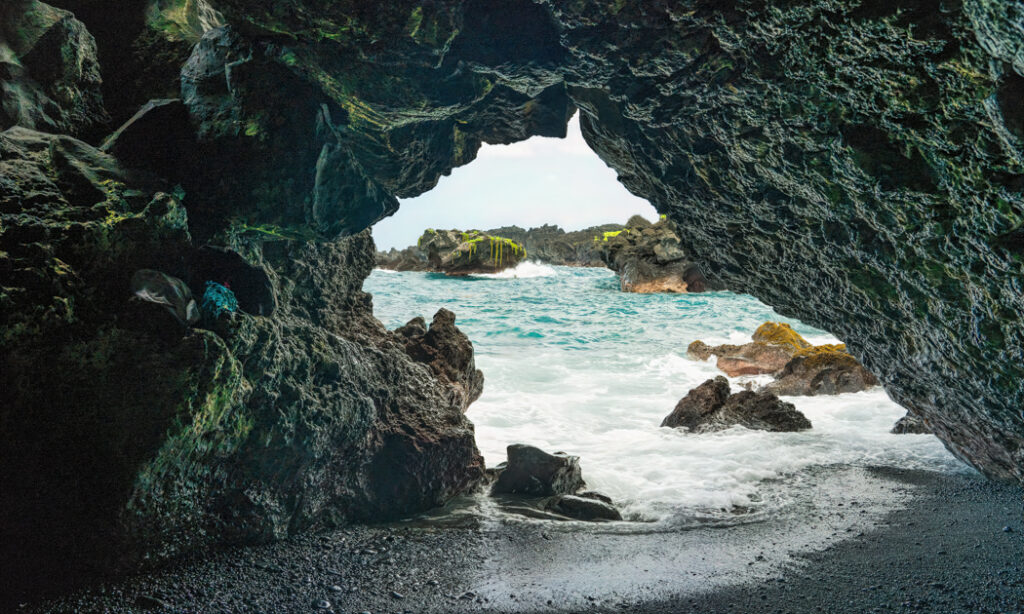
One of my favorite stops along the way was Waiʻānapanapa State Park, home to a small black-sand beach and the lava tube I explored — dark, cool, and echoing with the sound of waves pounding outside. It’s easy to miss if you don’t know it’s there, but that’s what makes it so special.
One thing I love about Maui — and several of the other islands — is that they have height limits on buildings. Nothing rises taller than a coconut tree, so even in resort areas, you still feel close to nature. There’s no towering skyline blocking your sunset — just palm trees, mountain silhouettes, and ocean light.
Big Island: Fire, Earth, and Sky
Then there’s Hawai‘i Island — The Big Island, where the earth still grows under your feet. Standing at the rim of Volcanoes National Park, watching steam rise from cracks in the earth, you feel like you’ve wandered into another planet. It’s humbling, awe-inspiring, and maybe just a little intimidating.
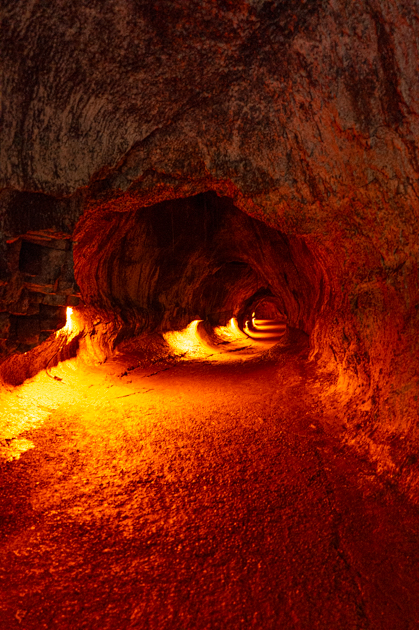
Don’t miss the walk through the Thurston Lava Tube — it’s an easy trail, but stepping inside that massive tunnel carved by molten rock makes you feel tiny in the best way possible.
Big Island is where the raw forces of nature are on full display — and you realize Hawaii isn’t just beautiful; it’s powerful.
Kauai: The Garden Isle
Finally, we come to Kauai — the island that feels closest to nature’s heart. Lush doesn’t even begin to describe it. The landscapes here are pure magic. The Nā Pali Coast will take your breath away no matter how you see it, whether by hike, boat, or from the overlooks at Kalalau and Puʻu o Kila Lookouts.
Drive inland and you’ll find Waimea Canyon — often called the “Grand Canyon of the Pacific”. It is painted in layers of red, green, and gold. And for a little peace and photography inspiration, don’t miss the historic Kīlauea Lighthouse. It ia perched high above a bird sanctuary where red-footed boobies soar over the cliffs.
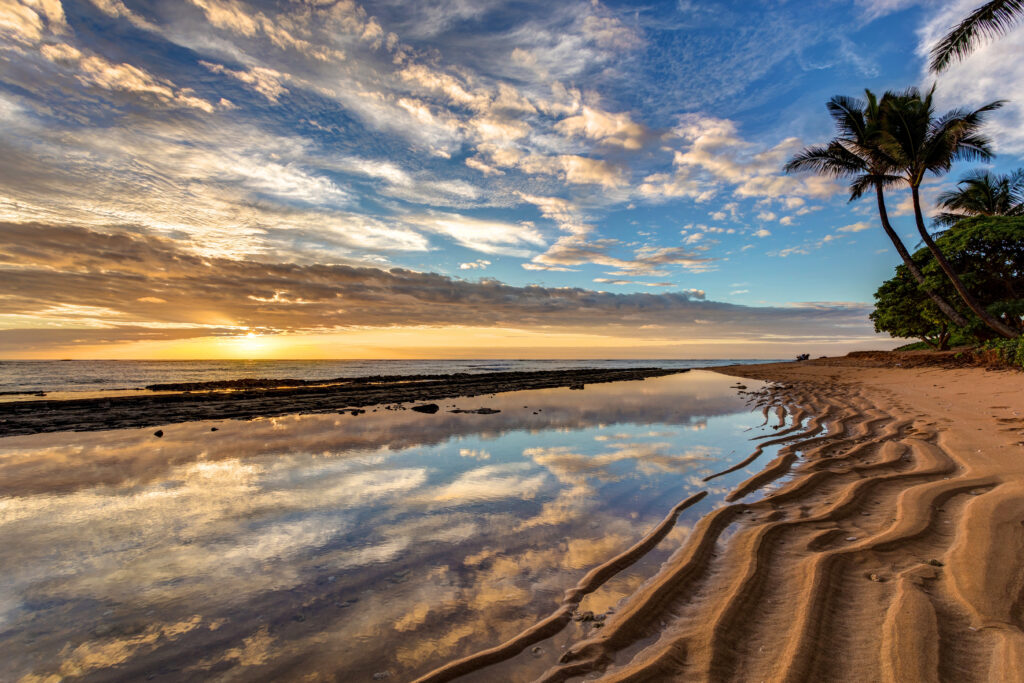
Kauai’s natural beauty is fiercely protected. Like Maui and the Big Island, its buildings are kept low. They are rarely more than a few stories — and by law, all beaches in Hawaii are public. Here, that feels especially true. Every beach, from quiet coves to long stretches of sand, is open and free of high-rise hotels. It’s one of the few places left where you can watch the sunset with your feet in the sand and nothing but palm trees behind you.
If you’re a photographer, check out my Kauai Photographer’s Guide for favorite vantage points, hidden beaches, and that golden evening light you dream about on the flight home.
Choosing Your Islands
If it’s your first trip, I usually suggest starting with Oahu, since it’s the gateway island for most flights. You can get a taste of Hawaii’s culture and scenery all in one place. Drive through the pineapple fields to the famous Dole Plantation. Yes, the pineapples really do taste better there. Try the Dole Whip (I didn’t think I’d like pineapple ice cream, but I was wrong).
Oahu also gives you plenty of room to explore beyond the city. You can head into the mountains at Kolekole Pass, stop by Green World Coffee Farm for a caffeine fix, and finish your day with a local plate lunch at Keneke’s Grill — two cheeseburgers for five bucks and one happy traveler.
On a second trip — or if you’re craving something quieter — head to Maui or Kauai. Maui gives you those long, meandering drives like the Road to Hana, where adventure and waterfalls never end. Kauai, on the other hand, slows you down completely. You’ll find stretches of untouched sand and landscapes so dramatic they look painted.
For something completely different, Big Island is an adventure all its own. You can watch new earth being formed in Volcanoes National Park and then walk through the ancient Thurston Lava Tube — all in the same day.
Seeing Hawaii by Cruise
On our first trip, we decided to take a Hawaii cruise that visited all four islands — Oahu, Maui, Big Island, and Kauai. It turned out to be a great way to get an overview of the islands without the hassle of repacking or catching flights between them. Every day brought a new view: sunrise over Maui one morning, sunset off Kauai the next.
That cruise helped us figure out which islands spoke to us most — and by the end, we knew: Kauai and Big Island had completely won us over. They felt more natural, less hurried, and full of those backroad discoveries that we love. So on our second trip, we skipped the cruise and focused just on those two islands — slowing down, exploring deeper, and photographing every corner.
Getting Between Islands
If you’re not cruising, getting around Hawaii is still simple. Each island has its own major airport, and short inter-island flights (usually 30–45 minutes) make hopping between them easy. Airlines like Hawaiian and Southwest run frequent routes, and honestly, the flights are part of the fun. There’s something about seeing one island fade into the distance as another rises ahead that makes you appreciate just how vast — and varied — Hawaii really is.
If you only have a week, focus on one or two islands and really sink in. Hawaii rewards the traveler who slows down. Two weeks? Mix and match. I like pairing Oahu + Maui for a blend of city and scenery, or Big Island + Kauai for a deep-nature experience.
Packing for the Islands
Hawaii might be tropical, but the micro-climates are no joke. I’ve stood in rain on one side of the island and bright sun on the other — sometimes in the same hour. Bring layers, a lightweight rain jacket, and a good pair of hiking shoes.
If you’re a photographer, pack for versatility. I bring my Leica Q3 for landscapes and my Fujifilm X-T5 for wildlife or longer hikes. (You’ll thank yourself later when you’re shooting waterfalls on Maui or the red cliffs of Waimea Canyon on Kauai.)
A Few East-Coast Traveler Tips
- Leave buffer time — flights to Hawaii often cross multiple time zones and connections. I usually overnight on the West Coast to make the trip easier.
- Book early for sunrise or summit experiences — spots like Haleakalā on Maui and Mauna Kea on Big Island require advance reservations.
- Rent a car on every island. You’ll want freedom to explore those backroads, side trails, and little roadside fruit stands that make the islands feel personal.
- Skip over-scheduling. Hawaii isn’t a checklist — it’s a feeling. Let yourself wander a bit.
No matter how many times you go, Hawaii will always surprise you. Each trip reveals something new — a hidden beach, a local café, or a moment when the light hits the landscape just right. For me, it’s a place that reawakens creativity every time I visit.
Photography and Capturing Hawaii’s Light
As a travel photographer, Hawaii feels like someone turned the saturation up on the world — and then somehow made it look natural. The light here has a character all its own. It’s softer in the morning, richer in the late afternoon, and golden in a way that makes even a simple roadside stop look like a magazine cover.
It’s no surprise that Hawaii changed how I approach travel photography. The colors, textures, and atmosphere are so alive that you start chasing light instead of destinations.
Golden Hours and Misty Mornings
On Maui, sunrise from the summit of Haleakalā feels almost spiritual. You’re above the clouds, wrapped in a blanket of pastel light while the first rays of sun sweep across the crater. I’ve photographed a lot of places, but that moment tops the list for sheer beauty. Check out my Maui Region Travel Guide to get more ideas on places to see.
Over on Kauai, golden hour paints the cliffs of the Nā Pali Coast with warm light that seems to last forever. The colors shift every few minutes — orange, pink, gold — and you can watch the drama unfold from lookouts like Puʻu o Kila or down on the beach at sunset. Read my Kauai Travel Guide.
Even cloudy days are worth chasing. On Big Island, the steam vents at Volcanoes National Park glow against a moody sky, creating contrast you’ll never find anywhere else. Each island has its own rhythm, Big Island Hawaii hasthe raw volcanic beauty of the Big Island. Read: Big Island Hawaii Travel Guide to explore this island’s fiery heart and lush landscapes.
And on Oahu, a morning walk near the Dole Plantation or the lush hills of Kolekole Pass often reveals rainbows you swear appear just for you. See More in Oahu Travel Guide.
Color, Texture, and Tone
Each island has its own color palette. Oahu’s greens feel vivid and alive. Maui’s coastlines shimmer between black lava rock and turquoise sea. Big Island’s landscapes range from molten black to emerald rainforest. And Kauai? It’s every shade of green you can imagine.
For me, these colors deserve to be captured in both RAW and JPEG. I use my Leica Q3 for those rich, wide landscape shots — its color rendition and detail make sunrise scenes unforgettable. My Fujifilm X-T5 is my go-to for wildlife and handheld work, especially with the XF 70–300mm + 1.4x teleconverter. Between the two systems, I can capture everything from a delicate fern unfurling to the rugged cliffs at sunset.
If you’re looking to refine your technique, check out my guides on Travel Photography Gear and Mastering Travel Photography. They cover my go-to setups, shooting modes, and tips for working with unpredictable island light.
Photographing Beyond the Postcard
The magic of photographing Hawaii isn’t just the big views — it’s the moments in between. The quiet mist rolling through the trees on a morning drive. A fisherman silhouetted against a crimson sky. The sudden rainbow after a brief shower.
Slow down, look closer, and let the light guide you. Some of my favorite shots came when I wasn’t chasing a location at all — I was just wandering. That’s the beauty of Hawaii: even its in-between moments are worth remembering.
Hawaii will spoil you as a photographer. Every island holds something new to discover — and every return trip feels like seeing it for the first time. For me, capturing Hawaii’s light is more than photography — it’s a reminder to stay curious, stay present, and keep exploring those back roads that lead to magic.
Finding Places to Stay (and Smart Ways to Save)
If there’s one thing I’ve learned from traveling to Hawaii twice, it’s this: book early — and then research, research, research. Hawaii’s popularity means good accommodations (and good prices) disappear fast. Even small inns or boutique hotels can fill months in advance, especially on Maui and Kauai, where strict building height laws keep everything small and natural.
I’m all for spontaneous road trips, but Hawaii isn’t the place to “wing it.” A little planning goes a long way here — and it can save you a small fortune.
Choosing Where to Stay
Each island offers a different vibe, so your lodging choice can really shape your experience:
- Oahu: Mixes it up — city convenience in Honolulu or quiet charm up on the North Shore. Staying near Dole Plantation or the central valley gives you easy access to both sides of the island.
- Maui: Look for smaller resorts or B&Bs near Hana or Kula for a more local feel. Fewer big hotels means more authenticity (and more stars visible at night).
- Big Island: You’ll find everything from oceanfront condos to cabins tucked in the rainforest near Volcanoes National Park.
- Kauai: My favorite — think plantation cottages, family-run inns, or low-rise beach hotels that blend into the landscape. Every beach is public here, so even a modest stay can come with million-dollar views.
Planning island routes follows the same principles as my mainland adventures in How I Plan and Photograph the Perfect USA Road Trip.
Making It Affordable
Hawaii can be expensive, no way around it — but there are ways to make it manageable. I used Hilton points for several nights on my second trip, which made a big difference. If you have hotel rewards or travel cards, this is the time to use them.
Booking early also helps lock in better rates. Sometimes you’ll catch those rare “stay three nights, get one free” promos.
Don’t overlook vacation rentals or smaller inns, especially on Kauai and Big Island. You’ll often find more character and space for the same cost as a chain hotel.
Do Your Homework on Rental Cars
Hawaii is one place where you absolutely want your own wheels. Public transit exists but won’t get you to those hidden waterfalls or the quiet backroads that make the islands so special.
Reserve your rental car early — really early. Prices can climb fast, especially around holidays or when flights surge. Compare rates across companies, and check whether your credit card or insurance covers rental damage (it can save you from unnecessary add-ons at the counter).
If you’re planning scenic drives — like the Road to Hana or Waimea Canyon Drive — consider something with decent clearance and space for gear. Comfort counts when you’re stopping every few miles for photos.
Small Details That Make a Big Difference
- Pack a reusable cooler for drinks and snacks on the road. You’ll thank yourself halfway through the Road to Hana.
- Book directly with smaller properties — sometimes they’ll throw in free parking or breakfast.
- Use Google Maps reviews wisely — they’re great for getting a real sense of location and local noise (roosters included).
- Mix island styles: stay at a resort for a few nights, then switch to a B&B or cottage. It gives you both comfort andconnection.
Whether you’re saving points, renting a Jeep, or hunting for the perfect view from your lanai, planning ahead makes Hawaii not just a dream trip — but one that’s truly within reach.
Reflections on Hawaii — The Islands That Stay With You
No matter how many miles I’ve driven across the mainland or how many small towns I’ve explored, Hawaii remains the place that surprised me most. I thought it would be a one-time trip — a tropical getaway to check off the list — but it turned out to be a destination that stays with you.
For me, it’s the little things that linger: the smell of plumeria on a warm breeze, the sound of distant waves as you fall asleep, the way the light glows gold across the Nā Pali Coast just before sunset. It’s hiking through volcanic fields one day and photographing quiet beaches the next — realizing that this place somehow balances power and peace in the same breath.
We’ve visited twice now — once by cruise, which gave us a taste of all four islands, and once on our own to dive deeper into our favorites: Kauai and Big Island. Each trip has left me more connected to the land, the people, and the wild beauty that defines Hawaii.
Hawaii has it all
Hawaii is more than beaches and palm trees — it’s a living landscape that rewards curiosity, patience, and respect. And if you love photographing the natural world, it’s the kind of place that will make you fall in love with your camera all over again.
If you’re planning your own adventure, start with this Hawaii Region Guide. Then dive into my island-specific blogs for inspiration and ideas:
- Oahu Travel Guide — gateway island and home to pineapple fields, coffee farms, and mountain passes.
- Maui Travel Guide — waterfalls, winding roads, and lava tubes worth getting muddy for.
- Big Island Travel Guide — volcanic power and otherworldly landscapes.
- Kauai Travel Guide — the lush heart of Hawaii, where every view feels untouched.
And when you’re ready to explore beyond Hawaii, visit my other regional guides — from the Northwest and Midwest to the Northeast, Southeast, Southwest, and Alaska. Each region tells its own story, one road trip at a time. See how I plan Off-The-Beaten-Path Destinations for more inspiration. For more inspiration beyond this region, see my main guide to Scenic Drives and Road Trips Across America.
Explore More Regions with Back Roads Lens
If Hawaii captured your heart, just wait until you see what’s waiting on the mainland. From mountain passes to quiet harbors and dusty desert roads, every corner of America has its own kind of beauty. And I’ve explored them all through my lens.
Explore More Regions
If you’re planning a larger USA road trip, don’t miss the other regions in my Off-the-Beaten-Path series. Each one captures a different piece of America’s hidden beauty:
Northwest Region Travel Guide – Mountains, forests, and wild coastlines.
Southwest Region Travel Guide — Red rock canyons, desert highways, and timeless light.
Midwest Region Travel Guide – Rolling prairies and friendly small towns.
Northeast Region Travel Guide – Covered bridges and coastal charm.
Appalachian Region Travel Guide – Misty mountains and scenic byways.
Southeast Region Travel Guide – Spanish moss, historic towns, and coastal gems.
Alaska Travel Guide – Untamed wilderness and dramatic light.
Whether you’re crossing the continental U.S. on a road trip or island-hopping across the Pacific, Back Roads Lens is here to inspire your next adventure — one story, one photograph, and one scenic drive at a time.
Join the Back Roads Lens Community
If you love discovering hidden places, photographing wild landscapes, and finding beauty off the beaten path, I’d love to stay in touch.
👉 Get tips, inspiration, and behind-the-scenes stories from my latest backroads adventures delivered straight to your inbox.
Because whether you’re hiking through lava tubes or photographing pineapples under a Hawaiian sunset, there’s always another road worth exploring.