Discovering Alaska’s Wild Heart
There’s something about Alaska that humbles you the moment you arrive. Maybe it’s the endless wilderness, the midnight sun, or the silence that stretches for miles between small towns and mountain ranges. Out here, everything feels bigger — the peaks, the glaciers, the wildlife, and even the sense of wonder. Browse through the Alaska Travel Guide and see for yourself.
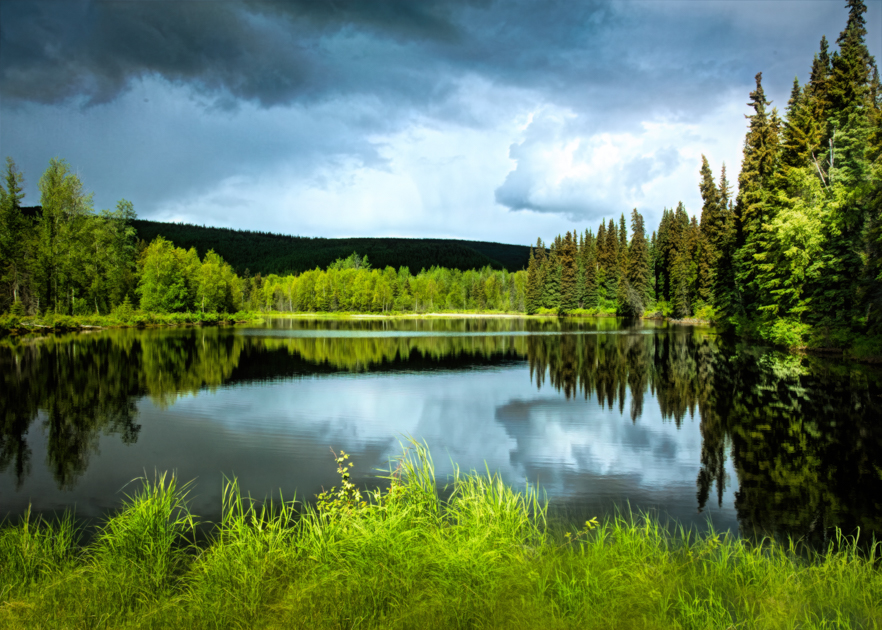
My husband and I came to Alaska looking for adventure and found something even better — perspective. From watching humpback whales breach off the coast of Juneau to standing before the towering walls of Hubbard Glacier, Alaska reminded us what it means to feel small in the best possible way.
This region isn’t just for thrill-seekers; it’s for travelers who crave raw beauty and untamed places. Whether you’re photographing Denali National Park, cruising past the ice fields, or hopping aboard the historic White Pass & Yukon Railroad, Alaska offers a road (or sea route) into a wilder kind of America.
👉 Read next:
- Whale Watching in Alaska – Encounters with Giants
- Ketchikan – The First Stop on the Inside Passage
- White Pass & Yukon Railroad – A Ride Through Gold Rush History
- Denali National Park – Where the Wild Still Reigns
- Fairbanks – Chasing Light at the Top of the World
- Back Roads of Alaska – Exploring Beyond the Highways
- Hubbard Glacier – Ice, Light, and Awe
Planning an Alaska Adventure
When to Go
We visited Alaska in June, when the days seem to last forever. The sun lingers late into the evening, and the light turns golden in a way photographers dream about. Summer is the perfect time to explore — the roads are open, the ferries are running, and wildlife is everywhere.
If you love photography, this season is pure magic. The long, soft light is ideal for capturing reflections, mountain peaks, and wildlife. Just bring layers — mornings can still be brisk even when afternoons warm up.
How We Traveled
Our Alaska trip was a mix of land and sea — a combination that I highly recommend. We started with a cruise through the Inside Passage, sailing past glaciers and small coastal towns like Ketchikan and Skagway. Watching whales surface off the bow and glaciers calving into the sea was unforgettable.
Before the cruise, we added extra days on land and rented a car to explore deeper into Alaska’s interior. Driving gave us the freedom to stop whenever we wanted — whether for a photo of a moose along the highway or a coffee at a roadside lodge. From Fairbanks to Denali National Park, every mile felt like an adventure.
👉 Read next:
- [Whale Watching in Alaska – Encounters with Giants]
- [Ketchikan – The First Stop on the Inside Passage]
- [White Pass & Yukon Railroad – A Ride Through Gold Rush History]
- [Denali National Park – Where the Wild Still Reigns]
- [Fairbanks – Chasing Light at the Top of the World]
- [Back Roads of Alaska – Exploring Beyond the Highways]
- [Hubbard Glacier – Ice, Light, and Awe]
Where to Stay
Alaska offers every kind of lodging — from rustic cabins to waterfront hotels where you can watch seaplanes take off. We mixed a little of everything. In Fairbanks we stayed in a hotel along the Chena River. In Denali, we stayed inside the park to catch the early morning shuttle buses.
If you plan to travel in June or July, book early. Summer fills up fast, especially in smaller towns. Alaska is one of those places where every view feels priceless.
Regional Highlights: Interior vs. Coastal Alaska
The Interior Wilderness
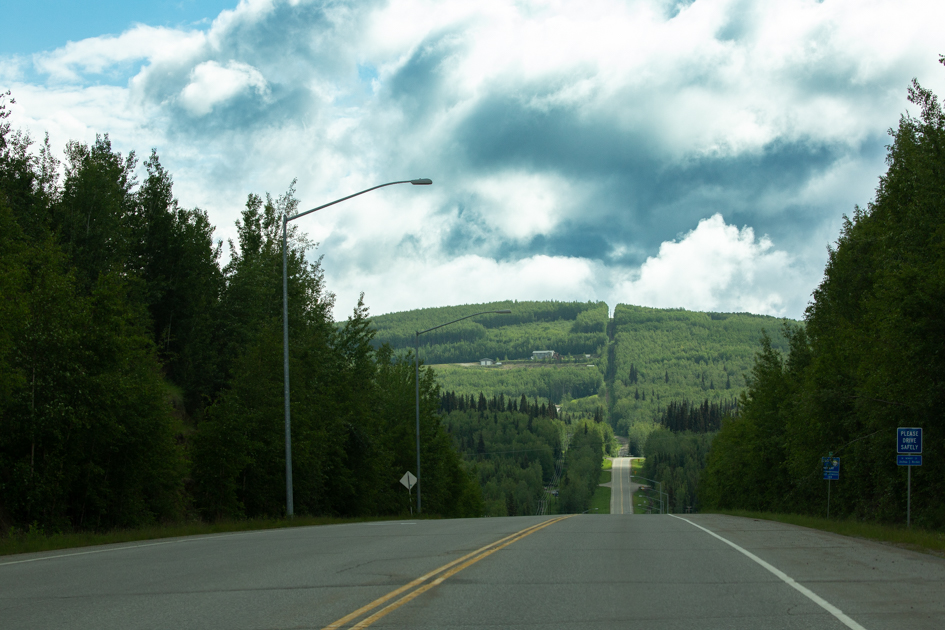
Our Alaska adventure began in the far north, flying into Fairbanks, a town that feels both rugged and welcoming. We rented a car there and hit the road, following long stretches of highway lined with spruce trees and mountain views that went on forever. There’s something freeing about driving in Alaska — the roads are wide, traffic is light, and every mile feels like a story unfolding.
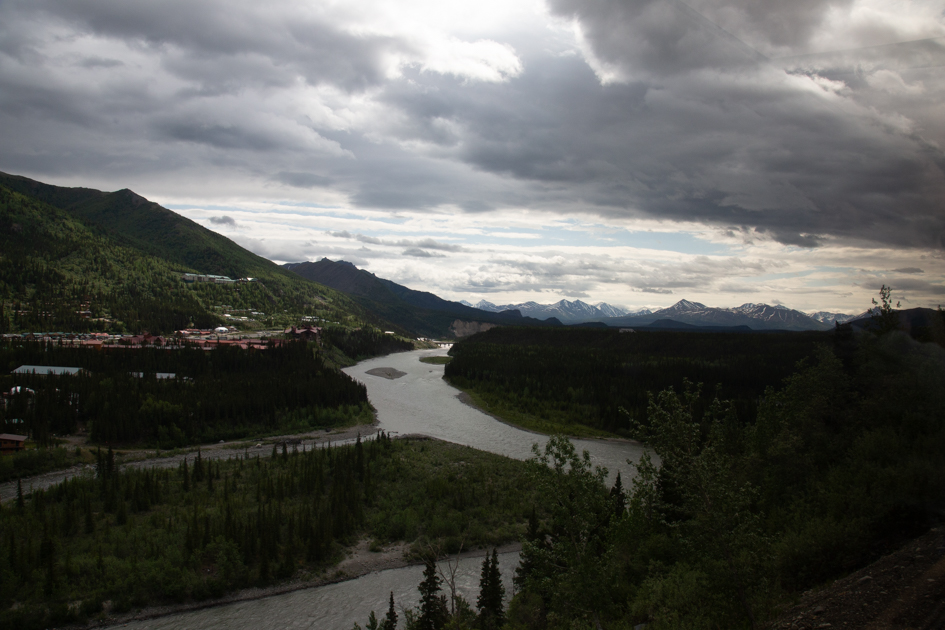
From Fairbanks, we boarded the train to Denali National Park, and honestly, it’s one of the most scenic rides in North America. The glass-domed railcars let you soak in every view — rivers, tundra, snow-capped peaks, and maybe even a moose or bear in the distance. By the time we reached Denali, it already felt like we had stepped deep into the heart of Alaska.
Denali is a place that redefines “vast.” The mountains rise higher, the wildlife roams freer, and the scale is impossible to describe. We spent our days exploring the park, watching caribou graze in open fields, and photographing long views under soft northern light.
👉 Read next:
- [Denali National Park – Where the Wild Still Reigns]
- [Fairbanks – Chasing Light at the Top of the World]
- [Back Roads of Alaska – Exploring Beyond the Highways]
The Coastal Frontier
From Denali, our journey continued south to Seward, where we boarded our Royal Caribbean ship for the coastal part of our land-and-sea adventure. Several cruise lines travel this route, but no matter which one you choose, the experience is unforgettable. The transition from mountains to ocean feels almost cinematic — one minute you’re surrounded by peaks, and the next you’re gliding past tidewater glaciers.
The Inside Passage revealed a completely different side of Alaska. Coastal towns like Ketchikan and Skagway balance charm and history, with colorful waterfronts, salmon streams, and reminders of the old Gold Rush days. Hubbard Glacier was a showstopper — a wall of blue ice that cracked and groaned like thunder as it met the sea.
Each port brought something new: misty forests, fresh salmon dinners, and whales surfacing alongside the ship. Even after days on the water, I never got tired of standing on deck with my camera, waiting for that perfect moment when light and landscape came together.
👉 Read next:
- [Whale Watching in Alaska – Encounters with Giants]
- [Ketchikan – The First Stop on the Inside Passage]
- [White Pass & Yukon Railroad – A Ride Through Gold Rush History]
- [Hubbard Glacier – Ice, Light, and Awe]
Top Experiences & Must-See Stops in Alaska
Fairbanks – Chasing Light at the Top of the World
We started our trip in Fairbanks, a city that sits just below the Arctic Circle but still feels surprisingly warm — mostly thanks to the people. In June, the sun barely sets, and that endless light gives everything a golden glow. We wandered the riverfront, talked with locals, and took far too many photos at 10 p.m. because the light was still perfect.
Fairbanks is also a gateway to Alaska’s wilder side. From here, you can drive toward Denali National Park or even head farther north along the Dalton Highway. For us, it was the perfect place to slow down, adjust to the time change, and start soaking in Alaska’s rhythm.
👉 Read next: [Fairbanks – Chasing Light at the Top of the World]
Gold Dredge 8 – Echoes of Alaska’s Gold Rush
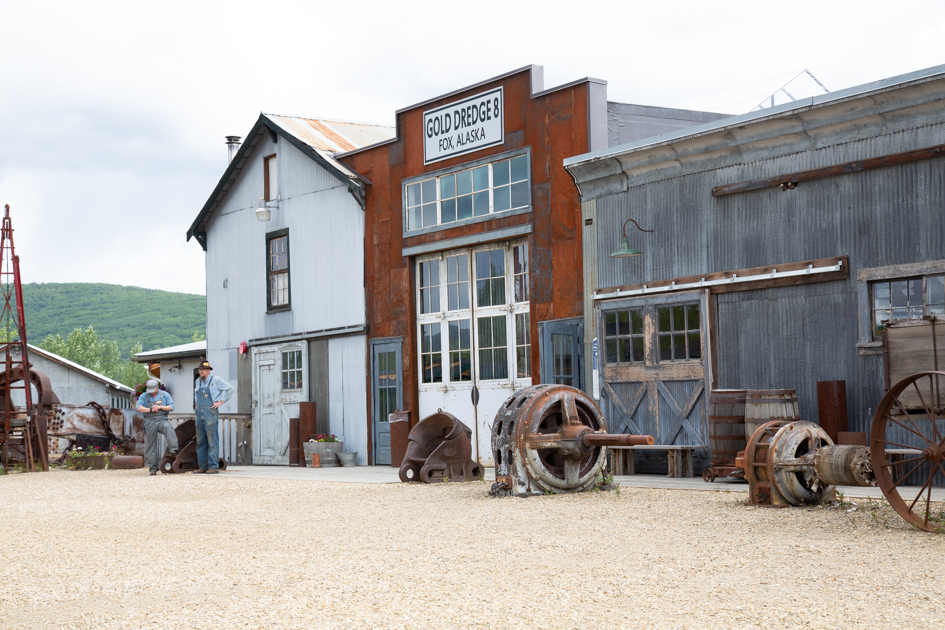
Just outside Fairbanks, we visited Gold Dredge 8, a fascinating piece of Alaska’s mining history. This massive machine once clawed its way through the earth in search of gold, and today it stands as both a monument and a hands-on experience. We took the short train ride out to the site, listened to stories from guides who grew up around the mines, and even tried our hand at panning for gold — and yes, we actually found a few flakes!
The site blends history with fun, making it easy to imagine the grit and determination it took to chase gold in the early 1900s. Between the giant dredge, the permafrost tunnel display, and the chance to hold your own “strike,” it’s one of those stops that turns a history lesson into a memory.
The Trans-Alaska Pipeline – Engineering in the Wild
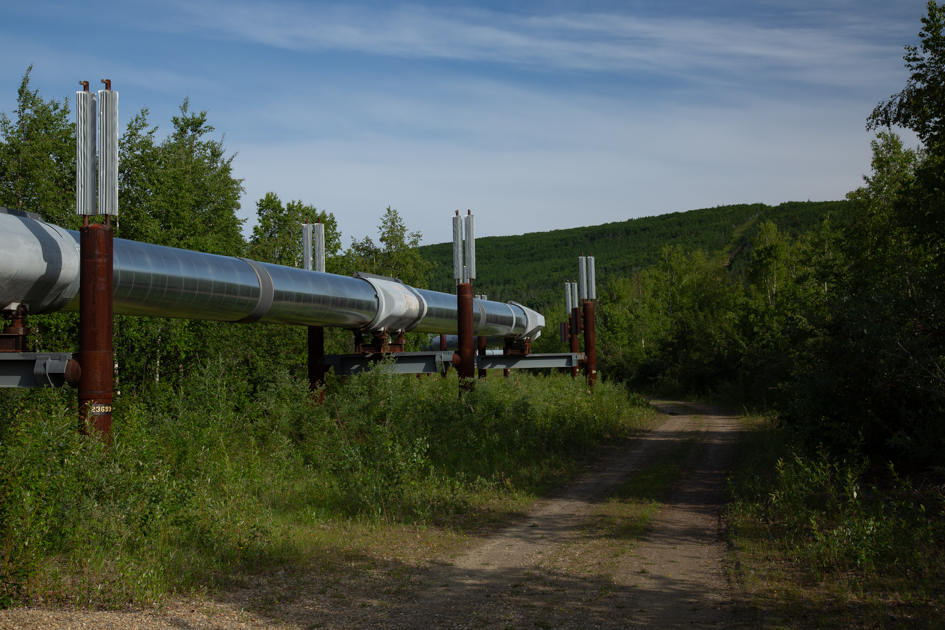
Just north of Fairbanks sits one of Alaska’s most impressive landmarks — the Trans-Alaska Pipeline. Stretching over 800 miles from Prudhoe Bay on the Arctic Ocean all the way to Valdez, it’s a feat of engineering that crosses mountains, rivers, and permafrost.
We stopped at the pipeline viewing area just outside of town, where you can stand right beside the massive structure and learn how it was built to survive Alaska’s extreme conditions. Seeing it up close gives you a real sense of scale — the pipes rise above the tundra like a silver ribbon, supported by adjustable braces designed to handle shifting ground and temperature swings.
What I loved most was how this stop blends human ingenuity with the untamed wilderness around it. You can literally hear the wind in the trees and see the pipeline disappearing into the horizon — a reminder that even here, nature always has the upper hand.
👉 Read next: [Back Roads of Alaska – Exploring Beyond the Highways]
Denali National Park – Where the Wild Still Reigns
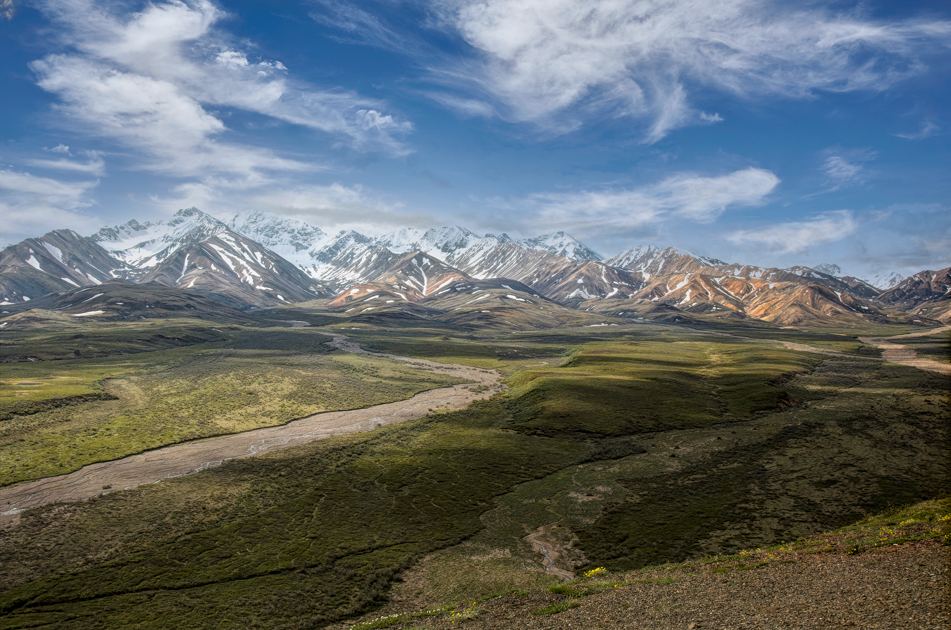
The train ride from Fairbanks to Denali is a bucket-list experience all on its own. Watching the landscape unfold through the glass-domed railcars feels like entering a living postcard. Once we arrived, Denali took our breath away. The scale is impossible to describe — endless tundra, towering peaks, and wildlife that actually owns the place.
We joined one of the early-morning park shuttles and spotted caribou, moose, and even a distant bear wandering across the hills. Photographers could spend weeks here and still not capture it all. The key is to slow down, take the back roads, and let the landscape set the pace.
👉 Read next: [Denali National Park – Where the Wild Still Reigns]
The White Pass & Yukon Railroad – A Ride Through History
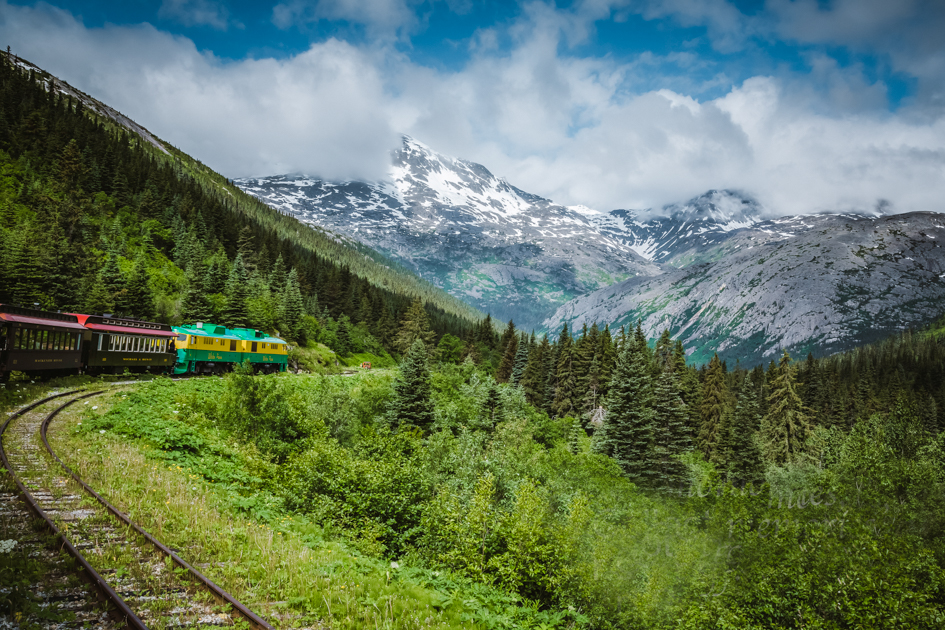
In Skagway, we traded ships for a vintage train. The White Pass & Yukon Railroad climbs high into the mountains along the same route prospectors once followed during the Gold Rush. The wooden bridges, steep grades, and sweeping valley views make it one of the most scenic rides in North America.
If you love history and photography, this is a can’t-miss experience. The train feels like a step back in time — complete with creaking wood, open-air platforms, and endless photo ops around every curve.
👉 Read next: [White Pass & Yukon Railroad – A Ride Through Gold Rush History]
Ketchikan – The First Stop on the Inside Passage
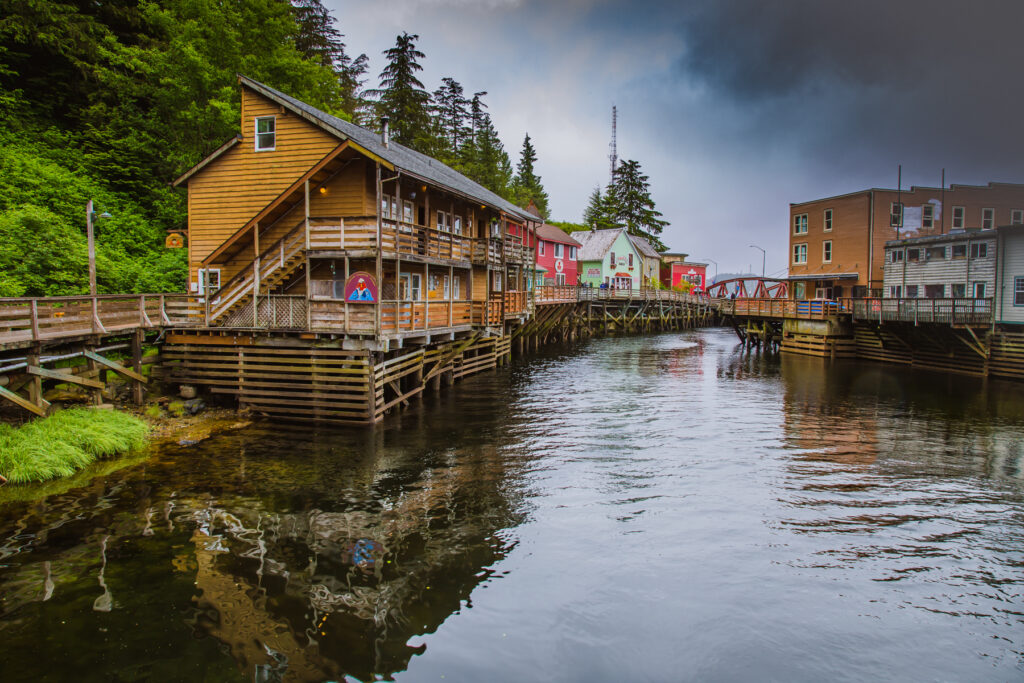
Ketchikan was our first port of call and instantly became one of my favorite stops. Colorful buildings line the waterfront, salmon jump in the creeks, and totem poles tell stories older than the town itself. We spent the morning wandering Creek Street, camera in hand, soaking up the mist and the reflections on the water.
The slower pace here makes it easy to connect with local culture — from artists carving totem poles to fishermen sharing stories at the docks.
👉 Read next: [Ketchikan – The First Stop on the Inside Passage]
Whale Watching – Encounters with Giants
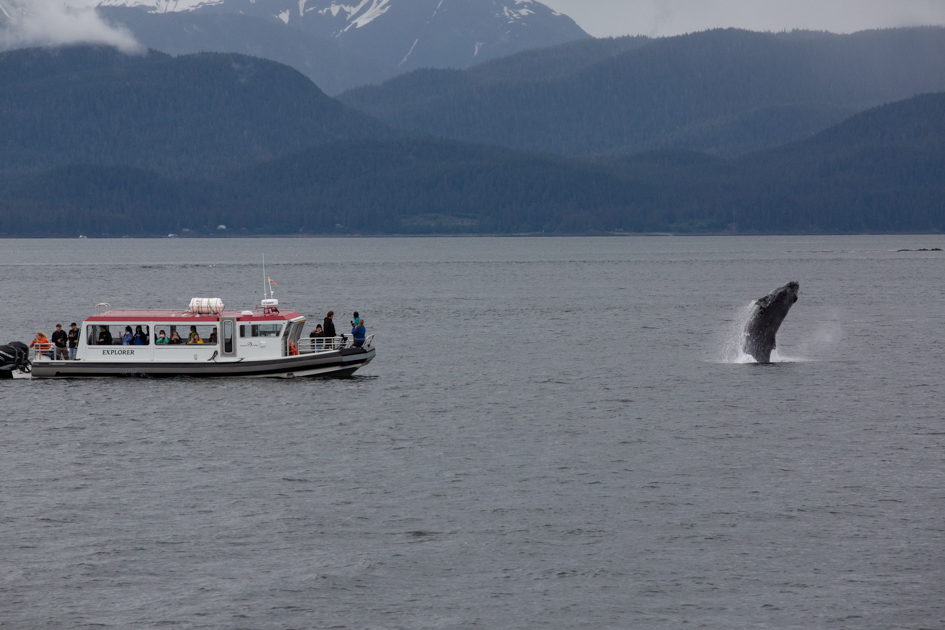
Few things compare to seeing whales in Alaska. Whether it’s humpbacks breaching off Juneau or orcas gliding through the Inside Passage, these moments stop you in your tracks. On our cruise, we spent entire afternoons watching the ocean, waiting for the telltale spray of water.
When it finally happened, it felt like pure magic — that sudden rise of dark blue against a blue-green sea. For photographers, it’s a challenge and a thrill rolled into one.
👉 Read next: [Whale Watching in Alaska – Encounters with Giants]
Hubbard Glacier – Ice, Light, and Awe
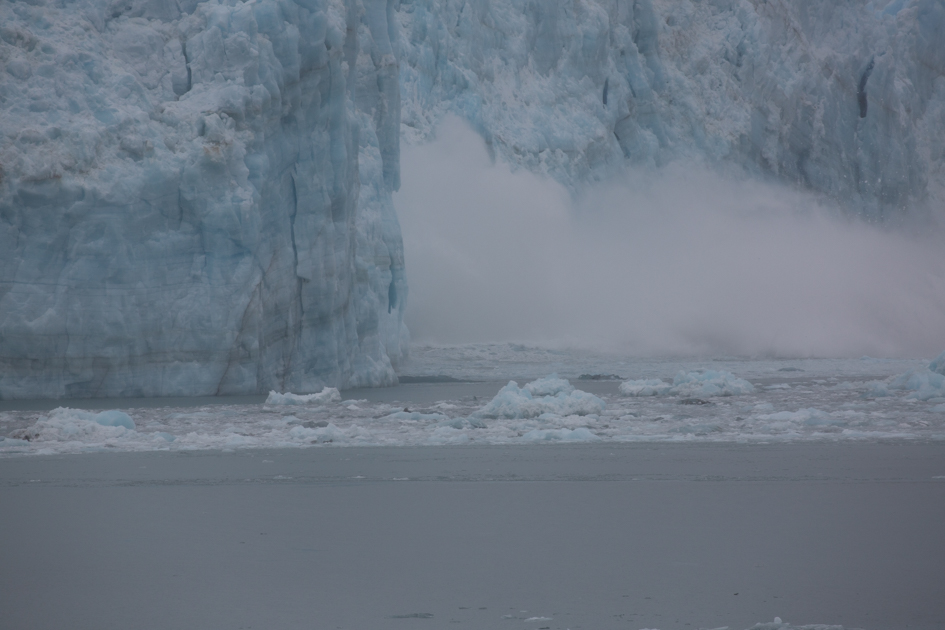
The Hubbard Glacier is one of those sights that leaves you speechless. It’s massive — more than six miles wide — and when a chunk of ice calves into the water, the sound echoes like thunder. We stood on deck for hours, mesmerized by the changing colors of the ice.
If you can, watch it in silence. You’ll hear the glacier creak and shift like it’s alive. It’s one of those moments that reminds you just how wild Alaska still is.
👉 Read next: [Hubbard Glacier – Ice, Light, and Awe]
Back Roads of Alaska – Beyond the Highways
Away from the main cruise routes, Alaska’s back roads tell their own story. These quiet stretches connect small towns, forgotten roadhouses, and scenic overlooks that never make it into the brochures. Renting a car gave us the freedom to explore them — to stop whenever we saw something worth photographing (which, in Alaska, is pretty much everywhere).
If you want to feel the real Alaska — the one locals know — take the detours. They’re where the stories live.
👉 Read next: [Back Roads of Alaska – Exploring Beyond the Highways]
Travel Photography in Alaska
Capturing the Light That Never Ends
Alaska in June is a dream for photographers. The light lingers long past bedtime, stretching golden hours into what feels like golden evenings. I remember standing on a quiet overlook near Fairbanks at 11 p.m., camera in hand, watching the sky glow soft pink over the mountains.
That endless daylight gives you time to slow down and wait for the moment — the kind of patience landscape photography rewards. Whether it’s the warm light on a glacier, mist hanging over a fishing village, or a moose stepping through the brush, Alaska teaches you to look a little longer. You can see the lenses I use on my Fuji System in my post on the Best Travel Lenses for Fuji X-T5.
Wildlife on Their Terms
Photographing wildlife here isn’t about chasing the perfect shot; it’s about being ready when it happens. Moose, bears, eagles, whales — they all remind you that you’re the visitor. Most of my favorite images came from quiet observation, not rushing.
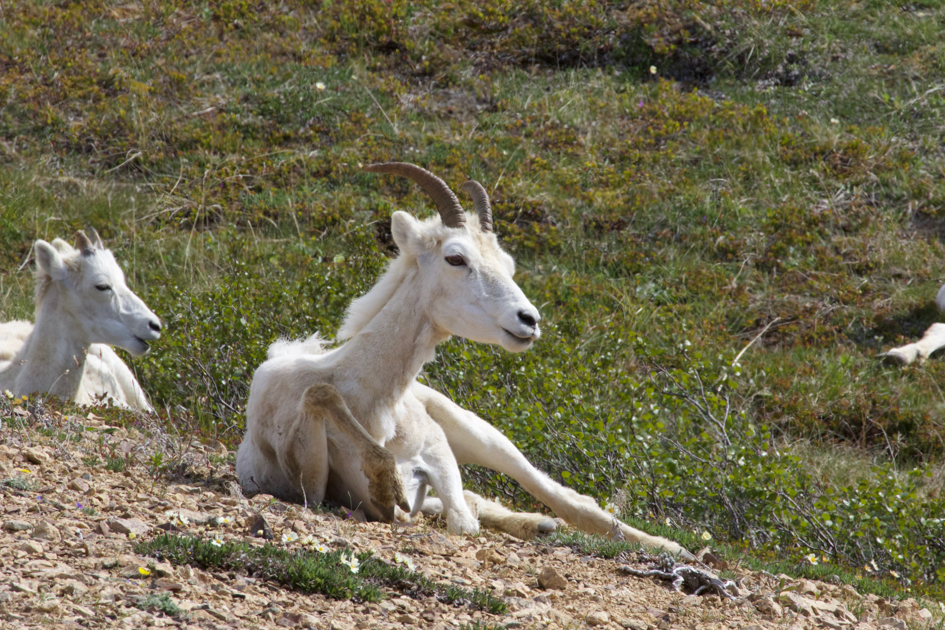
I kept my Fujifilm X-T5 ready with the 70-300mm lens and 1.4x teleconverter for reach, while my Leica Q3 captured the broader landscapes and details. Between the two, I could switch from a breaching whale to a wide glacier scene in seconds.
If you’re bringing a camera, plan for variety: a zoom for wildlife, a wide-angle for mountains and ice, and plenty of batteries — the cold can drain them faster than you’d expect.
👉 Related: Mastering Travel Photography – Tips & Tutorials
Finding the Story in Each Scene
In a place as vast as Alaska, it’s easy to feel small behind the camera — and that’s kind of the point. The scale, the light, the solitude — it all becomes part of the story. My favorite images weren’t the grand vistas; they were the quiet details. The reflection of Denali in a still pond. The curve of a fishing boat line in Ketchikan’s harbor. The soft blue of Hubbard Glacier just before it cracked and thundered.
Photography here isn’t just about what you see; it’s about what you feel. And when you bring that home — whether in prints or memories — you realize that Alaska changes how you look at every landscape that comes after.
Practical Tips & Planning Resources
Book Early, Especially for Summer
If you’re planning to visit Alaska in June or July, start booking months ahead. Lodges near Denali National Park, cabins in Seward, and cruises through the Inside Passage fill up quickly. We used Hilton points for part of our stay, which helped stretch the budget — but even the simplest places book fast once the season starts.
Packing for Every Season in a Day
Alaska weather changes fast. You can wake up in sunshine and end your day in fog and drizzle — all without leaving town. I packed light but layered often: fleece jackets, a waterproof shell, and quick-dry hiking pants were essentials. Even in June, we used gloves and hats in the mornings.
Comfortable waterproof shoes are worth their weight in gold — especially if you plan to explore on foot in places like Ketchikan or Denali. And don’t forget insect repellent; Alaska’s mosquitoes have a reputation for a reason.
Transportation Made Simple
Our land and sea itinerary made traveling easy. We flew into Fairbanks, rented a car for flexibility, and later took the train to Denali — one of the most scenic rides in North America. From there, we traveled to Seward, where our Royal Caribbean ship waited to begin the cruise south through the Inside Passage.
That combination — land first, sea second — worked perfectly. It gave us time to explore inland before relaxing on the cruise. Other cruise lines, like Princess and Holland America, offer similar options if you want to customize your route.
Camera Gear & Photography Prep
Alaska’s scenery can overwhelm even the most prepared photographer, so a little planning helps. I packed both my Leica Q3 for landscapes and my Fujifilm X-T5 with the 70–300mm lens for wildlife. A polarizing filter helped control glare from water and ice, and extra memory cards were a must.
If you shoot RAW+JPEG, bring enough storage — you’ll take more photos than you expect. And when photographing glaciers or whale activity, shoot in bursts. Those once-in-a-lifetime moments happen fast.
👉 Related: Building Your Travel Photography Kit | [Travel Photography Tips for Beginners]
Stay Present
It’s easy to get caught up trying to capture everything, but remember to step back now and then. Watch the glacier calve. Listen to the train rumble through the mountains. Let the midnight sun remind you that travel isn’t about how much you see — it’s about how deeply you experience it.
Reflections on Alaska: The Call of the Wild
Alaska isn’t the kind of place you simply check off a list. It stays with you — in the stillness of a glacier bay, the glow of the midnight sun, and the way time seems to slow down until all that matters is the moment in front of you.
For us, this trip was a reminder of why we travel in the first place — to see the world’s edges, to meet the people who call those places home, and to capture the stories nature writes in light and color. From Fairbanks to Denali, from Seward to Hubbard Glacier, Alaska felt both untamed and deeply grounding.
Whether you arrive by ship, by plane, or along those endless back roads, you’ll leave changed. Alaska teaches you to look closer, breathe slower, and remember that adventure doesn’t always mean moving fast — sometimes it’s simply standing still and watching the light shift over the mountains.
For more inspiration beyond this region, see my main guide to Scenic Drives and Road Trips Across America.
Continue Your Journey
If you loved exploring Alaska’s wild beauty, you might also enjoy these regional guides:
- Northwest Region Travel Guide – Mountains, forests, and wild coastlines.
- [Southwest Region Travel Guide] — Red rock canyons, desert highways, and timeless light.
- Midwest Region Travel Guide – Rolling prairies and friendly small towns.
- Northeast Region Travel Guide – Covered bridges and coastal charm.
- Appalachian Region Travel Guide – Misty mountains and scenic byways.
- Southeast Region Travel Guide – Spanish moss, historic towns, and coastal gems.
- Hawaii Travel Guide – Island beauty and volcanic wonder.
For photography inspiration:
👉 Mastering Travel Photography – Tips & Tutorials
👉 Building Your Travel Photography Kit
👉 Finding the Wild Close to Home
Stay Connected
If you’d like more behind-the-scenes stories, photo tips, and upcoming travel guides, join my Back Roads Lens Newsletter.