Introduction: More Than Just a Pretty Picture
There’s a moment that happens every time I look through the viewfinder — a quiet pause where I ask myself, what am I really trying to say? That’s storytelling.
Travel photography isn’t just about capturing what something looks like; it’s about capturing what it feels like. The way the wind brushed your hair at the edge of a cliff. The hum of a roadside diner as rain tapped the windows. The stillness before the light broke over the canyon. That’s where the story begins. If you’re looking to balance photography with travel itself, see Travel and Photography Tips: Balancing the Journey.
Storytelling in photography is the art of going beyond the postcard. It’s not just the image; it’s the emotion, the sense of place, the connection to a moment. The best travel photos invite people into your journey — they let someone else feelwhat you felt. Every story starts with a destination that means something to you — and often, those places are the ones far from the crowds. See How I Find Off-The-Beaten-Path Destinations.
And the good news? You don’t need an exotic destination or a once-in-a-lifetime scene to tell a story. You just need awareness, intention, and the courage to look a little deeper. If you love pairing photography with open-road adventure, my cornerstone post on Scenic Drives and Road Trips Across America gathers some of my favorite routes to explore.
(Related reads: Mastering the Art of Composition on the Road, Understanding Light in Landscape Photography, and The Art of Patience in Wildlife Photography.)
What Makes a Photograph Tell a Story – What is Storytelling On the Road?
A story-driven photograph does something more than make someone say wow. It makes them wonder. Who lives there? What happened just before this moment? What’s about to happen next? That curiosity — that sense of connection — is the heartbeat of storytelling in photography.
A technically perfect image can be beautiful, but perfection alone rarely tells a story. The story comes from emotion, from context, from the little imperfections that make a moment real. When someone looks at your photo and feels like they’ve stepped into your shoes for a second, you’ve done your job. The stories we take home from a trip often depend on how we experience it in the first place.
Emotion and Mood
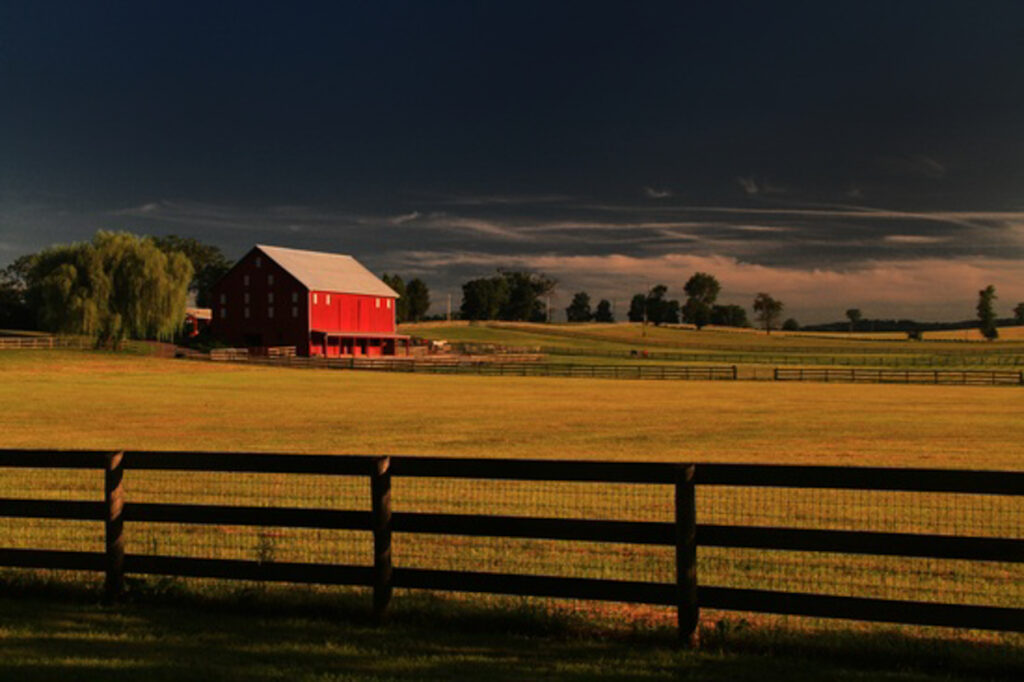
Every story starts with emotion. Before pressing the shutter, ask yourself what you want someone to feel. Calm? Awe? Nostalgia? Your composition, light, and timing all work together to express that mood.
Soft morning light and mist might whisper peace. Harsh side light across a red canyon wall might shout drama. (If you want to dive deeper into how light changes the tone of your photo, check out Understanding Light in Landscape Photography.)
Context and Connection
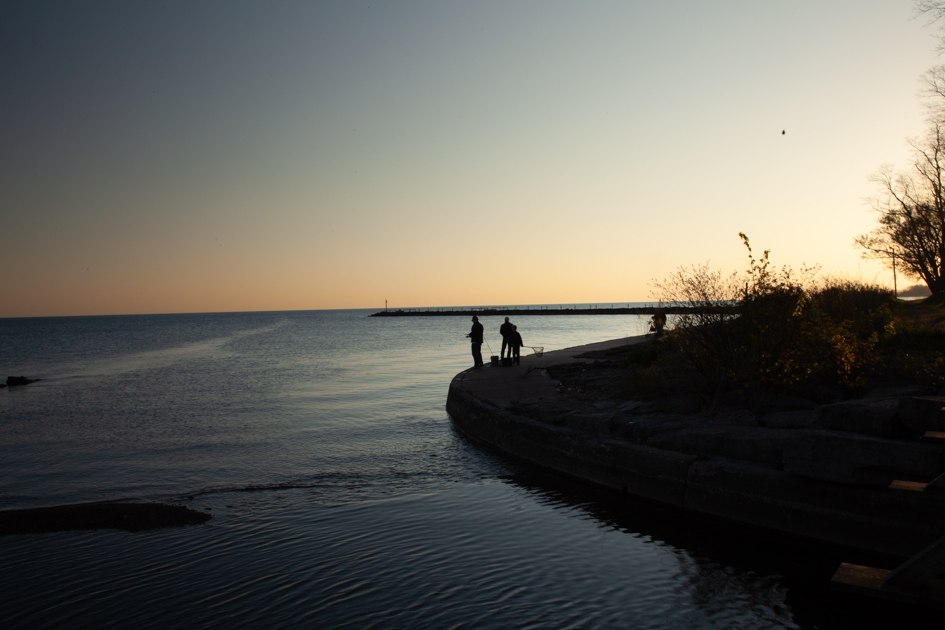
Context gives your story roots. It’s what turns a pretty mountain into the mountain you hiked for hours to reach before sunrise. A single frame can suggest a larger narrative if you include small details — a winding road leading away, a weathered sign, a parked car covered in dust. Those visual clues let your viewer imagine the rest.
(You can see this idea at work in Mastering the Art of Composition on the Road, where leading lines and framing guide the viewer into your story.)
Details that Anchor the Scene
The small things often carry the most weight. The reflection in a puddle. The light spilling through a café window. The single bird cutting across a stormy sky. Details ground your story in reality — they make your image feel lived-in, not staged.
Sequence and Flow
Sometimes one photo tells the whole story. Other times, it takes a series — a quiet buildup of moments that connect together like chapters. Think about how your shots fit together. Maybe it’s the road you drove, the locals you met, or the changing light over a landscape. When viewed in order, your images can form a journey all on their own.
(For tips on building cohesive series, you might enjoy Travel Photography for Beginners, especially the part on shooting with intention.)
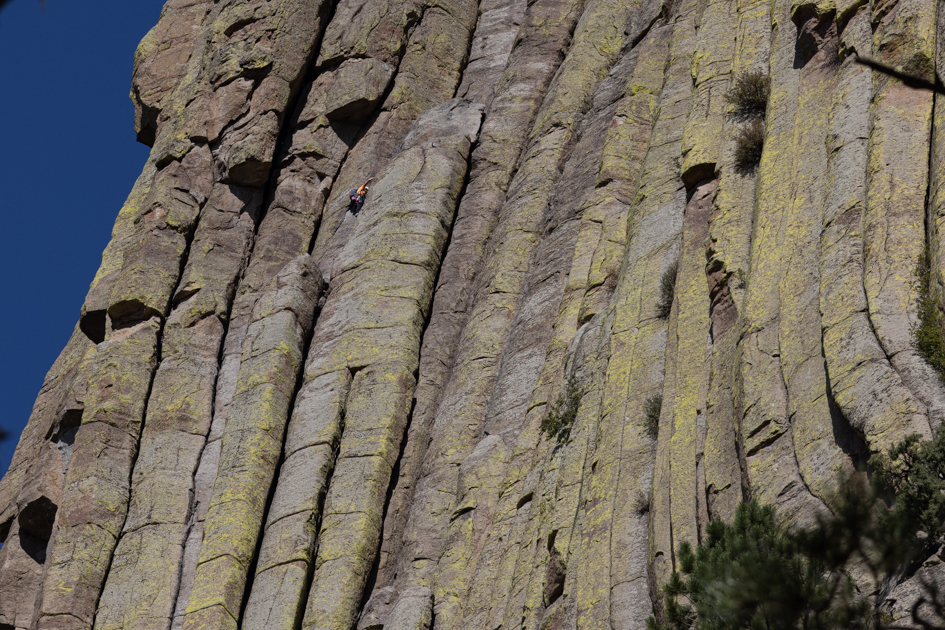
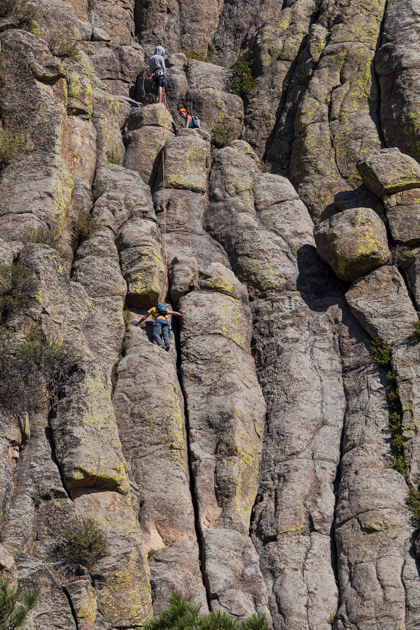
The first picture shows a lone rock climber as a speck of orange. The second picture shows three rock climbers. Together they paint the entire story.
Finding the Story Before You Press the Shutter
Every photograph begins long before the shutter clicks. It starts when something catches your eye — a flash of light, a quiet moment, a detail that makes you pause. The trick is learning to notice those moments before they slip past.
When I’m on the road, I try not to rush from one “must-see” spot to the next. The stories I love most rarely appear on a checklist. They show up in the in-between spaces — the roadside diner where the waitress calls everyone “hon,” or the old gas pump rusting beside a forgotten barn. The camera doesn’t find those stories; you do, by slowing down enough to see them.
Look for Emotion, Not Just Scenes
Ask yourself what draws you to a place. Is it the way the light falls, or the mood it creates? Are you feeling peace, excitement, or nostalgia? Those emotions are your compass. Let them guide what you photograph.
If the scene makes you feel something, chances are it will make someone else feel it too. (Related post: Understanding Light in Landscape Photography, where I talk about how light can change the entire emotional tone of a photo.)
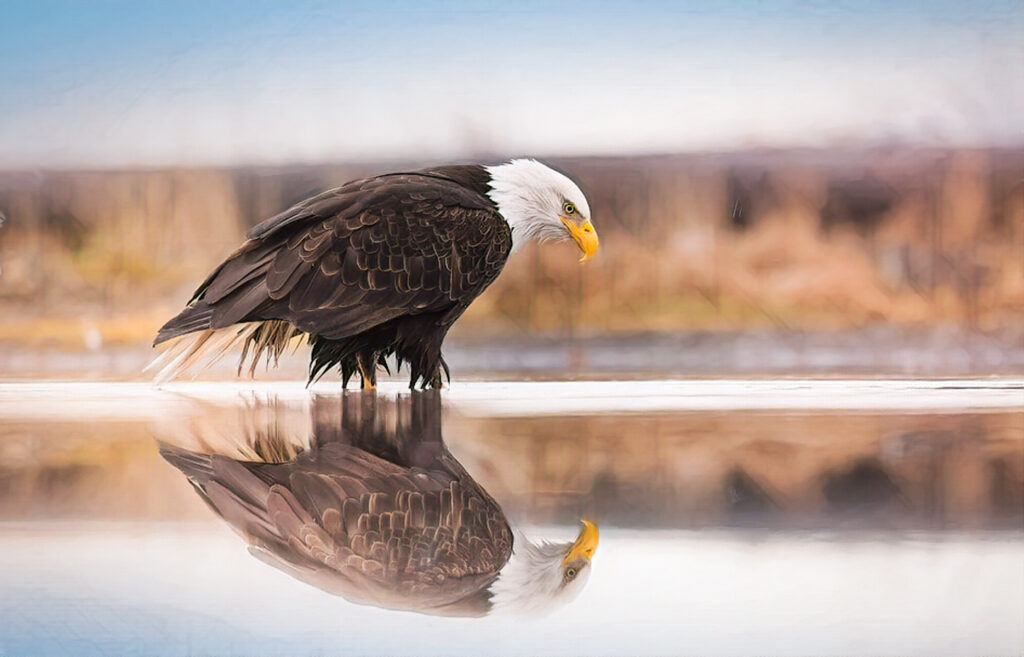
Observe Before You Shoot
One of the best lessons I’ve learned is to put the camera down — at least for a minute. Watch how people move through the space. Notice the rhythm of the light. See how the clouds shift or how the waves break in patterns. Observation builds anticipation, and anticipation leads to storytelling.
When you finally raise the camera, you’re not reacting — you’re responding. You’ve already seen how the moment unfolds, and you’re ready to capture the heartbeat of it.
Ask the “Why” Behind the Photo
Before pressing the shutter, ask yourself: Why this moment? Why now?
Sometimes the “why” is simple — maybe the color or texture caught your attention. Other times, it’s more personal — a scene that reminds you of childhood summers or a fleeting glimpse of solitude on a busy trip. Knowing your “why” helps you create photos that feel intentional, not accidental.
Stay Open to Surprise
Even the best-planned day on the road can change with one unexpected turn. Maybe a sudden storm rolls in, or you meet someone whose story changes yours. Some of my favorite photos happened because I stopped chasing the plan and followed curiosity instead. That’s where storytelling lives — in the moments that surprise you.
(For more on embracing spontaneity, check out The Art of Patience in Wildlife Photography — patience isn’t just for animals; it’s for travelers too.)
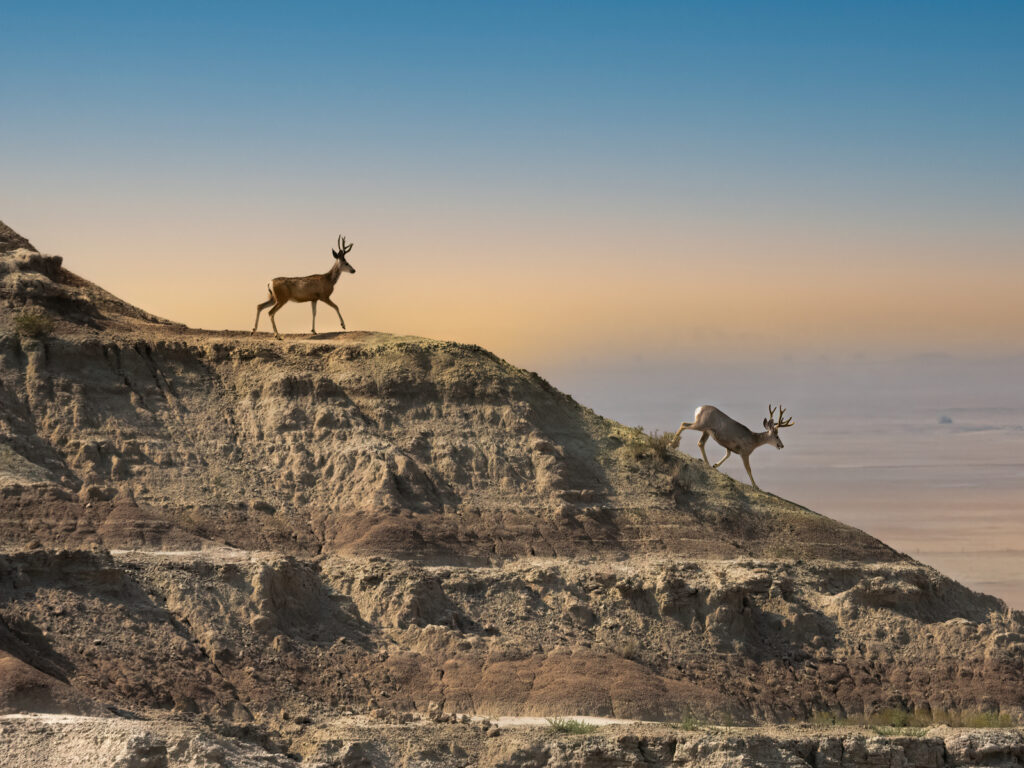
Building a Narrative Series
Some stories can be told in a single frame — that perfect moment when everything aligns. But other stories unfold slowly, piece by piece. They live in the spaces between photos — in the rhythm, pacing, and emotional flow of your journey. That’s where a narrative series shines.
A photo series lets your viewer travel with you. It’s not just where you went, but how it felt to be there. The morning mist. The winding road. The small town where you stopped for coffee. The light fading at the end of the day. Together, those images create a visual journal — a story that feels alive and honest.
Think in Chapters
When you’re shooting, imagine your trip as a book. Every stop or moment is a chapter, and each photograph contributes a piece of the story. You might start with wide shots to establish a sense of place, then move closer — to the details, faces, or textures that make that place unique.
(If you’ve read Mastering the Art of Composition on the Road, this is where those techniques of framing and perspective become your storytelling tools.)
Begin, Build, and Resolve
A great series has structure — a beginning, middle, and end.
- The beginning sets the scene: where you are and what drew you there.
- The middle reveals the experience: the details, emotions, and discoveries along the way.
- The ending offers closure — sometimes it’s a sunset, sometimes it’s the rearview mirror.
Even if your story doesn’t follow a literal timeline, this narrative rhythm helps your viewer feel the journey.
Vary the Perspective
A strong series balances wide landscapes, medium shots, and close-up details. Think of it like a film sequence — the establishing shot, the context, then the emotional close-up. Too many similar compositions can flatten your story. Variety keeps it moving and keeps your audience engaged. I cover this more in my post Finding Creativity in the Everyday.
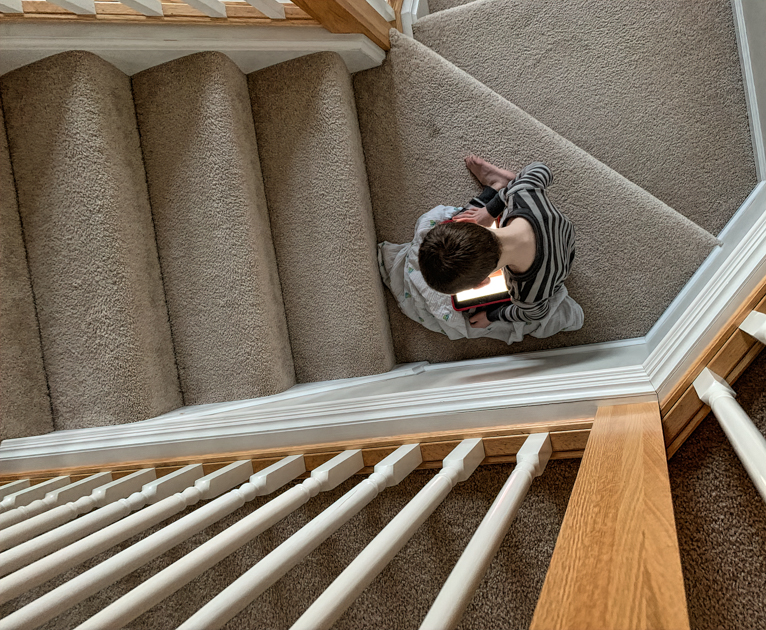
Use Light as a Storytelling Arc
Light can tie a series together as much as subject matter does. Early morning softness feels hopeful; midday light feels energetic; evening shadows feel reflective. Capturing these changes over time gives your narrative an emotional arc.
(You’ll find more on this in Understanding Light in Landscape Photography.)
Edit for Flow, Not Just Favorites
When you return home and start sorting through images, remember: the strongest series isn’t made of your prettiest shots — it’s made of your most connected ones. Choose images that move the story forward, even if they’re imperfect. A slightly blurred photo with soul can speak louder than a technically perfect one without context.
Turning Personal Experience into a Universal Story
The most powerful travel photos — and stories — come from personal moments. But the magic happens when those personal moments resonate with someone else. When a viewer who’s never been to that place still feels like they have.
That’s the sweet spot of storytelling on the road: making the personal feel universal.
Start with Authentic Emotion
If you’re feeling something real — wonder, awe, peace, even frustration — that emotion will show up in your photos. It’s what makes an image believable. You don’t need to chase the perfect scene or dramatic light; you just need to be honest about what drew you in.
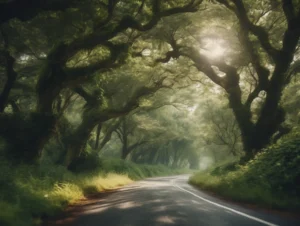
A foggy morning on a lonely road can speak to solitude. A bustling street market can capture human connection. A shot of rain on a windshield can say as much about adventure as a mountain vista.
(This ties back beautifully with Travel Photography for Beginners, where I talk about letting emotion guide your shooting rather than perfection.)
Leave Space for the Viewer
When every detail is spelled out, there’s no room for imagination. Let your viewers finish the story for themselves. Suggest emotion, don’t dictate it.
A photo of a lone chair on a porch doesn’t tell us who sat there — but it invites us to wonder. That’s where connection happens. Your job as the storyteller is to leave enough mystery for your audience to step inside.
Focus on Shared Human Moments
The more specific your experience, the more universal it can become. That sounds backwards, but it’s true. A single image of an old man fixing his fishing net in Kauai, or a diner waitress laughing as she wipes the counter in Wyoming — those small, real moments are the ones that stick.
Because whether we’re travelers or locals, we all recognize emotion: pride, fatigue, joy, longing. That’s what makes your story relatable. You can capture authentic local scenes and storytelling in local eateries like Keneke’s Grill. (For another layer of this kind of storytelling, see The Art of Patience in Wildlife Photography — where waiting isn’t just about animals, but about learning to see the quiet stories happening all around you.)
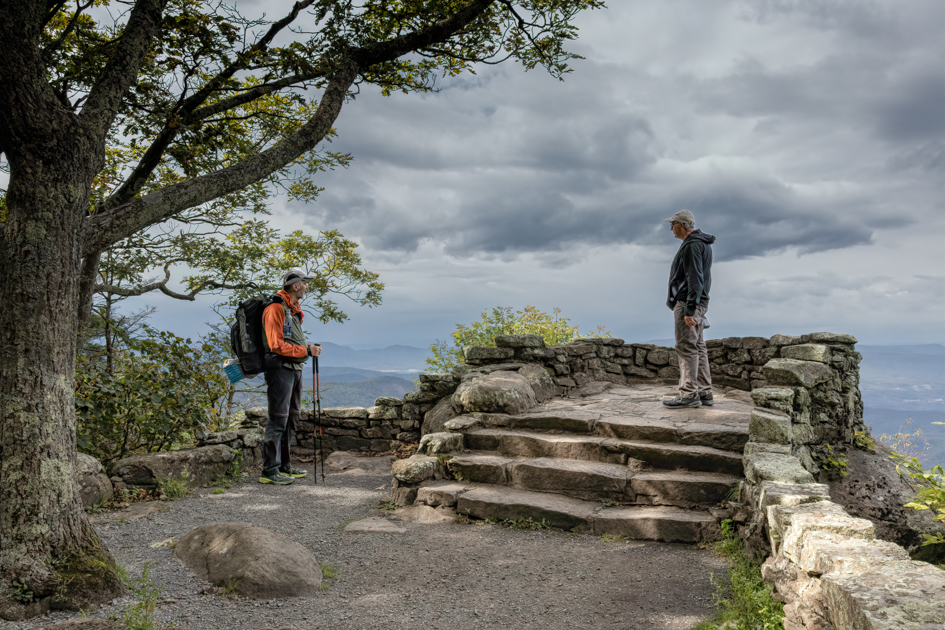
Let the Words and Images Work Together
Sometimes the story lives in the pairing of image and caption. A thoughtful line of text — a simple sentence that adds context or emotion — can turn a photograph into a story people remember. It’s why travel blogs and photo essays work so well together. The words give the photo a heartbeat.
I’ve found that when I share both the image and a bit of the moment behind it — the smell of the rain, the sound of the wind, or what I was thinking when I took it — readers connect not just with the photo, but with the feeling. That’s storytelling.
Practical Techniques for Visual Storytelling
Storytelling through photography isn’t just about what you see — it’s about how you show it. A few thoughtful choices in composition, light, and perspective can transform an ordinary scene into a story someone feels.
Here are some techniques I lean on when I want a photo to speak without saying a word.
Use Composition to Lead the Eye
Think of composition as your way of whispering, look here first.
Leading lines, framing, and balance all guide the viewer’s attention. A winding road can lead the eye into a scene and pull someone deeper into the story. A frame within a frame — a window, doorway, or archway — can make your viewer feel like they’re peeking into a moment.
(See Mastering the Art of Composition on the Road for a deeper look at techniques like these and how to adapt them while traveling.)

Play With Perspective
Perspective changes everything. Crouch low, climb higher, move to the side — every shift tells a different version of the same story. A shot from eye level may feel documentary, while a low angle can give the subject power or presence.
Sometimes the most memorable photos come from simply changing your viewpoint by a few feet. Don’t be afraid to move and experiment.
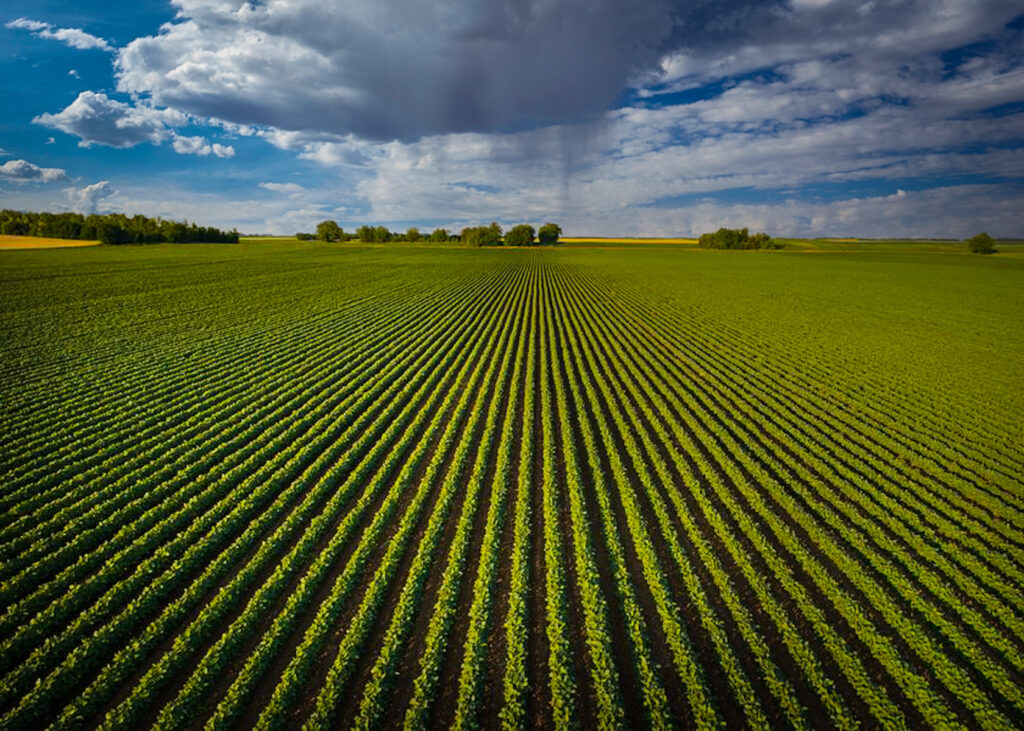
Let Light Drive the Mood
Light is one of the most powerful storytelling tools you have. Soft dawn light says something different than the sharp contrast of midday or the warm glow of golden hour.
If you understand what emotion each kind of light creates, you can use it intentionally to support your story.
(For more on this, check out Understanding Light in Landscape Photography — it’s all about learning to see light as part of your narrative.)
Capture Gesture and Movement
In travel photography, gesture isn’t just about people. It can be the bend of a tree in the wind, waves crashing against rocks, or laundry swaying on a line. Gesture adds life — it’s what turns a still image into a moment that feels alive.
Wait for that perfect gesture: the turning head, the lifted hand, the bird just taking off. Those small moments say more than words.
Include Imperfection
Real stories have rough edges. Don’t delete every photo with a little motion blur, uneven lighting, or unexpected subject. Sometimes those “flaws” are exactly what makes an image human and honest.
A bit of imperfection reminds your viewer that this was a real moment — not a staged one. (You’ll see this philosophy echoed in Shooting RAW + JPEG on the Road, where flexibility helps preserve authenticity.)
Sequence With Intention
When editing your photos, think of them like sentences in a story. Which one introduces the place? Look next for the one which builds tension or shows change. Which one offers resolution or reflection?
A thoughtful sequence creates rhythm — it lets your viewer feel like they’ve traveled with you, even if they’ve never been there.
Bringing It All Together: Telling Your Own Story on the Road
In the end, storytelling on the road isn’t about chasing the perfect shot — it’s about paying attention. It’s the quiet act of noticing: the way the light shifts over a mountain ridge, the laughter echoing from a roadside diner, the moment between the moments. Those are the things that give your photographs heart.
Your story is already unfolding every time you travel — in the detours, the weather changes, the people you meet, and the way you see the world. The camera just helps you translate it.
Don’t worry about whether your story looks like anyone else’s. The beauty of travel photography is that it’s deeply personal. Ten people can stand in the same spot and take ten different photos — and every one of them can be true. What matters is that yours feels like you.
So slow down. Breathe it in. Let your camera follow your curiosity, not your checklist. Because when you learn to see the story in every scene — not just the scenery itself — your photography becomes more than documentation. It becomes a reflection of how you experience the world.
For more on embracing spontaneity and patience, see The Art of Patience in Wildlife Photography. You may also want to read Understanding Wildlife Behavior Before You Photograph: Reading the Wild Before You Raise the Lens.
Part of the Mastering Travel Photography Series
This post is part of my ongoing Mastering Travel Photography series — a collection of guides designed to help you grow your creative voice, one skill at a time. Whether you’re just starting out or refining your craft, each post explores a different layer of storytelling and technique:
- Mastering the Art of Composition on the Road – framing and flow for more intentional images
- Mastering Travel Photography: Tips and Tutorials for Capturing the Road Less Traveled
- Understanding Light in Landscape Photography – how light shapes emotion and mood
- The Art of Patience in Wildlife Photography – learning to wait for the story
- Mastering Travel Photography for Beginners – gear, mindset, and first steps
- Shooting RAW + JPEG on the Road – flexible workflows for better results
- Mastering Shooting in Low Light – Learn how to shoot wildlife in low light
- Mastering the Art of Mindful Photography
- Mastering Finding Creativity in the Everyday
- Mastering the Art of Wildlife Photography
- Mastering Using Reflections in Travel Photography
- Mastering the Histogram: A Simple Guide to Better Exposure
Together, these form the foundation of Mastering Travel Photography — a deep dive into seeing, feeling, and capturing the world with authenticity. For more tips see: Practical Travel Tips for Photographers.
🌍 Explore by Region
Discover the landscapes, small towns, and scenic drives that make each corner of the country unique.
- 🏔️ Alaska Region Travel Guides – Wild landscapes, glaciers, and unforgettable wildlife.
- 🌺 Hawaii Region Travel Guides – Island adventures across Oʻahu, Maui, Kauaʻi, and the Big Island.
- 🌲 Northwest Travel Guides – Evergreen forests, coastal highways, and hidden waterfalls.
- 🏜️ Southwest Travel Guides – Desert light, red rock canyons, and timeless back roads.
- 🌄 Appalachian Region Travel Guides – Mountain fog, winding parkways, and small-town charm.
- 🌻 Midwest Travel Guides – Quiet beauty, open skies, and the heart of small-town America.
- 🌾 Southeast Travel Guides – Covered bridges, coastal byways, and southern hospitality.
- 🍁 Northeast Travel Guides – Fall colors, rugged coastlines, and storybook towns.
📸 Explore by Theme
Dive deeper into the kind of travel that inspires you most.
- 🚗 Scenic Drives and Road Trips – From epic cross-country routes to forgotten byways.
- 🏞️ Regional Back Roads and Byways – Hidden gems and quiet corners off the main map.
- 🧭 Epic Road Trips – Month-long journeys that change how you see the road.
- 🛠️ Practical Travel Tips for Photographers – Smart advice for staying prepared and creative on the move.
- 🧳 Safety, Ethics, and Respectful Travel – Traveling with awareness and appreciation for every place you visit.
✨ Explore by Inspiration
Because travel isn’t just about where you go — it’s about what it teaches you.
- Mastering Travel Photography – Learn to see light, composition, and story on the road.
- Mastering The Art of Wildlife Photography – Lessons in patience and connection from the natural world.
- Understanding Light in Landscape Photography – Master light at any hour, in any place.
- My First 30-Day Road Trip – The adventure that started it all.
- Ethics and Respect for Wildlife – Ethical storytelling invites empathy and truth.
- Travel and Photography Tips: Balancing the Journey
- Why I Chose Leica and Fuji for Travel Photography – my travel photography kit
Stay Inspired
Want stories, photography tips, and behind-the-scenes moments from the back roads?
Subscribe to the Back Roads Lens newsletter and join me on the road less traveled.


Such a helpful post! As a fellow travel photographer (but still beginner 😀 ), this was super useful for me to read. And stunning pictures, especially the mull deer one!
I enjoy taking photographs, but also like knowing when (like you say) to put the camera down. In the past I’ve often tried to be too serious around photography, but have learned to now photograph what I see, what I enjoy and my favorite photos are often the ones I don’t worry about too much
Great tip about including imperfection! Making sure that the photos are human and honest is such a big part of telling a story in your photos.
This is such a helpful and useful guide. I personally use emotion, the senses, and reflections to support my storytelling, which really helps to complement photos and videos and bring the narrative to life.
I liked this reminder that the photos we take travelling are about telling a story. I am careful about creating images that show what I want and do think about how it will fit into the blog in my head. I like to capture the mood of what I am feeling at a spot. Good reminder about changing perspectives!
This is extremely helpful and a very good reminder of what is actually important. Thank you so much for sharing these tips.
As a fellow photographer, I absolutely love this post!
This really hit home for me. I love how you explain that great travel photos are about how a place felt, not just how it looked. The reminder to slow down, notice the small moments, and shoot with intention is spot on — those are the photos that actually bring memories back later, not just the “pretty” ones.
I really enjoyed your post. I completely agree that it’s not about “must-see” spots – those rarely end up becoming the most memorable stories. I also loved your tip about thinking in chapters. I might have been doing that subconsciously, but never intentionally.
So much goes into putting together the perfect photo. From lighting, and context to the region, there’s quite a bit of steps involved.
Such a helpful post. I knew I was doing a lot of the things in the post and never new it. But you have explained it with your words.
I love your photos! Great shots!!
Such wise words! Sometimes I find it hard to capture the emotion of the moment in a shot, but at least I’ll remember what I’m trying to portray.
Thanks your sharing your ideas. I only click photos with my iPhone but will try and experiment with lighting, perspective, composition, and human moments to improve my photography.
This post was so detailed and insightful! I am sharing this with my daughter, she likes to do travel photography and she is just getting started.
Thanks for the tips. This is something I’ve always struggled with.
As a travel photographer, I love these tips! So well explained!
Love capturing motion in photos – especially long exposure with light at night! Animals are also really exciting to capture in pictures… even birds haha!
Wow, I was captivated from the first image. I have a long way to go until I can consider myself a “travel photographer”, but this post is a great guide for me. Thank you for sharing, I’ll look into the other photography posts you have as well!
I love how you’ve paired photography and story telling. There’s some great tips in this post.
I love storytelling trough photographs and especially when it shows in blogs or articles. Great tips, because I do try to do that.