A Travel Photographer’s Guide to Seeing, Storytelling, and Shooting with Intention
Why Composition Matters More Than You Think
When you first start learning photography, composition sounds like a fancy word for where to put things in the frame. And sure — that’s partly true. Every article or YouTube tutorial will tell you about the rule of thirds, leading lines, or why you shouldn’t center the horizon.
But when you’re standing on the side of a backroad in Wyoming — wind whipping your hair, light changing by the second, and a truck rumbling by — composition suddenly feels a lot less like a rule and a lot more like instinct.
This post is part of my Mastering Travel Photography series, where I share the lessons, tools, and mindset that help me create images that feel alive. If you’re just starting out and want to understand the basics before tackling advanced composition, start with Mastering Travel Photography for Beginners. This is part of the series, “How I Find Off The Beaten Path Destinations”. If you love pairing photography with open-road adventure, my cornerstone post on Scenic Drives and Road Trips Across America gathers some of my favorite routes to explore.
Real Travel Photography Isn’t Polished — It’s Honest
For me, mastering composition on the road isn’t about memorizing formulas. It’s about seeing. It’s about reading the landscape and telling a story through balance, light, and timing.
You learn to sense when to pull over for that winding road through golden fields… and when to keep driving because the real magic is around the next bend. Creativity on the road isn’t just about finding beauty — it’s about learning to share it. Once you start noticing the stories behind each scene, you’re on your way to Mastering Storytelling on the Road.
Travel and landscape photography move fast. You don’t always have a tripod, golden-hour light, or time to line up the “perfect” frame. Sometimes you’re shooting out a car window. Sometimes you’re crouched by a fence post because that’s the only angle that works. And that’s the beauty of it — it’s real, it’s unpredictable, and it’s full of moments that can’t be staged. Learning to see compositions like this changed how I travel. It’s no longer about getting somewhere—it’s about noticing what’s already around me. See more in Traveler vs Vacationer: What’s the Difference and Which One Are You?
From Rules to Storytelling
In this post, I’ll start with the usual composition rules — the ones you’ll find on any Google search. They’re classics for a reason, and every photographer should know them.
But then we’ll go further — into the creative techniques and storytelling approaches that shape how I photograph on the road. We’ll talk about balance, leading lines, and framing — but also the golden ratio, the rule of odds, and how texture, light, and timing create emotion.
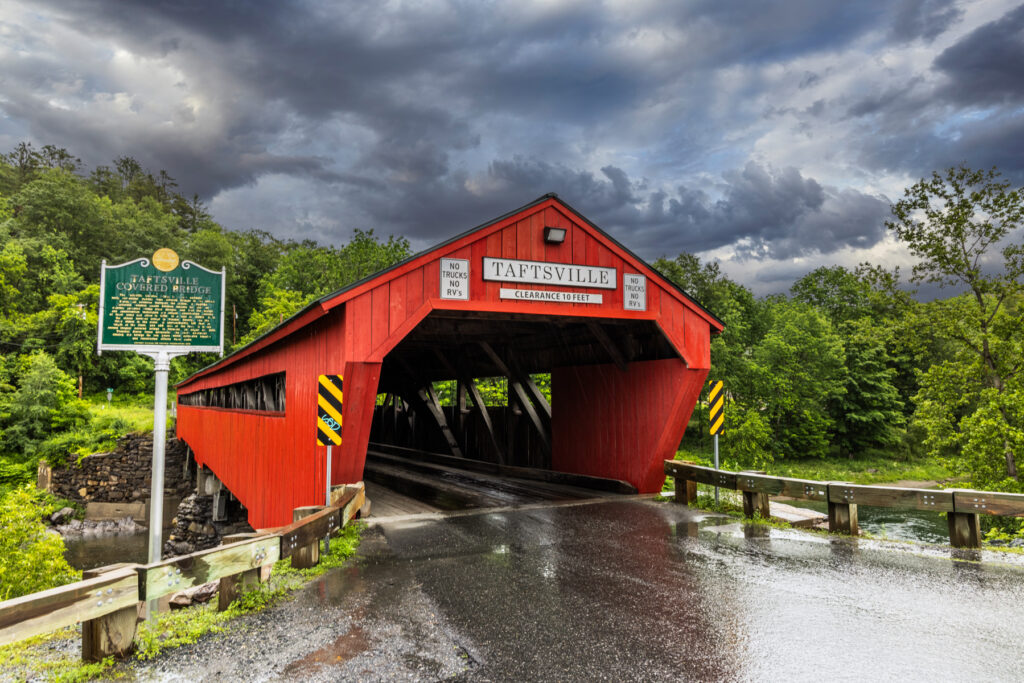
Whether you’re photographing the wide-open deserts of the Southwest or fog settling over a Vermont bridge, the goal is the same — to create images that feel alive, grounded, and connected to the moment you were there.
The Usual Suspects — What Everyone Will Tell You
The Rules You’ll Find on Any Google Search (and Why They Still Matter)
Let’s be honest — if you type “composition tips for photography” into Google, you’ll get the same list a hundred times over. The rule of thirds. Leading lines. Framing. It’s all good advice — these fundamentals really do work. But out on the road, when the light is shifting by the minute and you’re juggling camera gear and coffee, these “rules” become less about precision and more about intuition.
Here are the ones everyone talks about — and how they actually play out when you’re photographing from the driver’s side door or the edge of a backroad overlook.
Rule of Thirds
This is probably the first composition rule anyone learns — divide your frame into thirds, and place your subject along one of those lines or at an intersection. It’s simple, reliable, and it works beautifully for most landscapes.
Most cameras (and even smartphones) make this easier by letting you display a grid overlay right in your viewfinder or on your screen. Turn it on — it’s a great training tool. Over time, you’ll start to see those lines instinctively, even when the grid’s off.
But on the road, you don’t always have time to line up imaginary gridlines. I like to think of it more as a balance than a measurement — if the sky is dramatic, give it two-thirds of the frame. If the land tells the story, flip it. It’s about feeling where the visual weight belongs, not counting boxes.
Leading Lines
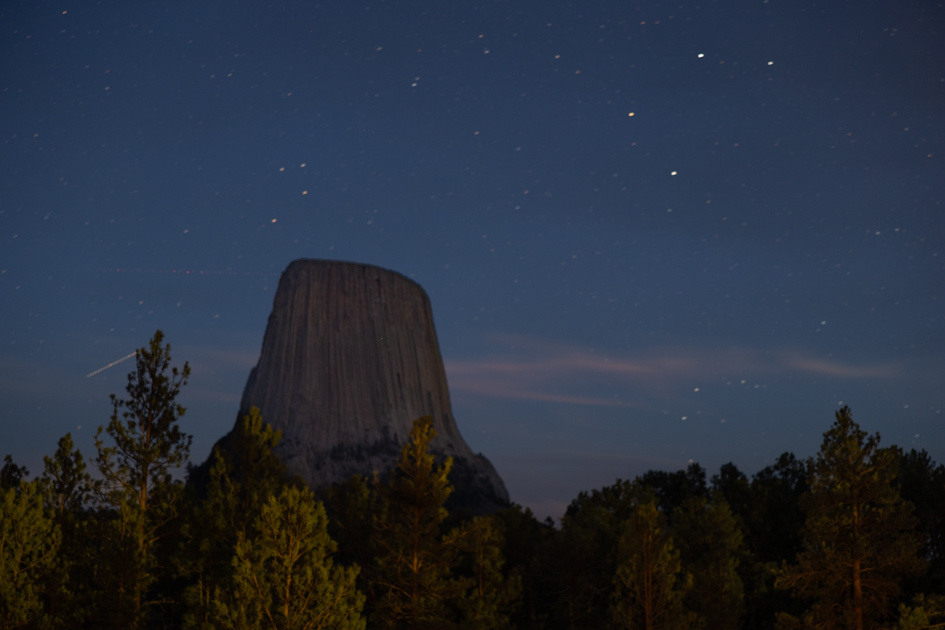
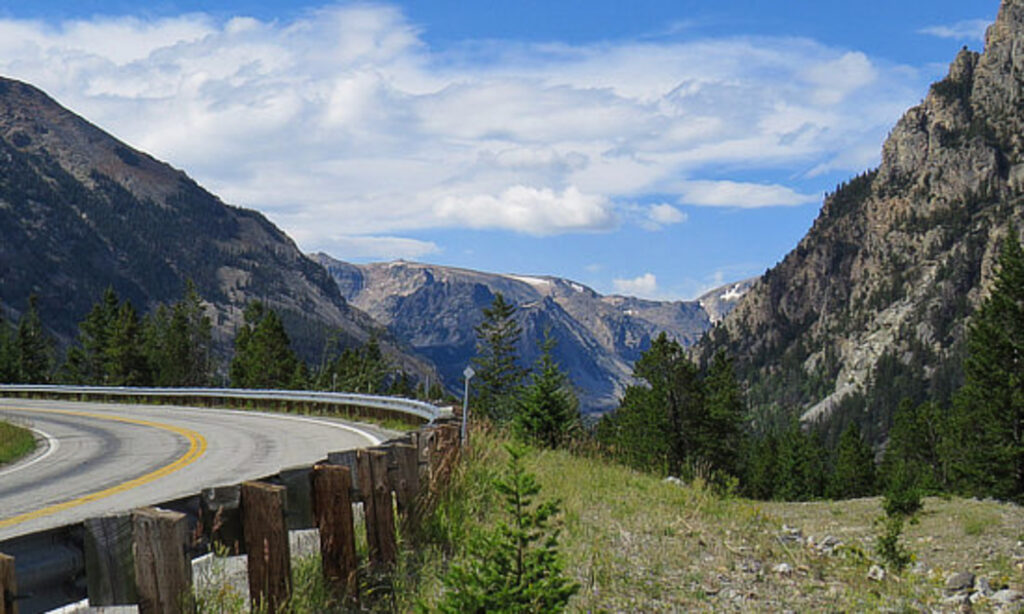
Roads, fences, rivers, and boardwalks — they’re nature’s built-in composition tools. Leading lines pull your viewer into the photo and give your image direction.
When I’m traveling, I’m constantly watching for curves or converging lines that naturally guide the eye — a road disappearing into the mountains, or a trail fading into fog. These shots are powerful because they feel like motion, even when everything’s still.

Framing
Sometimes the best photo isn’t what’s in the frame — it’s how you frame it. Look for archways, tree branches, or even your car window to create a visual border that draws attention to your subject.
Framing adds depth and context. A barn framed by leaves feels hidden and intimate. A mountain framed through a side mirror feels like a memory — like you’re taking the road with you. See White Pass and Yukon Railroad: Explore Skagway for some unique framing out of the back of a train.
Balance and Visual Weight
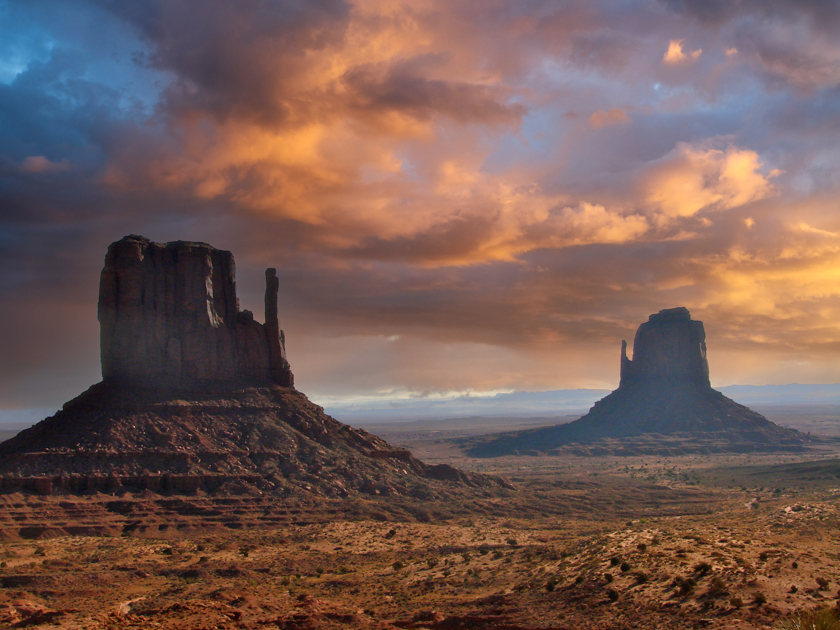
Composition is as much about what you leave out as what you include. A photo with too much going on can feel chaotic, even if everything’s technically “correct.”
When I compose a scene, I look for harmony — how the elements talk to each other. Light, shadow, and color all carry weight. A bright red barn can balance a dark storm cloud. A patch of light can anchor an entire valley.
Negative Space
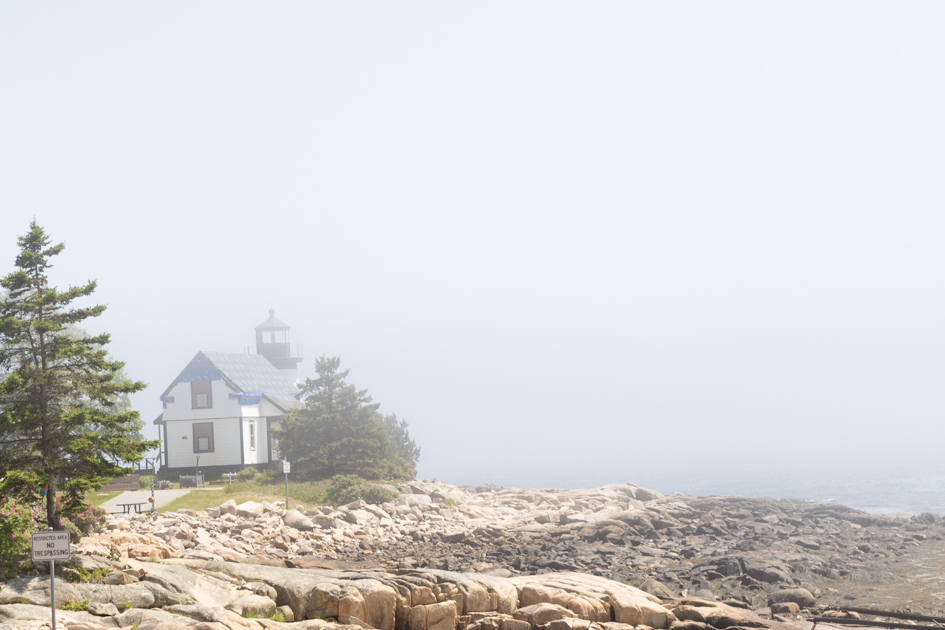
Sometimes, less is more. Leaving open sky or water around your subject gives your viewer a place to breathe. It can make a photo feel calm, lonely, or vast — depending on the moment.
On the road, I love using empty space to convey that sense of scale you feel in wide landscapes — that endless horizon that makes you realize how small you are.
Fill the Frame
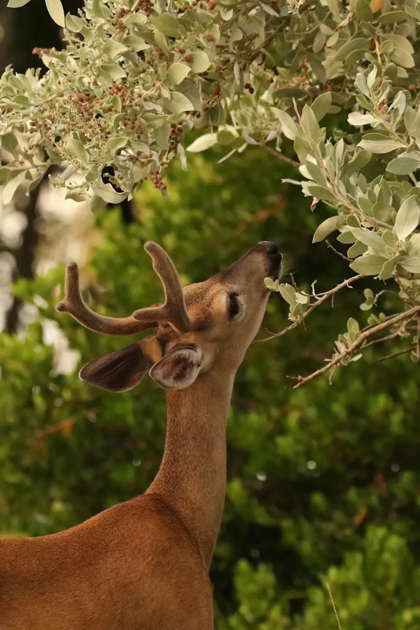
And sometimes, the opposite works. Move closer — really close. Fill your frame with color, texture, or detail. When you’re traveling, you’ll see everything from weathered wood and peeling paint to reflections in puddles — these are the moments that tell the story of the place.
Don’t be afraid to cut out distractions and focus on what caught your eye in the first place.
Foreground Interest
Foreground elements are your best friend in landscape photography. A rock, a cluster of flowers, a winding stretch of road — anything that adds depth and pulls your viewer into the scene.
When I’m shooting a grand vista, I always look for something close that ties it together. Foreground gives perspective; it’s what turns a “pretty view” into a photograph that feels alive.
Using Weather to Your Advantage
Blue skies are nice, but moodier days often make stronger photos. Clouds, fog, rain, and even snow add atmosphere — they change light, color, and depth.
Some of my favorite shots were taken in what most people would call “bad weather.” Storm light adds drama. Fog softens everything. Rain turns reflections into texture. Don’t wait for perfect conditions — work with what nature gives you.
Beyond the Basics — Composition Techniques I Actually Use
The Creative Side They Don’t Always Teach You
The classic rules are great starting points, but once you’ve spent enough time photographing from overlooks, dirt roads, and trailheads, you realize composition is less about rules and more about rhythm. These are the principles I reach for when I want to add depth, texture, and emotion — the techniques that make a photograph feel like the moment I was standing there.
The Golden Ratio (Fibonacci Spiral)
If the rule of thirds is a grid, the golden ratio is a dance. It’s a natural curve — a spiral that mirrors how our eyes move through the world. You’ll see it everywhere once you start looking: in the shape of a wave, a canyon bend, a coastline, even the twist of a mountain road.
Many cameras now include a spiral overlay you can turn on (check your composition grid settings). Try aligning your main subject where the spiral tightens — it creates balance that feels organic, not forced. The viewer’s eye will naturally follow the curve, giving your photo a sense of flow and movement that works beautifully for winding roads or sweeping landscapes. If you want a visual of the Fibonacci spiral overlay, Fujifilm has a good explanation and shows it clearly.
Rule of Odds
There’s something about odd numbers that just feels right. Three peaks. Five fence posts. Seven clouds stretched across the horizon. When you include an odd number of visual elements, the image feels more dynamic and balanced than when subjects appear in even pairs.
It’s subtle, but powerful — especially in landscapes. A trio of trees draws the eye in a way that two rarely can. Nature already follows this rule more often than you think. “If you’re curious about what gear helps me stay flexible on the road, I share it in Building Your Travel Photography Kit.
Add Texture
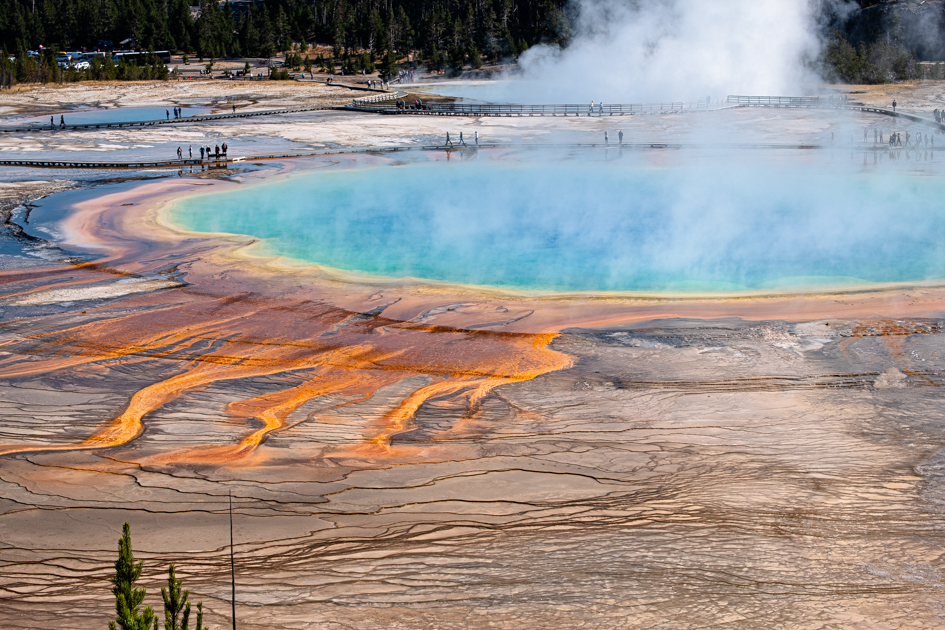
Texture is one of the most overlooked tools in composition. It’s what gives an image depth and touchability — that sense that you could feel the scene if you reached into the frame.
On the road, I’m always watching for layers: gravel against asphalt, ripples in water, clouds over ridges, or weathered barn wood. Texture builds character and tells part of the story of place. A rough dirt road feels different than a glass-still lake, and your viewer will sense that instantly.
Patterns and Symmetry
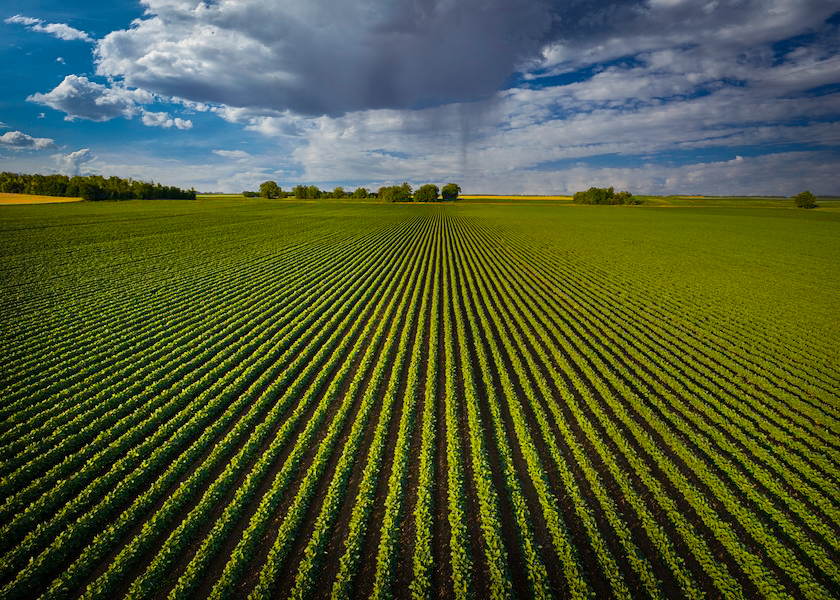
Nature loves repetition. Rows of crops, waves breaking on the shore, sand dunes, or fence lines — patterns give rhythm to your image. Use them as a visual heartbeat, then break them intentionally for contrast (like a single red barn in a field of green).
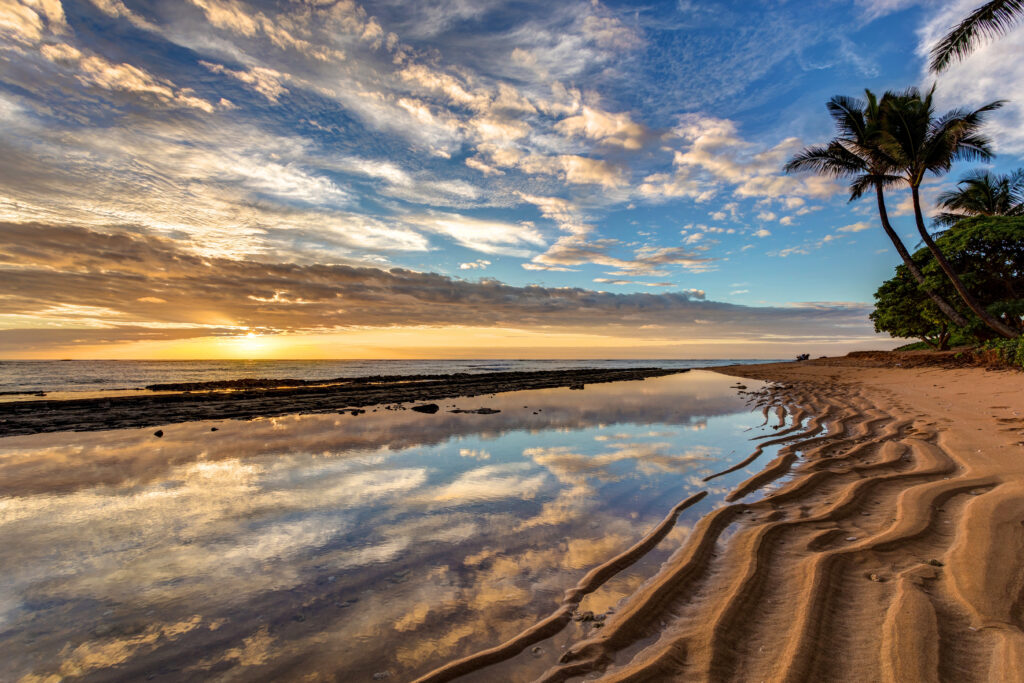
Symmetry, on the other hand, brings calm and order. A perfectly mirrored reflection or centered bridge can make a photo feel timeless. Just don’t overdo it — perfection gets predictable fast. See more in Using Reflection in Travel Photography.
Light as a Compositional Tool
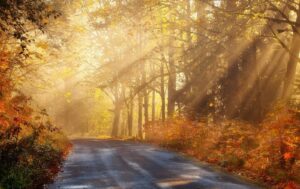
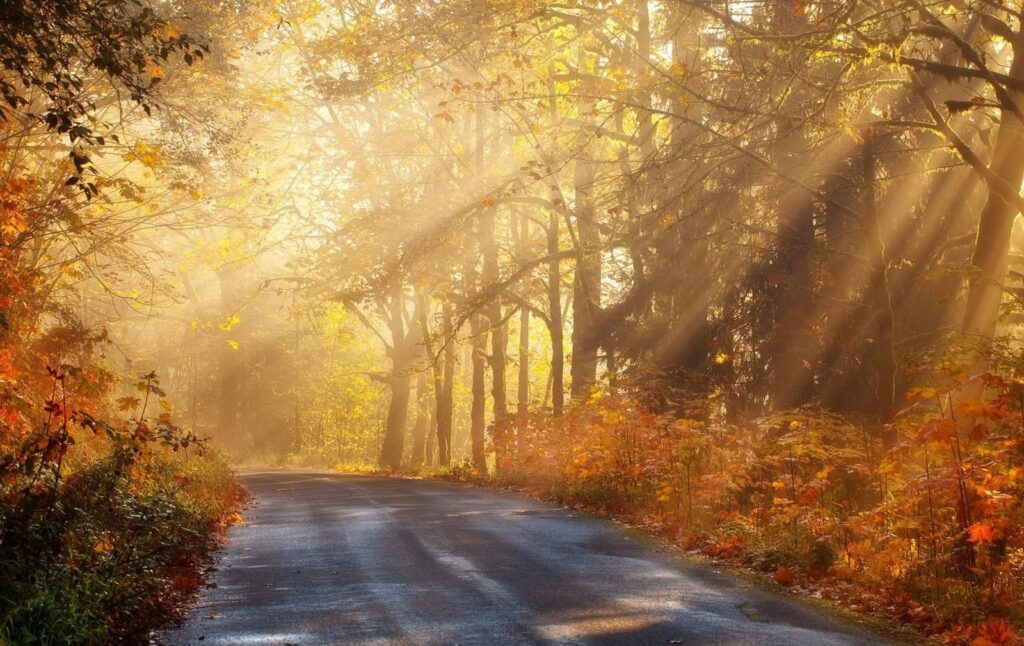
We tend to think of light only in terms of exposure, but it’s also one of the most powerful compositional elements. Light leads the eye. A bright patch across a ridge, a beam breaking through clouds, or a shadow stretching across a field can all shape the story.
I often frame with light first — asking myself where does the light want me to look? Once you follow that answer, the composition almost builds itself. “Light is the foundation of every story. I dive deeper into that in Understanding Light in Landscape Photography.”
Color Balance and Contrast
Color carries emotion. Warm tones pull you in; cool tones push distance. A golden field against a blue mountain range instantly creates contrast and depth. When composing, pay attention to how colors interact — they can balance or clash just like shapes do. Fuji shooters — film simulations can be a creative shortcut here. I talk about that in Using Fuji Film Simulations for Travel Photography
In post-processing, I’ll often fine-tune color harmony rather than crop — because sometimes the “feel” of a photo lives in its palette, not its geometry.
These aren’t strict formulas — they’re ways of seeing. Once you start to recognize them, your compositions will begin to tell stories naturally, even without a perfect sky or carefully placed horizon.
Storytelling Through Composition
How to Make Viewers Feel What You Felt
At its core, travel photography is about storytelling. Composition is how you lead someone through that story — not just showing them where you were, but how it felt to be there. The best landscapes don’t just stop the viewer; they pull them in and whisper, stay a while.
Compose for Emotion, Not Perfection
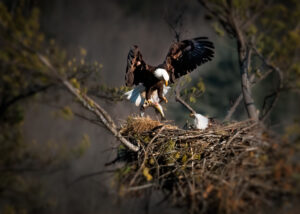
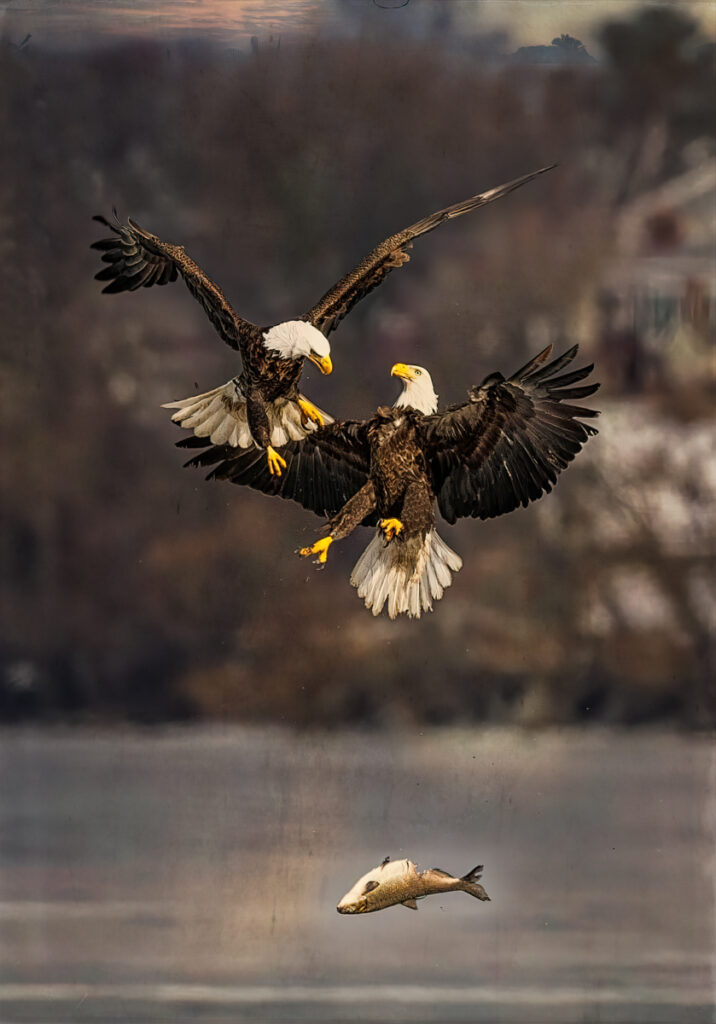
When I’m photographing on the road, I’m not trying to make everything line up perfectly. I’m trying to make the viewer feel what I felt in that moment. This pertains to wildlife as well as landscapes. In The Season of Eaglets, emotion plays a huge role in composition.
Sometimes that means tilting the camera slightly to give a sense of motion. Sometimes it’s leaving negative space to create calm. Composition isn’t about perfection — it’s about connection. The best photos aren’t always technically perfect, but they’re the ones that tell a story that feels true.
Use Composition to Lead the Eye — and the Heart
Think of your frame like a story unfolding. Where does the viewer’s eye go first? And where does it travel next? That path is your narrative.
- A road winding into fog tells a story of curiosity.
- A centered, symmetrical shot of a mountain lake feels peaceful and still.
- A wide, low-angle shot makes the viewer feel small — just like you did standing there.
Every decision you make — where to stand, how high to shoot, how much space to leave — changes the emotional weight of the photo.
Find the Story Within the Landscape
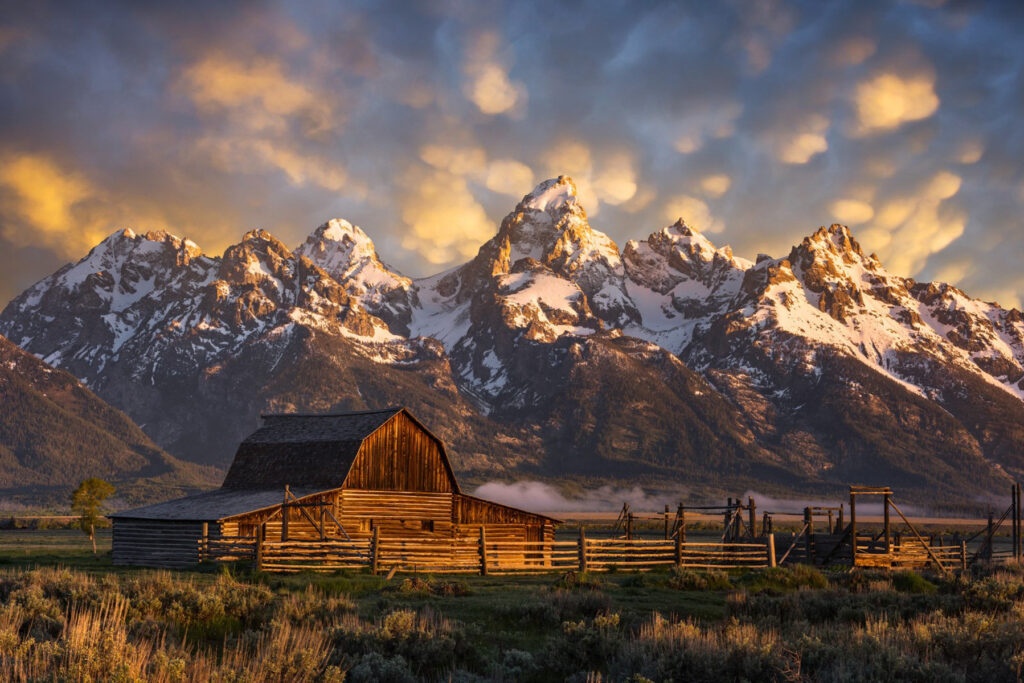
Every landscape has a story waiting to be told. It might be the contrast between old and new — a weathered barn against a modern sky. Or it might be about solitude, movement, or light.
When you approach a scene, ask yourself: What is this place trying to say? Then build your composition around that answer.
I’ve found that the most meaningful photos often come from slowing down. Instead of chasing the next shot, spend a few minutes really looking. Watch how the light moves, how clouds shift, how wind changes the scene. The story often reveals itself in those quiet details.
Connect Your Frames Like Chapters
If you’re photographing for a blog, gallery, or travel story, composition becomes even more powerful when you think in sequences. Each photo is a chapter — from the open road that leads you in, to the quiet stop that makes you linger, to the final image that feels like “goodbye.”
Use consistent visual themes — similar lines, colors, or perspectives — to tie a series together. This visual rhythm helps your audience travel with you, one frame at a time.
Embrace Imperfection
Some of my favorite photos were taken in less-than-ideal moments: harsh midday light, messy foregrounds, or quick handheld shots from a moving car. But those imperfections belong to the story. They’re honest. I discuss this more in my post Finding Creativity in the Everyday.
Your travel photos don’t have to be pristine — they just need to be real. That’s what makes your viewer stop scrolling and think, I want to go there.
Storytelling through composition is about more than where you place the horizon — it’s about how you translate the experience of a place into a visual memory. Every line, color, and shadow becomes part of your language as a photographer. Many of these same ideas come alive in my Southwest Region Travel Guide, where endless horizons and desert light make composition feel like storytelling.
Composing on the Go
Real-World Tips for Fast, Flexible Photography on the Road
Travel and landscape photography don’t always happen under perfect conditions. Sometimes you’re chasing light through the windshield, and sometimes you’ve got thirty seconds before the sun dips behind the ridge. Composition in these moments isn’t about slow precision — it’s about instinct, speed, and training your eye to see the shot now. Read about why I Shoot Raw + JPEG on the road for flexibility.
Here are some of my best on-the-road composition habits that help me stay creative even when time (and traffic) isn’t on my side.
Shoot First, Refine Second
When you find a great scene, take the guaranteed shot first — the one you know will work. Then, if there’s time, spend a few extra minutes chasing the artistic shot. Try a different angle, zoom in tighter, or wait for the light to shift.
This two-step approach keeps you from missing the moment entirely while still leaving room for creativity. Some of my best photos came from that “second round” — the one I almost didn’t take.
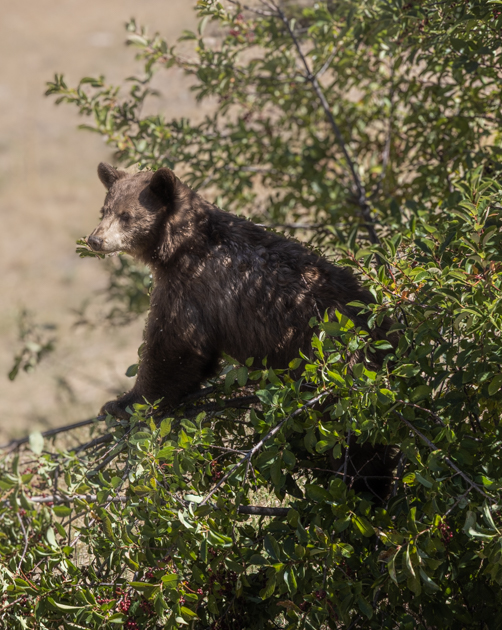
Scout with Your Eyes, Not Your Camera
You don’t need to be glued to your viewfinder. As you drive or hike, keep your eyes open for compositions before you even lift the camera. Look for shapes, layers, light, and leading lines — things that catch your attention.
Once you start noticing composition everywhere, you’ll get faster at reacting when a scene appears, which is half the battle in travel photography.
Use What You Have
Tripod? Optional. Perfect light? Rare. Clean foreground? A luxury. Real-world photography is about adapting.
Rest your camera on the car window, balance it on your bag, or brace your elbows against a fencepost for stability. Learn to shoot handheld confidently, and don’t stress over perfection. The story of the road isn’t supposed to be flawless — it’s supposed to be real. I keep my settings simple when I’m shooting fast — if you’re new to balancing exposure and flexibility, check out Mastering Shooting RAW + JPEG on the Road..
Look Back — Always
One of my most important rules: always look back.
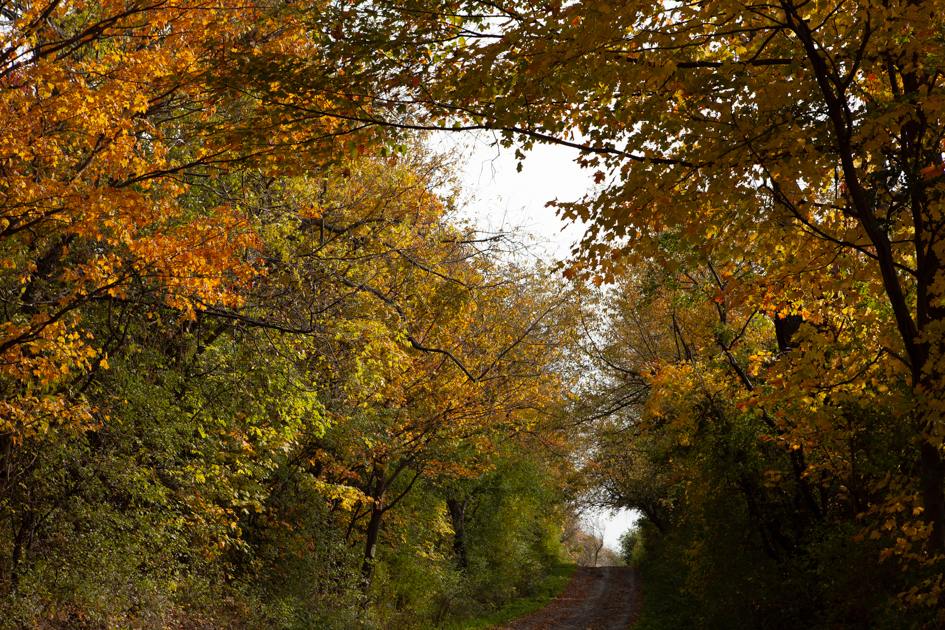
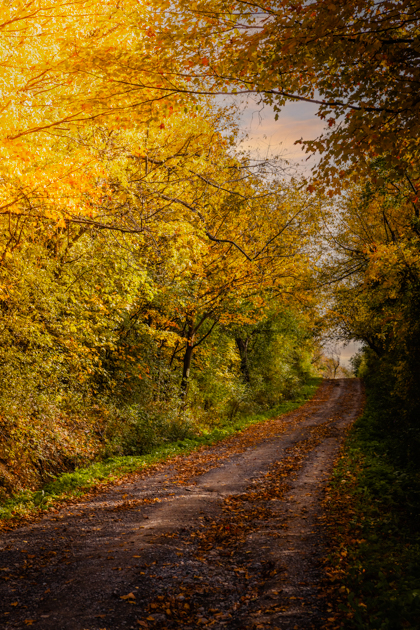
Light changes fast, and the view behind you is often completely different. Some of my favorite photos came from turning around after I thought I was done — the road glowing in sunset light, clouds forming shapes I didn’t see before, or the curve of a mountain I hadn’t noticed on approach.
If you keep moving forward without glancing back, you’ll miss half the story.
Embrace Imperfection
Dust, motion blur, crooked horizons — these things happen. And sometimes, they’re part of what makes an image feel alive.
Travel photography isn’t about perfection; it’s about documenting what it felt like to be there. When you’re shooting from a car window at 55 mph, a little motion blur becomes part of the mood. When the sky is hazy, it becomes atmosphere. The goal is to capture the experience, not to win a technical contest.
Learn to Anticipate
If you drive enough backroads, you’ll start to sense when the light or landscape is about to do something magical. Maybe it’s a turn in the road where the mountains suddenly open up, or a break in the clouds that hints at sunset.
Anticipating the shot means being ready — camera on, settings dialed in, and your mind already composing before you stop the car. Also patience often reveals better composition — The Art of Patience in Wildlife Photography explores how stillness sharpens your eye.”
Keep Gear Ready and Simple
When I’m shooting on the road, I keep one camera ready with a mid-range zoom for flexibility. That way I can frame wide landscapes and tighter details without changing lenses. If I see a moment unfolding, I don’t have to dig through my bag — I just lift and shoot. You can read about choosing Primes vs. Zooms in my post Prime vs. Zooms: Finding the Right Lens for the Way You Travel and Why I Chose Leica and Fuji for my travel photography.
Being organized and ready saves you more shots than you’d think.
Practice Seeing Between Stops
Not every photo needs to come from a “destination.” Practice composing scenes from gas stations, side roads, or parking lots. Sometimes the small, in-between places hold the most honest stories.
The more you practice composition in ordinary moments, the faster your instincts become when something extraordinary appears.
On the Road, Flexibility is the Real Skill
Perfect composition is rare on the move — but flexible composition is everywhere. The more adaptable you are, the better you’ll get at finding beauty in whatever the road gives you.
Every bend, every storm cloud, every roadside pull-off has potential — if you’re ready to see it. These composition choices start with smart planning — I detail that process in How I Plan and Photograph the Perfect USA Road Trip.
Finding Your Eye
Because the Best Composition Is the One That Feels Like You
The longer I photograph on the road, the more I realize that composition isn’t a checklist — it’s a conversation. The “rules” are great teachers, but your eye is what gives them meaning. It’s the reason ten photographers can stand in the same spot and come away with ten completely different images.
Finding your eye happens slowly, almost quietly. It’s in the moments when you stop overthinking and just respond to what moves you — a glint of light on water, the curve of a fence line, or the way storm clouds roll across a field. Those are the instincts worth trusting.
The more you travel, the more you start composing with intuition. You stop worrying about whether your horizon is perfectly level and start asking: Does this feel like the moment I want to remember? Because that’s what composition really is — capturing not just how a place looked, but how it felt.
And remember — the road will teach you as much as any book or rule ever could. Every drive, every wrong turn, every fleeting light is practice in seeing differently. Apply composition techniques across different landscapes on a Southwest route.
So keep your camera close, your mind open, and your creative rules flexible. Because the art of composition isn’t about perfection — it’s about connection. For more tips see: Practical Travel Tips for Photographers.
Continue Your Journey in Travel Photography
📸 Continue Your Journey
Love learning on the road? Explore the full Mastering Travel Photography series — where I share the techniques, tools, and mindset that shape every photo I take. View all landscape photos.
- Mastering Travel Photography: Tips and Tutorial for Capturing the Road Less Traveled
- Mastering Light in Landscape Photography
- Mastering Travel Photography for Beginners
- Mastering Storytelling on the Road
- Mastering RAW + JPEG Shooting on the Road
- Mastering the Art Patience in Wildlife Photography
- Mastering the Art of Wildlife Photography
- Mastering Shooting in Low Light
- Mastering Using Reflections in Travel Photography
- Mastering Finding Creativity in the Everyday
Each post is part of a creative roadmap designed to help you see the world — and your photography — in a new light.
🌍 Explore by Region
Discover the landscapes, small towns, and scenic drives that make each corner of the country unique.
- 🏔️ Alaska Region Travel Guides – Wild landscapes, glaciers, and unforgettable wildlife.
- 🌺 Hawaii Region Travel Guides – Island adventures across Oʻahu, Maui, Kauaʻi, and the Big Island.
- 🌲 Northwest Travel Guides – Evergreen forests, coastal highways, and hidden waterfalls.
- 🏜️ Southwest Travel Guides – Desert light, red rock canyons, and timeless back roads.
- 🌄 Appalachian Region Travel Guides – Mountain fog, winding parkways, and small-town charm.
- 🌻 Midwest Travel Guides – Quiet beauty, open skies, and the heart of small-town America.
- 🌾 Southeast Travel Guides – Covered bridges, coastal byways, and southern hospitality.
- 🍁 Northeast Travel Guides – Fall colors, rugged coastlines, and storybook towns.
📸 Explore by Theme
Dive deeper into the kind of travel that inspires you most.
- Scenic Drives and Road Trips – From epic cross-country routes to forgotten byways.
- Regional Back Roads and Byways – Hidden gems and quiet corners off the main map.
- Epic Road Trips – Month-long journeys that change how you see the road.
- Practical Travel Tips for Photographers – Smart advice for staying prepared and creative on the move.
- Safety, Ethics, and Respectful Travel – Traveling with awareness and appreciation for every place you visit.
- The Art of Mindful Photography – A creative follow-up on shooting with intention.
- Best All-Purpose Travel Lenses – See my recommendations for the best travel lenses.
✨ Explore by Inspiration
Because travel isn’t just about where you go — it’s about what it teaches you.
🚙 My First 30-Day Road Trip – The adventure that started it all.
📷 Mastering Travel Photography – Learn to see light, composition, and story on the road.
🦅 The Art of Wildlife Photography – Lessons in patience and connection from the natural world.
🌅 Understanding Light in Landscape Photography – Master light at any hour, in any place.
💬 Storytelling and Creativity – Find your voice behind the lens.
Stay Connected — Join My Back Roads Lens Newsletter
Love exploring the backroads through stories and photography?
Subscribe to my Back Roads Lens Newsletter for travel inspiration, photography tips, and behind-the-scenes moments from the road.
You’ll get:
- Sneak peeks at upcoming travel guides
- Photography tutorials and composition tips
- Favorite scenic drives and small-town finds
(I’ll never spam you — just real stories, practical advice, and a little road-trip daydreaming delivered to your inbox.)