The Timeless Spirit of the Northwest
There’s something about the Northwest that feels both timeless and wild. This region of the United States is stitched together by volcanoes, mountain ranges, alpine lakes, and miles of open backroads that seem to stretch toward forever. It’s a place where road trips are more than just a way to get from point A to point B—they’re part of the adventure itself.
A Photographer’s Canvas
For me, the Northwest has always been a favorite canvas for photography. The landscapes shift dramatically as you drive: dense evergreens giving way to high desert plains, snowy peaks towering above valleys, and sudden glimpses of wildlife that make you pull over just to watch. I’ve spent countless mornings chasing the perfect reflection of Mount Hood in a still lake, and long evenings under Montana skies so big and unbroken they swallow you whole.
Iconic Sights and Hidden Treasures
What I love most about the Northwest is the mix of the iconic and the unexpected. You can stand at the edge of Yellowstone’s Grand Prismatic Spring and feel the ground trembling with geothermal power, or you can wander into a quiet Wyoming town like Buckhorn and find yourself surrounded by stories from a slower way of life. And then there are the landmarks that defy words—the jagged peaks of Grand Teton National Park, Devil’s Tower rising from the prairie, or the winding switchbacks of the Beartooth Highway that climb into the clouds.
A Guide for Your Next Adventure
This guide brings together the highlights of my travels in the Northwest, linking to detailed stories and photos from each destination. Whether you’re planning a bucket-list trip to Yellowstone, chasing reflections at Trillium Lake, or mapping out your own cross-country adventure, my hope is that this guide gives you inspiration—and a few insider tips—for capturing the Northwest through your own lens.
Why Travel the Northwest?
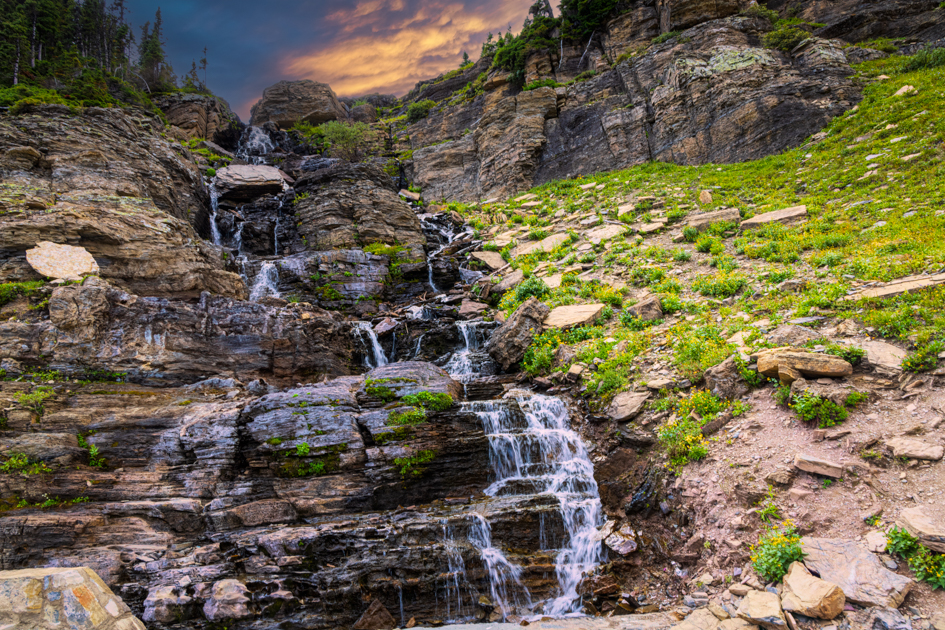
The Northwest is a region defined by contrasts. Here, you can stand on the slopes of an active volcano one day and drive through rolling cattle country the next. Towering forests shade winding backroads, while windswept plains stretch endlessly beneath skies so wide they seem to swallow the horizon. It’s a landscape that refuses to be pinned down—and that’s exactly what makes it so captivating.
The Power of Volcanoes
At its heart, the Northwest is shaped by mountains. Peaks like Mount Hood, Mount St. Helens, and Mount Rainier dominate skylines and define entire ecosystems. Each of these volcanoes has its own character. Mount Hood has its snowcapped elegance. Mount St. Helens has its raw scar from the 1980 eruption, and Mount Rainier with its sheer size and glacier fields. They’re not just landmarks; they’re storytellers, revealing the region’s geologic past and reminding us of nature’s power.
The Rise of the Rockies
To the east, another mountain chain rises: the Rocky Mountains. Stretching through Montana and Wyoming, the Rockies give the Northwest its dramatic alpine passes, glacier-carved valleys, and wide-open basins. Driving across Montana’s countryside, the Rockies appear on the horizon like a wall of stone. This turns long drives into a series of postcard views. For photographers, these ranges are an endless playground. Whether it’s morning light breaking over Beartooth Pass or storm clouds rolling across Yellowstone’s valleys.
National Parks of the Northwest
Within the Rockies lies some of the region’s most iconic national parkland. Yellowstone National Park showcases geothermal wonders unlike anywhere else on Earth. Glacier National Park further north offers turquoise lakes framed by jagged peaks. And Going-to-the-Sun Road is one of the most scenic drives in America. Together, these parks highlight the diversity of the Rockies—wild, powerful, and unforgettable.
Big Sky Country
Beyond the mountains, the countryside opens into another world. In Montana and Wyoming, ranchland spreads for miles, punctuated by weathered barns and winding rivers. This is “big sky country.” The light shifts dramatically by the hour and photography becomes an exercise in patience and timing. Out here, it’s not unusual to drive for hours without seeing another car—just you, the road, and the horizon.
Roads Made for Travelers
For road trippers, the Northwest feels tailor-made. Highways like the Beartooth wind into alpine country, offering roadside pullouts with views that make you linger. In Yellowstone, geothermal wonders bubble and erupt just off the main road. And wildlife crossings remind you that you’re a guest in their world. Even smaller towns, like Buckhorn, hold a certain magic: a reminder that history, character, and community live far from the guidebooks.
Inspiration for Photographers
And for photographers? The Northwest is pure inspiration. Mist rising over Trillium Lake, golden light sweeping across Montana hills, or the night sky glittering above Devil’s Tower—each scene feels like an invitation to slow down, take out your camera, and frame a story worth remembering.
This mix of the iconic and the hidden is what keeps me returning to the Northwest. It’s not just a collection of destinations—it’s a region where every bend in the road feels like the start of a new adventure.
Sidebar: The Rockies at a Glance
The Rocky Mountains are the backbone of the Northwest, and each season brings its own beauty.
- Glacier National Park (Montana): Best in late June–September when Going-to-the-Sun Road is open. A ticketed entry system is now required for some areas during peak season—so plan ahead. For details on navigating permits and timing, see my full blog Glacier National Park: An Adventure Through Nature’s Masterpiece.
- Yellowstone (Wyoming/Montana): Summer for full access, fall for quieter wildlife viewing.
- Grand Teton (Wyoming): Fall foliage against jagged peaks is unbeatable for photographers.
- Beartooth Highway: Open late May to mid-October (weather permitting)—a must-drive for alpine views.
If you’re planning a long road trip like I do, summer and fall are ideal. You’ll have open passes, vibrant scenery, and the time to connect multiple Rockies destinations into one epic itinerary.
Planning a Road Trip Through the Northwest
The Northwest was made for road trips. It’s a region where highways thread through mountain passes, scenic byways climb into the clouds, and quiet country roads lead to towns that feel forgotten by time. But it’s also a region where distances are long, weather changes fast, and cell service can disappear just when you need it. Careful planning makes the difference between a smooth adventure and a stressful drive.
Choosing Your Entry Points
If you’re flying in and renting a car, the best gateways are:
- Portland, Oregon – perfect for exploring Mount Hood, Trillium Lake, and the Columbia River Gorge.
- Seattle, Washington – ideal for Mount Rainier, Mount St. Helens, and the Cascades.
- Cody or Billings, Wyoming – convenient for Yellowstone, the Beartooth Highway, and Montana’s countryside.
For me, road trips always start in upstate New York. That means long hauls across the Midwest before reaching the Rockies and the Northwest. While it takes time, it also means I can pack my car with everything I need for a full photography road trip.
Scenic Drives to Include
- Beartooth Highway – a must-drive alpine route that’s as breathtaking as any destination.
- Columbia River Gorge (Oregon) – waterfalls and winding roads framed by cliffs.
- Backroads of Montana and Wyoming – where you’ll find barns, valleys, and those “stop the car now” moments that never make it into guidebooks.
Travel Logistics & Gear
The Northwest is vast and unpredictable, so a few logistics matter more here than elsewhere:
- Gas up often. Distances between stations in Montana and Wyoming can be long.
- Pack layers. You can leave a warm valley and arrive at a snow-dusted pass in the same day.
- Expect no service. Offline maps (downloaded ahead of time) are essential.
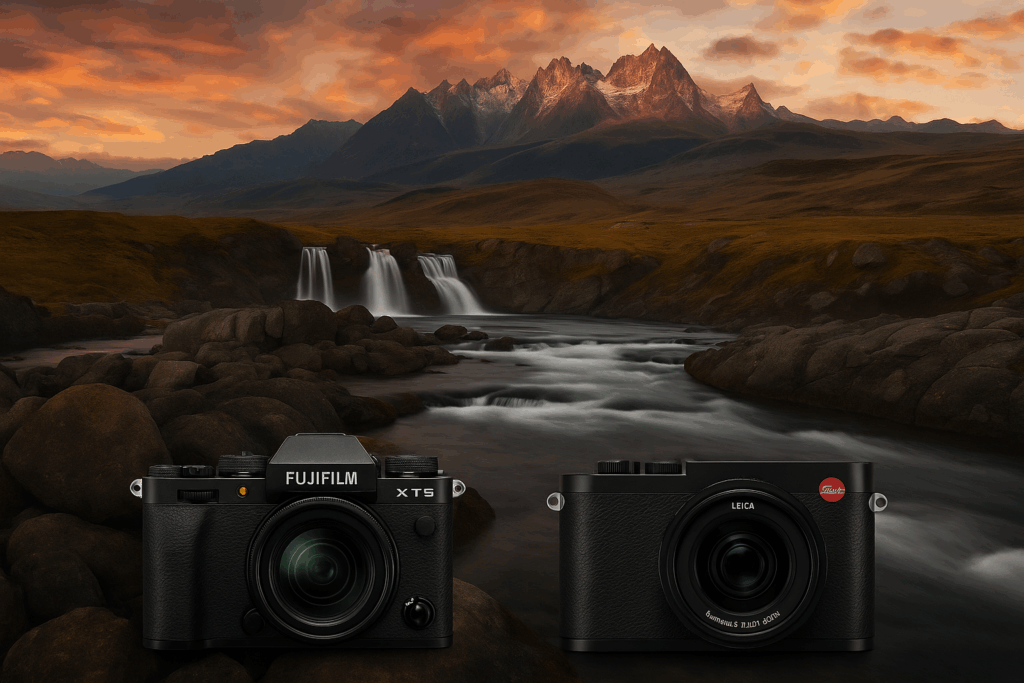
Since my road trips revolve around photography, I always bring both of my cameras. My Leica Q3 for landscapes and my Fujifilm X-T5 with its versatile lenses for flexibility. If you’re curious about what I carry and why, I’ve detailed it in my [Travel Photography Gear Guide].
Finding Hidden Spots
Part of the magic of the Northwest lies in the lesser-known places—quiet trails, local diners, and viewpoints with no names on the map. I rely on a mix of online research, local tips, and intuition when choosing stops. If you want to dig deeper into how I find these hidden gems, check out my full guide: How I Find Off-the-Beaten-Path Destinations in the USA.
Planning Long Journeys
For extended adventures—like my 30-day cross-country trips—the key is balancing structure with flexibility. I map out anchor points (like Yellowstone or Mount Rainier) but leave space for detours. Those side roads often become the highlights. If you’re planning a big trip of your own, my detailed 30-Day Road Trip Guide is a great place to start.
Mount Hood and Trillium Lake: Oregon’s Mountain Duo
If there’s one place that captures the essence of the Northwest, it’s the pairing of Mount Hood and Trillium Lake. Just 60 miles east of Portland, this combination offers both grandeur and intimacy. Mount Hood’s 11,240-foot peak dominating the horizon and Trillium Lake’s glassy surface reflecting it back like nature’s mirror.
Mount Hood: Oregon’s Icon
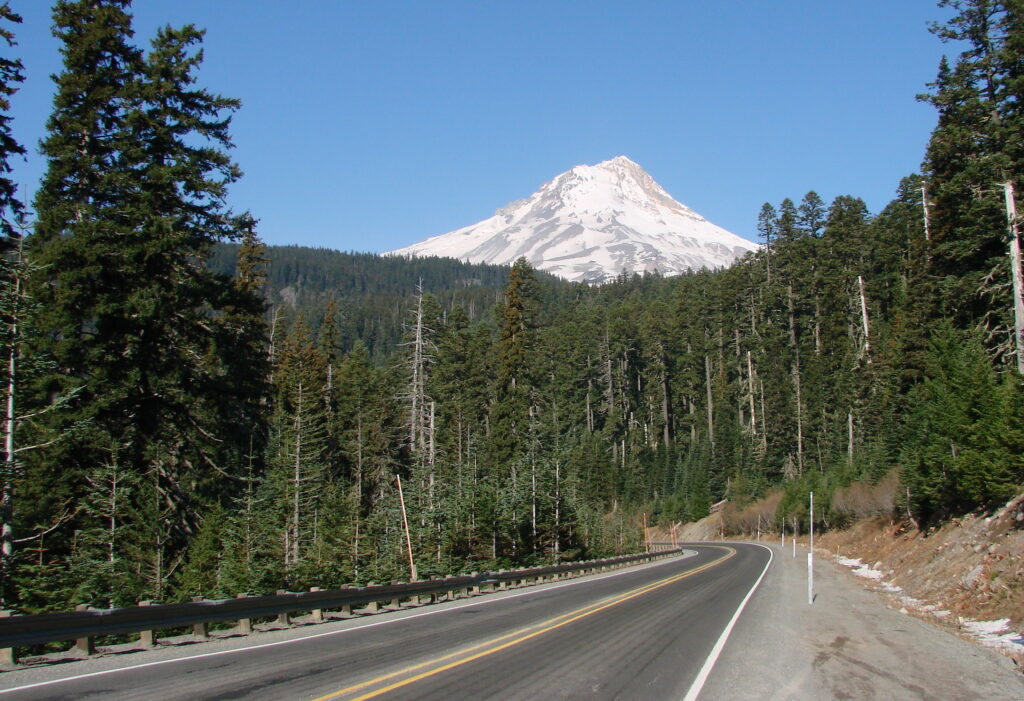
Mount Hood is more than a mountain—it’s Oregon’s identity. Visible from Portland on clear days, its snowcapped peak draws climbers, skiers, and road trippers year-round. Whether you’re standing at Timberline Lodge (a historic stop perched high on the slopes) or exploring trails that circle its base, Hood always feels close yet untouchable.
- What to See: Timberline Lodge, Mirror Lake Trail, and the Mount Hood Scenic Byway. In winter, the ski slopes turn the mountain into a hub of activity.
- Photography Tip: Sunrises and sunsets set the peak ablaze with color. Wide-angle shots work best here, letting the mountain dominate the frame.
- 📸 Dive deeper into my Road Tripping to Mount Hood: Oregon’s Majestic Peak blog.
Trillium Lake: Reflections and Stillness
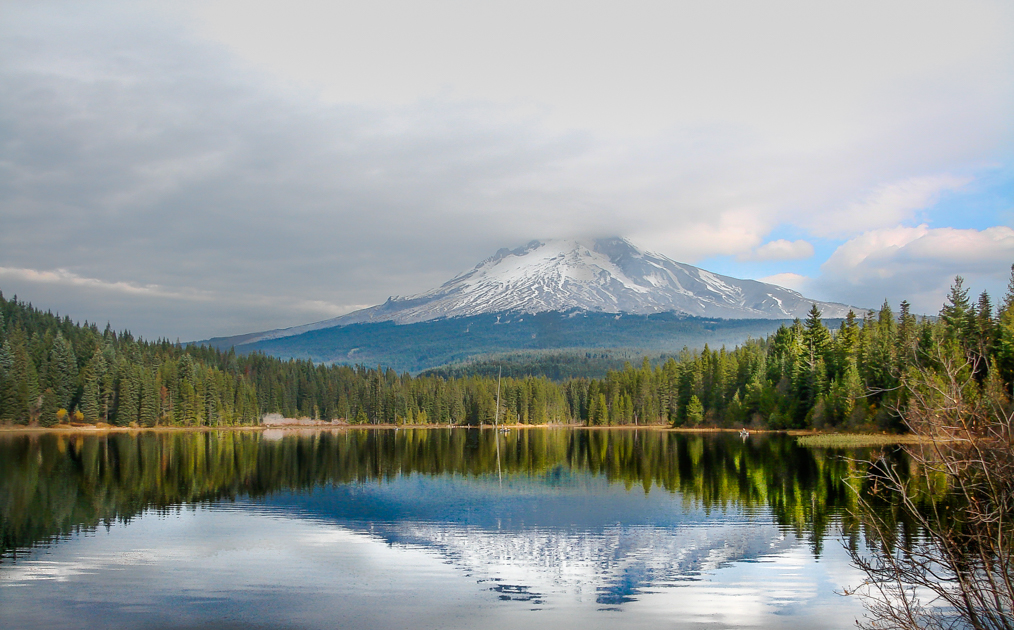
Just a short drive from Mount Hood, Trillium Lake is one of my favorite places in Oregon to slow down. On a calm morning, the lake transforms into a perfect mirror, reflecting Hood so clearly that the scene feels dreamlike. It’s one of those places where you want to arrive early, settle in, and just let the light change.
- What to See: canoeing and paddleboarding in summer, and fishing or walking the 2-mile trail around the lake.
- Photography Tip: Arrive before sunrise. The mist rising off the lake often creates a surreal layer between mountain and reflection. Golden hour in the evening works too, though the water is usually choppier.
- 📸 See the full story in my Trillium Lake Oregon: A Hidden Gem at the Base of Mount Hood blog.
Yellowstone and the Beartooth Highway: Nature on a Grand Scale
Some places overwhelm you with their sheer size and power. For me, that’s what Yellowstone National Park and the Beartooth Highway represent: landscapes so vast and alive that no photo ever seems big enough. Driving into Yellowstone via the Beartooth feels like an initiation. You climb into alpine country, cross the clouds, and then descend into a land where the earth literally boils.
Beartooth Highway: America’s Most Scenic Drive
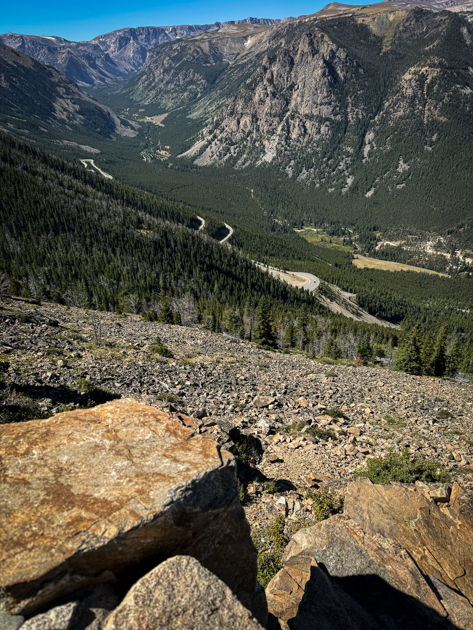
The Beartooth Highway stretches for 68 miles between Red Lodge, Montana, and the Northeast Entrance of Yellowstone. It climbs to nearly 11,000 feet, twisting and curving into views that leave you speechless. Alpine lakes, snowfields, and wildflowers frame the road. Even in midsummer, you’ll often find patches of snow clinging stubbornly to the ridges.
- What to See: Vista Point overlook, the switchbacks near the summit, and high alpine lakes perfect for a picnic stop.
- Photography Tip: Sunrise is spectacular, but I love the evenings here. Long light spills across the mountaintops, while the valleys sink into shadow. Wide-angle lenses are a must, but keep a zoom ready for mountain goats or the occasional moose.
- 📸 Follow my full story in the Wildlife and Wonders on the Beartooth Highway: Explore Scenic Views and Must-See Stops on One of America’s Most Stunning Drives blog.
Yellowstone National Park: Earth in Motion
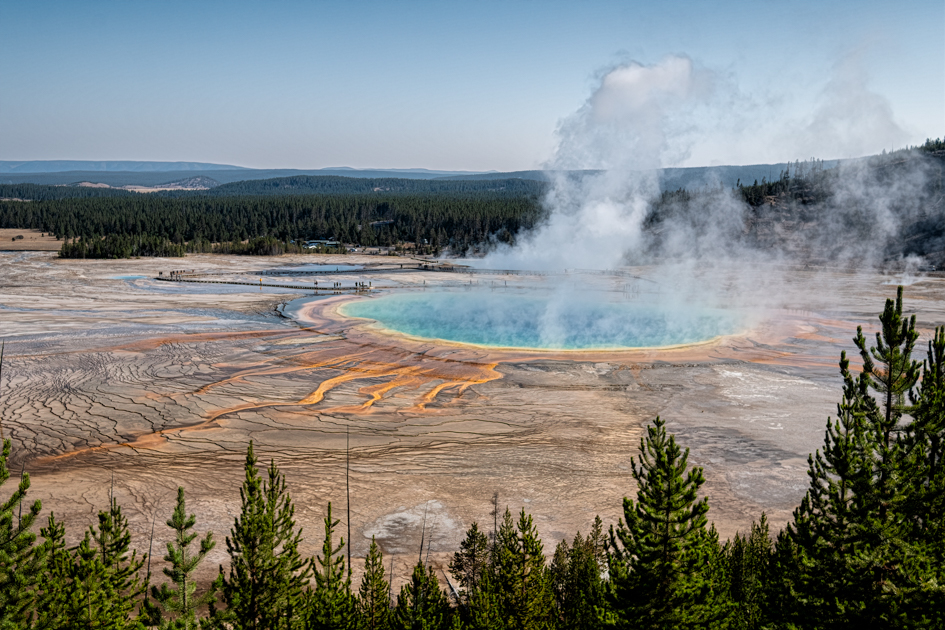
Descending the Beartooth Highway into Yellowstone feels like entering another world. This is the first national park in the U.S., and it’s still unlike anywhere else on Earth. Geysers erupt, mud pots bubble, and rivers wind through valleys where bison and elk still roam freely.
- What to See:
- Old Faithful — the classic geyser show.
- Grand Prismatic Spring — a kaleidoscope of color you need to see from above.
- Lamar Valley — Yellowstone’s “Serengeti,” best for wildlife watching.
- Photography Tip: Early mornings are best for wildlife, while midday light highlights the surreal colors of geothermal features. Don’t forget a telephoto lens—you’ll want safe distance shots of bison and wolves.
- 📸 See my full Exploring Yellowstone National Park: A Guide to Its Thermal Wonders and Must-See Regions blog.
The Majestic Grand Teton
No Northwest journey feels complete without time in Grand Teton National Park. Just south of Yellowstone, the jagged peaks of the Teton Range rise dramatically from the valley floor, creating one of the most photogenic landscapes in the country.
For photographers, it’s pure magic. There is sunrise over the Snake River, reflections of the Tetons in Jenny Lake, and endless trails leading to alpine meadows filled with wildflowers. Wildlife adds another layer of excitement. Moose are grazing in the willows, bison herds roaming the plains, and bald eagles soaring overhead.
What I love most about Grand Teton is its balance of grandeur and quiet. You can capture the iconic postcard views, but just as easily find yourself on a backroad or trail where it feels like the mountains belong only to you. It’s a place that rewards both patience and curiosity, making it an essential stop on any Northwest road trip. In Wyoming’s Grand Teton National Park, Mormon Row captures the soul of the Old West against a dramatic mountain backdrop.”
Read my full posts here: Exploring Grand Teton National Park’s Scenic Drives, Wildlife & Bike Trails and Grand Teton National Park Travel Guide: Where the Mountains Meet the Sky
.
Buckhorn, Wyoming: A Small Town with a Big Story
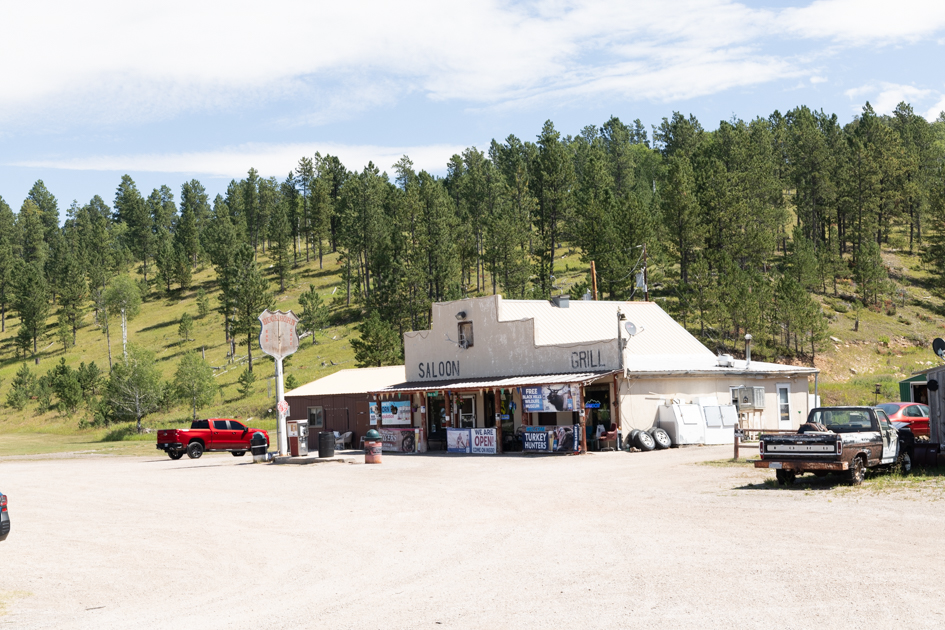
Not every stop on a Northwest road trip makes it onto postcards—and that’s exactly why places like Buckhorn, Wyoming capture my heart. Tucked into ranch country, Buckhorn doesn’t boast national park status or headline attractions. Instead, it offers a slower rhythm and an authenticity that feels harder to find these days.
For me, small towns like Buckhorn are where the real stories of the West live. The weathered barns, fence lines stretching across the hills, and family-run cafes all feel like time capsules. Here, you see how people actually live and work—not polished for tourists, but grounded in daily life.
Meeting the Locals
One of the most memorable moments of our visit came from a chance encounter with a local contractor. Between bites of lunch, he described the daily visits of elk herds, sometimes a hundred strong, grazing across nearby land. His deep love for the area was unmistakable.
“I could never leave this place,” he told us. And I believed him.
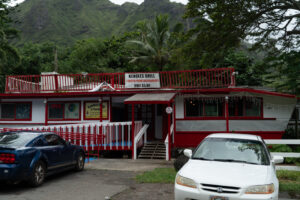
He frequents the Buckhorn Bar and Grill, not just for himself, but to treat the workers on his current development project. And it’s easy to see why—this quaint, rustic bar is the kind of place where everyone knows your name (and probably your dog’s, too).
What To See
- What to See: Buckhorn’s charm isn’t in big attractions—it’s in the details. Old farm buildings, open pastures, and the quiet beauty of rural Wyoming. Take time to wander without an agenda.
- Photography Tip: Golden hour transforms the countryside. Warm light pours across the plains, making even simple barns glow with character. I love switching between wide shots of open fields and close-ups of textures—peeling paint, fence posts, or rusted tools left behind.
- 📸 Get the full experience in my Discover Buckhorn, Wyoming: A Hidden Gem in America’s West blog.
Buckhorn may not be a destination that draws tour buses, but that’s the point. It’s the kind of town that reminds you why road trips matter—not just for the famous sights, but for the unexpected stops along the way. Places like this let you step into the rhythm of daily life in the West, if only for a moment, and that’s a story worth telling.
Devil’s Tower: Wyoming’s Sacred Stone
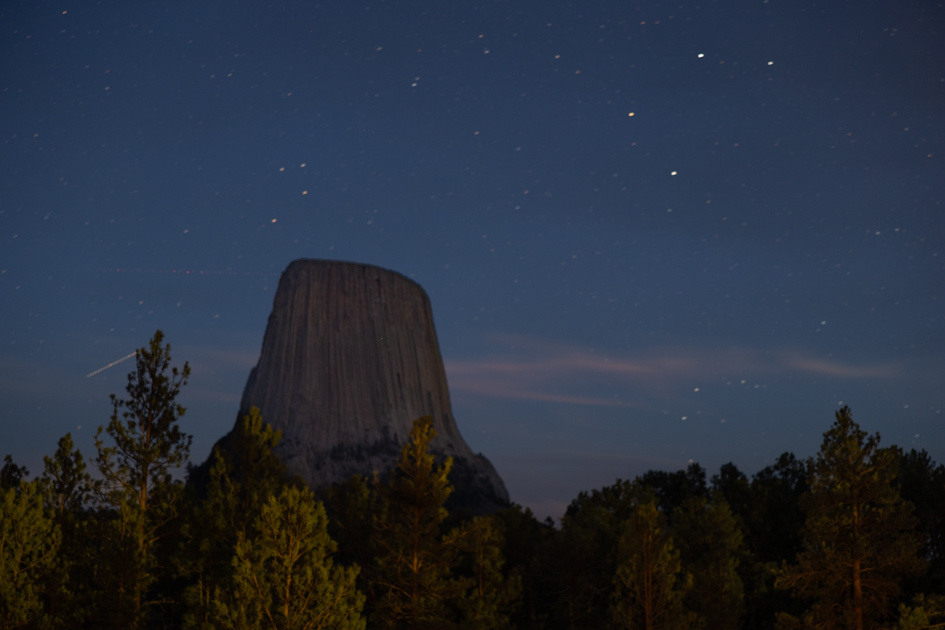
Driving through the Wyoming plains, you see it long before you arrive: a monolithic column of stone rising nearly 900 feet into the sky. Devil’s Tower is one of those places that feels almost alien—so much so that it played a starring role in Close Encounters of the Third Kind. But long before Hollywood, it was (and still is) a sacred place for Native American tribes.
Walking the Base Trail
Walking the base trail, you can hear the wind whistle through the surrounding pines as you circle the tower. Every angle makes it look slightly different—sometimes looming, sometimes elegant, always commanding. For climbers, it’s a mecca; for photographers, it’s a challenge and a reward.
- What to See: Start with the 1.3-mile Tower Trail that loops the base, then pull back for wide-angle shots from the prairie. Night sky viewing here is incredible—dark skies let the tower silhouette against a blanket of stars.
- Photography Tip: A wide lens emphasizes the tower’s massive scale. If you’re lucky enough to be here at sunset, the rock glows golden before fading into deep shadow. Long exposures at night are unforgettable.
- 📸 Explore my Discovering the Wonders of Devil’s Tower blog.
Devil’s Tower is both a landmark and a reminder: some places defy explanation. Whether you see it as a geologic wonder, a cultural site, or simply a jaw-dropping natural monument, it’s a stop that lingers in your memory long after you’ve left.
Montana’s Countryside: Big Skies and Quiet Roads
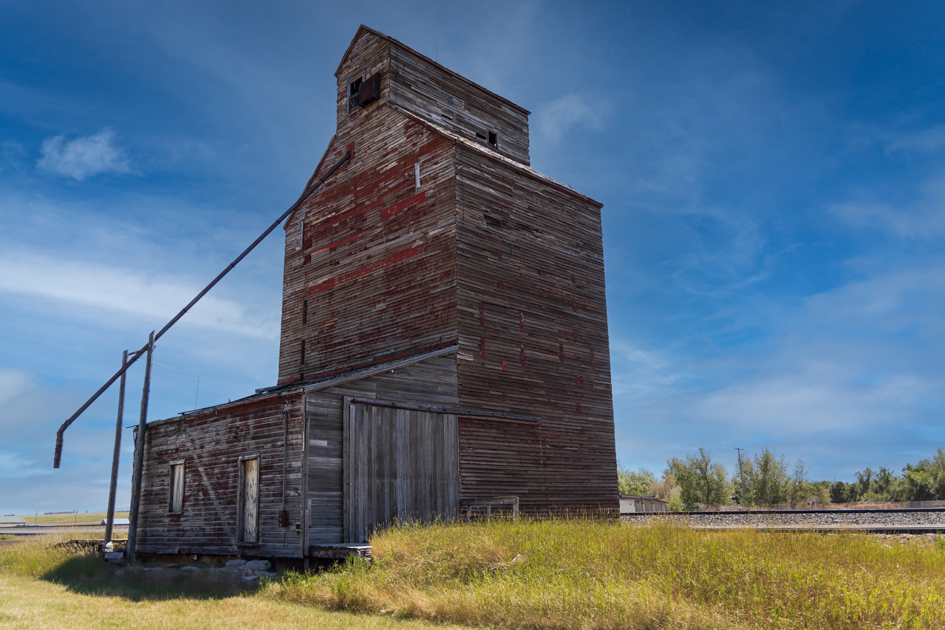
Montana is often called “Big Sky Country,” and once you’ve driven its backroads, you understand why. The horizon feels impossibly far, the clouds seem larger, and every mile of open road has a kind of quiet grandeur. Out here, the countryside itself is the attraction—rolling hills, winding rivers, and small ranches tucked into valleys where life moves at its own pace.
For me, Montana’s countryside isn’t about chasing big attractions; it’s about slowing down and seeing what unfolds around you. One afternoon, we pulled over to photograph a weathered barn. Within minutes, a herd of cattle wandered into the frame, the scene transforming from static architecture into a living moment. That’s the magic of Montana—you never quite know what’s waiting around the next bend.
What to See
Montana rewards the traveler willing to wander. You’ll find:
- Backroads dotted with barns and ranch fences, reminders of the state’s deep agricultural roots.
- Rivers and streams that carve through valleys, often reflecting the wide sky above.
- Small towns where grain silos and church steeples mark the skyline long before you arrive.
Photography Tip
Montana’s light is everything. Golden hour stretches longer here, spilling warmth across the hills and plains. Wide-angle lenses capture the vastness of the sky, but I also love pulling out a telephoto to frame the details: a lone tree silhouetted against rolling fields, or the curve of a river catching the last light.
If you’re into night photography, Montana is a dream. The dark skies outside of town reveal the Milky Way in astonishing clarity. Old barns or fence lines make perfect foreground subjects.
📸 For more images and stories, see my Exploring Montana’s Countryside: Windmills, History & Scenic Roads blog.
Why It Matters
Montana’s countryside isn’t about checking off a list. It’s about being present—the kind of place where you roll down the windows, breathe in the sage-scented air, and let the landscape remind you how big and beautiful the world really is.
Mount St. Helens: A Landscape of Renewal
Few places in the Northwest tell a story as powerful as Mount St. Helens. On May 18, 1980, the volcano erupted with such force that it reshaped the land for miles around. Whole forests were leveled, rivers rerouted, and the mountain itself lost more than a thousand feet from its summit. Today, the area around St. Helens is a living lesson in both devastation and resilience.
What fascinates me about Mount St. Helens is how the land has healed. Hiking the trails around the blast zone, you’ll see fields of wildflowers reclaiming the slopes, forests pushing their way back, and elk herds grazing where there was once only ash. It’s a reminder that nature doesn’t just recover—it thrives in unexpected ways.
- What to See: The Johnston Ridge Observatory is the best place to understand the eruption’s scale, with views directly into the crater. The Ape Caves, one of the longest lava tubes in the world, offer a unique underground adventure.
- Photography Tip: Wide shots capture the contrast between the raw crater and the green regrowth. Also don’t overlook the details—flowers blooming against barren soil are symbols of resilience worth framing.
Mount St. Helens is on my upcoming itinerary, and I can’t wait to share a full post with photographs and stories from the trails. For now, it’s enough to say: this is not just a mountain—it’s a testament to the ever-changing force of the Earth.
Mount Rainier: The Giant of the Northwest
Standing at 14,410 feet, Mount Rainier is the tallest peak in the Northwest and one of the most iconic mountains in the United States. Even from a distance—whether you’re in Seattle or flying overhead—Rainier dominates the horizon, a glacier-draped giant that feels both awe-inspiring and humbling.
Rainier is more than a mountain; it’s an ecosystem unto itself. Its slopes are home to vast glaciers, alpine meadows that burst with wildflowers in summer, and deep forests that seem to stretch forever. For photographers, it’s a dream location where every season offers a new palette of colors and moods.
- What to See: Paradise is the most popular area, with accessible trails and sweeping views of the peak. Sunrise offers another perspective, with fewer crowds and incredible vantage points for both hiking and photography. In late summer, the wildflower blooms here are legendary.
- Photography Tip: A telephoto lens is great for compressing Rainier’s massive glaciers, but I also love wide-angle shots that place hikers or meadows in the foreground to give a sense of scale. Sunrises and sunsets paint the mountain in pink and orange—worth the early alarm.
On my upcoming trip, Rainier is one of the stops I’m most excited about. It’s not just about photographing a mountain—it’s about experiencing a place where raw wilderness and fragile beauty exist side by side. Expect a full blog with trail recommendations and sunrise shots soon.
A 10-Day Northwest Loop
If you’ve got ten days, this loop connects some of the region’s most iconic sights with a few off-the-beaten-path stops.
Day 1–2: Portland → Mount Hood & Trillium Lake
Start your journey in Portland and head east. Explore the slopes of Mount Hood, wander Timberline Lodge, and photograph Trillium Lake at sunrise.
Day 3: Columbia River Gorge (Optional stop)
Waterfalls, winding roads, and dramatic cliffs make the Gorge a perfect day detour before heading into the Rockies.
Day 4–5: Glacier National Park (Montana)
Drive north into Montana and spend two days in Glacier. Take in Going-to-the-Sun Road, Logan Pass, and turquoise lakes framed by jagged peaks. Note: A timed entry ticket is required during peak summer season—see my full Glacier blog for details.
Day 6: Beartooth Highway (Montana/Wyoming)
Head south via Red Lodge, then climb the switchbacks of the Beartooth Highway. This drive is a destination in itself, with alpine lakes, wildflowers, and snowfields.
Day 7–8: Yellowstone National Park (Wyoming/Montana)
Spend two days in America’s first national park. Watch Old Faithful erupt, photograph Grand Prismatic Spring from above, and look for bison in Lamar Valley.
Day 9: Buckhorn, Wyoming
Step away from the big parks and slow down in Buckhorn. Grab lunch at the Buckhorn Bar and Grill, chat with locals, and capture everyday life on the plains.
Day 10: Devil’s Tower (Wyoming)
End your loop at this monolithic landmark. Walk the base trail, frame wide shots from the prairie, and—if you can—stay into evening for dark-sky astrophotography.
A Shorter 3–4 Day Northwest Trip
If you’re short on time, focus on Oregon and Washington:
- Day 1: Portland → Mount Hood & Trillium Lake
- Day 2: Mount St. Helens (blast zone + Ape Caves)
- Day 3: Mount Rainier (Paradise + Sunrise)
- Day 4 (Optional): Columbia River Gorge waterfalls before returning to Portland
Photography Tips for the Northwest
The Northwest is a dream for photographers—towering mountains, reflective lakes, wildlife on the move, and skies that seem to stretch forever. But it’s also unpredictable. Clouds roll in, wildlife disappears in a blink, and sometimes the most beautiful scene appears when you’re least expecting it.
If I’ve learned anything in my years of road tripping and photographing the Northwest, it’s this: always have your camera ready.
The Moment That Started It All
Years ago, on a business trip to Portland, I decided to visit Mount Hood before heading home. I didn’t have a plan, just a rental car and a free afternoon. Driving the backroads, I noticed a small sign pointing toward Trillium Lake. I turned without knowing what I’d find.
That moment changed everything.
When I reached the lake, I was greeted by the sight of Mount Hood reflected perfectly in still water. The scene stopped me in my tracks. I pulled out my camera, and in many ways, that’s where my photography journey began.
📸 This is the picture I took back then, on that very first trip.

At the lake, I met a couple who told me about a book they were using as their guide: The Most Scenic Drives in America (Reader’s Digest). Their goal was to drive every single one of the 120 routes in the book. While I often prefer finding my own hidden roads, their passion stuck with me. It reminded me that travel photography is as much about the journey as the destinations.
Tips for Photographing the Northwest
- Keep your gear accessible. Wildlife, weather, and light change fast. Don’t bury your camera in the trunk—keep it by your side.
- Chase the light. Golden hour is magical here, stretching longer in summer and warming up even simple scenes like barns in Montana or fence lines in Wyoming.
- Look for reflections. Lakes like Trillium and alpine ponds along the Beartooth Highway are natural mirrors. Arrive early when the water is still.
- Use both wide and telephoto. Wide shots capture mountains and skies; telephoto lenses isolate details—bison in Lamar Valley, wildflowers on Rainier, or the layers of Devil’s Tower rock.
- Don’t fear bad weather. Storm clouds over Yellowstone or mist rolling off Hood can make more dramatic images than a cloudless blue sky.
- Try astrophotography. Montana and Wyoming have some of the darkest skies in the country. A tripod, long exposure, and foreground subject (barn, fence, tower) can create unforgettable night images.
The Bigger Lesson
Photography in the Northwest isn’t about chasing the perfect shot; it’s about being open to what unfolds. That backroad sign to Trillium Lake taught me that detours are often the start of the best stories. So pack your camera, stay curious, and let the Northwest surprise you.
Resources & Next Reads
If you’re planning a Northwest adventure of your own, you might find these guides helpful as a starting point.
For photographers, my Travel Photography Gear Guide: Cameras, Lenses, and Accessories breaks down exactly what I carry on the road—from my Leica Q3 for sweeping landscapes to my Fuji X-T5 with its versatile lens kit. Whether you’re traveling light or building out a full system, it’s packed with tips for getting the most out of your gear while staying ready for anything the road throws at you.
If your goal is to go beyond the guidebooks, take a look at How I Find Off-the-Beaten-Path Destinations in The USA. It’s a deep dive into my process for uncovering quiet roads, hidden lakes, and those unexpected small towns—like Buckhorn—thatoften become the highlights of a trip.
And if you’re thinking about taking on a bigger journey, my 30-Day USA Road Trip Guide: How We Explore America’s Back Roads shows how I structure long cross-country adventures. From anchor stops like Yellowstone and Glacier to the spontaneous detours that make each trip unique, it’s a resource for anyone dreaming of a once-in-a-lifetime drive.
Each of these guides connects back to the heart of why I travel: to slow down, explore deeply, and capture the stories landscapes have to tell.
Final Thoughts
The Northwest is a region that stays with you. It’s the place where volcanoes rise above quiet lakes, where highways twist into alpine landscapes, and where small towns remind you that stories aren’t only found in national parks. From my first unexpected stop at Trillium Lake to long drives across Montana’s open plains, the Northwest has shaped my photography and deepened my love for the road less traveled.
What I’ve learned here is that the journey is just as important as the destination. Sometimes it’s the famous stops—Yellowstone’s geysers, the Beartooth Highway’s sweeping views—that take your breath away. Other times, it’s the surprise encounters: a local sharing their love of Buckhorn, or a side road leading to a lake you didn’t know existed. The Northwest rewards curiosity, patience, and a willingness to take the turn that isn’t on your itinerary.
See my detailed destination blogs
If you’re planning your own trip, I invite you to explore my detailed destination blogs linked throughout this guide. Each one dives deeper into the landscapes, trails, and moments that make these places unforgettable.
And if you’d like to follow along on future adventures—like my upcoming explorations of Mount St. Helens and Rainier—be sure to [sign up for my newsletter]. You’ll get my latest travel photography stories, tips, and free resources straight to your inbox.
For me, the Northwest will always be more than a region on the map. It’s a reminder to slow down, take the detour, and keep your camera ready.
For more inspiration beyond this region, see my main guide to Scenic Drives and Road Trips Across America.
Explore More Regions with Back Roads Lens
Over the years, my husband and I have wandered the back roads of nearly every corner of the country — from snow-capped mountains to quiet coastal towns. To make it easy to explore, I’ve divided my favorite “off-the-beaten-path” discoveries into regions. Whether you’re planning a long road trip or just looking for inspiration for your next weekend getaway, you’ll find plenty of hidden gems in each guide below.
Hawaii Travel Guide – Island beauty and volcanic wonder.
Southwest Region Travel Guide — Red rock canyons, desert highways, and timeless light.
Midwest Region Travel Guide – Rolling prairies and friendly small towns.
Northeast Region Travel Guide – Covered bridges and coastal charm.
Appalachian Region Travel Guide – Misty mountains and scenic byways.
Southeast Region Travel Guide – Spanish moss, historic towns, and coastal gems.
Alaska Travel Guide – Untamed wilderness and dramatic light.
Sign Up to get access to Travel Ideas, tips, Tricks and Back Roads Destinations: