
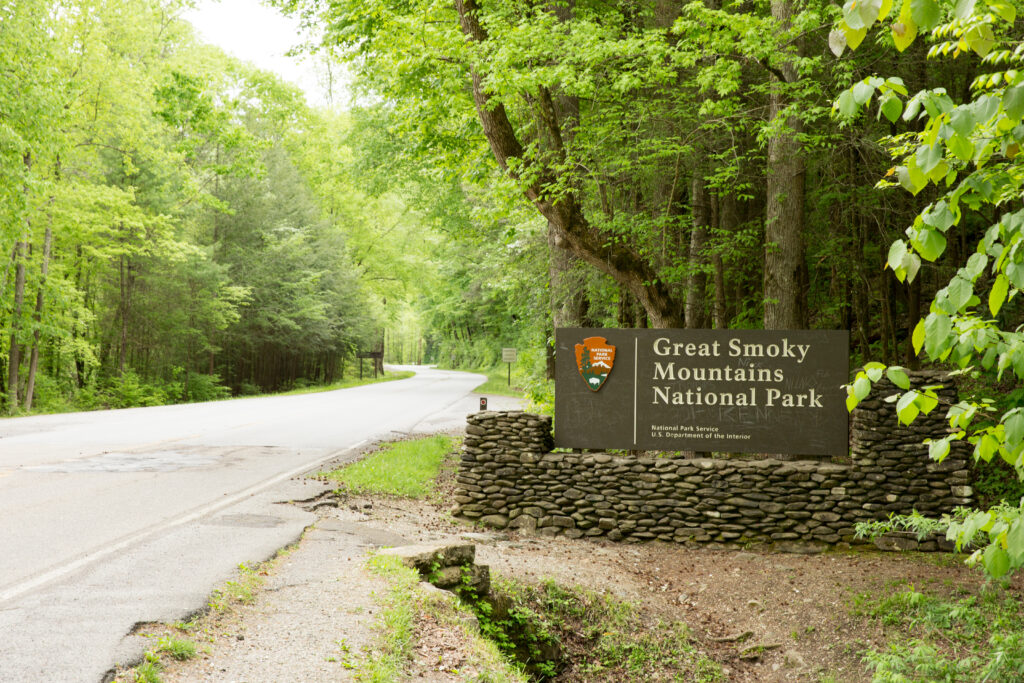
Tucked along the border of Tennessee and North Carolina, Great Smoky Mountains National Park is more than just a place of rugged peaks and rolling valleys. It’s a landscape that once echoed with the footsteps of settlers, farmers, and families who called these mountains home long before it became America’s most visited national park. For travelers, photographers, and anyone who craves a mix of history and natural beauty, the Smokies offer an endless canvas of views, hikes, and stories waiting to be uncovered.
A Land Once Lived In
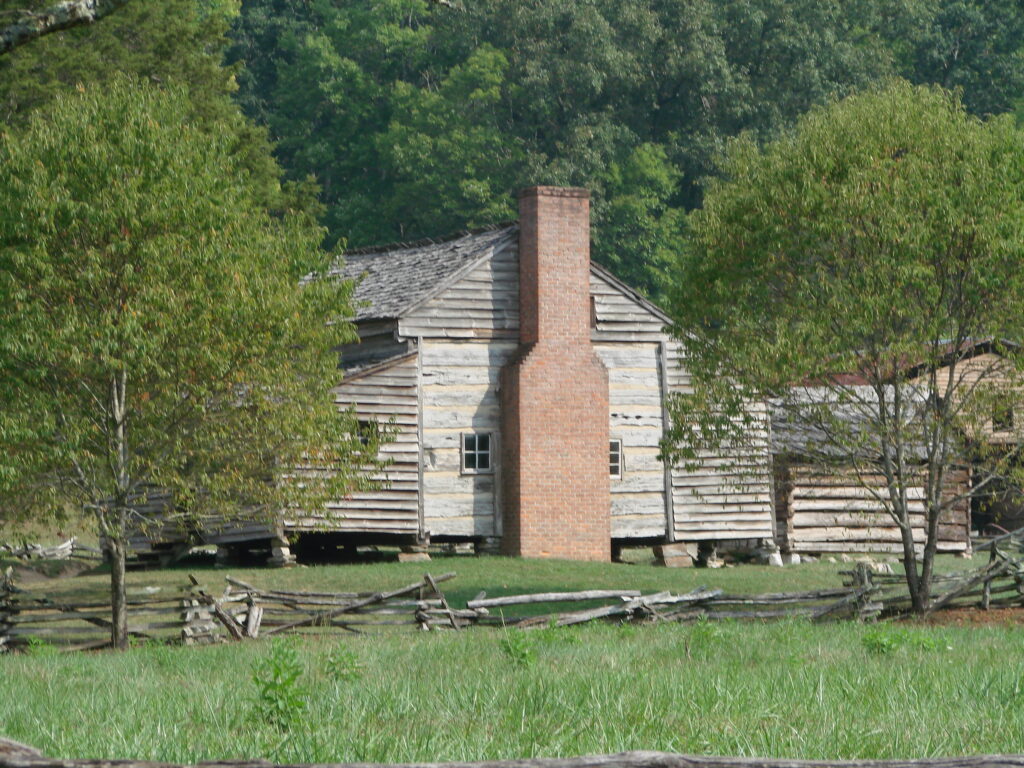
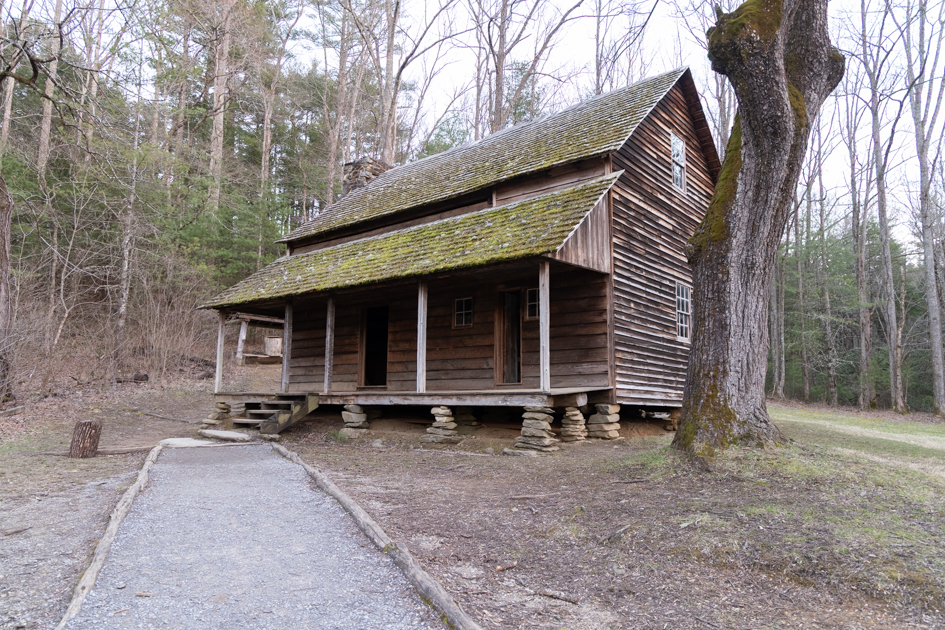
Before the national park was established in 1934, the Smoky Mountains were filled with small communities. Families lived in log cabins, farmed the land, built barns, and worshiped in simple mountain churches. Walking through these preserved homesteads today feels like stepping back in time—a reminder that the Smokies aren’t just a wilderness, but also a home that once bustled with life.
The Best Views of the Mountains
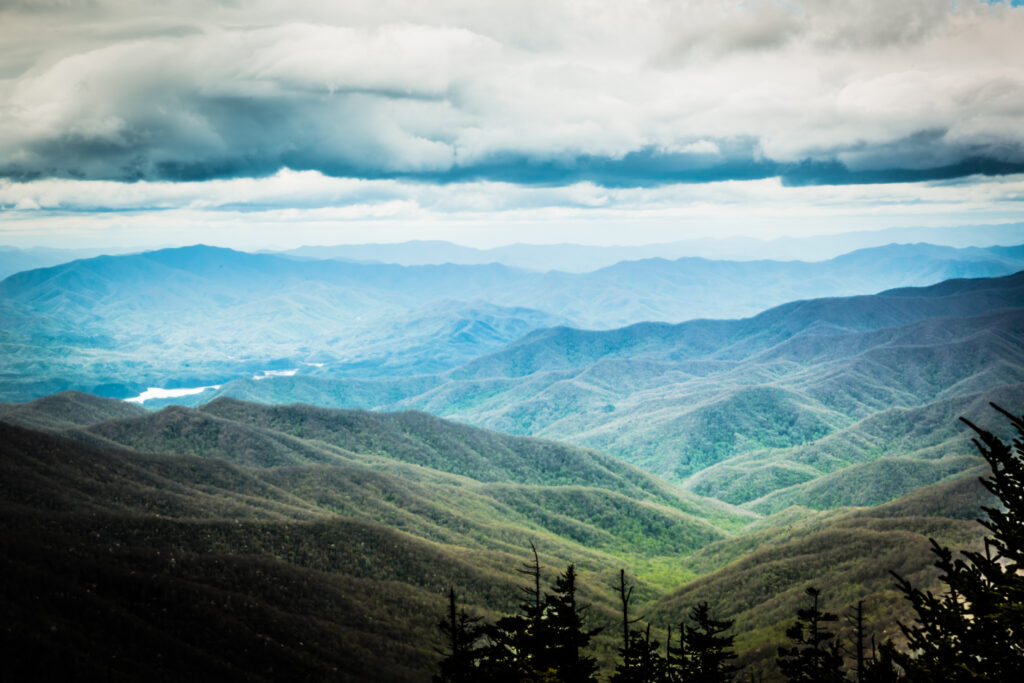
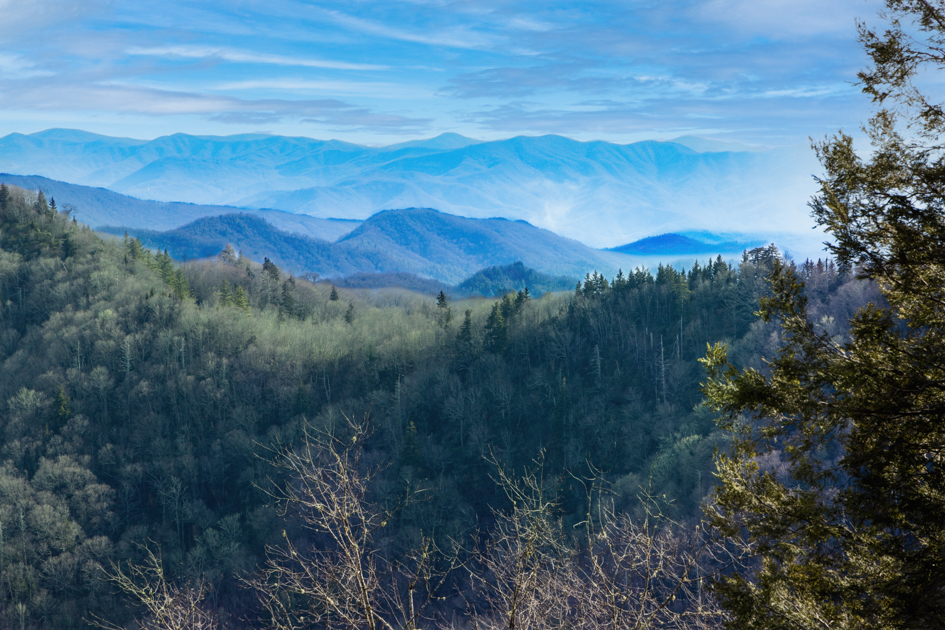
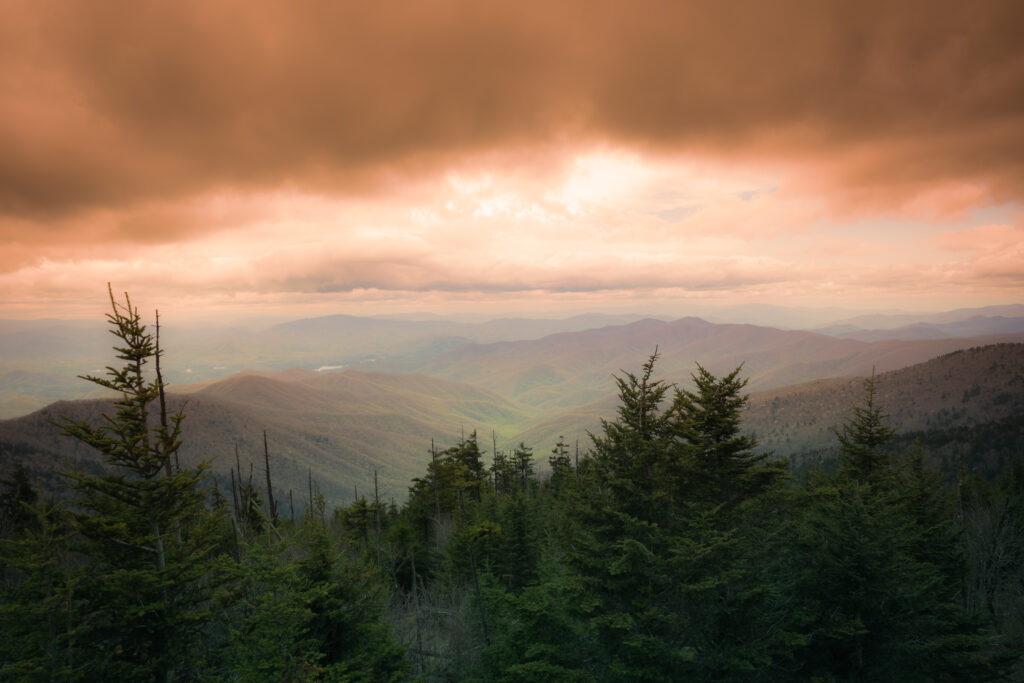
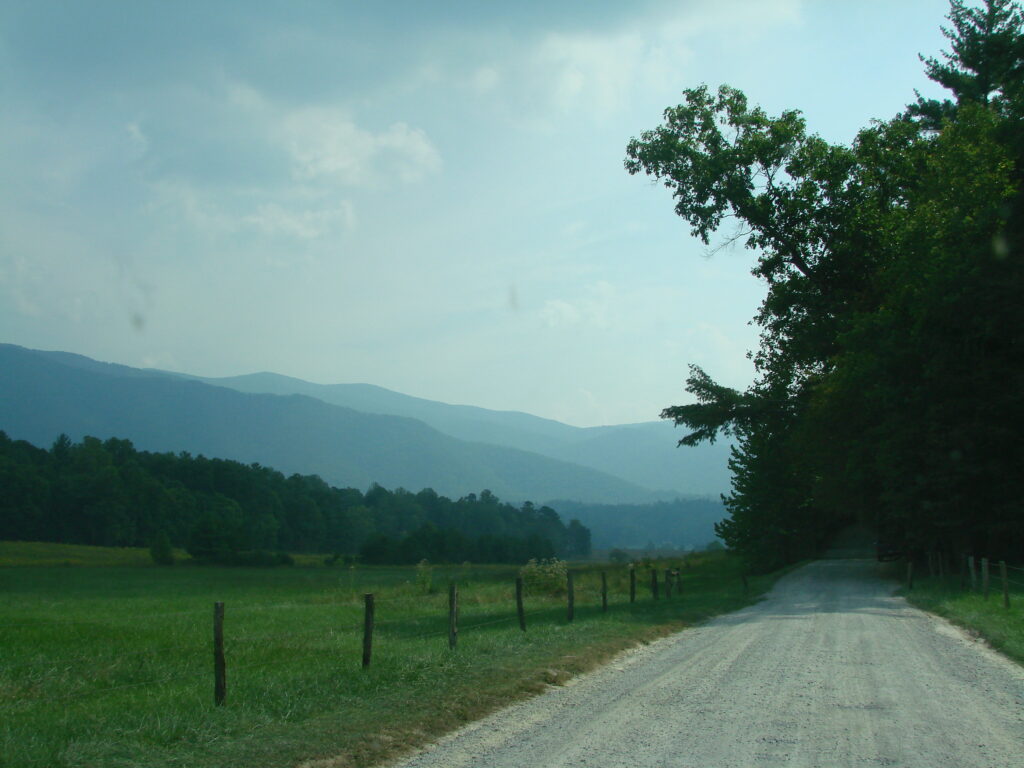
For photographers and sightseers, the Smokies are famous for their “smoky” blue haze that rolls across the ridges. Some of the best places to catch panoramic views include:
- Clingmans Dome – At 6,643 feet, the highest point in the park with a 360-degree observation tower.
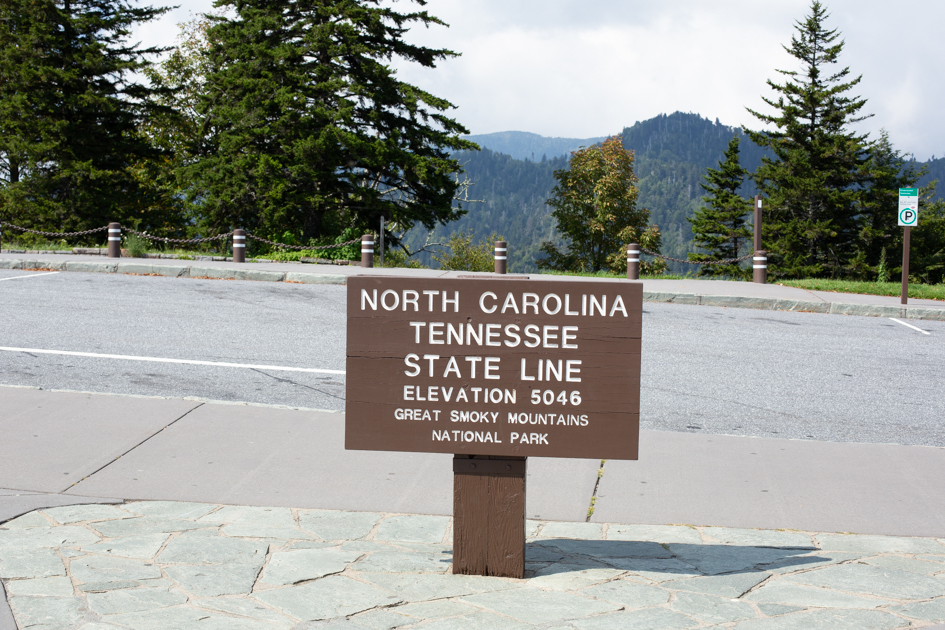
- Newfound Gap – A stunning overlook right along the main road through the park.
- Morton Overlook – A sunset favorite, with golden light spilling across layers of mountains.
- Foothills Parkway – A drive with sweeping views perfect for sunrise or fall foliage photography.
Best Things to See in the Smokies
The Smoky Mountains are a mix of nature and history. Don’t miss:
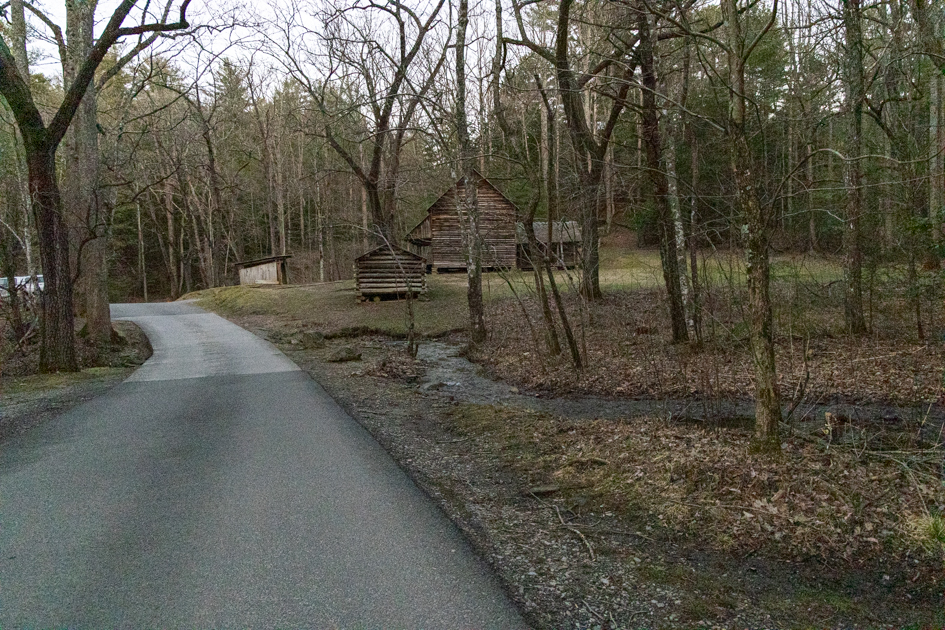
- Historic Cabins of Cades Cove – Beautifully preserved homesteads that give a glimpse of 19th-century mountain life.
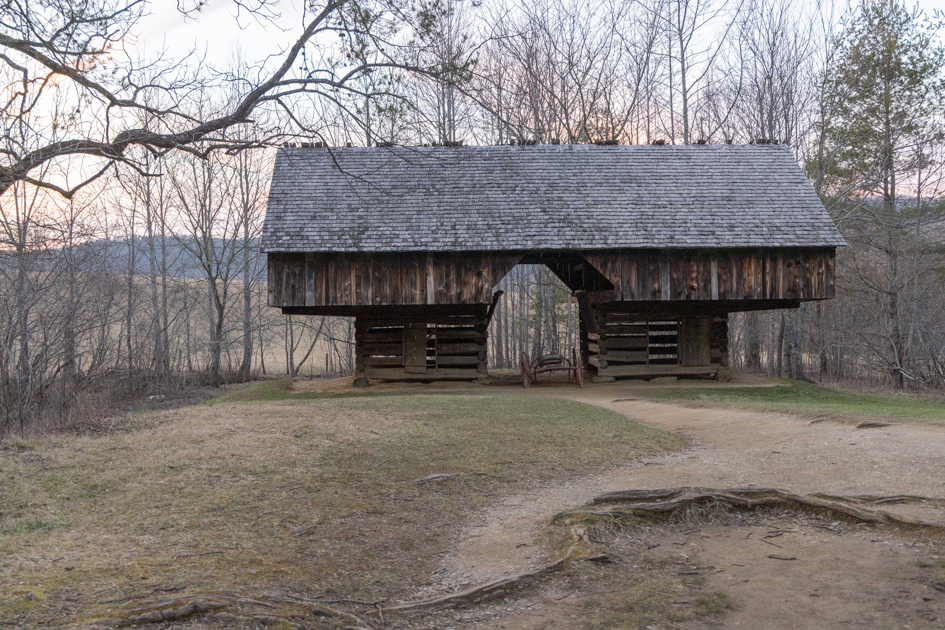
- The Cantilever Barn at Tipton Place – An architectural wonder where the upper story juts out, built this way to shelter animals and equipment while maximizing storage space above.
- Wildlife Watching – Cades Cove is also one of the best spots to see black bears, deer, and wild turkeys roaming the meadows.
- Waterfalls – Laurel Falls, Abrams Falls, and Grotto Falls are some of the park’s most photogenic cascades.
Hiking the Smokies
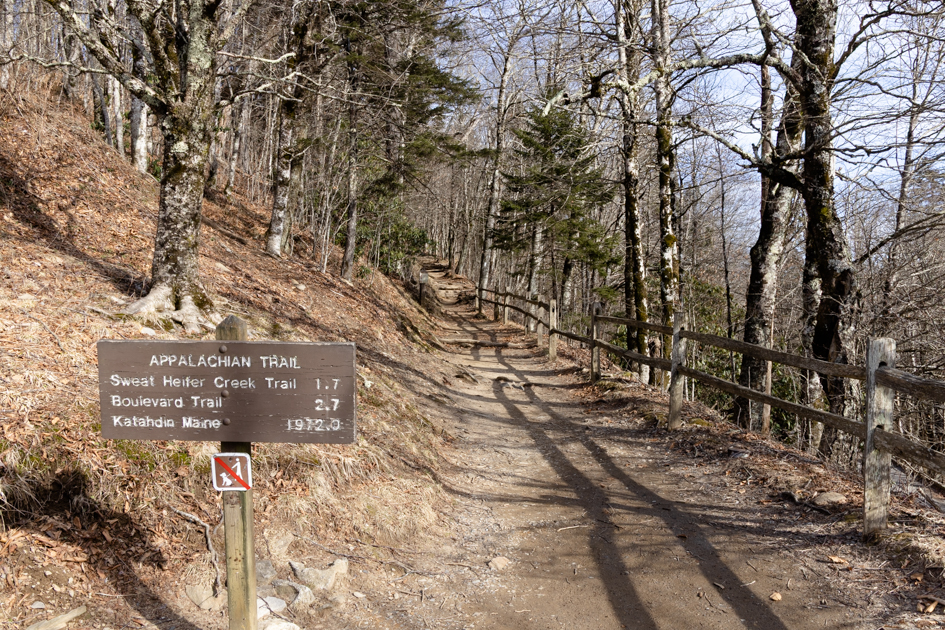
The park is home to over 800 miles of trails, ranging from easy strolls to multi-day backpacking adventures. A few standouts:
- Appalachian Trail – More than 70 miles of this legendary trail cut through the Smokies, offering both challenging climbs and unforgettable vistas.
- Alum Cave Trail – A 5-mile round-trip hike to sweeping views near Mount LeConte.
- Abrams Falls Trail – A moderate 5-mile hike ending at one of the park’s most powerful waterfalls.
- Andrews Bald – A shorter hike that opens to grassy meadows with panoramic views.
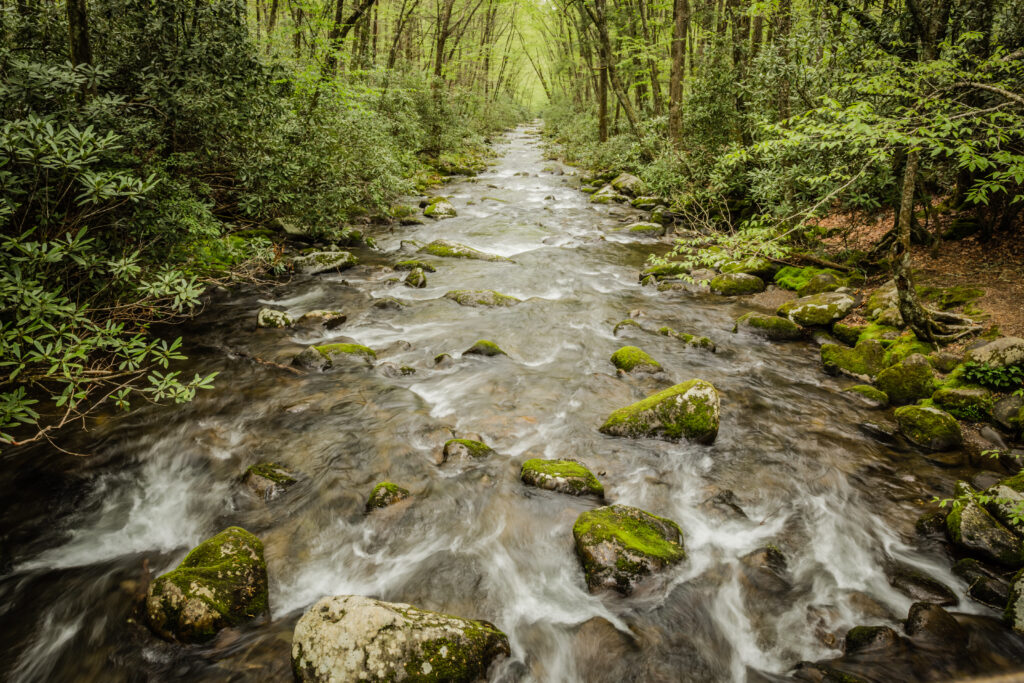
Cades Cove: A Window to the Past
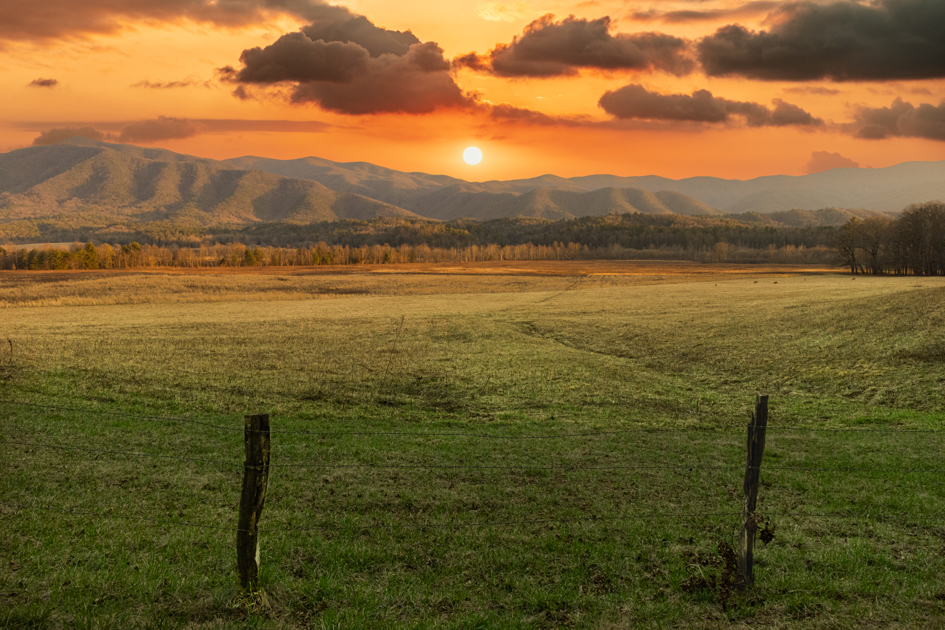
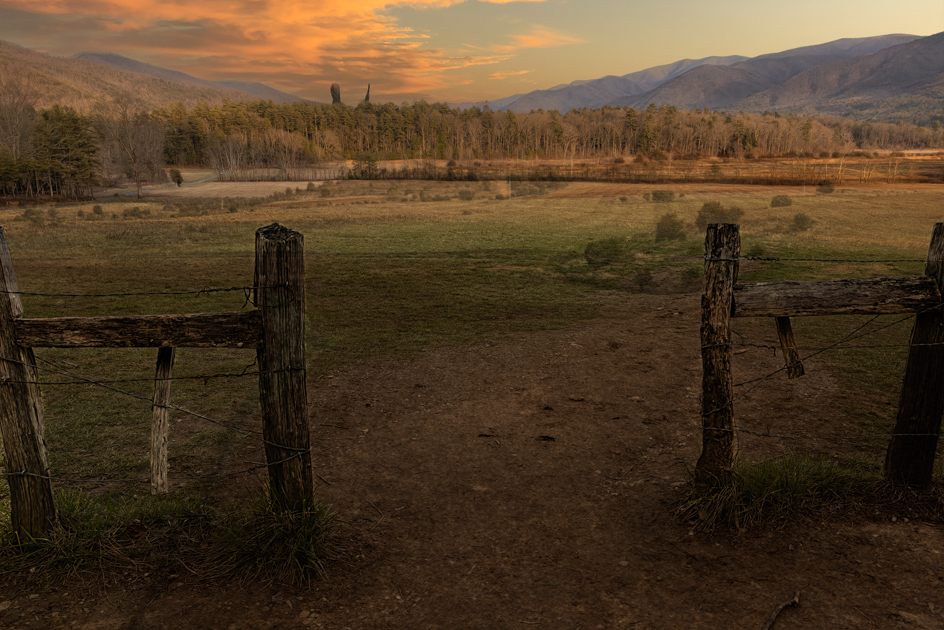
Perhaps the most iconic spot in the Smokies, Cades Cove is a wide valley ringed by mountains and filled with reminders of its early settlers. The loop road takes visitors past cabins, churches, barns, and old farm fields.
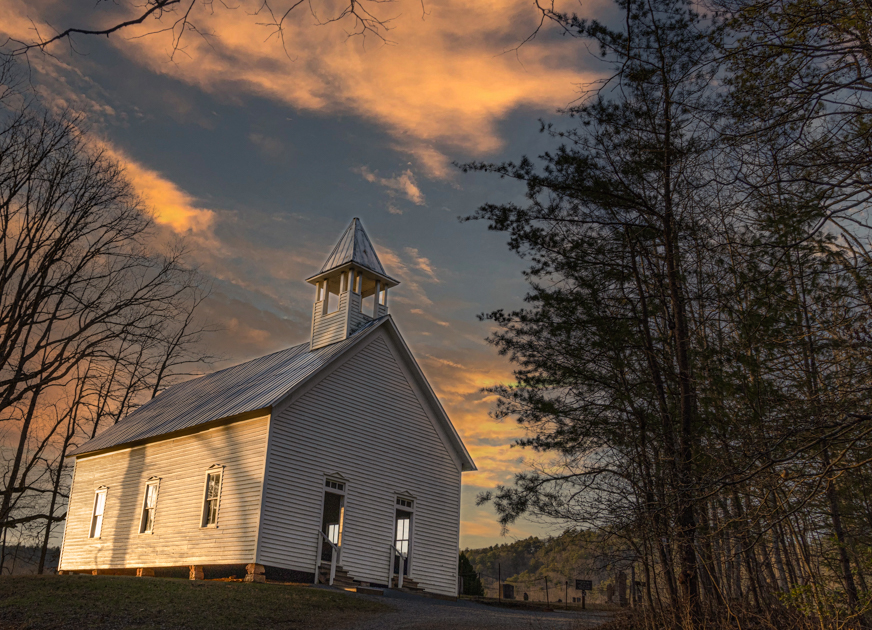
One highlight is the Primitive Baptist Church, established in 1827. Its white clapboard walls and simple wooden benches tell the story of faith in an isolated mountain community. Nearby cabins show how families lived, with stone chimneys and rough-hewn logs still standing strong.
The Cantilever Barn at Tipton Place
Unique to East Tennessee, the cantilever barn was designed with an overhanging second story. This allowed farmers to store hay and grain above while keeping the area below shaded and dry—perfect for livestock and equipment. The barn at Tipton Place is one of the finest examples, and it has become a favorite subject for photographers who love the blend of function and beauty in Appalachian design.
Where to Stay
From historic cabins to modern lodges, the Smokies offer a wide range of places to rest:
- LeConte Lodge – Accessible only by hiking, this rustic lodge near Mount LeConte is a bucket-list stay.
- Park Cabins – While you can’t rent the historic cabins in Cades Cove, plenty of nearby cabin rentals offer a similar mountain feel with modern comforts.
- Gatlinburg and Townsend – Towns just outside the park provide everything from cozy B&Bs to full-service resorts.
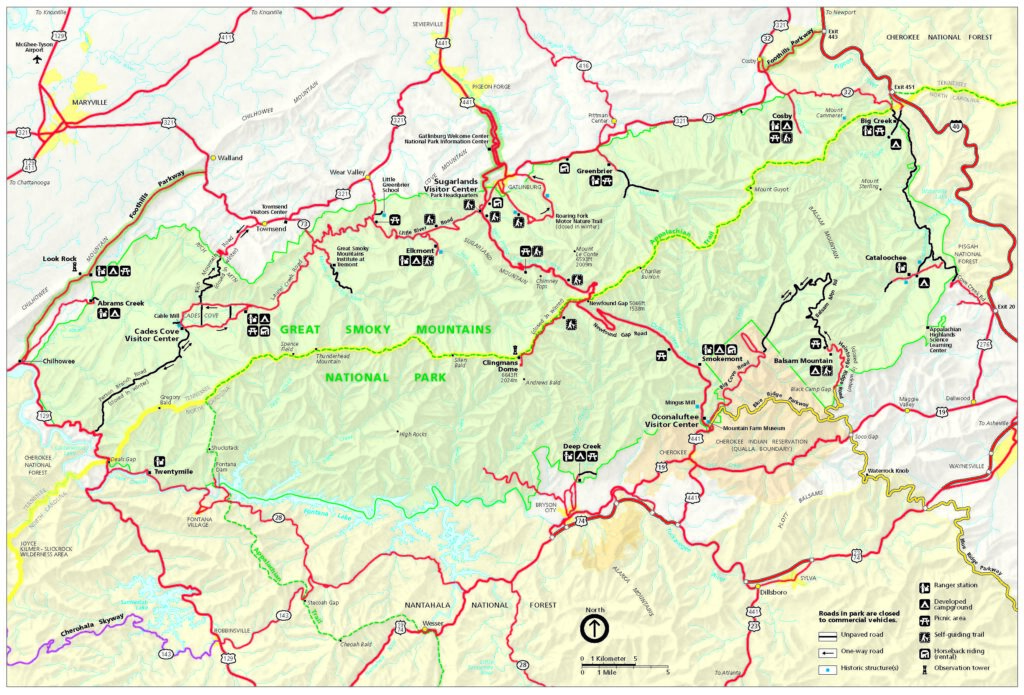
Map of Smoky Mountains National Park
Final Thoughts
The Smoky Mountains National Park is more than misty ridges and winding trails—it’s a place where history, culture, and nature come together. Whether you’re walking through a quiet church in Cades Cove, standing on Clingmans Dome at sunrise, or photographing the cantilever barn at Tipton Place, the Smokies invite you to slow down and see both the beauty of the land and the stories of those who came before. If you are in the Appalachian Region, you may want to visit some other off-the-beaten-path destinations there are more unique destionations in the Appalachian Region Travel Guide.
Don’t miss these locations near the Smoky Mountains:
- Blue Ridge Parkway Road Trip Guide: Scenic Stops, Mileposts & Travel Tips
- Exploring Natural Bridge in Lexington, VA: A Timeless Natural Wonder
Hit the back roads with me—get road-trip inspiration, hidden gems, and photography stories from across the USA!




Wow, I never knew the Great Smokies have such deep history!
First of all, the photos in this article are STUNNING! I found the photo of the ‘Primitive Baptist Church’ to be particularly awe inspiring and moving. While I think of the usual activities that people enjoy when visiting Smoky Mountain National Park, I never hear or read anyone discussing the settlers in the park or the earliest small communities. I really enjoyed reading about this aspect of the park.
Those views in the Great Smokies are incredible! We’ve never visited, but I’d love to fix that, looks well worth a visit!
Absolutely love these photos – just so beautiful!
Great article and photos! Seems like the Smoky Mountains are well worth a visit, I’ve never heard of them before. thank you for sharing!
This is such an inspiring and beautifully written guide! The Great Smoky Mountains National Park has been on my bucket list for a while, and now I want to visit it as soon as possible. Your photos capture the magic of the misty blue ridges perfectly, and the hiking tips—especially Clingmans Dome and Cades Cove—sound incredible. It’s easy to see why this park is such a treasure for both photographers and nature lovers.
That was a great overview on the Great Smoky Mountains with awesome photos that do a great representation of the area. I especially enjoyed your section on recommended hikes- I seem to get overwhelmed with all of the options on the several occasions that I have planned a trip to the Great Smokies! I absolutely love the photo of the sunset over Cades Cove!
What a beautifully written guide! Having visited the Smoky Mountains myself, I truly appreciate how you’ve captured their soul — especially in Cades Cove, where the Primitive Baptist Church and old cabins feel like a walk through time. I also loved your mention of the Cantilever Barn at Tipton Place — such an ingenious piece of Appalachian design. Your post beautifully blends the park’s history, heritage, and natural beauty, reminding me why the Smokies remain one of my favourite places to slow down and reconnect with nature.
I haven’t had the chance to visit the Smokies yet, but the landscape is absolutely stunning! I would very much enjoy photographing it and also learn about its history!
Years ago I read a book that had talked about the families that lived in the area where the national park is, I wish I could remember what it was called. Super interesting! I haven’t been to this park since I was a kid, but I’ve been wanting to go back!!
Hello! In my opinion, it is one of the most picturesque national park in the USA. Smoky mountains are so mysterious & vibrant at the same time. I love your list of places to stay in, as it’s so important to find out a good accommodation option.
Great Smokey Mountains are just breathtaking!