Section 1: Finding Balance on the Road
There’s a fine line between traveling to experience a place and traveling to photograph it. Over the years, I’ve learned that the best trips happen when I find the middle ground — when I let the story unfold naturally instead of chasing it frame by frame. It’s the art of balancing travel and photography — taking time to breathe in the moment while still capturing it through my lens. I use many of the same planning techniques I share in How I Plan and Photograph the Perfect USA Road Trip.
I used to plan my itineraries with precision: sunrise here, golden hour there, blue hour at that overlook. And while that level of detail has its place (see my post on Practical Travel Tips for Photographers for ways to stay organized on the road), I also learned that sometimes the most memorable photos are the ones that weren’t on the list. The quiet coffee stop in a small town. The way morning light hits the side of an old barn. The local who waves you down just to share a story. And always remember to respect the local communities. I explore this more in Respecting Local Communities on the Road: Traveling with Awareness and Integrity.
Balancing Travel and Photography
Balancing travel and photography means giving equal space to both — embracing spontaneity while staying mindful of your creative goals. I dive deeper into this idea in my post on Mastering Travel Photography, but here, I want to explore the rhythm of the road: when to slow down, when to shoot, and how to let each moment guide you.
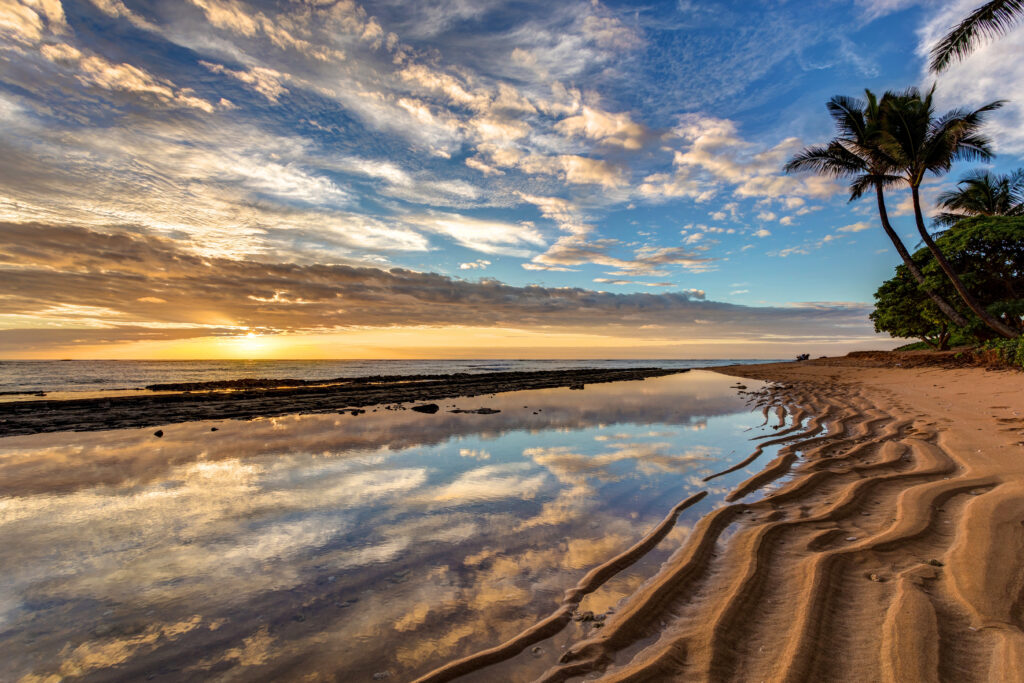
Whether you’re wandering the back roads of the Midwest or chasing sunrise along the Kauai coast, it’s about knowing when to put down the camera and simply be there. That’s where the real balance begins. You may want to read more about slow mindful photography in The Art of Mindful Photography.
Section 2: Planning with Flexibility
Start with a Framework, Not a Fixed Plan
When I plan a photography trip, my spreadsheets and maps usually start out detailed — color-coded routes, sunrise times, and a list of must-see stops. But experience has taught me that even the best plans need room to breathe. The road always has a way of surprising you.
Leave Room for the Unexpected
I still believe in having a framework. My post on How I Plan and Photograph the Perfect USA Road Trip outlines how I balance logistics and creativity — building an itinerary that keeps me organized but open. I research key photography locations, check light conditions, and note backup options in case the weather changes (and it always does).
Embrace Detours and Imperfection
Planning with flexibility also means packing with intention. My post on Practical Travel Tips for Photographers shares how I keep my gear minimal so I can move freely. A smaller setup gives me the confidence to wander — to follow a light pattern down a side street or hike an unmarked trail without feeling weighed down.
Let the Journey Shape the Story
The truth is, the more you plan for flexibility, the more room you create for genuine experiences. The next time your schedule shifts or a cloud covers the sunrise, take it as an invitation — sometimes the best photograph isn’t the one you planned for, it’s the one you almost missed.
Section 3: Living in the Moment — When to Put the Camera Down
See Before You Shoot
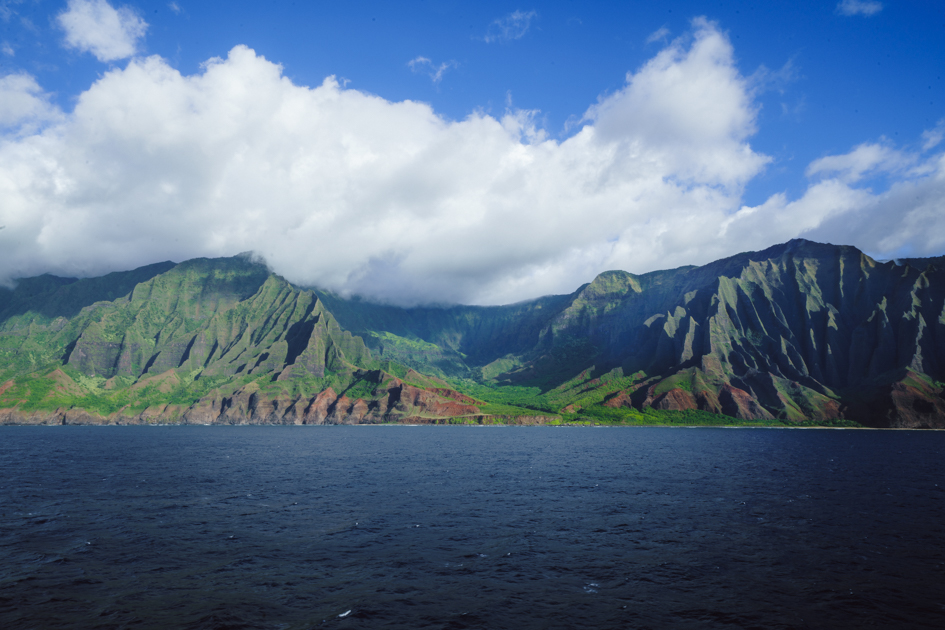
There’s a moment on every trip when I realize I’m seeing the world more through my camera than with my eyes. It usually hits me somewhere quiet — like standing beside a mountain lake at dawn or watching the last bit of light fade behind the Nā Pali cliffs.
Connect Emotionally Before You Compose
In my post on Mastering Storytelling on the Road, I talk about how every photograph carries a fragment of the story behind it. If I don’t take time to actually feel the place, the story loses its depth. So I’ve learned to pause. To set the camera down, breathe, and simply exist in the scene before trying to capture it.
Let Stillness Strengthen Creativity
In Mindfulness and Creativity in Travel Photography, I share how slowing down often leads to stronger compositions. When I stop rushing to “get the shot,” I start noticing smaller details: patterns in the sand, the rhythm of waves, the way light moves across a leaf.
Be Fully Present — Even at Home
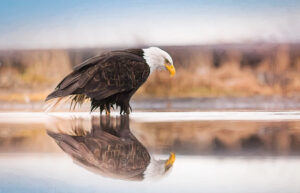
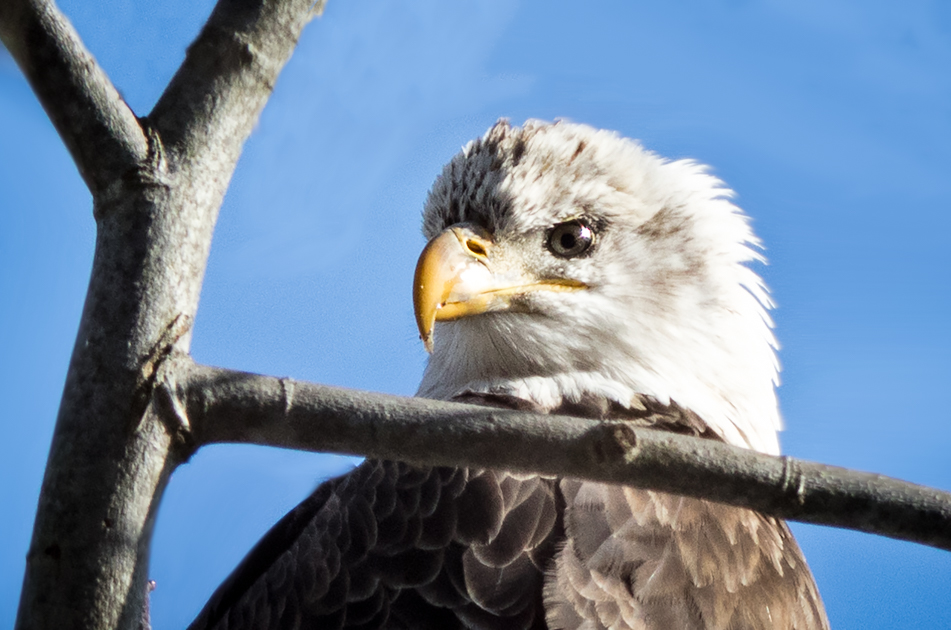
When I was photographing eagles for Finding the Wild Close to Home, I found that staying still — just listening to the river and watching their movements — taught me more than any burst sequence ever could. Those moments shaped how I tell visual stories today.
Section 4: Traveling Light — Simplifying Gear and Mindset
Less Gear, More Freedom
There’s freedom in traveling light — not just in the weight of your bag, but in your mindset. I’ve learned that the more gear I bring, the less spontaneous I become. I start thinking about what lens I should use instead of focusing on what’s unfolding in front of me. To see how I travel light, see Packing: One-Lens Travel — How to Simplify Your Photography and See More.
Build a Streamlined Setup
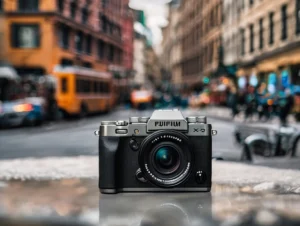
In my post on Travel Photography Gear & Setup, I share how I’ve refined my kit to include only what I truly use. My Leica Q3 and Fujifilm X-T5 give me everything I need without the bulk.
Pack Smart, Not Heavy
When I wrote Packing Smart for a Photography Road Trip, I talked about the balance between being prepared and being practical. Traveling light isn’t about compromise; it’s about clarity.
Carry Comfortably and Confidently
Even the right bag makes a difference. In Choosing the Right Camera Bag for the Road, I explain how a comfortable, well-organized bag encourages me to carry what matters and leave the rest behind.
Free Your Mind Along with Your Gear
Let go of the pressure to photograph everything. When you travel light in both gear and spirit, balance follows naturally — and so do the best images.
Section 5: Finding Rhythm — Creating Flow Between Travel and Photography
Let the Road Set the Tempo
Every trip has its rhythm — that quiet beat that tells you when to explore, when to rest, and when to lift your camera. Finding that rhythm takes practice.
Alternate Shooting Days and Slow Days
Some days are meant for photographing from dawn to dusk; others are for simply being a traveler. That ebb and flow keeps me creatively fresh and emotionally grounded.
Keep Workflow Simple and Intentional
In Workflow and Editing on the Road, I share how I organize files and back up images so editing never interrupts the experience. Small evening review sessions keep me inspired without feeling like work.
Let Composition and Intuition Guide You
In Mastering the Art of Composition on the Road, I explore how allowing your surroundings to guide you leads to stronger images. Some of my best photographs came when I stopped looking for them and started feeling them.
Photography as a Rhythm, Not a Race
Finding your rhythm means knowing that photography doesn’t have to dominate the journey. When you learn to listen to that pace, your photographs start to tell the story of a balanced traveler — not just a busy photographer.
Section 6: Reflection — The Journey Behind the Lens
Balancing travel and photography is less about perfect planning and more about awareness — knowing when to pause, when to adapt, and when to let go. Every trip teaches me something new about this balance. Sometimes it’s patience, like waiting hours for an eagle to take flight. Other times, it’s humility — realizing that no photograph can ever fully capture the magic of a place.
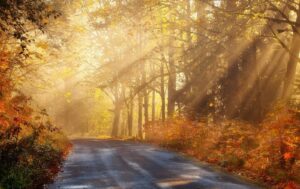
In the end, the images I treasure most aren’t just the sharpest or the most dramatic. They’re the ones that remind me of how it felt to be there — the smell of rain on red rock in the Southwest, the laughter of a local café owner on the Big Island, the golden stillness before sunrise on a quiet back road. Even local travel experiences like Keneke’s Grill reveal the human side of travel photography.
The camera may record the scene, but the heart records the story. When we learn to balance both — the technical and the emotional, the traveler and the artist — we create photographs that truly reflect the journey.
That’s the essence of Travel and Photography Tips: Balancing the Journey — not mastering one or the other, but weaving them together until they become one seamless story. If you to read more about other areas of photography, see Using Reflection in Travel Photography.
🌎 Explore More
If this post resonated with you, keep exploring these guides and stories that deepen the art of balance behind the lens:
📸 Travel & Photography Tips
- Practical Travel Tips for Photographers – Real-world advice for staying organized, creative, and flexible.
- Travel Photography Gear & Setup – My go-to kit for road trips, national parks, and everyday adventures.
- Mindfulness and Creativity in Travel Photography – The art of slowing down to see more clearly.
- Mastering Shooting in Low Light – learn to be an expert in low light photography
- Mastering the Histogram: A Simple Guide to Better Exposure – learn tips to get better exposure
🏞️ On the Road
- How I Plan and Photograph the Perfect USA Road Trip
- Scenic Drives and Road Trips Across America
- Exploring Oahu: From Lighthouse Views to Local Eats
- Regional Back Roads and Byways
🐦 In the Wild
Mastering the Art of Wildlife Photography
Finding the Wild Close to Home
Ethics and Respect for Wildlife
🌿 Stay Connected — Stories from the Road
If you love exploring the back roads, chasing golden light, and finding balance between travel and photography, join my newsletter Back Roads Lens.
Each month, I share new travel guides, photography lessons, behind-the-scenes stories from the road, and exclusive printables like my Leica Q3 & Fujifilm X-T5 Travel Photography Guide.
👉 Subscribe Here to start receiving inspiration straight to your inbox — one story, one photograph, one journey at a time.