A Peaceful Morning on the Cliffs
There’s something about Kauai that slows you down the minute you arrive. The air feels softer, the colors richer, and the ocean—somehow—bluer than anywhere else.
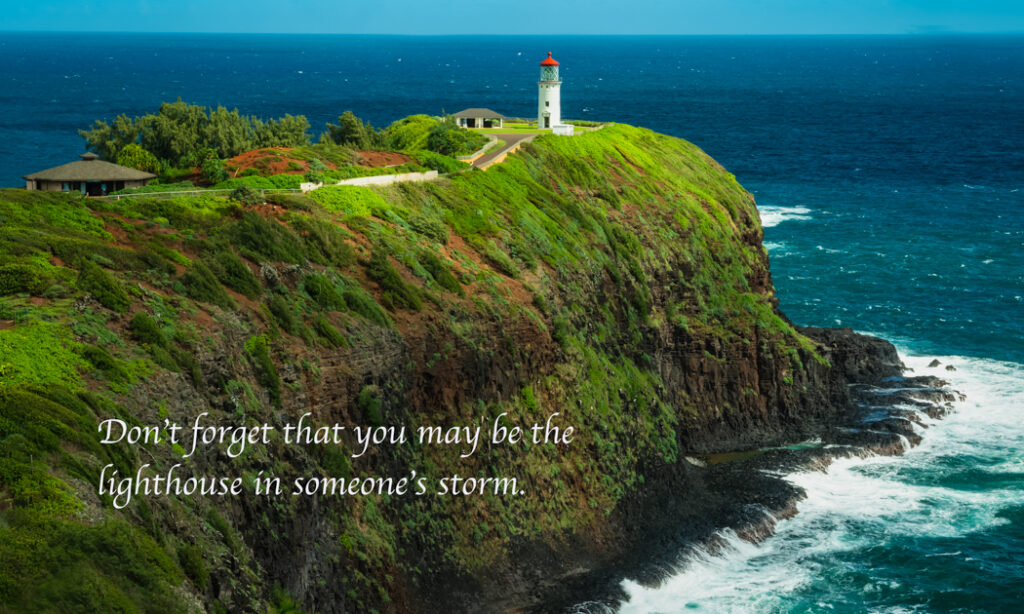
At the northern tip of the island, the Kīlauea Lighthouse stands watch over it all. It’s one of those places where you can just stop, breathe, and take in the view without rushing to the next stop on the map.
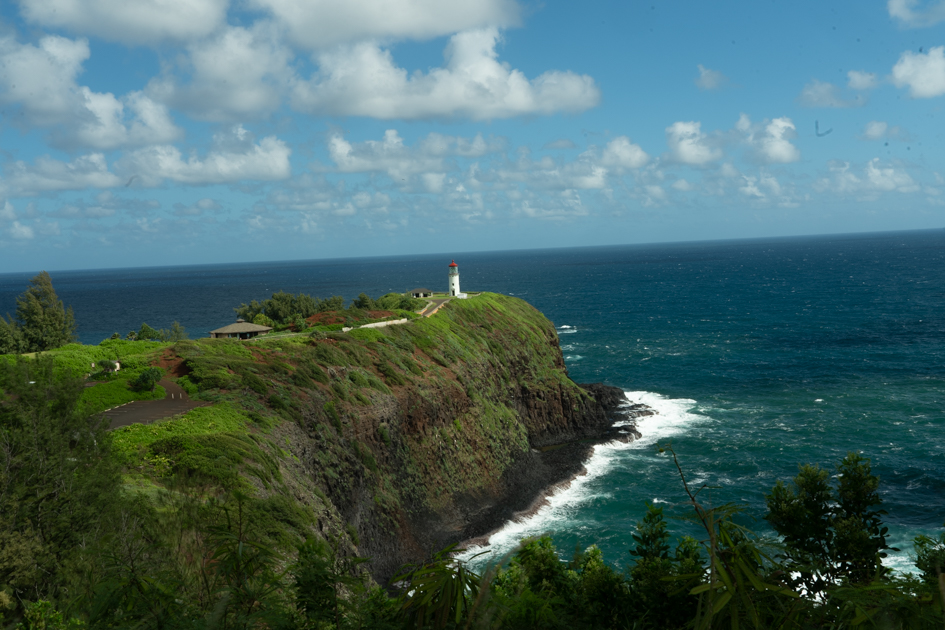
I visited on a clear morning when the wind carried the scent of salt and plumeria up the cliffs. The red-capped lighthouse gleamed in the sunlight, a bright contrast to the dark volcanic rock below. It’s easy to see why this is one of the most photographed spots on Kauai.
If you’re exploring more of the island, you can find my full guide to the best stops and photography spots in my Kauai Travel Guide.
A Lighthouse with a Century of Stories
The Kīlauea Lighthouse was built in 1913 and, for decades, guided ships safely around Kauai’s rugged coastline. Long before radar and navigation apps, its powerful Fresnel lens—one of the largest ever made—was a shining signal to mariners crossing the Pacific.
Though it was retired from active service in the 1970s, the lighthouse still stands proudly as part of the Kīlauea Point National Wildlife Refuge. A modern light continues the tradition nearby, but the original tower has become more than a navigational landmark—it’s a living piece of island history.
Like many places I’ve written about across the islands in my Hawaii Region Travel Guide, Kīlauea balances history, scenery, and that unmistakable island calm.
Why It’s Worth the Stop
Even if you’re not usually drawn to historic sites, the setting alone is reason enough to visit. The cliffs drop dramatically into the Pacific, seabirds glide through the wind, and if you’re lucky, you might even spot humpback whales offshore during the winter months.
For photographers, the light here is stunning. Morning brings soft gold on the cliffs; late afternoon turns everything a warm pink hue. It’s the kind of spot that makes you grateful for whatever camera you’re holding—even if it’s just your phone.
I share a few favorite camera settings for bright coastal light in my Mastering Travel Photography post.
Still Shining in Its Own Way
Though the original light no longer guides ships, the Kīlauea Lighthouse still shines in a different sense. It’s a gathering place—for seabirds, for travelers, and for anyone who just wants to stand somewhere that feels timeless.
It’s the kind of place that reminds you what travel is really about—pausing long enough to notice the simple things. The sound of the ocean. The flash of a bird’s wings. The way the wind seems to carry the island’s stories across the sea.
Like I mention in my Finding the Wild Close to Home moments like this remind me that the best encounters with nature often happen when you least expect them..
A View from the Road
Getting There
If you’re exploring Kauai’s North Shore, you don’t have to go far out of your way to reach the lighthouse. From Kapaʻa or Princeville, follow Kuhio Highway (Route 56) and turn onto Kīlauea Road near the small town of Kīlauea. The road winds gently past quiet neighborhoods, local farms, and the kind of lush greenery that seems to swallow the pavement in places.
Keep driving until the pavement ends — literally. The road stops at the entrance gate to Kīlauea Point National Wildlife Refuge, and just before that gate, you’ll find a small gravel lot where you can pull over. From here, you’ll get a distant but beautiful view of the lighthouse perched on its rocky cliff.
If you’re planning your route around the island, my Kauai Travel Guide breaks down how to combine this stop with nearby favorites like Hanalei Bay and the North Shore beaches.
Entry and Hours
The Kīlauea Point National Wildlife Refuge is open Tuesday through Saturday from 10 a.m. to 4 p.m., but note that the entry gate closes at 3:30 p.m. sharp. It’s closed on Sundays, Mondays, and federal holidays.
Timed-entry reservations are required and can be made in advance at recreation.gov. Tickets often sell out quickly during peak months, so it’s smart to plan ahead — especially if you’re hoping to photograph in the softer morning light.
The Roadside Lookout
Even if the refuge is closed or you don’t have a reservation, this little roadside lookout is worth the detour. You can see the white tower standing against the deep blue Pacific, framed by rugged cliffs and wind-bent grass. The sound of waves echoes up from below, and seabirds seem to drift endlessly in the air currents.
On my first visit, I parked here on a whim — just to take a quick look — and ended up staying half an hour, watching red-footed boobies circle in the wind. The view isn’t close, but there’s something serene about seeing the lighthouse from a distance, like a quiet moment between the island and the sea.
For fellow photographers, this is a great spot to practice long-range wildlife shots or atmospheric landscapes — a few of my tips for settings like this are in Mastering Travel Photography.
Photography Tip
If you want to photograph the lighthouse from the road, bring a zoom lens — something in the 200–300mm range works well. I used my Fuji X-T5 with the 70–300mm lens and 1.4x teleconverter, which let me pull in both the lighthouse and the birds gliding overhead.
The light here can be harsh midday, so I usually shoot in Aperture Priority around f/8 for sharpness and keep ISO low to hold onto the rich blues of the water.
Early morning or late afternoon gives the best contrast — the cliffs glow warm and the lighthouse almost looks illuminated from within. If you’re working with the Leica Q3, its wide dynamic range handles the brightness beautifully, especially for wide scenic shots that include both sky and sea.
You can see the exact setup I used for this shot in my Travel Photography Gear Guide.
If You Have Time to Go Inside
If you’re lucky enough to snag a reservation, the inside of the refuge offers an even closer look. You can walk right up to the base of the lighthouse and stand at the edge of the cliffs, surrounded by seabird colonies. The entry fee supports conservation efforts, and it’s worth every penny.
Like many of Hawaii’s hidden gems I’ve written about in my Hawaii Region Travel Guide, this one blends natural beauty, history, and photography in the perfect mix.
Seabirds, Whales, and the Wild Life of Kīlauea Point
Where Birds Rule the Sky
If there’s one thing that truly makes Kīlauea Point National Wildlife Refuge unforgettable, it’s the sheer number of birds. The cliffs around the lighthouse are alive with wings — red-footed boobies, great frigatebirds, tropicbirds, and Laysan albatross all call this rugged coastline home.
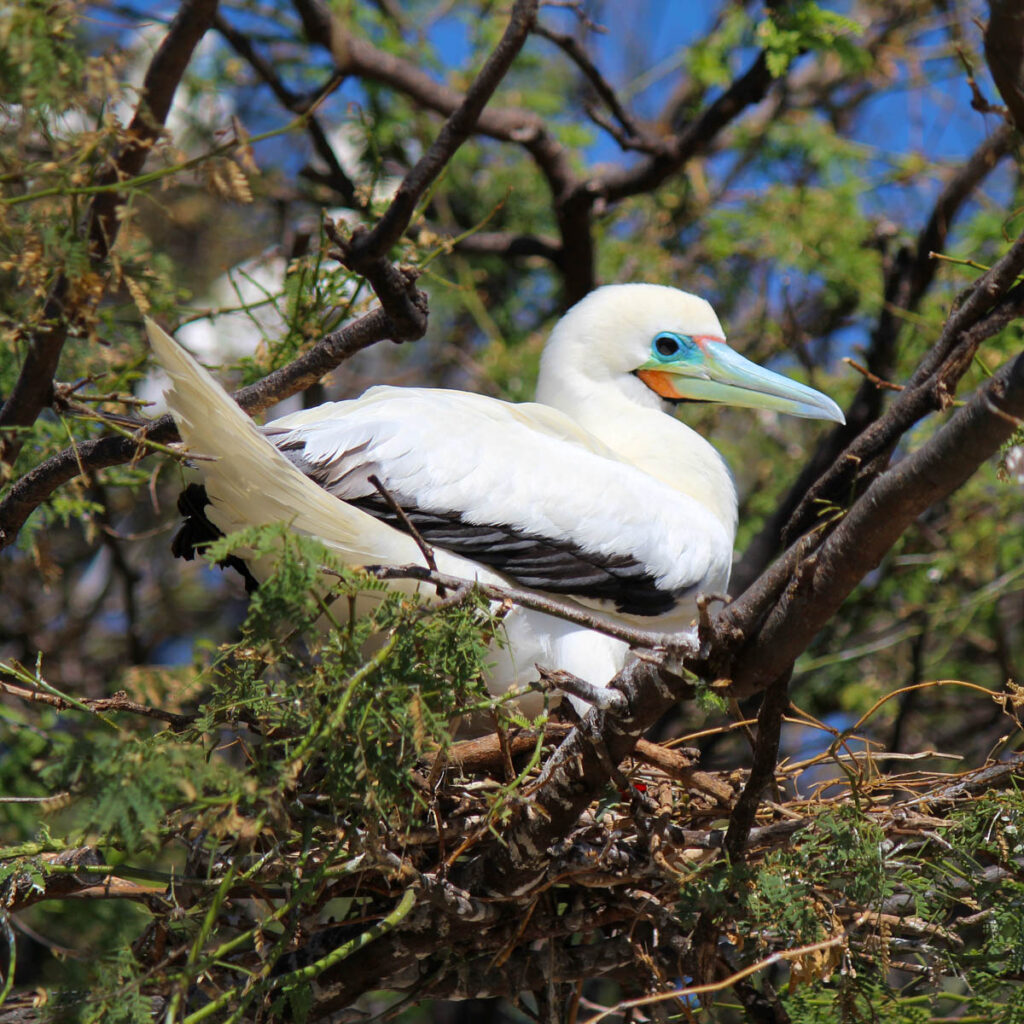
At first, you’ll just notice the shapes circling in the wind. But give your eyes a minute to adjust, and suddenly you’ll see hundreds of birds nesting, swooping, and gliding over the waves below. It’s a photographer’s dream — and a reminder that this stretch of coastline belongs more to them than to us.
It reminded me of the moments I wrote about in my Finding the Wild Close to Home, when patience, light, and timing come together in a single frame.
Wildlife Box: Seabirds You May See at Kīlauea Point
| Species | Notes / Behavior |
| Red-footed Booby (ʻĀ) | The most visible resident — they nest in shrubs and trees and often glide effortlessly above the cliffs. |
| Great Frigatebird (ʻIwa) | With a wingspan of up to seven feet, these aerial pirates chase other seabirds midair to steal their catch. |
| Red-tailed Tropicbird (Koaʻe ʻUla) | Elegant white seabirds with striking red tail streamers; they nest in cliffside crevices. |
| White-tailed Tropicbird (Koaʻe Kea) | Similar to their red-tailed cousins but with pure white plumes. |
| Wedge-tailed Shearwater (ʻUaʻu Kani) | Best spotted at dusk; they nest in burrows along the slopes. |
| Laysan Albatross (Mōlī) | Majestic ocean wanderers that occasionally visit and sometimes nest nearby. |
| Nēnē (Hawaiian Goose) | Hawaii’s state bird — often grazing near the refuge’s open grassy areas. |
Bonus Sightings:In winter, keep watch for humpback whales breaching offshore or spinner dolphins playing below the cliffs.
Whales on the Horizon
From December through April, the ocean just beyond Kīlauea Point often plays host to humpback whales. If you’re lucky, you’ll spot one breaching offshore or see a misty spout rising in the distance. There’s no guarantee, but it’s worth keeping a telephoto lens handy — the combination of the lighthouse and a whale in the same frame is pure Hawaii magic.
I stood at the railing for nearly an hour the last time I visited, camera ready, hoping for that moment. I didn’t get the whale shot that day.
Why This Place Matters
Beyond the views, Kīlauea Point Refuge plays a vital role in protecting Hawaii’s native seabirds. The area is a nesting sanctuary where fragile ecosystems still thrive, largely untouched by development. Standing there, you can sense the balance between preservation and accessibility — the effort it takes to let people experience wild places without overwhelming them.
It’s that same balance I talk about in Finding the Wild Close to Home— learning to appreciate nature quietly, without taking too much from it.
Photography Tip: Capturing Wildlife in Motion
If you’re hoping to photograph the birds in flight, use a fast shutter speed (1/2000 sec or faster) and continuous autofocus (AF-C). I usually shoot in burst mode with my Fuji X-T5, letting the camera track the motion as the birds dive and turn.
For wide scenic shots — especially with the lighthouse in the frame — I switch to the Leica Q3 in Aperture Priority (around f/8) to balance sharpness and depth. Early morning light works beautifully here, soft enough to keep details in both the sky and the white walls of the lighthouse.
I talk more about timing, focus, and motion settings for scenes like this in Mastering Travel Photography.
A Moment to Pause
It’s easy to rush from one view to the next on Kauai, but this is a place worth lingering. The longer you stay, the more you see — the rhythm of the waves, the graceful flight paths of the birds, and the way the light dances across the cliffs.
Every visit here reminds me why I’m drawn to travel photography in the first place: to notice the wild beauty that’s still out there, holding steady against time and tide.
Planning Your Visit to Kīlauea Lighthouse
Tips for Visiting
- Parking: There’s a small lot near the refuge gate, with limited spaces for those with reservations. The gravel area just before the entrance is open for short roadside viewing.
- Weather: Bring a light jacket — it’s often windy on the point. The breeze can be refreshing, but it can also make tripod work a challenge.
- Sun Protection: There’s little shade once you’re out by the cliffs, so sunscreen and a hat are must-haves.
- Binoculars: Highly recommended for watching seabirds or spotting whales offshore.
- Accessibility: The paved paths to the viewpoint are gentle and wheelchair-friendly.
I’ve shared a few of my favorite lightweight gear and packing tips for spots like this in Travel Tips and Tricks.
Nearby Stops
Once you’ve finished exploring the lighthouse area, make time for a few other gems nearby:
- Kīlauea Town: A charming little community with a coffee shop and local art galleries — great for a mid-morning break.
- Hanalei Bay: Just 20 minutes away, it’s one of Kauai’s most photographed beaches and pairs beautifully with a lighthouse stop.
- Anini Beach: Calm, shallow water and a quiet spot for an afternoon swim.
- For another unforgettable view of Kauai’s coast, explore the towering Nā Pali Cliffs on the island’s north shore.”
You can find more island highlights like these in my Hawaii Region Travel Guide.
Photography Tip
If you visit mid-day when the light is harsh, try shooting from slightly off-angle to the sun to soften glare and bring out the texture in the cliffs. Polarizing filters help deepen the ocean blues, and if you’re working with the Leica Q3, its high dynamic range lets you recover a lot of detail in post.
You’ll find my go-to filters and setup for bright coastal light in the Travel Photography Gear Guide.
Reflections at the Edge of the Pacific
Standing at Kīlauea Point, it’s easy to understand why sailors once relied on this little lighthouse. Even after more than a century, it still feels like a guidepost — not just for ships, but for anyone drawn to places where nature still leads the story.
The cliffs here have been shaped by wind and waves for thousands of years, yet the lighthouse remains steady. I love that contrast — strength against motion, stillness against the sea. It’s the same quiet power I’ve found in so many of my favorite off-the-beaten-path stops across America.
Like much of Hawaii, which I explore in my Hawaii Region Travel Guide, Kīlauea balances beauty, solitude, and history in a way that feels timeless.
If you linger long enough, you’ll notice how alive this place is — seabirds drifting over the cliffs, the surf pounding below, the wind humming through the grass. It’s not a loud kind of beauty. It’s quiet, persistent, and deeply grounding — the kind that stays with you long after you’ve driven away. Much like the Kolekole Pass Trail on Oʻahu, this lighthouse captures the untouched spirit of the islands. If you’re heading inland, don’t miss Waimea Canyon — Kauai’s red rock masterpiece.
It reminds me of what I wrote in Finding the Wild Close to Home: sometimes the most powerful encounters with nature aren’t about the grand landscapes, but the quiet ones that teach you to simply pause and notice.
Stay Connected
Love exploring the hidden corners of America’s islands and coastlines?
Subscribe to my Back Roads Lens Newsletter for free travel photography tips, gear guides, and new stories from the road — including my latest Hawaii adventures on Oahu, Maui, Kauai, and the Big Island.