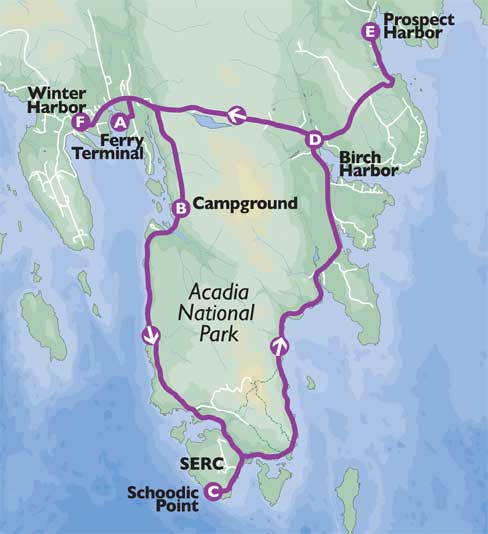
There’s something about the Schoodic Peninsula that feels like Maine decided to keep a secret from the rest of us. While most visitors to Acadia National Park flock to Bar Harbor and Mount Desert Island, Schoodic sits quietly across Frenchman Bay — rugged, remote, and wonderfully unbothered by the crowds. It’s the kind of place where you can roll down your window, breathe in the salt air, and actually hear the ocean instead of tour buses.
The Road Less Traveled
Getting here already feels like part of the adventure. Once you cross over to the mainland side of Acadia, everything slows down. Fishing villages pop up between pine trees, weathered docks lean into the tide, and the road signs start sounding a bit like tongue twisters.
I started in Winter Harbor, a small town that could easily double as a movie set for “Authentic Maine.” The locals still wave when you drive by, the bait shop doubles as the best place for gossip, and the smell of salt and diesel hangs in the air like an old friend.
From here, I took the Schoodic Loop Road, a 6-mile one-way drive that hugs the edge of the peninsula inside Acadia National Park. The road twists past spruce forests, rocky cliffs, and sudden openings where the ocean stretches forever. I pulled over more times than I’ll admit — every bend seemed to offer a new photo waiting to happen.
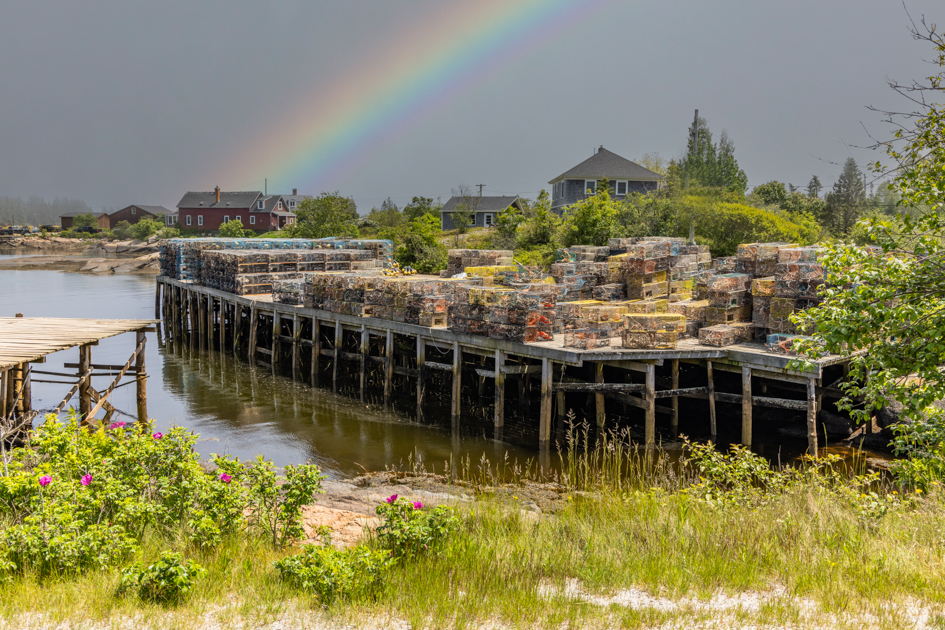
If you’ve followed my blog for a while, this drive is very much in the spirit of my Northeast Region Travel Guide — all about slowing down and soaking up the hidden gems tucked between small towns and scenic byways. The Schoodic Loop is the kind of route that reminds me why I love road trips: the journey itself is the destination.
A Place Carved by History and the Sea
Long before it became part of Acadia National Park, this area was home to shipbuilders, fishermen, and families who decided that fog, storms, and rocky soil weren’t deal-breakers. The name “Schoodic” is believed to come from a Native American word meaning “end” or “place of rocks” — both feel fitting once you’ve seen how the granite coastline seems to hold up the whole world.
Unlike its busier neighbor across the bay, Schoodic has kept its wild character. No bustling tourist strip, no endless line of souvenir shops — just the sound of the surf pounding against the rocks and the occasional cry of a gull who’s definitely judging your picnic choices.
The Lighthouses That Saved the Day
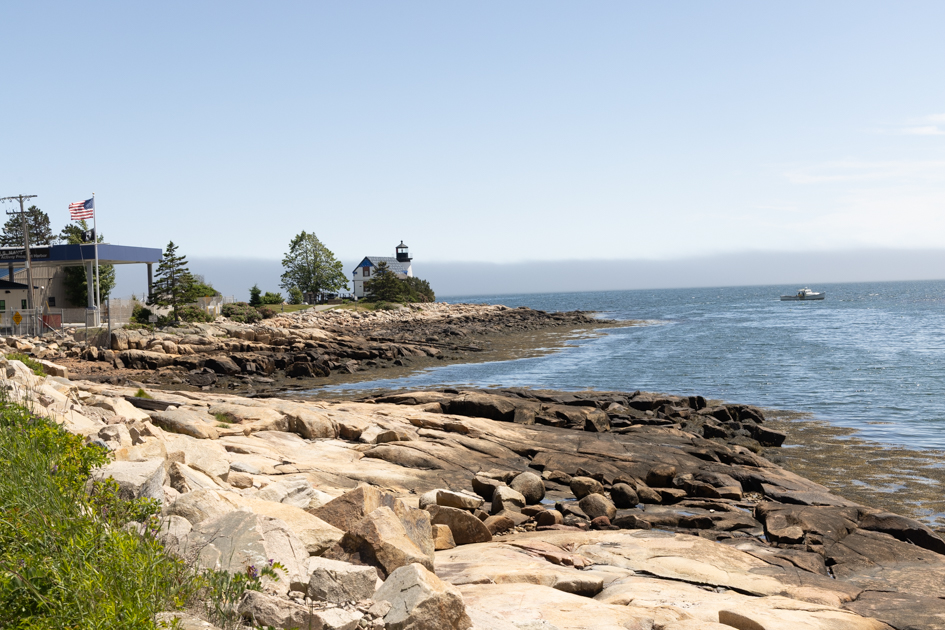
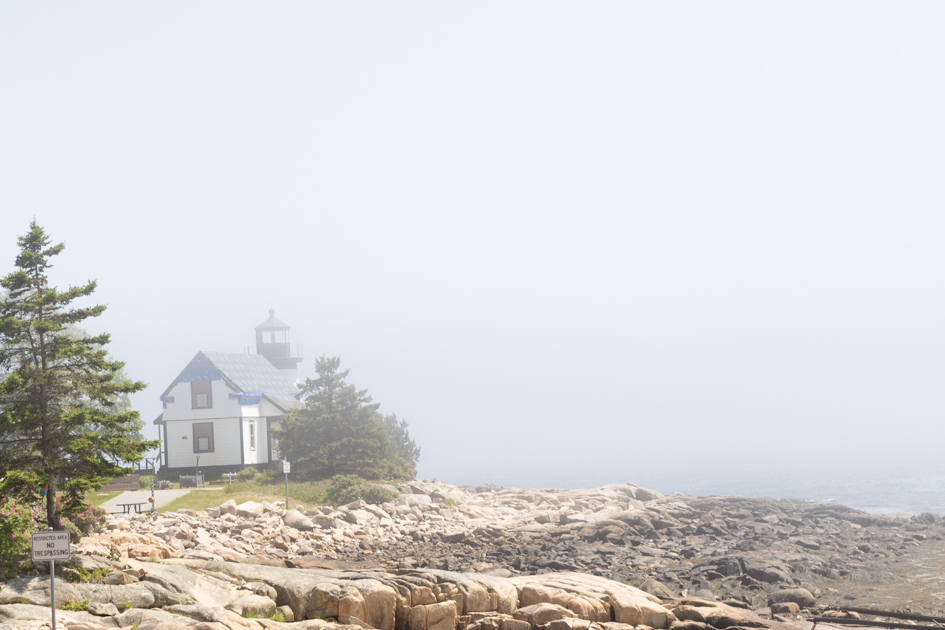
It doesn’t take long on this coastline to understand why Maine needed so many lighthouses. The fog can roll in faster than your GPS can recalculate. I photographed the Winter Harbor Lighthouse on a perfect summer morning — blue skies, calm sea, everything sparkling. Five minutes later, a wall of fog swallowed it whole. Gone. The only sign it was still there was the faint echo of a bell buoy somewhere in the mist.
That’s the magic of this coast: it keeps you guessing. These lighthouses weren’t built for beauty (though they deliver that in spades) — they were built for survival. Before radar and GPS, these beams of light were lifelines for captains navigating the dangerous ledges and shifting weather of Frenchman Bay.
If you’re a lighthouse fan like I am, you’ll probably love my Maine section in the Northeast Region Travel Guide— I list a few others worth chasing along this part of the coast.
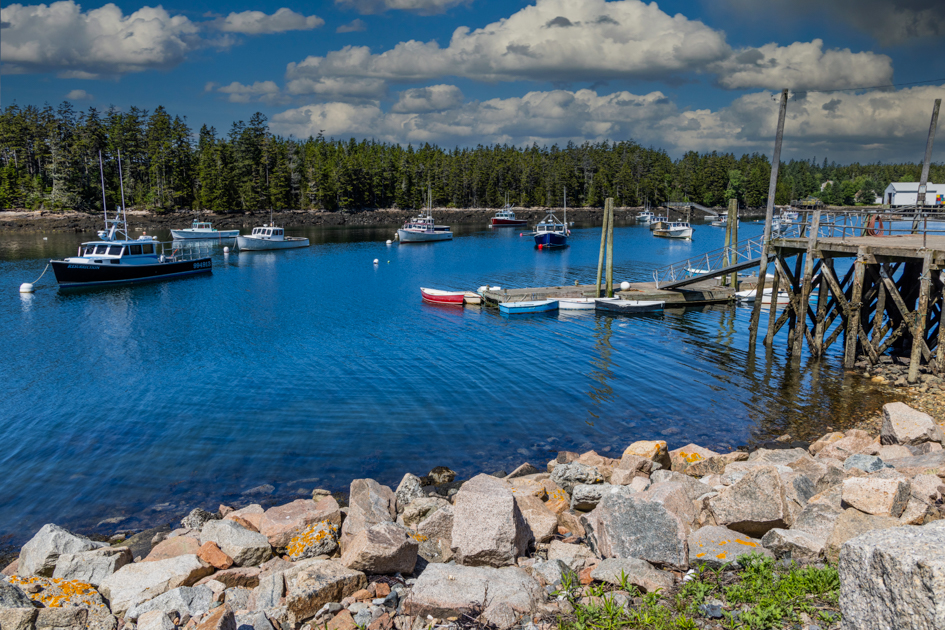
Life in a Lobster Town
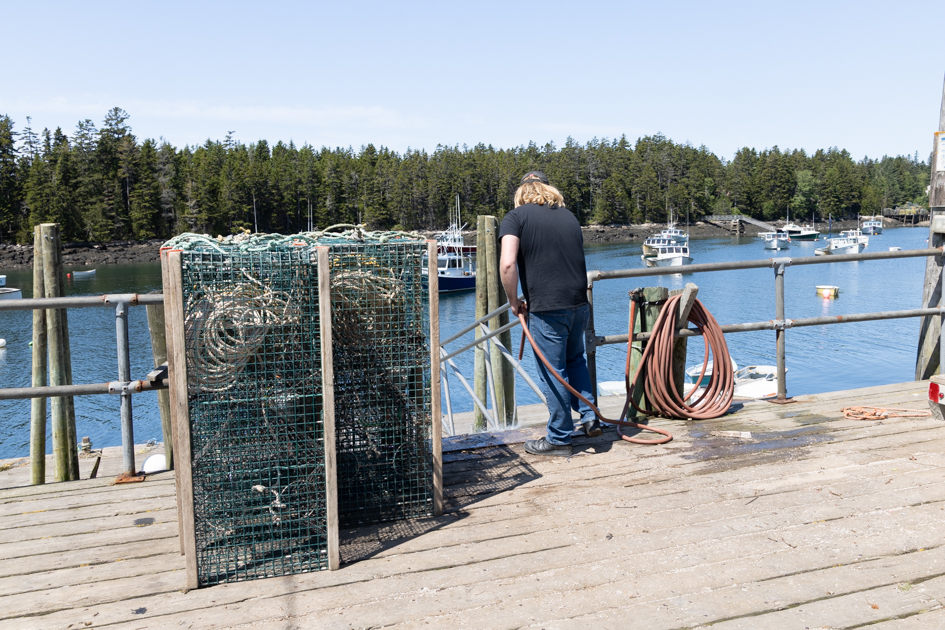
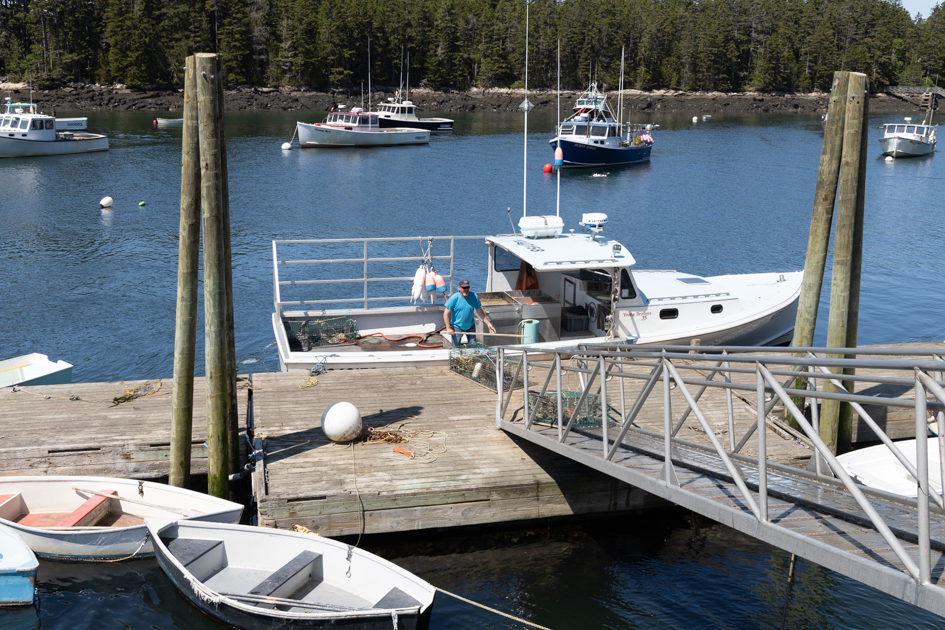
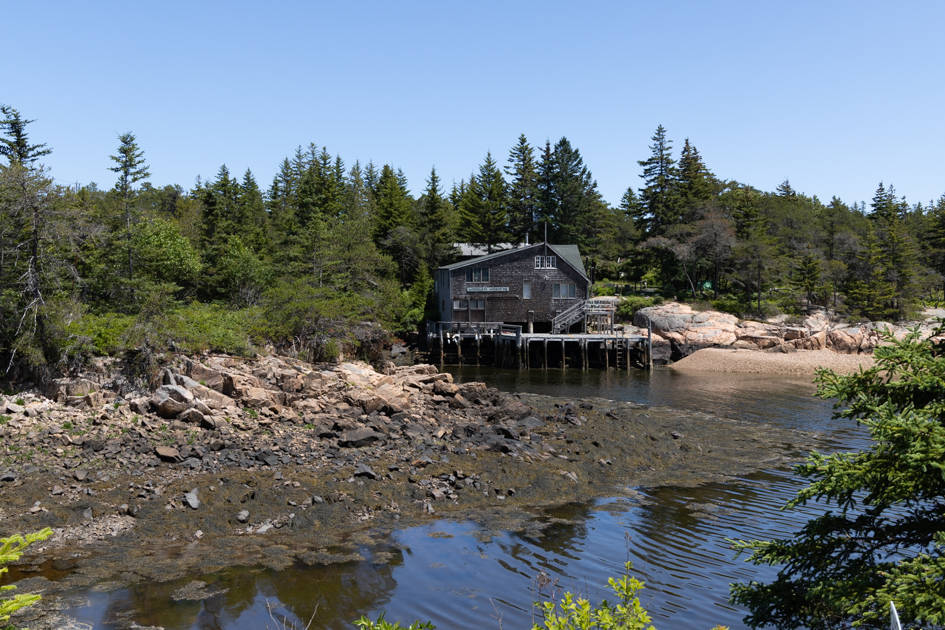
Down at the harbor, I stumbled into a scene straight out of a postcard — or maybe an episode of “Maine: The Real Life.” A team of lobstermen were loading traps: one man pushing them down a ramp, another catching and stacking them on the boat in a rhythm that looked more like choreography than work.
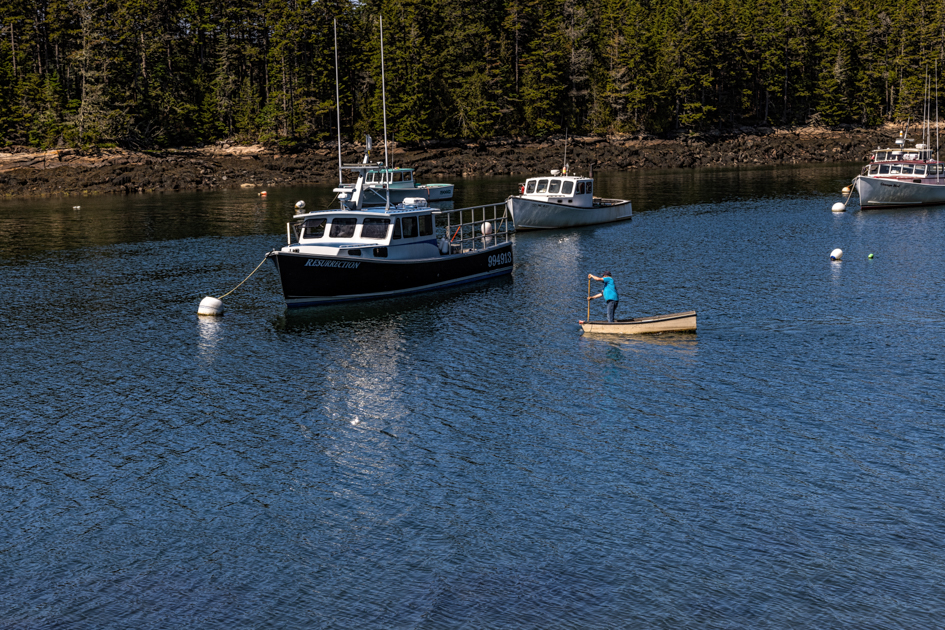
Nearby, another lobsterman rowed out to his moored boat — just him, the oars, and the morning mist. It’s a way of life that hasn’t changed much in generations. The tide decides when work begins, the sea decides when it ends. I could’ve watched for hours (and maybe did).
The Road to the Wild Edge
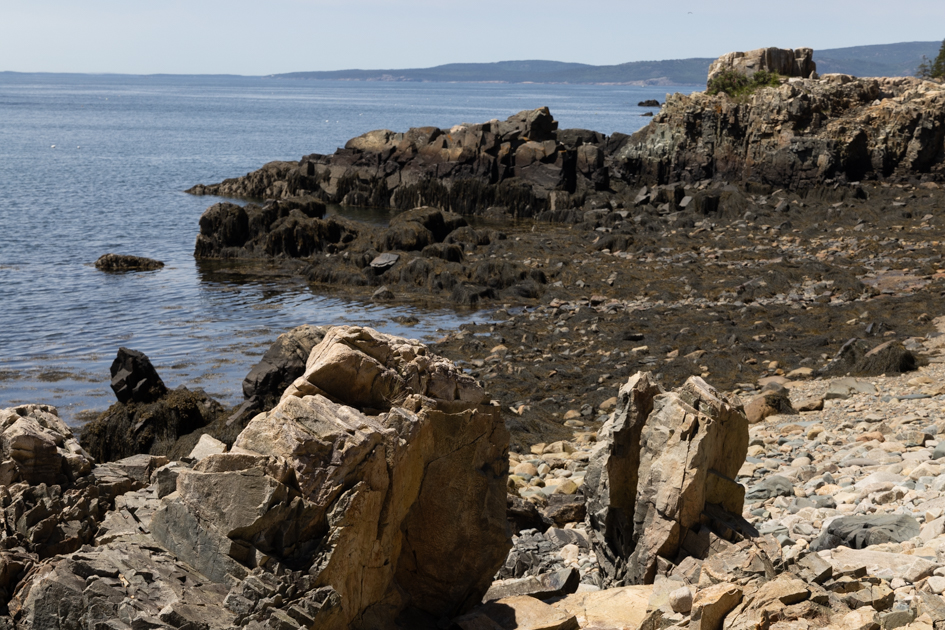
After leaving town, curiosity got the better of me — as it usually does — and I followed a narrow dirt road that looked like it might lead nowhere. Instead, it opened up to one of the most spectacular coastal views I’ve ever found: waves crashing against pink granite, seabirds diving through sea spray, and not another soul in sight.
This was Maine in its purest form — untouched, rugged, and beautifully quiet. I stood there for a long while, camera in hand, feeling like I’d stumbled into a scene meant just for me.
If you love rugged coastlines, explore the Nā Pali Cliffs on Kauai — Hawaii’s version of wild coastal beauty.”
It reminded me a lot of what I wrote in Finding the Wild Close to Home — that sometimes the most memorable places aren’t the ones on the map. They’re the ones at the end of a dirt road where you least expect them.
Why Schoodic Deserves a Spot on Your Maine Map
If you’re visiting Acadia, don’t skip Schoodic. Drive the loop road, stop at every overlook, wander down the dirt roads, and take time to watch life in Winter Harbor unfold. Bring a jacket — and maybe patience — because that famous Maine fog has a mind of its own.
And if you love these kinds of off-the-beaten-path adventures, here are a few other stories you might enjoy:
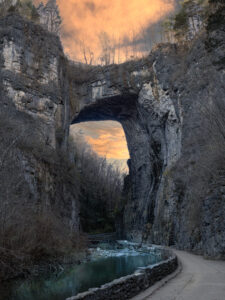
- 🏞 Blue Ridge Parkway Road Trip Guide — where the curves and overlooks rival Schoodic’s cliffs, minus the sea spray.
- 🌲 Back Roads Lens: How I Find Off-the-Beaten-Path Destinations in the USA — a peek behind how I uncover these hidden corners of the country.
- 🗺 Northeast Region Travel Guide — for even more New England road trip inspiration.
Final Thoughts
As we drove back toward Winter Harbor, the fog finally lifted, revealing boats bobbing in the harbor and gulls circling overhead. The whole world seemed to exhale. Schoodic is one of those rare places that doesn’t just ask you to visit — it invites you to slow down.
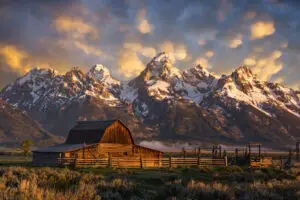
If you ever find yourself in Maine, take the detour. Follow the loop. Let the fog chase you a little. Trust me — it’s worth it. And if you enjoy peaceful, photogenic places like Schoodic, you’ll love the wide-open beauty of Mormon Row in Grand Teton.
Love quiet coastlines and foggy lighthouses? Join my newsletter for more off-the-beaten-path adventures.