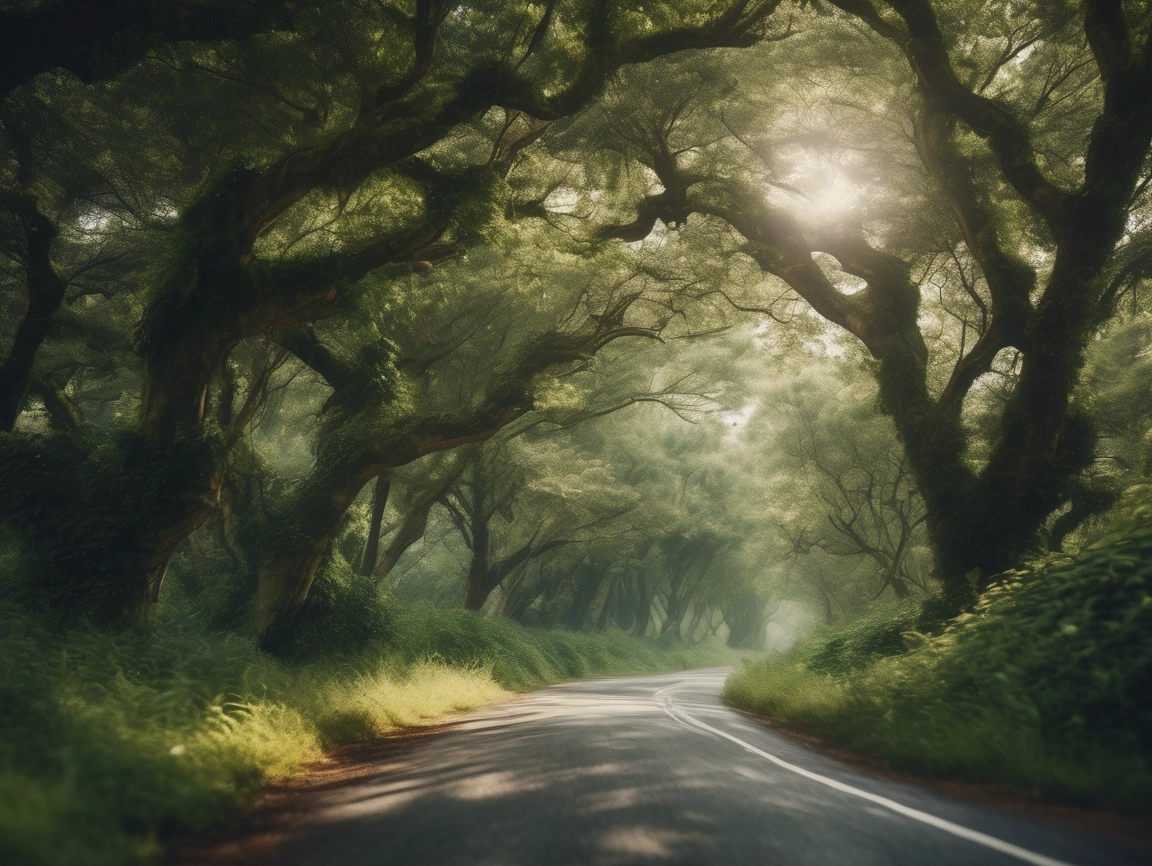
Wildlife photography takes more than the right lens — it takes the right mindset. The Wildlife Techniques and Mindset section of Wildlife Photography explores how skill, patience, and respect come together in the field. Learn how to anticipate behavior, use light to your advantage, and create meaningful images without disturbing the animals you photograph. Each post blends technique with philosophy, helping you slow down, observe, and connect with the wild before pressing the shutter.
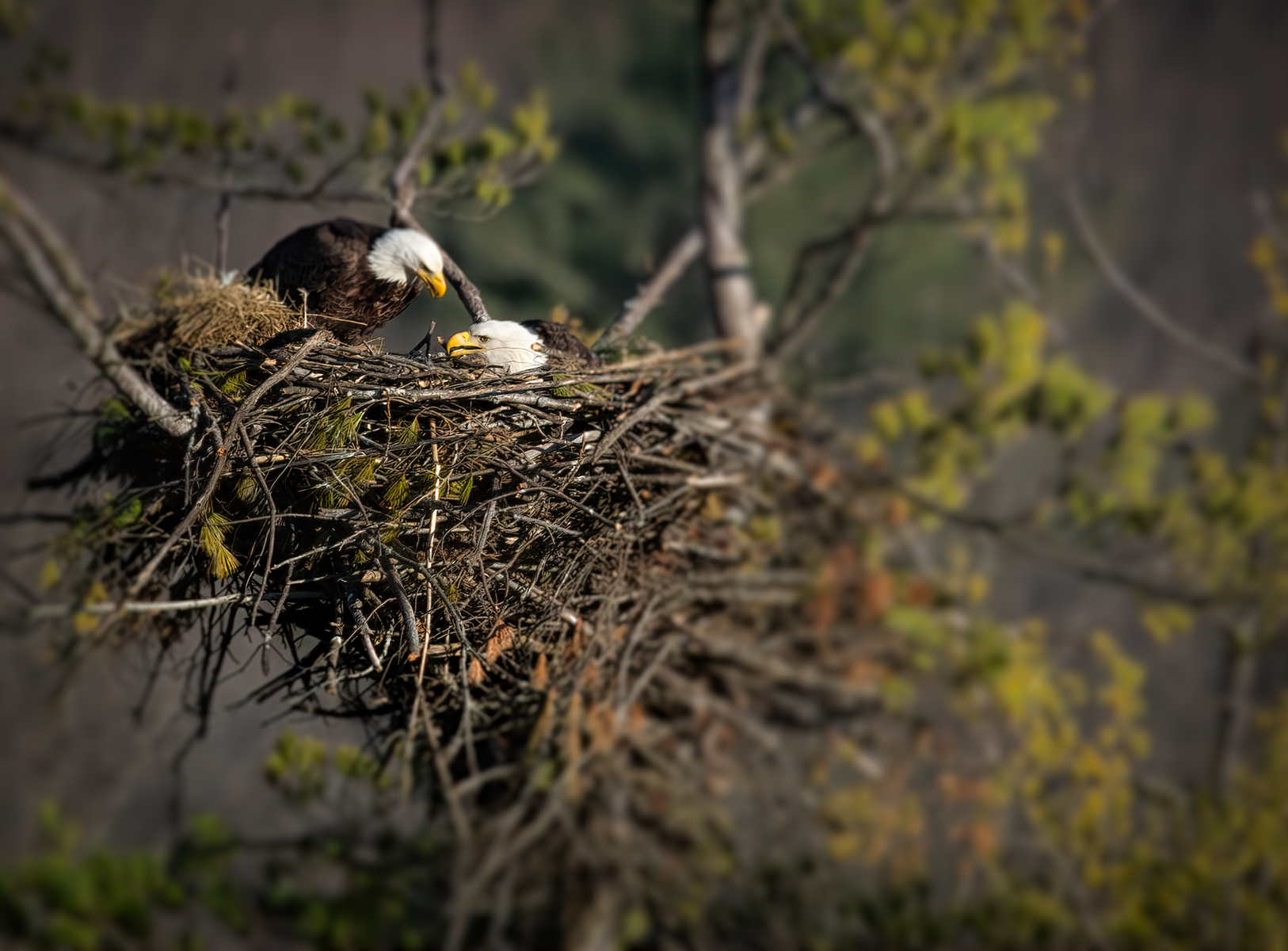
Side by side in the morning light — a quiet partnership in the treetops. The partnership incubates the eggs.
Wildlife photography is more than capturing beauty—it’s about responsibility. From knowing when to step back to choosing what to share, this guide explores how respect, restraint, and awareness lead to more authentic stories and stronger conservation values behind every photo.
Looking for the best lenses for the Fuji X-T5? With a 40MP sensor, this camera deserves glass that can keep up. In this guide, I share my favorite travel-friendly Fujinon lenses—from the versatile 16-55mm f/2.8 to the fast 23mm f/1.4 for street photography, the 33mm f/1.4 for portraits, and the 16mm f/1.4 for sweeping landscapes. For wildlife and distant scenes, the 70-300mm paired with the 1.4x teleconverter delivers incredible reach without breaking your back. I also give a nod to the underrated 18-55mm kit lens, which is sharper than you think. Whether you’re capturing city streets, mountain peaks, or wildlife on the move, these lenses bring out the best in the X-T5 and keep your travel kit light, sharp, and ready for adventure.
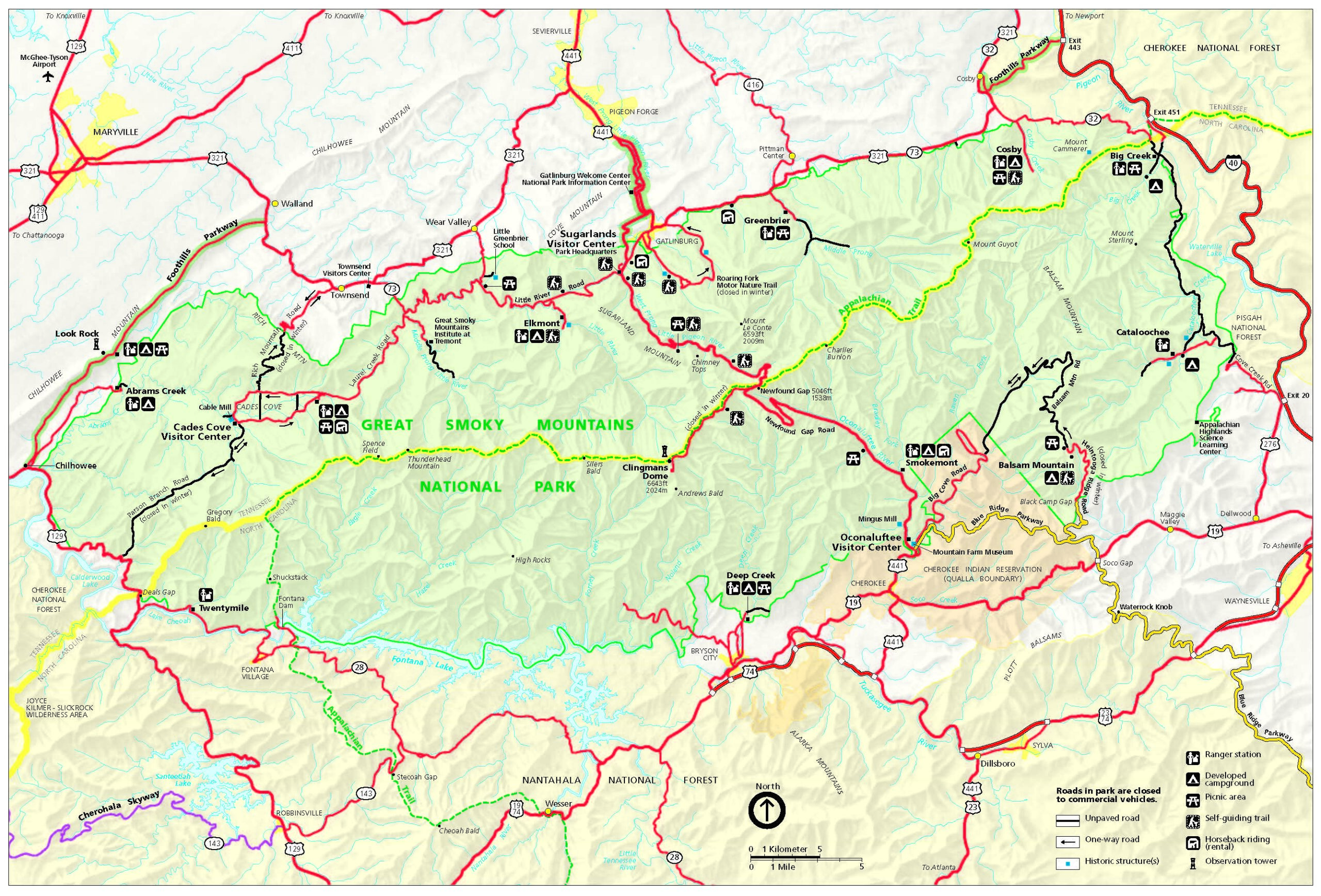
An annotated map of the Smoky Mountains highlighting Cades Cove, Clingmans Dome, Newfound Gap, and other must-see destinations.
Looking for the perfect travel camera in 2025? I tested the Fujifilm X-T5 and here’s why it’s my go-to: lightweight, durable, creative, and pro-level image quality—plus the best lenses and kits for any adventure.