Wildlife photography isn’t just about the shot—it’s about the story behind it. In this series, I share lessons learned from years on the riverbank, in forests, and along remote back roads—where patience and respect matter more than the perfect frame. Learn how to photograph animals ethically, understand their behaviors, and leave no trace behind so the wild stays wild for generations to come.
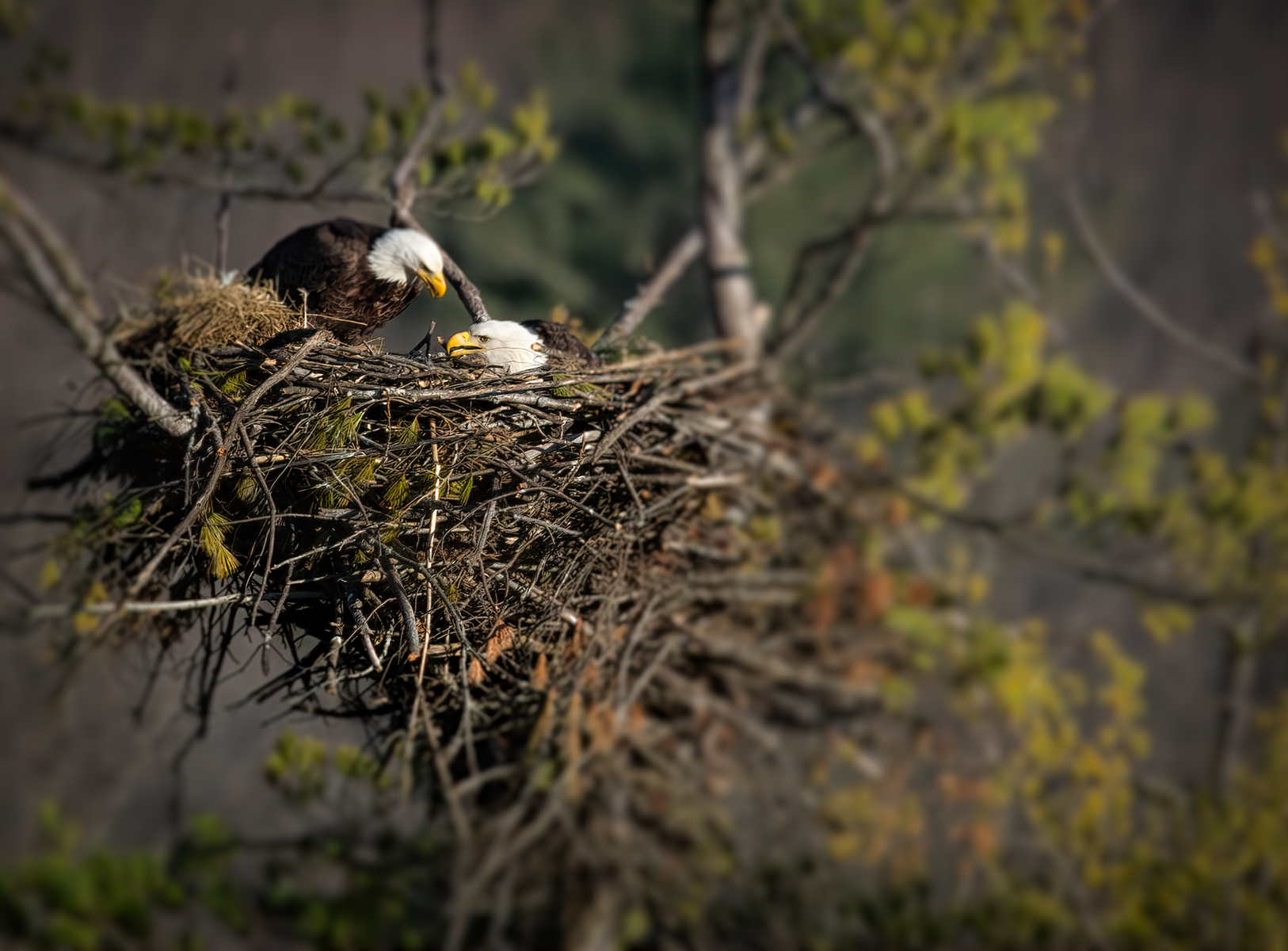
Side by side in the morning light — a quiet partnership in the treetops. The partnership incubates the eggs.
Wildlife photography is more than capturing beauty—it’s about responsibility. From knowing when to step back to choosing what to share, this guide explores how respect, restraint, and awareness lead to more authentic stories and stronger conservation values behind every photo.
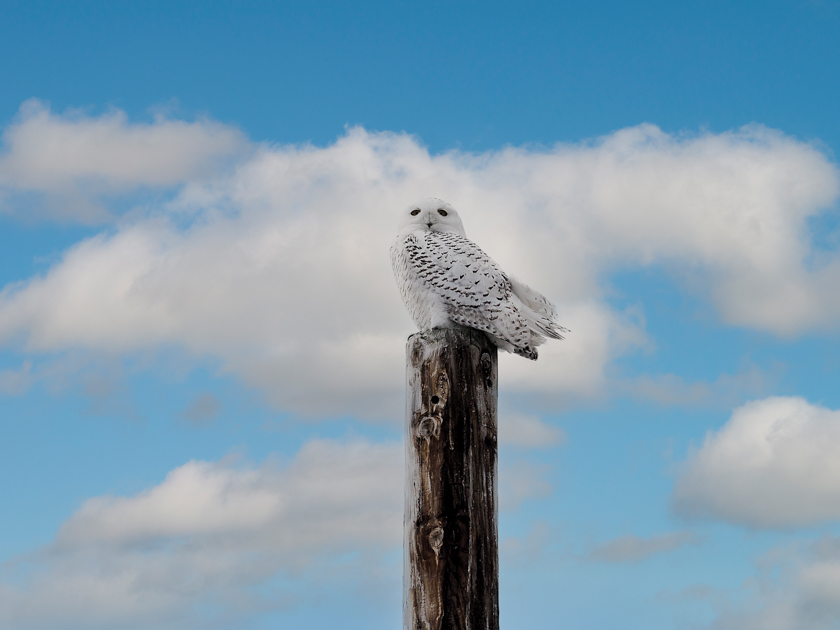
A snowy owl perched above an open field near an airfield, using the landscape to quietly scan for prey.
Snowy white owls are birds of the far north, but in recent winters they’ve appeared closer to home in upstate New York. This quiet encounter tells the story of seeing one for the first time — and why patience, distance, and ethical wildlife photography matter when rare visitors arrive unexpectedly.
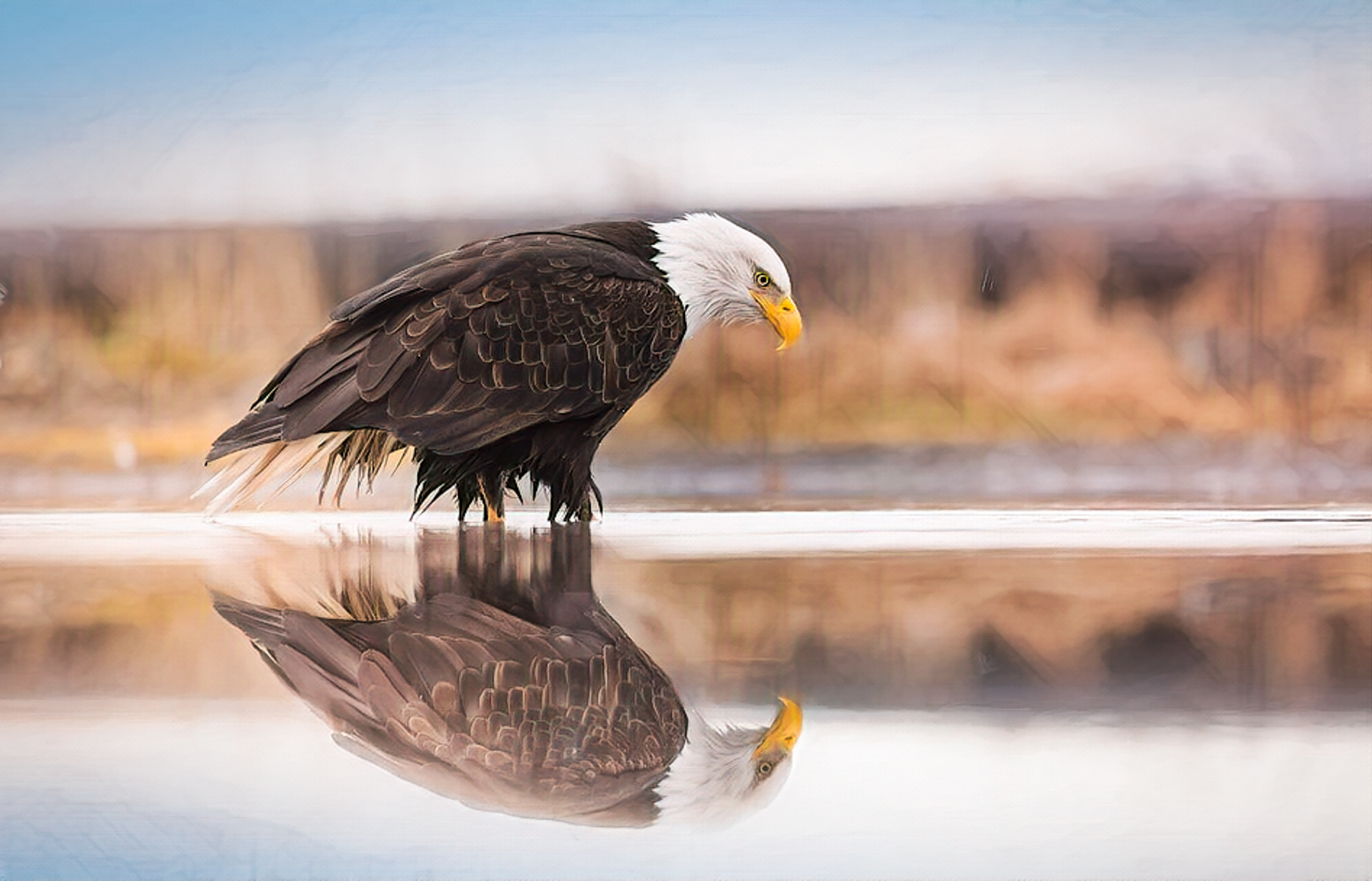
Evening reflections — stillness, symmetry, and a quiet reminder of what matters. This eagle reflection happened just like this. I was in the right place at the right time.
Sometimes, you don’t have to drive across the country to find a sense of wonder. The wild can exist right outside your back door — in a quiet marsh, a stand of pines, or a river bend you’ve passed a hundred times. In this post, I share how slowing down and exploring local places through my lens has redefined what “travel photography” means to me. It’s about rediscovering beauty close to home — one hidden trail, reflection, or bird’s call at a time.