Travel Photography Without the Backache
Ever since I got serious about photography, I was a full-frame snob. I believed bigger sensors meant better images, and nothing else would satisfy me. But on long trips, lugging full-frame bodies and heavy lenses became a literal pain in the back—and a creative roadblock. My shoulders complained, my feet tired faster, and I realized that sometimes the “perfect shot” wasn’t worth the workout.
So began my search for a travel camera system that could deliver professional-quality images without weighing me down. After exhausting research, that search led me to the Fujifilm X-T5 and the world of APS-C cameras—a decision that shocked even me. Could a smaller sensor really give me the image quality, versatility, and creative control I demanded?
The answer, happily, was yes. The X-T5 struck the perfect balance of portability, flexibility, and performance. Sharp images, creative colors, lightweight enough to carry all day, and rugged enough to survive my clumsiest adventures—it became my Swiss Army knife of travel photography.
I still keep my Leica Q3 as my main travel camera—you can read my full decision process and travel usage on my blog for that camera—but for trips where I want interchangeable lenses, more reach, and extra versatility, the X-T5 is my go-to sidekick. It allows me to capture wildlife, epic landscapes, and spontaneous adventures without the backache. Here’s how I paired the Leica with my Fuji in my full travel photography kit blog.
In this guide, I’ll share why the X-T5 is hands-down one of the best travel cameras of 2025, how to kit it out for every type of adventure, and my tips for getting the most out of its film simulations, lenses, and workflow on the road. Also, check out my complete travel photography gear guide.
Table of contents
- Travel Photography Without the Backache
- What Makes a Great Travel Camera
- Fujifilm X-T5 for Beginners and Amateurs
- Fujifilm X-T5 for Professionals
- A Deep Dive into Fuji Film Simulations
- Zooms vs. Primes: When and Why
- Accessories Every Travel Photographer Should Pack
- Travel Kit Recommendations by Shooting Style
- Amateur Kits
- Professional Kits
- Final Thoughts: Why I Love the Fujifilm X-T5 for Travel
Why Travel Photography Matters
Travel isn’t just about ticking off destinations—it’s about moments in between: the sunrise over the Grand Canyon, a quirky food truck in Austin, golden light through California redwoods. These memories fade unless captured.
Travel photography is your time machine. A single photo can transport you back to a salty Cape Cod breeze, the clinking of Seattle coffee mugs, or Times Square neon at midnight.
And it’s not just for you—travel photos inspire others. A shot of the French Quarter or Glacier National Park can spark wanderlust or remind someone there’s more to life than their daily routine.
Your camera choice matters. Heavy or complicated gear may stay in your hotel room. The right travel camera—like the X-T5—is the bridge between freedom to shoot and the burden of equipment.
What Makes a Great Travel Camera
Not all cameras are built for the road. When choosing a travel camera, consider:
1. Portability
A travel camera should be light enough to carry all day. Mirrorless cameras like the X-T5 shine here—powerful performance in a compact, travel-friendly body.
2. Image Quality
You’ll often shoot in imperfect light—churches, midday sun, or neon streets. APS-C cameras like the X-T5’s 40MP sensor deliver detailed images for prints, cropping, and editing, without the weight of full-frame gear.
3. Lens Ecosystem
Start with one lens, and you’ll soon want options. Fuji’s XF lens lineup is compact, sharp, and versatile. Bonus if lenses are weather-sealed for those unexpected rainstorms.
4. Stabilization & Autofocus
Travel photography isn’t predictable. In-body image stabilization (IBIS) and fast autofocus are lifesavers, keeping shots sharp in low light or when capturing fleeting moments.
5. Durability
Dust, drizzle, or accidental bumps—your camera should survive. The X-T5 is rugged and weather-sealed, ready for adventure.
6. Ease of Use
Vacations are for fun, not memorizing dials. Look for intuitive controls, customizable buttons, and simple menus. The X-T5 balances creative control with ease of use.
Fujifilm X-T5 for Beginners and Amateurs
If you’re newer to photography or just want to capture travel memories without a steep learning curve, the X-T5 is incredibly forgiving. Here’s why:
- Lightweight but Powerful – At just 557g (1.23 pounds), it won’t feel like you’re training for a triathlon just by carrying it. Despite the small size, it boasts a 40.2MP sensor for crisp, detailed photos.
- Film Simulations That Do the Work for You – Fuji’s built-in looks (Velvia, Classic Chrome, Astia, etc.) instantly make your shots pop. It’s basically like applying Instagram filters, but in-camera and way more professional.
- Stabilization That Saves the Day – Thanks to 7 stops of IBIS, you can shoot handheld in low light without ending up with blurry blobs instead of travel memories.
- Weather-Sealed and Durable – Drop it, drizzle on it, or take it on a dusty trail—the X-T5 can handle it.
Fujifilm X-T5 for Professionals
- 40 MP RAW files: Cropping, large partins, and detailed edits.
- 14-bit RAW flexibility: Total control over highlights, shadows, and color.
- Fuji Color Science: Accurate skin tones and natural colors out of camera.
- Lens ecosystem: Compact APS-C lenses with pro-level sharpness.
- Rugged build: Shoot anywhere, rain or shine.
A Deep Dive into Fuji Film Simulations
One of the coolest perks of shooting with Fujifilm isn’t just the sharp lenses or retro dials—it’s the built-in film simulations. These are digital re-creations of classic Fujifilm film stocks, and they give your photos an instant “look” straight out of camera. Think of them as pro-level filters, but baked in at the sensor level—no Instagram app required.
The beauty of film sims is that they make your photos feel intentional, not just “auto mode snapshots.” You can pick a style that matches the mood of your trip, so your shots tell a story without needing hours of editing later. Here are a few favorites and how I use them when traveling in the U.S.:
| Simulation | Best Use | Why |
| Velvia / Vivid | Landscapes | Punchy colors, high contrast |
| Classic Chrome | Street photography | Muted tones, cinematic feel |
| Astia / Soft | Portraits | Gentle contrast, flattering skin tones |
| Acros (B&W) | Dramatic scenes | Classic monochrome with grain |
| Provia / Standard | All-purpose | Balanced, reliable colors |
Creating Your Own Film Simulations
Here’s where Fujifilm takes it a step further: you’re not limited to the presets Fuji gives you. The X-T5 lets you tweak color, tone, grain, and shadows to create your own custom film recipes. Want something that mimics old-school Kodak Gold? Or a dreamy pastel look for beach days? You can dial it in and save it as your own personal film simulation.
Even better—there are entire communities on social media dedicated to this. Facebook groups, Instagram accounts, and sites like Fuji X Weekly are full of recipes you can load into your camera. It’s like having a box of vintage film rolls at your disposal, ready to match any mood or adventure. Favorites include Kodak Portra 400, CineStill 800T, and Kodak Gold 200.
Whether you stick with Fuji’s built-in classics or explore custom recipes, film simulations are one of the most fun (and addictive) parts of the Fuji system. They let you capture not just what you saw—but the feeling of being there.
RAW vs. JPEG for Travel Photography
Ah, the eternal travel photographer’s question: should you shoot RAW, JPEG, or both? With the Fujifilm X-T5, the answer isn’t one-size-fits-all—it depends on how you like to travel, shoot, and share.
Shooting JPEGs (Fast and Fun)
JPEGs are small, share-ready files that look great straight out of camera—especially when you’re using Fujifilm’s film simulations.
- Why choose JPEGs?
- Instant results: no editing needed, just transfer to your phone and post.
- Saves space on your memory card and hard drive.
- Perfect if you want to spend more time exploring and less time editing.
- When you could use them: A day wandering the French Quarter in New Orleans, grabbing quick city shots in Chicago, or when I just want travel memories without overthinking settings.
Shooting RAW (Flexible and Professional)
RAW files are like digital negatives—they keep all the data your camera captures, which gives you far more editing power later. As a professional photographer, I shoot raw all the time. With Fuji, I have moved to RAW on one card and JPEG on the other. If I want to send a picture immediately, I can do it from the FUJI app.
- Why choose RAW?
- Recover shadows and highlights from tricky lighting (think bright desert sun in Arizona or moody forests in the Pacific Northwest).
- Perfect for large prints, detailed crops, or magazine-quality work.
- Maximum control over color, sharpness, and tone.
- When to shoot raw: Sunrise at Yosemite, long-exposure waterfalls in Oregon, or any scene where I know I’ll want to fine-tune the final look.
RAW + JPEG (The Best of Both Worlds)
Here’s the travel hack: you don’t have to choose. Set the X-T5 to record RAW + JPEG.
- Why?
- You get the flexibility of RAW for later edits.
- You also get beautiful JPEGs with Fuji film sims, ready to share on the go.
- If you never touch the RAW file, no problem—you still have a great JPEG.
- When I use it: Pretty much always. It means I can send a JPEG of Monument Valley’s red rocks to friends immediately, but still have the RAW file waiting if I want to make a fine art print later.
👉 My rule of thumb: If you want speed, go JPEG. If you want perfection, go RAW. If you want peace of mind, go RAW + JPEG. With memory cards being cheap and lightweight these days, it’s worth the extra space to keep your options open. If you’re wondering whether to shoot RAW or JPEG while traveling, here’s why I shoot both Shooting RAW + JPEG on the road.
Lens Ecosystem Spotlight: Why Fuji Lenses Make Travel Photography Easier
A camera body is only as good as the lenses you pair with it—and the Fujifilm X-T5 truly shines when you explore its APS-C lens ecosystem. Fuji has developed a lineup of compact, sharp, and versatile lenses that are perfect for travel, whether you’re chasing landscapes, street scenes, or wildlife.
1. Why Fuji’s Lens Ecosystem Stands Out
- Compact and Lightweight: APS-C lenses are smaller than full-frame equivalents, making them easy to carry all day while exploring national parks or city streets.
- Exceptional Sharpness: Despite their size, Fuji lenses are incredibly sharp edge-to-edge—perfect for capturing every detail of Monument Valley, Acadia, or the streets of New York.
- Versatile Lineup: From ultra-wide landscapes to telephoto wildlife lenses, there’s a lens for every scenario without lugging a full kit.
- Weather-Sealed Options: Many Fuji lenses are weather-sealed, so they can handle misty mornings in the Smoky Mountains or sudden rain in Seattle.
| Type | Lenses | Use |
| Wide-Angle | XF 10–24mm f/4, XF 16mm f/1.4 | Landscapes, architecture |
| Everyday Zoom | XF 16–80mm f/4, XF 18–55mm f/2.8–4 | City streets, general travel |
| Telephoto | XF 50–140mm f/2.8, XF 70–300mm f/4–5.6 | Wildlife, distant subjects |
| Primes | XF 23mm, 35mm, 56mm | Street, portraits, low-light |
Minimalist kit: XF 16–80mm zoom + one prime covers nearly all scenarios.
💡 Pro Tip: Fuji’s lens ecosystem grows constantly, and there’s a huge community sharing tips and favorite combinations online. The right lens choice depends on your style, but the flexibility of APS-C lenses means you can carry less gear without sacrificing image quality.
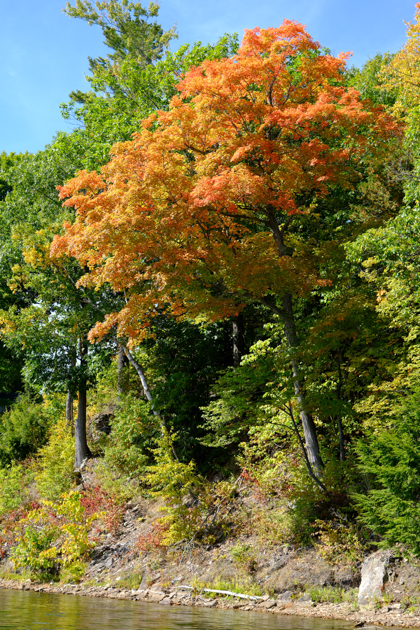
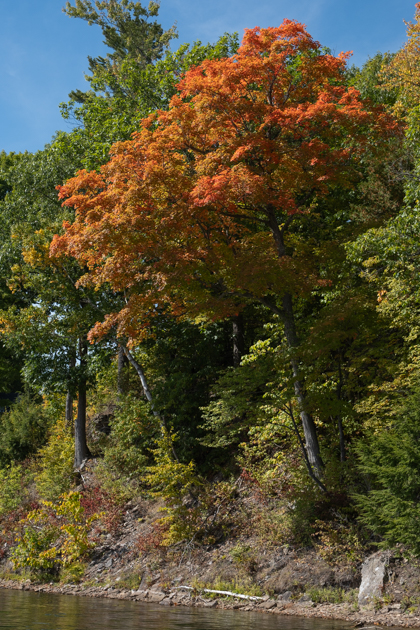
RAW allows me a little more freedom to change the picture, the Velvia JPEG is certainly usable.
Zooms vs. Primes: When and Why
When building a travel photography kit, one of the biggest questions is: should you carry zoom lenses, prime lenses, or both? Both have unique strengths, and knowing when to use each can elevate your travel photography without overloading your bag. I wrote more in detail about this in my post Prime vs. Zooms: Finding the Right Lens for the Way You Travel.
Zoom Lenses: Flexibility on the Fly
Zoom lenses cover a range of focal lengths in a single lens, making them incredibly versatile.
When to Use Zooms:
- You’re exploring multiple scenes in a single day—like a road trip from Grand Canyon to Sedona.
- You want to capture landscapes, street scenes, and distant subjects without swapping lenses constantly.
- You need reach for wildlife, like bison in Yellowstone or birds along the Mississippi River.
Why Zooms Work for Travel:
- One lens does it all, reducing the weight and hassle of carrying multiple primes.
- Ideal for spontaneous shots—you can quickly zoom in on a street performer in New Orleans or a lighthouse in Maine.
- Less lens swapping means less risk of dust on the sensor.
Recommended Fuji Zooms:
- XF 16–80mm f/4 – Compact, sharp, and all-purpose.
- XF XF 16-55 f/2.8 – faster than 16-80 but still compact, sharp, good in low light
- XF 50–140mm f/2.8 – Professional telephoto for wildlife or distant cityscapes.
- XF 70–300mm f/4–5.6 – Affordable, long reach for travel flexibility.
Prime Lenses: Sharpness, Speed, and Creativity
Prime lenses have a fixed focal length, but they shine in quality and creative potential.
When to Use Primes:
- You want fast apertures for low-light conditions, like sunrise at Glacier National Park or neon streets in Las Vegas.
- You’re focusing on street or portrait photography, where shallow depth of field creates beautiful subject isolation.
- You enjoy lightweight, compact gear for long city walks or hikes in the Rockies.
Why Primes Work for Travel:
- Faster apertures let you shoot in dim light without cranking ISO.
- Typically sharper than zooms and produce pleasing bokeh for portraits and creative shots.
- Smaller and lighter—less strain on your back during full-day excursions.
Recommended Fuji Primes:
- XF 23mm f/2 / f/1.4 – Street, cityscapes, and low-light versatility.
- XF 35mm f/2 / f/1.4 – Portraits, environmental shots, and everyday use.
- XF 56mm f/1.2 – Telephoto prime for portraits or isolated subjects.
- XF 16mm f/1.4 – Wide-angle prime for landscapes and interiors.
Choosing Between Zooms and Primes
- Minimalist Travel: One versatile zoom (16–80mm) + one prime (23mm or 35mm) covers almost every situation.
- Landscape & Wildlife: Combine wide-angle zooms/primes with telephoto zooms to cover vast vistas and distant subjects.
- Street & City: Fast primes let you move quickly and shoot discreetly, ideal for capturing candid moments in NYC, New Orleans, or Chicago.
💡 Pro Tip: Zooms give you flexibility, primes push you to think creatively about composition and light. Many travel photographers carry one of each to get the best of both worlds. Read my full Fuji review on The Best Lenses for the Fuji X-T5.
Travel Photography Tips with the Fujifilm X-T5
Having the right gear is only half the battle—knowing how to use it effectively while on the road is what turns snapshots into memorable travel images. The Fuji X-T5 is packed with features, and with a few tips, you can make the most of them anywhere in the U.S.
1. Master Handheld Shooting with IBIS
The X-T5 offers 7 stops of in-body image stabilization (IBIS). That means you can shoot handheld in low light without worrying about blurry shots.
- Tips:
- Slow down and breathe—steady hands help IBIS perform at its best.
- Perfect for sunrise at the Grand Canyon, twilight shots in Chicago, or dim interiors like the Alamo.
2. Use Film Simulations to Set the Mood
Fuji’s film simulations let you capture the atmosphere in-camera, reducing post-processing time.
- Tips:
- Velvia for punchy landscapes (think Yosemite or Acadia).
- Classic Chrome for muted, cinematic city shots (New York, New Orleans).
- Create and save your own simulations for a personal style, and check social media groups for inspiration.
3. Leverage Fast Autofocus
The X-T5 has hybrid AF with face/eye detection, making it easier to capture fleeting moments.
- Tips:
- Street photography in New Orleans or Times Square? Use eye-detect AF for spontaneous portraits.
- Wildlife in Yellowstone? Switch to continuous tracking for moving animals.
4. Think About Composition
Even with the best gear, composition matters more than megapixels.
- Tips:
- Use leading lines: roads in Monument Valley or piers in Cape Cod.
- Frame with natural elements: trees in the Smoky Mountains or arches in Arches National Park.
- Look for reflections: lakes in Glacier National Park or ponds in Vermont.
5. Play with Depth of Field
Fast primes and wide apertures (f/1.4–f/2) let you isolate subjects.
- Tips:
- Portraits: Use the XF 56mm f/1.2 to separate your subject from the background.
- Street details: Capture textures or signage with shallow depth of field in Charleston or Portland.
6. Keep Your ISO Low When Possible
The X-T5 handles high ISO well, but lower ISOs always give cleaner images.
- Tips:
- Use IBIS and wider apertures to maintain a low ISO in dim conditions, like inside museums or during evening city walks.
- Night scenes in Las Vegas or neon streets in Seattle are perfect testing grounds.
7. Shoot RAW + JPEG for Flexibility
- JPEGs with film sims are great for instant sharing.
- RAW files let you recover highlights, shadows, and fine details later.
- Tip: Use RAW + JPEG on long trips—quick uploads for social media, and RAW for prints or in-depth edits.
8. Plan Around Light
- Golden hour (sunrise/sunset) gives dramatic light for landscapes and cityscapes.
- Blue hour (just after sunset) is perfect for city lights and reflections.
- Tip: Scout locations in advance, like Chicago riverwalks or Oregon coast viewpoints, to maximize light conditions.
9. Travel Mindset Matters
- Don’t get lost in gear—enjoy the moment.
- Carry a lightweight setup: X-T5 + one zoom + one prime is enough for most U.S. trips.
- Experiment with new angles, perspectives, and film simulations—it’s about creating memories, not just photos.
💡 Pro Tip: Combine these tips with your choice of lenses, accessories, and film simulations, and you’ll be ready to capture everything from sweeping landscapes to candid street portraits—without breaking your back.
Accessories Every Travel Photographer Should Pack
Your camera is the star of the show, but a few carefully chosen accessories can make the difference between “good travel shots” and “wow, I could hang this in a gallery.” When you’re on the road, you want gear that adds flexibility without weighing you down. Here’s my short list of must-pack accessories for travel photography with the Fujifilm X-T5 (or really any mirrorless camera).
1. A Lightweight, Comfortable Camera Bag
- Look for a small, weather-resistant backpack or sling bag.
- It should fit your camera, 1–2 lenses, and essentials like memory cards and a water bottle.
- Bonus points if it doesn’t scream “expensive camera inside!”
👉 My pick: A sling bag for city wandering (easy access), and a lightweight hiking pack insert for nature trips.
2. Extra Memory Cards & Batteries
- Travel days are unpredictable, and nothing kills the vibe faster than running out of storage or power.
- Bring at least 2–3 extra batteries (the X-T5 is efficient, but mirrorless cameras eat more power than DSLRs).
- Carry multiple fast, high-capacity SD cards—better to spread images across several cards than risk losing everything on one.
3. A Compact Travel Tripod
- You don’t need a massive studio tripod. A lightweight carbon fiber travel tripod or even a sturdy mini-tripod works wonders.
- Essential for: night cityscapes in New York, sunrise at the Grand Canyon, long exposures of waterfalls in Oregon.
4. Cleaning Kit
- Dust and smudges happen—especially when swapping lenses outdoors.
- Pack: a microfiber cloth, blower, and a small brush.
- It weighs almost nothing and saves your images from unwanted spots.
5. Filters (Optional but Useful)
- Polarizing Filter: Cuts reflections and deepens skies—perfect for beach days in Florida or mountain lakes in Colorado.
- ND Filter: Allows long exposures even in bright light—think silky waterfalls in Yosemite or smooth oceans in Maine. This is my favorite filter. It makes water and waterfalls smooth and beautiful.
6. Smartphone + Fuji Camera Remote App
- Your phone doubles as a remote shutter release, backup editor, and instant photo-sharing tool.
- Great for group shots where you want to be in the frame, or for setting up time-lapses.
7. A Comfortable Strap
- Swap out the included neck strap for a cross-body or wrist strap. Trust me, your shoulders will thank you after a full day of walking in Chicago or hiking in Zion National Park. I use both – a wrist strap for a short walk and a cross body strap when hiking.
The key is balance: bring enough to support your creative vision, but not so much that you feel like a pack mule. Travel photography works best when your gear helps you enjoy the journey, not slows you down.
Travel Kit Recommendations by Shooting Style
Amateur Kits
| Style | Lenses | Why |
| Landscape | XF 16–80mm f/4 | Lightweight, versatile coverage |
| Wildlife | XF 70–300mm f/4–5.6 | Affordable reach |
| Street | XF 23mm f/2 + XF 35mm f/2 | Discreet, light, sharp |
| Adventure | XF 16mm f/2.8 + XF 18–55mm f/2.8–4 | Compact and flexible |
| Architectural | XF 10–24mm f/4 | Wide and sharp |
Professional Kits
| Style | Lenses | Why |
| Landscape | XF 8–16mm f/2.8 + XF 16–55mm f/2.8 | Ultra-wide, pro sharpness |
| Wildlife | XF 50–140mm f/2.8 + XF 100–400mm f/4.5–5.6 | Pro telephoto reach |
| Street | XF 23mm f/1.4 + XF 35mm f/1.4 + XF 56mm f/1.2 | Creative primes with character |
| Adventure | XF 16–55mm f/2.8 + XF 16mm f/1.4 | Rugged and low-light capable |
| Architectural | XF 10–24mm f/4 + XF 16mm f/1.4 | Wide and distortion-controlled |
Travel Photography FAQ: Fujifilm X-T5 and Beyond
Here are the most common questions travelers and photographers ask about cameras, lenses, and workflow.
1. Is the Fujifilm X-T5 good for beginners?
Yes! The X-T5 is beginner-friendly. Its automatic modes, film simulations, and intelligent autofocus let new photographers capture great images right away. As skills grow, you can explore manual settings, RAW shooting, and custom film simulations.
2. Should I shoot JPEG, RAW, or both?
- JPEG: Great for quick sharing and social media.
- RAW: Perfect for full creative control, large prints, or professional work.
- RAW + JPEG: Combines both—instant sharing plus future editing flexibility.
3. What lenses should I bring for travel?
Depends on your style:
- Minimalist travel: XF 16–80mm zoom + XF 23mm or 35mm prime
- Landscapes / Nature: Wide-angle (16mm / 10–24mm) + telephoto (50–140mm)
- Street / City: Fast primes like 23mm, 35mm, 56mm for low light and shallow depth of field
4. Can I shoot low light with the X-T5?
Yes! Between its 7-stop IBIS, fast lenses, and excellent high ISO performance, you can shoot handheld in dim environments like neon-lit streets in Las Vegas or foggy mornings in San Francisco.
5. How do Fujifilm film simulations work?
Film simulations are built-in color profiles inspired by classic Fujifilm films. They let you create distinct looks in-camera—Velvia for vibrant landscapes, Classic Chrome for cinematic city shots, Acros for dramatic black & white. You can also create custom simulations and share or download recipes from social media groups.
6. Is the X-T5 weather-sealed?
Yes! It can handle light rain, dust, and outdoor adventures. Pair it with weather-sealed lenses like the XF 16–80mm or XF 16mm f/1.4 for maximum protection.
7. How heavy is the Fujifilm X-T5? Will it hurt my back on long trips?
The X-T5 weighs just 557g (1.23 lbs)—compact for an interchangeable-lens camera. With a lightweight zoom and one prime, you can carry a full kit all day without fatigue.
8. Can I shoot video with the X-T5?
Yes! It offers high-quality 4K video, excellent autofocus, and versatile film simulation profiles. Pair with a gimbal or mini-tripod for smooth shots on the go.
9. How do I backup and process photos while traveling?
- Use multiple memory cards and a portable SSD for daily backups.
- Cull and lightly edit JPEGs for social media, and save RAW files for in-depth editing later.
- Mobile apps like Lightroom Mobile make it easy to process and share on the road.
10. Is APS-C enough for travel photography?
Yes! APS-C cameras like the Fujifilm X-T5, Sony A6700, and Canon EOS R7 are more than capable:
- Image Quality: High-resolution images with excellent detail, dynamic range, and low-light performance.
- Portability: Smaller, lighter cameras and lenses are easier to carry all day.
- Lens Selection: APS-C systems offer sharp, lightweight lenses with versatile zooms and creative primes.
- Flexibility: Fast primes allow shallow depth of field, and wide-angle lenses capture sweeping landscapes.
Bottom Line: APS-C hits the sweet spot between image quality, portability, and affordability, making it ideal for most travel scenarios—from city streets in New York to landscapes in Yellowstone.
11. Are there communities to share Fuji custom film simulations?
Yes! There are Facebook groups, Instagram accounts, and dedicated blogs (like Fuji X Weekly) where photographers share recipes. You can download or share custom simulations for landscapes, street, or portrait photography.
12. Can the X-T5 replace a full-frame camera for travel?
For most travelers, yes. Its high-resolution APS-C sensor, sharp lenses, and lightweight build make it ideal for landscapes, street photography, portraits, and even wildlife with a telephoto zoom. Full-frame is only necessary if you need extremely large prints or ultra-high-resolution editorial work.
💡 Pro Tip: Focus on portability, lens options, and personal shooting style—these factors often matter more than raw megapixels. The best camera is the one you actually carry and enjoy using every day.
Future-Proofing Your Travel Photography
Travel photography isn’t just about today’s trip—it’s about building a kit, skills, and workflow that can serve you for years to come. Future-proofing your setup ensures your photos remain high-quality, your gear keeps up with evolving technology, and your workflow stays efficient no matter where you travel.
1. Invest in Versatile Gear
- Camera Body: Choose a camera with a balance of image quality, portability, and expandability. The Fujifilm X-T5, for example, offers 40MP APS-C resolution, a robust lens ecosystem, and weather-sealing that will remain relevant for years.
- Lenses: Opt for high-quality zooms and primes that cover multiple scenarios. A 16–80mm zoom plus one or two primes (23mm, 35mm, or 56mm) gives flexibility for landscapes, street photography, and portraits—so you won’t need to upgrade frequently.
- Accessories: Durable tripods, camera straps, and protective cases last far longer than a single camera body and can adapt to future gear.
2. Think About Sensor and Resolution
- High-resolution sensors like the X-T5’s 40MP APS-C allow cropping without losing quality—perfect for landscapes or wildlife shots.
- Future-proofing means choosing a sensor size and resolution that balances detail and file size, so your storage and editing workflow remain manageable.
3. Use RAW and Flexible File Management
- Shooting RAW preserves maximum image data for future editing as software improves.
- Keep organized file structures, cloud backups, and portable storage to protect your work long-term.
- File formats like JPEG + RAW provide immediate sharing today while keeping your options open for tomorrow.
4. Leverage Film Simulations and Custom Profiles
- Fuji’s film simulations allow you to create unique, timeless looks straight out of camera.
- You can develop custom simulations and save them, ensuring your style evolves while staying consistent.
- Communities sharing simulation recipes (on Facebook, Instagram, and Fuji X Weekly) ensure that inspiration and technical knowledge grow with you.
5. Prioritize Portability and Ergonomics
- A future-proof travel setup is comfortable to carry all day.
- Cameras like the X-T5, OM System OM-1, and Sony A6700 are lightweight yet versatile, so you’re less likely to outgrow the system.
- Portability also reduces strain on long trips, encouraging you to shoot more and experiment with creative angles.
6. Plan for Software and Editing Evolution
- Use software that updates regularly, like Lightroom, Capture One, or Photoshop, so your RAW files remain accessible.
- Keep an eye on AI-assisted editing tools—they can help enhance old shots and reduce time spent on repetitive edits.
- Maintaining an organized digital archive ensures your images remain usable and adaptable for future print, blog, or social media needs.
7. Skill Development Over Gear Obsession
- The most future-proof aspect of travel photography isn’t your camera—it’s your eye, composition skills, and workflow efficiency.
- Learning low-light shooting, composition techniques, and editing workflows ensures that any camera you own will continue to produce professional results for years.
💡 Pro Tip: Invest in a camera system, lenses, and workflow that grow with you. A versatile, high-quality APS-C setup like the Fuji X-T5, combined with thoughtful post-processing habits, ensures your travel photography remains strong and relevant for the next decade.
Final Thoughts: Why I Love the Fujifilm X-T5 for Travel
After exploring cameras, lenses, film simulations, workflow tips, and future-proofing strategies, one thing is clear: the Fujifilm X-T5 is a travel photographer’s dream companion. It strikes the perfect balance between portability, image quality, versatility, and creative control, making it ideal for both amateurs and seasoned pros. You can read more in my post, Why I Chose Leica and Fuji for Travel Photography.
Why the X-T5 Stands Out
- Lightweight and Comfortable: At just 557g (1.23 lbs), you can carry it all day without backaches or fatigue.
- Professional Image Quality: The 40MP APS-C sensor delivers sharp, detailed images for prints, blogs, or social media.
- Flexible Lens Ecosystem: From wide-angle landscapes to telephoto wildlife shots, Fuji’s APS-C lenses are compact, sharp, and weather-sealed.
- Creative Film Simulations: Built-in looks and customizable profiles let you craft a signature style, whether shooting Velvia landscapes or Classic Chrome streets.
- Rugged Build: Weather-sealed and reliable, it can handle rain, dust, or adventurous hikes.
- Future-Proof Capabilities: High-resolution files, RAW flexibility, and a robust lens lineup mean your kit will remain relevant for years to come.
Who Will Love the X-T5?
- Travelers who want a compact, versatile kit that covers landscapes, city streets, wildlife, and adventure photography.
- Photographers who enjoy creative control through film simulations, primes, and zooms.
- Anyone who values workflow efficiency on the road, from quick JPEG sharing to detailed RAW editing later.
- Those who want a camera that grows with them, from beginner to pro-level capabilities.
The Takeaway
Travel photography is about capturing memories, exploring new places, and expressing your creativity—without letting heavy gear or complicated setups slow you down. The Fujifilm X-T5 makes all of this possible: it’s light enough to carry, durable enough to adventure with, and powerful enough to deliver professional-quality images.
Whether you’re wandering the streets of New York, chasing sunrises in the Grand Canyon, or photographing wildlife in Yellowstone, the X-T5 gives you the freedom and flexibility to focus on what matters most: creating unforgettable travel memories. Check Practical Travel Tips for Photographers for more helpful ideas.
💡 Pro Tip: Pair the X-T5 with a versatile zoom, a prime lens, and your favorite film simulations, keep a simple backup and editing workflow, and you’ll have a travel photography setup that’s ready for every adventure—and every future trip you dream of taking.
So, if you’re tired of blurry photos, heavy gear, or cameras that quit on you mid-trip, the Fujifilm X-T5 might just be your new travel buddy. It’s small enough to carry everywhere, tough enough to handle anything, and smart enough to make your photos look like a pro took them (even if you are not).

Hit the back roads with me—get road-trip inspiration, hidden gems, and photography stories from across the USA!