Winter has a way of changing the familiar landscape here in upstate New York. Fields flatten under snow. Colors quiet down. The world feels hushed. And every so often, winter brings a surprise you don’t expect to find this far south.
Snowy white owls are typically birds of the far north — creatures of tundra and wide Arctic horizons. But over the last several winters, they’ve been spotted closer to home. Open fields. Fence posts. Airport edges. Places that feel oddly familiar and completely out of place at the same time.
The first time I heard reports of snowy owls nearby, I was skeptical. Then curious. And finally, quietly hopeful.
I’ve spent many mornings learning to slow down and notice what’s close to home — whether that’s watching eagles along the river or finding wildlife moments woven into everyday landscapes. That same patience paid off one winter. I was lucky enough to see snowy owls here — and even luckier to come away with two photographs.
Not every wildlife story begins with a long drive or a national park sign. Some begin right where you are, if you’re willing to wait, watch, and respect the moment. Those lessons — about patience, presence, and letting nature set the pace — are ones I’ve written about often, especially when photographing wildlife without disturbing it or learning to recognize animal behavior before ever raising the camera.
This sighting felt like a gift. Brief. Quiet. Unpredictable. Exactly the kind of moment that reminds me why I keep my camera close during winter, even when the cold makes everything slower.
Why Snowy Owls Appear Farther South
Snowy owls don’t migrate the way many birds do. They don’t follow a neat seasonal path north to south and back again. Instead, they move when they need to — guided by food, weather, and instinct more than calendars.
In years when prey is scarce in the Arctic, snowy owls travel farther in search of hunting grounds. Lemmings are their primary food source up north, and when those populations dip, owls disperse. Some head south. Some travel east or west. And some end up far beyond what we think of as their “normal” range.
This movement is often called an irruption — an irregular, unpredictable shift rather than a true migration. It explains why one winter you might hear nothing about snowy owls, and the next winter they seem to be everywhere. Fields. Shorelines. Open farmland. Even airport edges that mimic the wide, treeless spaces they’re used to.
Upstate New York offers something snowy owls look for in winter:
open land, low vegetation, and room to hunt.
Cold alone doesn’t drive them south — snowy owls are built for extreme conditions. What draws them here is opportunity. A place where they can see clearly, perch low, and conserve energy while scanning for prey.
That’s part of what makes spotting one feel so unexpected. These birds aren’t passing through on schedule. They’re responding to circumstances we can’t always see.
It’s also why patience matters so much. When snowy owls do appear, they often stay put for days or even weeks, choosing one small area and settling into it quietly. Learning to observe without pushing closer — something I’ve written about often when photographing wildlife — becomes especially important here. These owls are already expending energy to survive winter far from their typical range.
Seeing one isn’t about luck alone. It’s about understanding patterns, respecting distance, and being okay with waiting — lessons that echo through so many of my wildlife encounters close to home.
What It Was Like to See One for the First Time
I didn’t hear it before I saw it.
No call. No movement. Just a shape that didn’t belong.
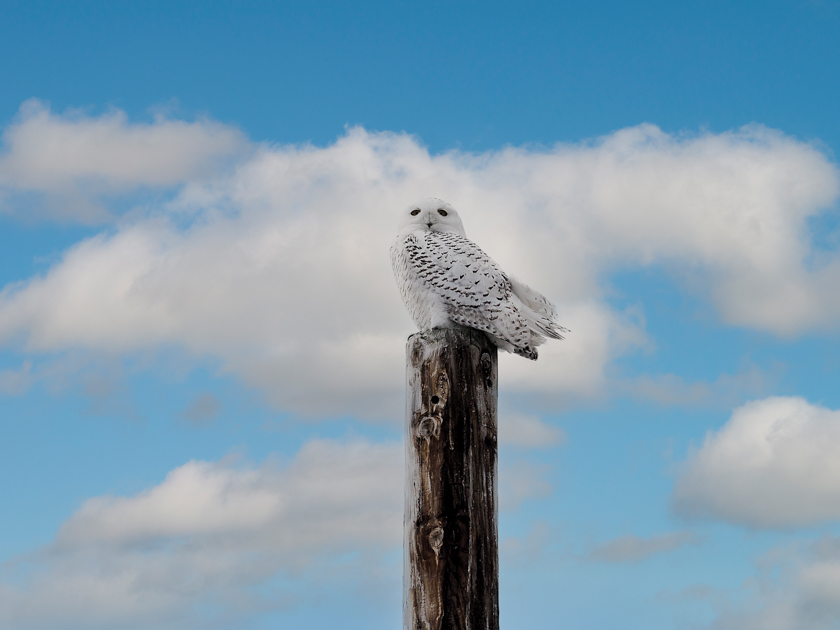
At first glance, it was a pale form perched on top of a telephone pole — white against a winter sky. It took a moment for my eyes to catch up with what I was actually seeing. A snowy owl, sitting calmly above an open field, surveying the landscape below.
The location made sense once I slowed down and really looked. It was near an airfield, but beyond the runway edges was exactly what the owl needed — wide, open ground with low cover, a place to hunt. Spaces like that mirror the tundra conditions they’re used to, even if the setting feels unexpected to us. The airfield was also not used as often as it was in the past – it belonged to an Air Force Base that is no longer active.
There’s a particular stillness that comes with moments like this. Not excitement in the loud sense, but a quiet awareness that asks you to stop moving and simply observe. I stayed where I was and let the distance remain. The owl wasn’t there for me, and I didn’t want my presence to shift its focus or behavior.
The owl barely moved. Just a slow turn of the head. A subtle change in posture. Its yellow eyes scanned the field below with patience that felt measured and deliberate. Everything else faded — the cold, the quiet hum of winter, the sense of place — until there was only the bird and the landscape it had chosen.
When I finally raised the camera, it felt intentional. No chasing. No repositioning. Just documenting what was already happening. I took two photographs. That was enough. Not because I couldn’t take more, but because the moment felt complete.
Seeing a snowy owl for the first time wasn’t about the image. It was about presence. About recognizing a rare encounter and choosing not to interfere. It reinforced why I value patience over pursuit, and why I’m perfectly content walking away with just a couple of frames if it means the experience — and the owl — remain undisturbed.
Why Open Landscapes Like Airfields Attract Snowy Owls
Snowy owls are birds of wide horizons. In the Arctic, they hunt across open tundra where visibility matters more than cover. They rely on sight — scanning for movement, reading the land, and conserving energy by choosing places where they don’t need to constantly relocate.
That’s why areas like airfields can be so appealing.
Airfields are open by design. Low vegetation. Few trees. Broad sightlines that stretch in every direction. To a snowy owl, these spaces closely resemble the landscapes they’re built for. Add nearby open fields or farmland, and you have a hunting environment that feels familiar, even if it sits far outside their typical range.
Perches matter too. Telephone poles, fence posts, runway lights — these elevated vantage points give owls a clear view of the ground below. From there, they can watch quietly, waiting for the subtle movement of prey without expending unnecessary energy. In winter, conserving energy is everything.
What often surprises people is how still snowy owls can be. They don’t pace or patrol like some predators. They wait. Open landscapes allow them to do exactly that — sit, observe, and strike only when it’s worth it.
These locations also explain why snowy owls are sometimes seen in places that feel uncomfortable to us — near roads, airports, or industrial edges. They aren’t drawn to human activity. They’re drawn to space. To visibility. To the ability to hunt efficiently.
That’s also where responsibility comes in. Because these areas are accessible, snowy owls can easily draw attention. Crowds. Cars pulling over. People edging closer for a better look. For a bird already operating on limited winter resources, repeated disturbances matter.
Understanding why snowy owls choose these landscapes helps us do better when we encounter them. It reminds us to keep our distance, stay in our vehicles when appropriate, and let the owl continue doing what it came there to do — survive the winter.
How to Photograph Snowy Owls Ethically
Photographing a snowy owl isn’t about getting closer. It’s about knowing when to stop.
These owls are winter visitors, often far from their typical range and operating on limited energy reserves. Every decision they make — where to perch, when to hunt, how long to stay — is about survival. Ethical photography starts with respecting that reality.
Distance comes first.
If the owl changes posture, swivels its head repeatedly in your direction, or lifts slightly as if preparing to move, you’re too close. I stayed where I was, letting the owl remain focused on the field below rather than on me. Long lenses exist for a reason — and sometimes the most ethical choice is simply accepting a wider frame.
Let the owl set the terms.
Snowy owls often choose one spot and stay there. If you arrive and the owl is settled, that’s not an invitation to circle, reposition, or test angles. I waited. Observed. Raised the camera only when everything felt calm and unchanged.
Limit your time.
Just because an owl stays doesn’t mean it isn’t affected. I took two photographs and stepped away. Ethical wildlife photography isn’t measured by how many images you come home with, but by whether the animal’s behavior remained natural throughout the encounter.
Blend into the moment.
Move slowly. Speak quietly. Avoid sudden gestures. The goal is to become irrelevant — another still element in the landscape. When that happens, you’re far more likely to witness authentic behavior rather than a reaction to your presence.
These principles echo everything I’ve learned watching wildlife close to home — from waiting on riverbanks for eagles to standing at the edge of winter fields, letting nature unfold without interference. Snowy owls simply sharpen those lessons.
What Not to Do When You See a Snowy Owl
Just as important as knowing what to do is understanding what to avoid.
Don’t approach on foot.
Walking toward a snowy owl almost always causes stress, even if the bird doesn’t immediately fly. Staying in your vehicle or observing from a fixed distance is far less disruptive.
Don’t flush the owl for flight shots.
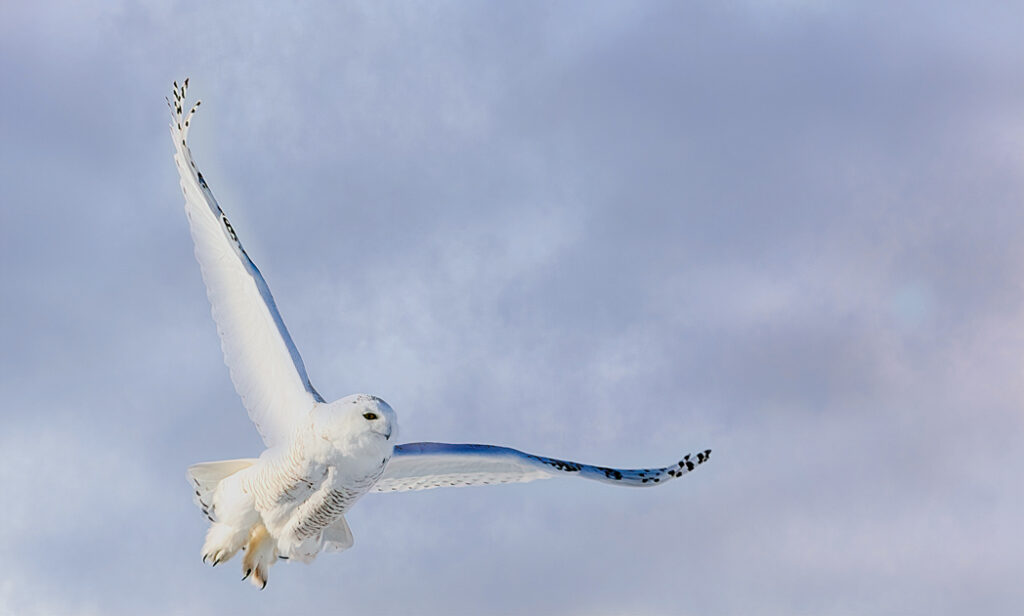
Intentionally forcing an owl to fly wastes energy it may not easily replace. A dramatic image isn’t worth the cost to the bird.
Don’t crowd or share exact locations.
Once word gets out, things can change quickly.
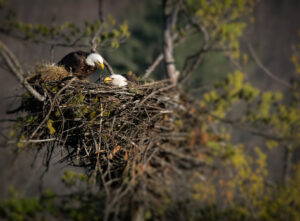
I’ve seen this happen before. When a bald eagle nest became widely known locally, people flocked to the site — parking along roadsides, edging closer, lingering longer. The same thing happened when news spread that a snowy owl had been spotted in the area. Cars lined up. People gathered. The quiet space the owl had chosen disappeared.
The following year, the owl didn’t return.
There’s no way to know for certain why, but it’s a reminder of how fragile these situations are. Wildlife doesn’t need crowds, attention, or documentation. It needs space.
Don’t assume stillness means comfort.
Snowy owls rely on camouflage and patience. Just because one isn’t moving doesn’t mean it’s relaxed. Read behavior before raising the camera.
Don’t make it about the photo.
The moment you prioritize the image over the animal, you’ve crossed a line. Ethical photography means choosing restraint — even when the encounter feels rare or exciting.
Snowy owls offer us a fleeting winter gift. How we respond matters. Sometimes the most responsible choice is silence, distance, and allowing a moment to pass without claiming it.
A Quiet Winter Gift
Snowy owls aren’t guaranteed. They don’t follow schedules, and they don’t owe us a return visit.
Seeing one — especially here, so close to home — felt like winter offering something rare and fleeting. A reminder that even familiar landscapes can hold the unexpected, and that some of the most meaningful wildlife encounters happen when we slow down enough to notice them.
I think often about that first sighting on the telephone pole, the open field below, and how still everything felt in that moment. There was no rush. No sense of urgency to do more. Just the quiet understanding that I was witnessing something special — and temporary.
Those are the encounters that shape how I photograph wildlife now. Patience over pursuit. Presence over proof. A willingness to walk away with fewer images if it means the experience stays intact.
Whether it’s snowy owls in winter fields or eagles along a familiar riverbank, the lesson is always the same: the wild reveals itself most honestly when we give it space.
Sometimes the best thing we can do is observe, document lightly, and let the moment remain what it was — brief, beautiful, and undisturbed.
Explore More: Ethical Wildlife & Finding the Wild Close to Home
If snowy owls and quiet winter encounters resonate with you, you may enjoy these stories and reflections from the field:
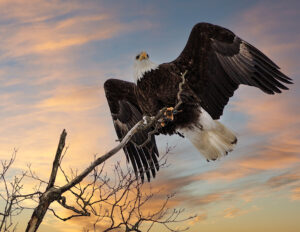
- Finding the Wild Close to Home: Photographing Bald Eagles Near My Backyard – On patience, familiarity, and learning to see what’s already around us
- Photographing Without Disturbing – A deeper look at ethical wildlife photography and respectful observation
- Understanding Wildlife Behavior Before You Photograph – Why reading behavior matters more than chasing images
- The Art of Patience in Wildlife Photography – Letting moments come to you, instead of forcing them
- Season of Eaglets – A reminder of how human presence can shape — or disrupt — wildlife outcomes
- Mastering the Art of Wildlife Photography – Part of my mastering photography series
Each of these stories connects back to the same idea: wildlife photography isn’t about access or proximity. It’s about awareness, restraint, and respect.
Love quiet wildlife moments like this?
Join the Back Roads Lens newsletter for stories about finding the wild close to home, ethical wildlife photography, and learning to slow down enough to notice what nature offers when we give it space.