When I arrived at Canyon de Chelly National Monument in northeastern Arizona, it felt like stepping into history. Red sandstone cliffs rise above farmland, creating a landscape that feels timeless. People have lived here for thousands of years, yet the canyon still feels untouched and sacred. If you love travel, history, and photography, This is a must-see destination. If you are interested in How I Find Off-the-Beaten-Path Destinations in the USA you can check out my process.
History and Ancient Cliff Dwellings
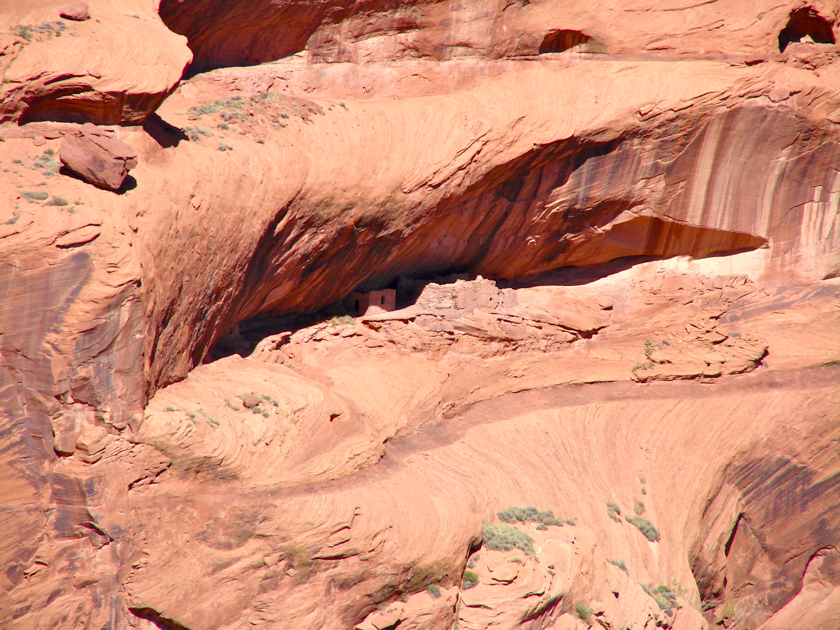
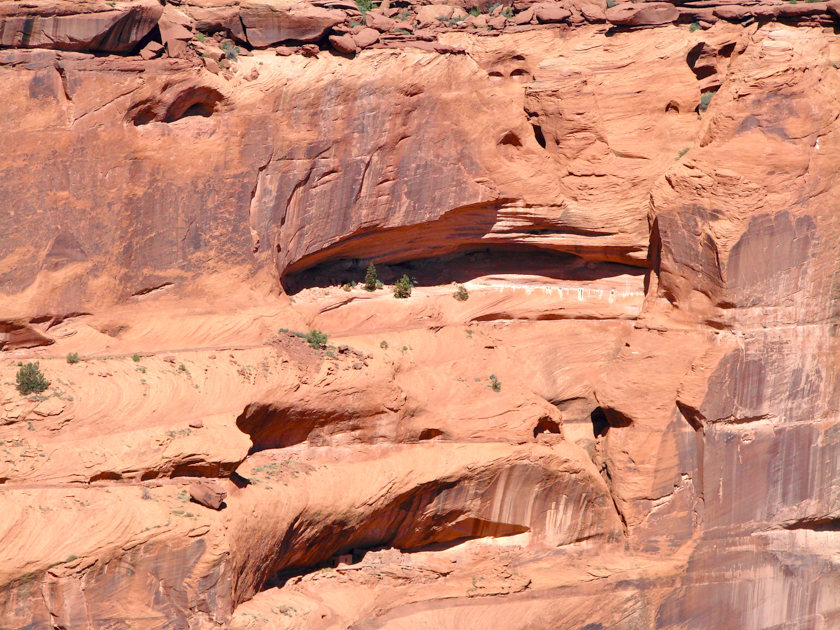
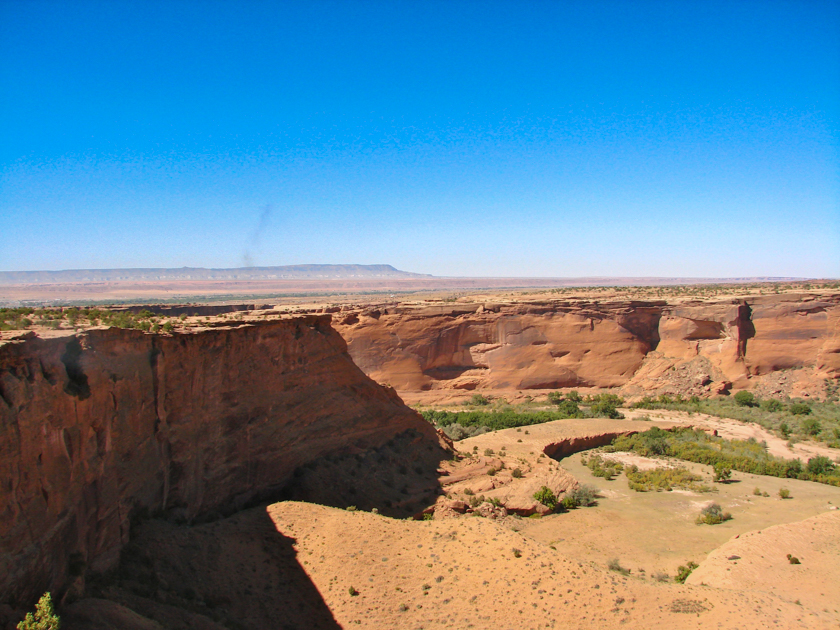
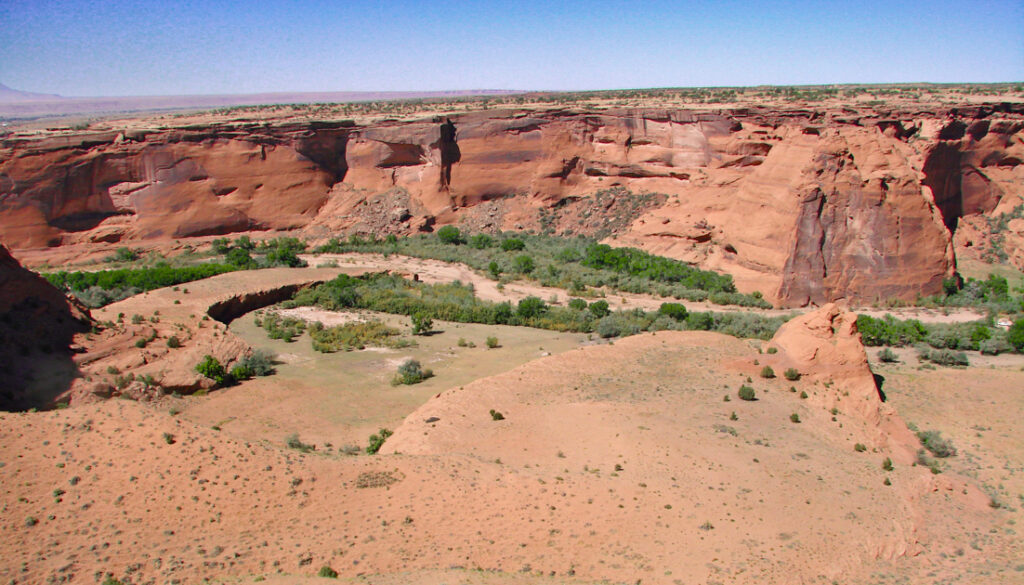
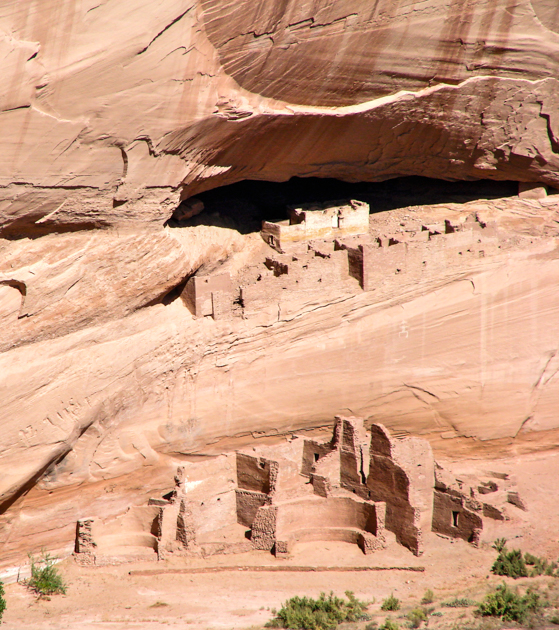
Canyon de Chelly is a natural wonder carved by millions of years of water cutting through sandstone. The Ancestral Puebloans (also called the Anasazi) built stone cliff dwellings here between 350 and 1300 A.D. Their homes were tucked high into alcoves for protection and are still visible today.
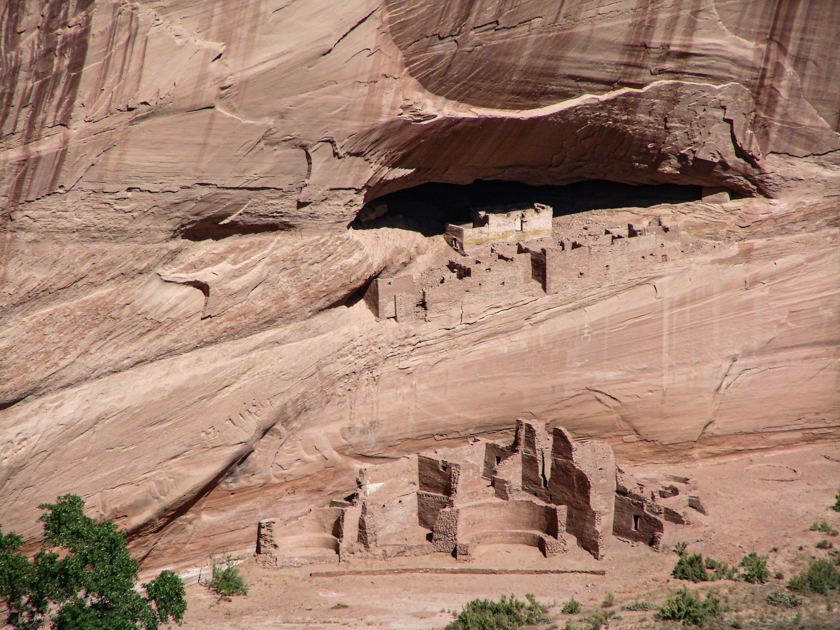
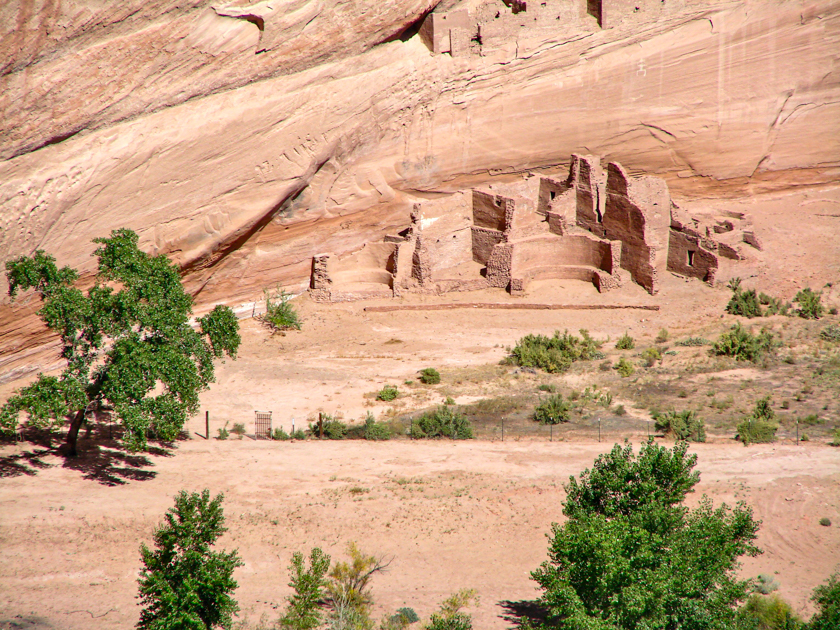
Later, the Hopi people lived in the canyon. Eventually, the Navajo made this land their home, and they still live and farm here. One of the most famous archaeological sites is the White House Ruin, built around 1070 A.D., which you can hike down to and visit up close.
A Living Canyon on the Navajo Nation
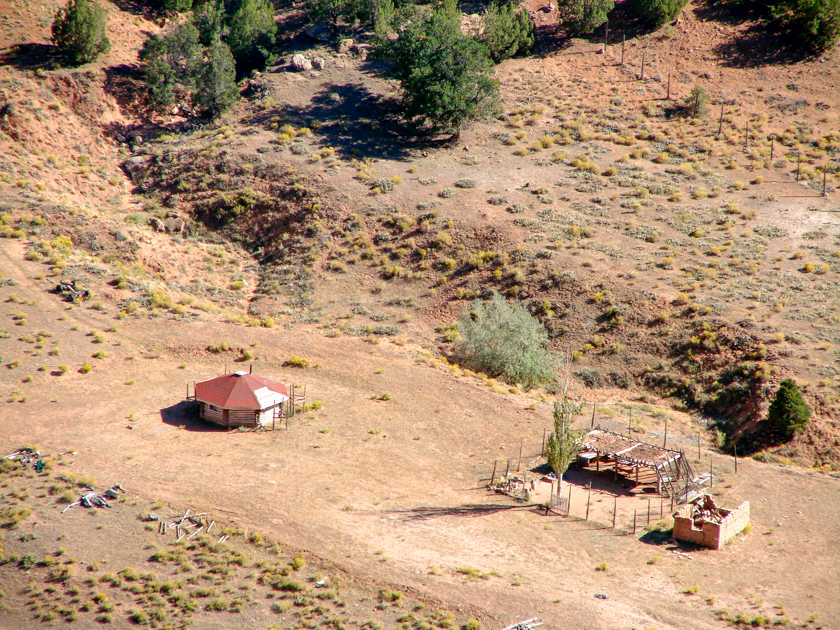
Unlike many historic sites, this is still a living, working landscape. Families of the Navajo Nation live and farm on the canyon floor. Cornfields, peach orchards, and grazing sheep are part of everyday life here.
Because the canyon is Navajo land, entry to the floor requires a Navajo guide. Tours by Jeep or horseback are a popular way to explore and also support the local community.
How to Get to There
The Canyon is located in Chinle, Arizona, on the Navajo Reservation. From Flagstaff, the drive takes about three and a half hours northeast. From Albuquerque, New Mexico, plan for about four hours northwest. The roads are paved and easy to travel.
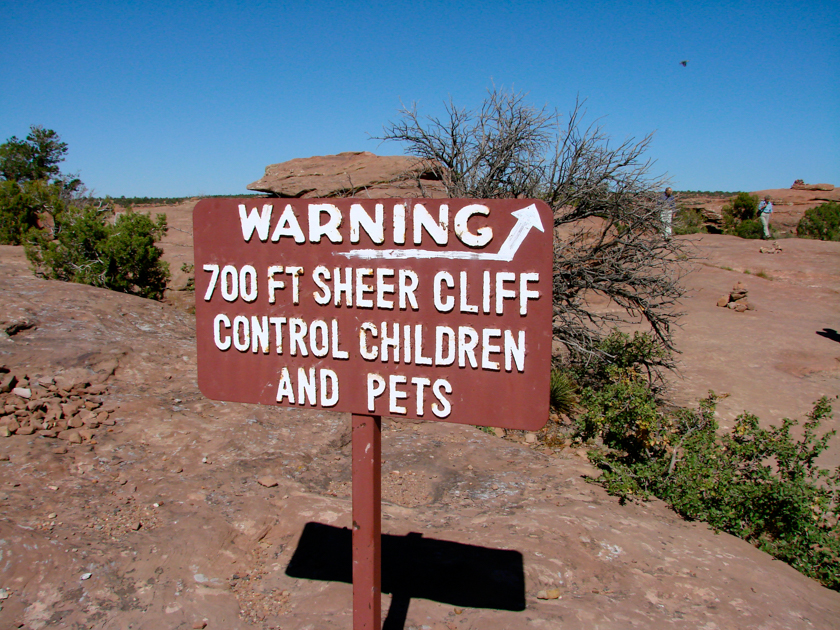
Once in Chinle, you can explore the North Rim Drive and South Rim Drive, each offering scenic overlooks and pull-offs perfect for photography. If you want to step into the canyon, the White House Trail is the only self-guided hike. To go deeper, book a Navajo-guided canyon tour.
Best Time to Visit Canyon de Chelly
The best seasons to visit Canyon de Chelly are spring and fall. Summers are hot, and winters can be chilly. I visited in the fall, and the golden cottonwood trees against the red canyon walls made for unforgettable photographs. Sunrise and sunset provide especially beautiful lighting for photos.
Photography Tips
For photographers, the canyon is a dream. The overlooks are perfect for wide-angle shots of the canyon. Sunrise highlights the red sandstone, while sunset bathes the cliffs in warm golden light. If you hike the White House Trail or take a guided tour, you’ll have a chance to capture close-up shots of the cliff dwellings and Navajo farmlands. You can view my full travel photography kit in my post Why I Chose Leica and Fuji for Travel Photography.
Where to Stay Near Canyon de Chelly
If you’re planning to explore Canyon de Chelly, you’ll most likely base yourself in Chinle, Arizona — a small town just outside the park that has a handful of places to rest your dusty, adventure-loving head. No, there’s no five-star spa with infinity pools here (and honestly, would you even want that?), but you’ve got solid options that range from historic lodges to no-frills motels — plus a bit of camping for the tent-and-trail mix crowd.
Thunderbird Lodge
This is the only place you can actually stay within the park boundary, and it used to be a trading post, which feels just right for the vibe here. The rooms are simple but clean, and there’s a restaurant on site that serves up Navajo-inspired dishes. If you like being close to the action (and don’t mind the occasional early-morning tour group), this is your best bet.
🟡 Local Tip: The on-site restaurant sometimes serves Navajo tacos — fry bread topped with beans, meat, and all the good stuff. If you see it on the menu, don’t overthink it. Just say yes.
Best Western Canyon de Chelly Inn – Comfort With a Side of Convenience
A reliable pick just a few minutes from the canyon entrance. It’s your standard chain hotel — think clean rooms, Wi-Fi, and air conditioning that actually works (a blessing in the summer). There’s also a restaurant next door in case you roll into town hangry.
🟡 Local Tip: The attached restaurant, Junction Restaurant, is known for solid diner-style meals and Navajo specialties. Try the mutton stew if you’re feeling adventurous, or go with a classic green chile cheeseburger.
Camping – For the Rugged (or Just Budget-Conscious)
Cottonwood Campground, run by the National Park Service, is located right near the Visitor Center. It’s first-come, first-served and has basic amenities — no hookups, no reservations, and no frills — but plenty of space and a solid night sky. RVs are welcome, and tent campers will find it quiet and peaceful. Bonus: you might wake up to the sound of canyon wrens instead of traffic.
🟡 Pro Tip: There are no showers at Cottonwood, so plan accordingly — or just embrace the trail-dust look. Also, fill up your water jugs before you set up camp; Chinle is your best bet for supplies.
Bonus Tip: Fuel Up Before You Head Out
There are a few gas stations in Chinle, but services can be limited the further you get into the back roads. Top off your tank, grab snacks (yes, get the hot Cheetos if they’re calling your name), and consider downloading offline maps before you hit the viewpoints or go on a guided backcountry tour. Cell signal can be spotty once you’re deep in the canyon area — which, honestly, is part of the charm.
A Quick Note About the Navajo Nation
Canyon de Chelly isn’t just a stunning national monument — it’s also located within the Navajo Nation, the largest Native American reservation in the United States. That means you’re not just visiting a national park; you’re stepping into living Navajo land, with families who have called this canyon home for generations. In fact, unlike many national parks, there are still people actively living, farming, and herding sheep inside the canyon itself. Pretty incredible, right?
As you explore the area, you’ll notice signs in Diné Bizaad (the Navajo language), locally owned businesses, and artwork that reflects deep spiritual and cultural traditions. When you book a canyon tour (which you’ll need to do if you want to go beyond the overlooks), you’ll be guided by Navajo guides, many of whom grew up in or around the canyon itself. Their stories and knowledge bring the place to life in a way that trail signs never could.
Respect the land: Remember this isn’t just a scenic spot — it’s a home. Stay on marked paths, don’t wander into residential areas or farmlands, and always ask before taking photos of people or personal dwellings.
Support local: Whether you’re buying jewelry at a roadside stand, booking a tour, or grabbing a Navajo taco, your dollars help support the local economy directly. It’s a great way to travel more responsibly and have a richer experience while you’re at it.
Learn a little before you go:
Watching documentaries made by Navajo people, or about Navajo life and history, is a fantastic way to deepen your connection. Here are some good ones — with streaming info so you can actually watch them without wandering through paywalls.
- Canyon Song — A short film by National Park Experience following a Navajo family maintaining tradition within the Canyon de Chelly. Available through PBS SoCal. PBS SoCal
- Navajo Canyon Country (1954) — Historic footage showing Navajo homes (hogans), sheep herding, cliff dwellings, prayer piles, and the everyday rhythms of life on the land. Freely available through tribesourcingfilm.org. tribesourcingfilm.org
- Navajo (1952) — A semi‑documentary/drama film about a young Navajo boy caught between Navajo life and boarding school; filmed in part at Canyon de Chelly. Available to stream (some platforms free with ads) on Plex, Tubi, and with rental/purchase options. Plex.tv+2JustWatch+2
These films do a nice job of grounding you in the “why” behind what you’ll see: the landscapes, the ruins, the rhythms of daily life. They make the place more than just pretty cliffs — they make it real.
Why Visit?
Canyon de Chelly is more than a national monument—it’s a place where history and culture are still alive. The canyon blends ancient ruins, living Navajo traditions, and stunning landscapes all in one destination.
If you’re planning a road trip through Arizona, add Canyon de Chelly to your list. Bring your camera, take your time, and let this sacred canyon tell its story. And if you would like to see other nearby locations, my Southeast Region Travel Guide has some great locations to visit and Southwest Road Trip: Desert to Mountains.
If you near Canyon de Chelly, check out these other nearby locations:
- Exploring Montezuma Castle: Arizona’s Cliffside Treasure
- Exploring the Timeless Beauty of Petrified Forest National Park, Arizona
- Grand Canyon Travel Guide
Check out other Back Roads trips on my travel blogs.
Hit the back roads with me—get road-trip inspiration, hidden gems, and photography stories from across the USA!



Great guide, I love all the local tips and cultural references. Navajo tacos sound delicious!
Wow! This canyon looks amazing! It’s unbelievable to learn that the land is still farmed by the Navajo tribe. It certainly doesn’t look like farming land. I’ll be booking a tour to visit when I’m in Arizona.
Saving this for our next roadtrip through Arizona, I’m not sure how we missed it on previous drives through the area. The fact that the Navajo Nation still lives and works on this land certainly makes it unique.
I have been fortunate to have done two trips through Canyon de Chelly in my travels. One was hiking through many years ago and then riding a horse through the canyon more recently. It is such a magical place, so well worth it. I like that you included the documentaries about the Navajo people. It’s so important to understand what this landscape means to them.